10 Parts of an Excavator
2024-06-20
Before operating excavators, it is essential to understand how they function. Excavators are crucial heavy construction machines used for digging, moving, and lifting materials. They enhance safety and efficiency in construction and excavation projects. Familiarizing yourself with the basic parts of an excavator will make you a more proficient operator. This guide will help you learn about the excavator’s components and their functions.
Understanding the basic excavator parts and their functions can assist you in selecting, operating, and maintaining your machine. You'll gain insight into what each part is, its purpose, and how everything integrates. Here are the main components of an excavator:
1. Boom
The boom is a fundamental component of an excavator. This large main part extends outward from the machine’s body and is crucial for providing the excavator with its reach. The boom allows the operator to position the arm and bucket precisely for digging, lifting, or placing materials.
Booms come in various lengths and configurations to suit different applications. For instance, long booms are generally used for tasks that require an extended reach, such as deep excavation, dredging, or demolition work at a distance. These longer booms enable the excavator to operate efficiently over larger areas without needing to reposition frequently.
On the other hand, shorter booms are better suited for work in confined spaces. In urban construction sites, tight alleyways, or areas with limited maneuverability, a shorter boom provides better control and stability. It allows the operator to work in close proximity to structures or other obstacles, making it ideal for tasks such as foundation digging, trenching, or working within restricted spaces.
In summary, the boom is essential for the versatility of an excavator, adapting its reach and function to meet the demands of various construction and excavation tasks.
2. Arm
The arm, also known as the stick, connects the boom to the bucket and plays a crucial role in controlling the depth and precision of excavation. By extending and retracting the arm, the operator can adjust the distance between the boom and the bucket, allowing for precise digging, grading, and lifting.
The length of the arm varies depending on the size of the excavator. Mini excavators typically have shorter arms, which provide better maneuverability in tight spaces, making them ideal for urban construction or projects with restricted access. Conversely, larger excavators are equipped with longer arms, enabling them to perform deep excavations efficiently. This versatility allows the excavator to adapt to various tasks, from fine detail work in confined areas to extensive digging operations on larger sites.
3. Bucket
The bucket is the attachment at the end of the arm that handles digging, scooping, and carrying materials. Buckets come in a variety of shapes and sizes, each tailored for specific tasks. They typically feature teeth or cutting edges to break through tough soil or rock.
Buckets can be swapped out for other attachments, such as grapples or thumbs, to enhance the excavator’s versatility. The size and shape of the bucket significantly impact productivity and efficiency, making it crucial to select the right one for the job. Choosing the appropriate bucket ensures optimal performance and effectiveness for the specific application at hand.
4. Cab
The cab is the operator’s compartment, housing the seat and control panel. From this vantage point, the operator manages the machine’s functions using a variety of controls, joysticks, and pedals to maneuver the boom, arm, bucket, and other movements such as rotation and travel.
Modern excavator cabs are equipped with features like air conditioning, ergonomic seating, and advanced technology to enhance safety, comfort, and productivity for the operator.
5. Undercarriage
The excavator’s undercarriage supports the machine’s weight, provides stability, and enables movement. It consists of tracks or wheels, depending on the type of excavator. Tracks offer excellent traction and weight distribution, allowing crawler excavators to navigate rough and uneven terrains with ease.
In contrast, wheeled excavators offer maximum agility on smoother surfaces such as asphalt and allow for greater mobility. Some undercarriages feature adjustable width or retractable tracks to adapt to different job site conditions, ensuring the excavator’s stability and maneuverability in various environments.
6. Engine
Excavator engines typically run on diesel fuel. The size and power output of the engine depend on the excavator's size and intended use. Modern engines are designed to enhance efficiency and reduce emissions, meeting stringent environmental standards. These engines power the excavator’s movements and provide the energy required to operate the hydraulic system.
7. Hydraulic System
The excavator’s hydraulic system is a sophisticated network of high pressure hoses, pumps, valves, and cylinders that control the movements of the boom, arm, and bucket. The operator uses this system to manipulate these components and perform various tasks. Known for its exceptional responsiveness and power, the hydraulic system is crucial to the excavator’s functionality. It delivers the strength required for heavy duty tasks while ensuring precision and control for the operator.
8. Counterweight
The counterweight is a heavy component typically situated at the rear of the excavator. It provides balance and stability during lifting and digging operations. Since the bucket at the front often carries heavy loads, the counterweight counterbalances this weight, preventing the excavator from tipping over. Counterweights are adjustable and can be tailored to the machine’s specific requirements, ensuring safe operation and reducing the risk of accidents.
9. Swing Gear
The swing gear, located at the base of the machine, enables the excavator to perform a full 360-degree rotation. This capability is crucial for accurately and efficiently positioning the bucket without having to relocate the entire machine. The operator can effortlessly swing the excavator to access various areas of the work site, enhancing productivity and versatility. This feature allows the excavator to operate within a broader radius without the need to physically move the undercarriage, optimizing efficiency in various construction and excavation tasks.
10. Blade
Certain excavators offer an optional blade at the front end, designed specifically for leveling and grading tasks. This blade allows the operator to adjust both the depth and angle of grading, making it indispensable for projects that demand accurate earthwork and leveling.
The blade enhances the excavator's versatility by complementing its digging and material handling capabilities. It transforms the machine into a multifaceted tool suitable for tasks ranging from site preparation to precise finish grading work. This feature enables operators to achieve precise and efficient results across various construction and landscaping applications.
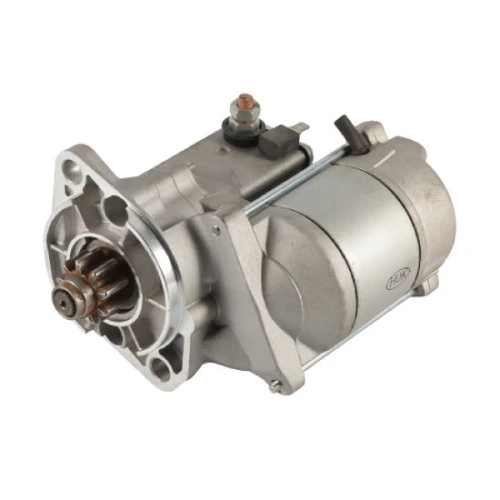
CXNOFIA is an experienced excavator parts supplier, who stands out as a renowned manufacturer of excavator parts assy starter in China. Benefit from fast worldwide shipping! Take advantage of our limited time sale and enjoy easy returns. Explore our extensive selection of excavator parts for Kubota, including 19616-63010 excavator starter.
What Is The Difference Between A Buffer Seal And A Rod End Seal?
How Does A Tractor Double Clutch Work?
Related Article
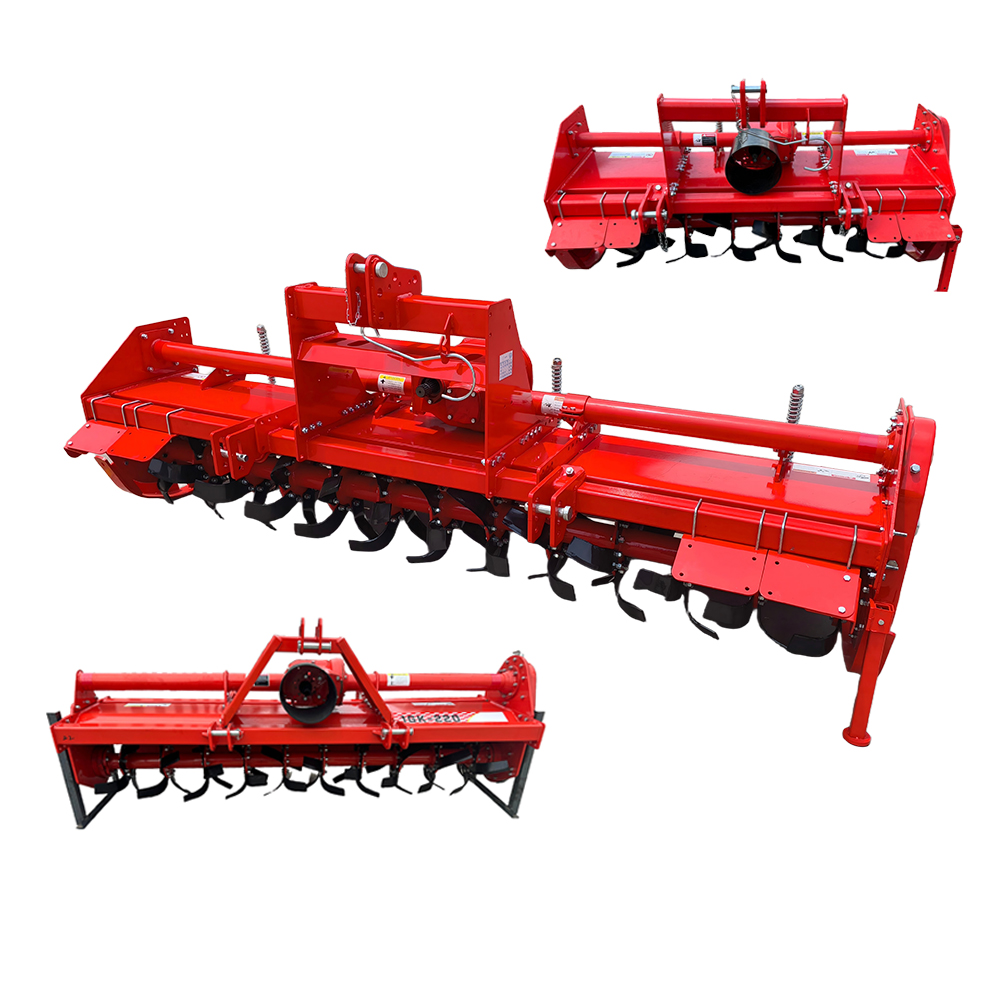
Explore MASCHIO-type rotary tillers from CXNOFIA, including 1MB, 1MC and 1GK series with 35–220 HP applications and 120–360 cm working widths.
MASCHIO-Type Rotary Tiller: 1MB, 1MC & 1GK Series Guide
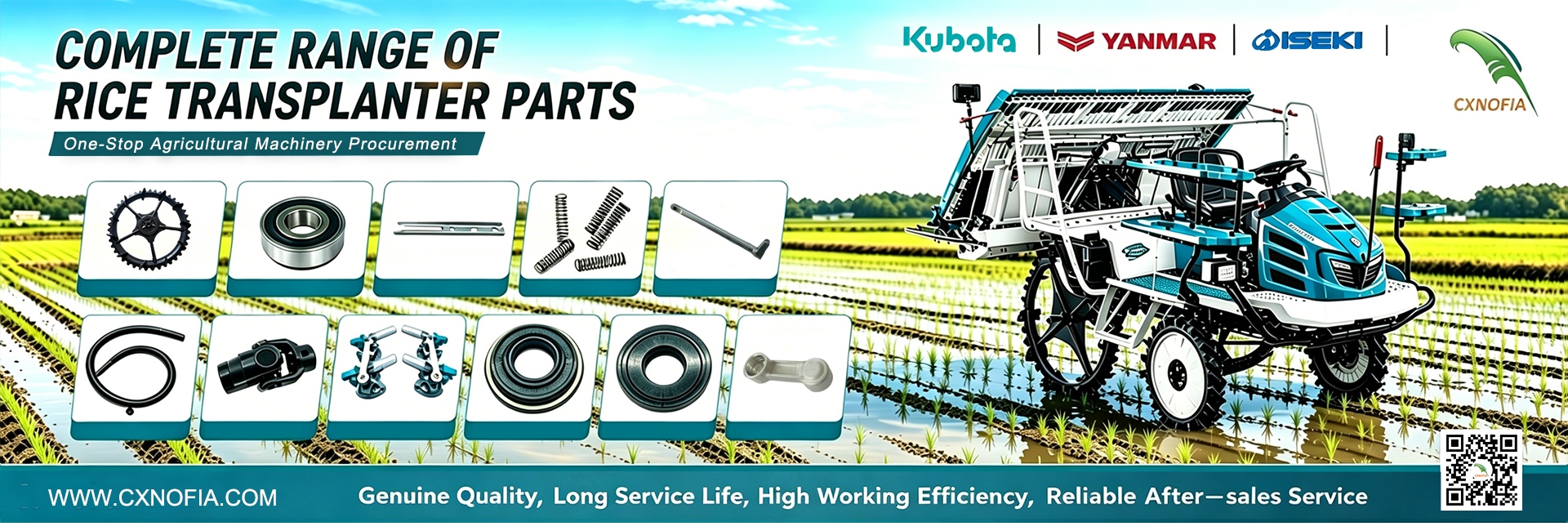
Explore the complete rice transplanter spare parts list for Kubota, Yanmar and ISEKI machines. Learn which replacement parts wear out most frequently, what dealers should keep in stock, and how CXNOFIA provides one-stop agricultural machinery spare parts solutions worldwide.
Complete Rice Transplanter Spare Parts List: Top Replacement Parts for Kubota, Yanmar & ISEKI Machines