Walking Reaper vs Combine Harvester: Which One Is Better for Small Farms?
📰 Walking Reaper vs Combine Harvester: Which One Is Better for Small Farms?
As global agriculture continues to modernize, farmers are increasingly looking for efficient and cost-effective harvesting solutions. For small and medium-sized farms, especially in regions such as Southeast Asia, South Asia, and Africa, choosing the right harvesting equipment is a critical decision.
Two common options are the walking reaper (paddy reaper) and the combine harvester. While both machines are designed to improve harvesting efficiency, they serve very different needs. Understanding their differences can help farmers make the right investment.
🌾 Walking Reaper vs Combine Harvester: Key Differences
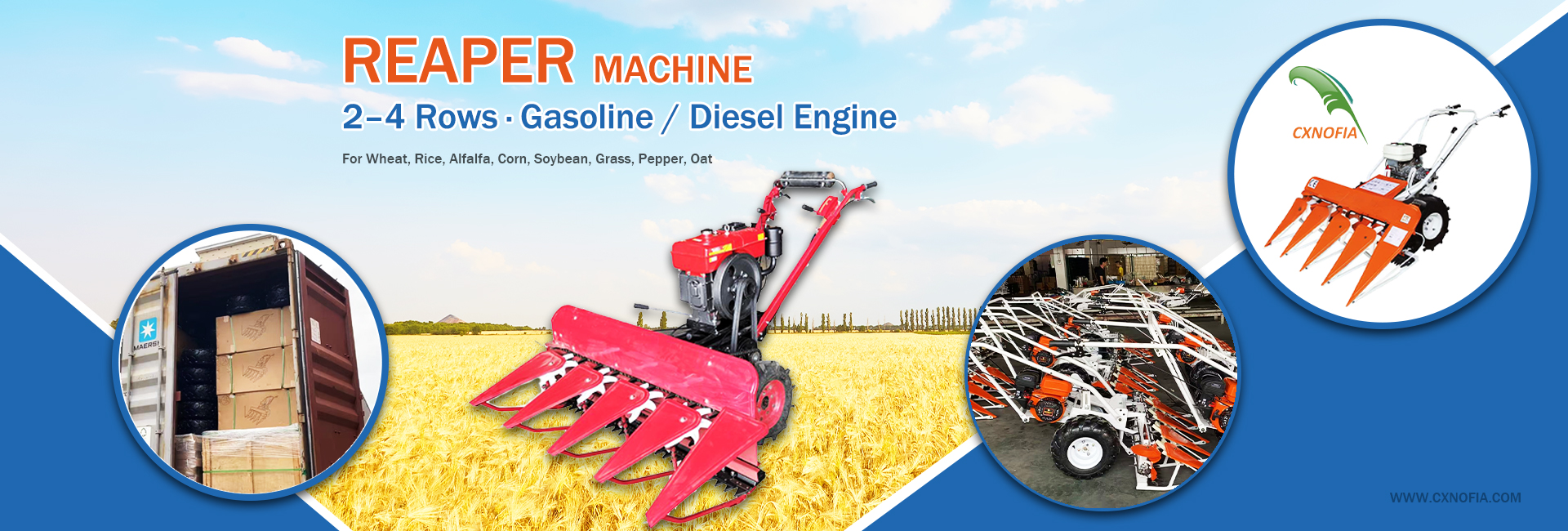
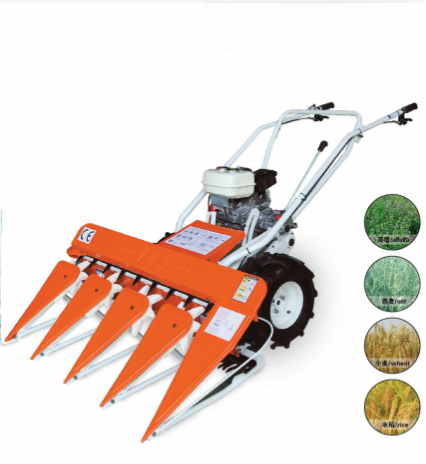
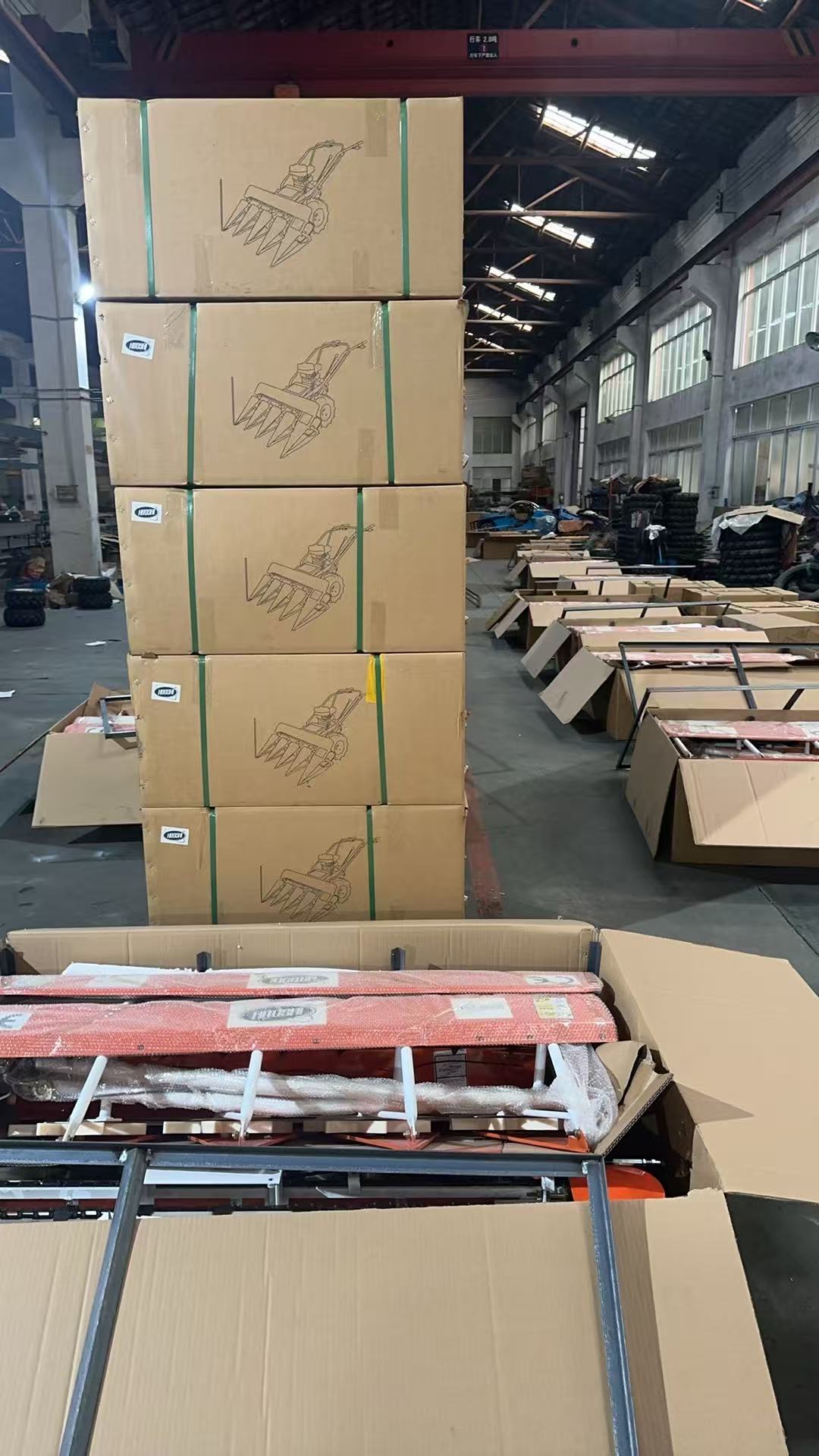
A walking reaper is a compact, hand-guided machine designed to cut crops such as rice, wheat, and grass, and lay them neatly in rows for collection. It is widely used in small farms and areas with limited access to large machinery.
In contrast, a combine harvester performs multiple operations at once, including cutting, threshing, and cleaning grain. It is a large, highly efficient machine suitable for large-scale farming.
Main Differences:
- Size & Mobility
Walking reapers are lightweight and easy to maneuver, even in narrow or muddy fields. Combine harvesters are large and require more space to operate. - Functionality
Walking reapers only cut and lay crops, while combine harvesters complete the entire harvesting process in one pass. - Cost
Walking reapers are significantly more affordable, making them ideal for farmers with limited budgets. - Maintenance
Reapers are simple in structure and easy to repair. Combine harvesters require skilled maintenance and higher spare parts costs.
🌱 Which One Is Better for Small Farms?
For small farms, the answer is clear in most cases: walking reapers are often the better choice.
Why Small Farmers Prefer Walking Reapers:
- Lower initial investment
- Suitable for small or irregular fields
- Easy to transport and store
- Lower fuel consumption
- Simple operation and maintenance
In many developing regions, farmland is fragmented, and access roads are limited. A large combine harvester may not even be able to enter the field. In such conditions, a walking reaper provides a practical and efficient solution.
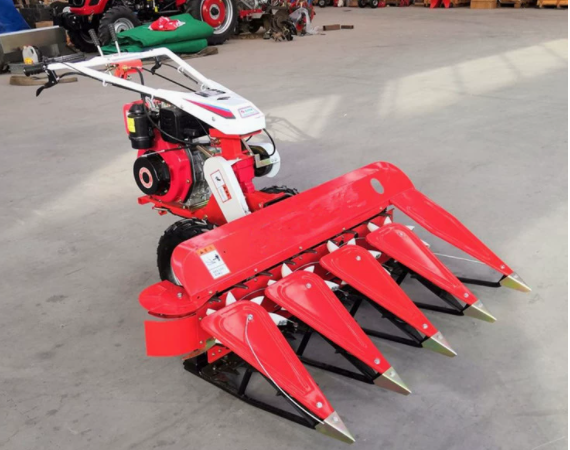
🌾 How to Choose the Right Paddy Reaper for Rice Harvesting
Selecting the right paddy reaper is essential to ensure performance, durability, and long-term cost savings. Here are the key factors buyers should consider:
1️⃣ Crop Type and Field Condition
Different crops and field conditions require different machine configurations.
- For rice (paddy fields): choose a model suitable for wet and muddy conditions
- For wheat or dry crops: standard models are usually sufficient
- For uneven or hilly land: lightweight and flexible machines are preferred
2️⃣ Engine Type: Petrol vs Diesel
The engine is a key factor affecting performance and operating cost.
- Petrol engines
- Easier to start
- Lower initial cost
- Suitable for light-duty work
- Diesel engines
- More fuel-efficient
- Higher torque for heavy-duty conditions
- Longer service life
For most professional users, diesel-powered reapers are the preferred choice.
3️⃣ Cutting Width and Efficiency
Cutting width directly affects harvesting efficiency.
- Smaller width: easier to control, suitable for narrow fields
- Larger width: higher efficiency, suitable for open areas
Buyers should balance efficiency with field conditions.
4️⃣ Build Quality and Durability
A high-quality reaper should have:
- Strong steel frame
- Durable cutting blades
- Reliable transmission system
These factors directly impact the machine’s lifespan and maintenance cost.
5️⃣ Spare Parts Availability
This is often overlooked but extremely important.
Key wearing parts include:
- Blades
- Belts
- Bearings
- Gears
Choosing a supplier that provides stable spare parts support ensures long-term usability and reduces downtime during harvesting season.
6️⃣ Ease of Operation and Maintenance
A good reaper should be:
- Easy to operate with minimal training
- Simple to maintain
- Quick to repair in the field
This is especially important in regions where technical support is limited.
🔧 Maintenance Tips for Longer Service Life
Proper maintenance can significantly extend the life of a walking reaper:
- Clean the machine after each use
- Check and replace worn blades regularly
- Lubricate moving parts
- Inspect belts and fasteners
- Store in a dry place
Regular maintenance not only improves performance but also reduces unexpected breakdowns.
🌍 Final Thoughts
Both walking reapers and combine harvesters play important roles in modern agriculture. However, for small farms, especially in developing markets, the walking reaper remains the most practical and cost-effective solution.
By understanding field conditions, crop requirements, and machine specifications, buyers can select the right equipment to improve efficiency and maximize returns.
📩 Looking for a Reliable Reaper Solution?
We provide a wide range of agricultural machinery and spare parts, including walking reapers, cutting components, and maintenance accessories.
👉 Contact us today to learn more about our products and find the right solution for your market.
Complete Rice Transplanter Spare Parts List: Top Replacement Parts for Kubota, Yanmar & ISEKI Machines
Affordable John Deere Combine Harvester Parts Supplier with OEM and Aftermarket Options
Related Article