Common Wear Parts of Tractor Accessories: A Critical Component for Agricultural Efficiency
Common Wear Parts of Tractor Accessories: A Critical Component for Agricultural Efficiency
In modern agriculture, tractors have become indispensable tools that significantly improve productivity and efficiency. However, like all machinery, tractors are subject to wear and tear, especially in certain parts that are integral to their performance. These parts, often referred to as “wear parts,” are the components most likely to require regular maintenance or replacement due to the stresses placed on them during operation. Understanding these critical components is essential for farmers and operators to ensure that their tractors remain in optimal working condition, minimizing downtime and maximizing efficiency.

The Importance of Wear Parts
Wear parts are essential for the smooth and continuous operation of a tractor. They undergo significant mechanical, thermal, and chemical stress due to constant use in demanding conditions. If not replaced or maintained on time, worn parts can lead to more severe problems, including breakdowns and increased repair costs. Additionally, worn components can negatively impact a tractor's overall efficiency, leading to higher fuel consumption, poor performance, and safety hazards.
By identifying the common wear parts of tractor accessories and understanding their importance, farmers can better plan for preventive maintenance and avoid costly downtime during critical farming seasons.
1. Filters: The Silent Guardians
Filters play a vital role in maintaining the health of a tractor’s engine and hydraulic systems. The three primary types of filters found in tractors are air filters, fuel filters, and oil filters. Over time, these filters become clogged with contaminants, reducing their ability to clean the air, fuel, or oil flowing through the system.
- Air Filters: Tractors often operate in dusty, dirty environments, making air filters critical for preventing debris from entering the engine. A clogged air filter can reduce engine power, increase fuel consumption, and lead to engine damage.
- Fuel Filters: These ensure that the fuel entering the engine is free of impurities. A dirty or clogged fuel filter can lead to poor engine performance, difficulty starting, and increased emissions.
- Oil Filters: Responsible for keeping the engine oil clean, oil filters protect the engine from metal particles and other contaminants. Neglecting oil filter changes can result in engine wear and damage.
Regular replacement of these filters is crucial to ensure a tractor's longevity and smooth operation.
2. Transmission and Clutch Components: Under Constant Strain
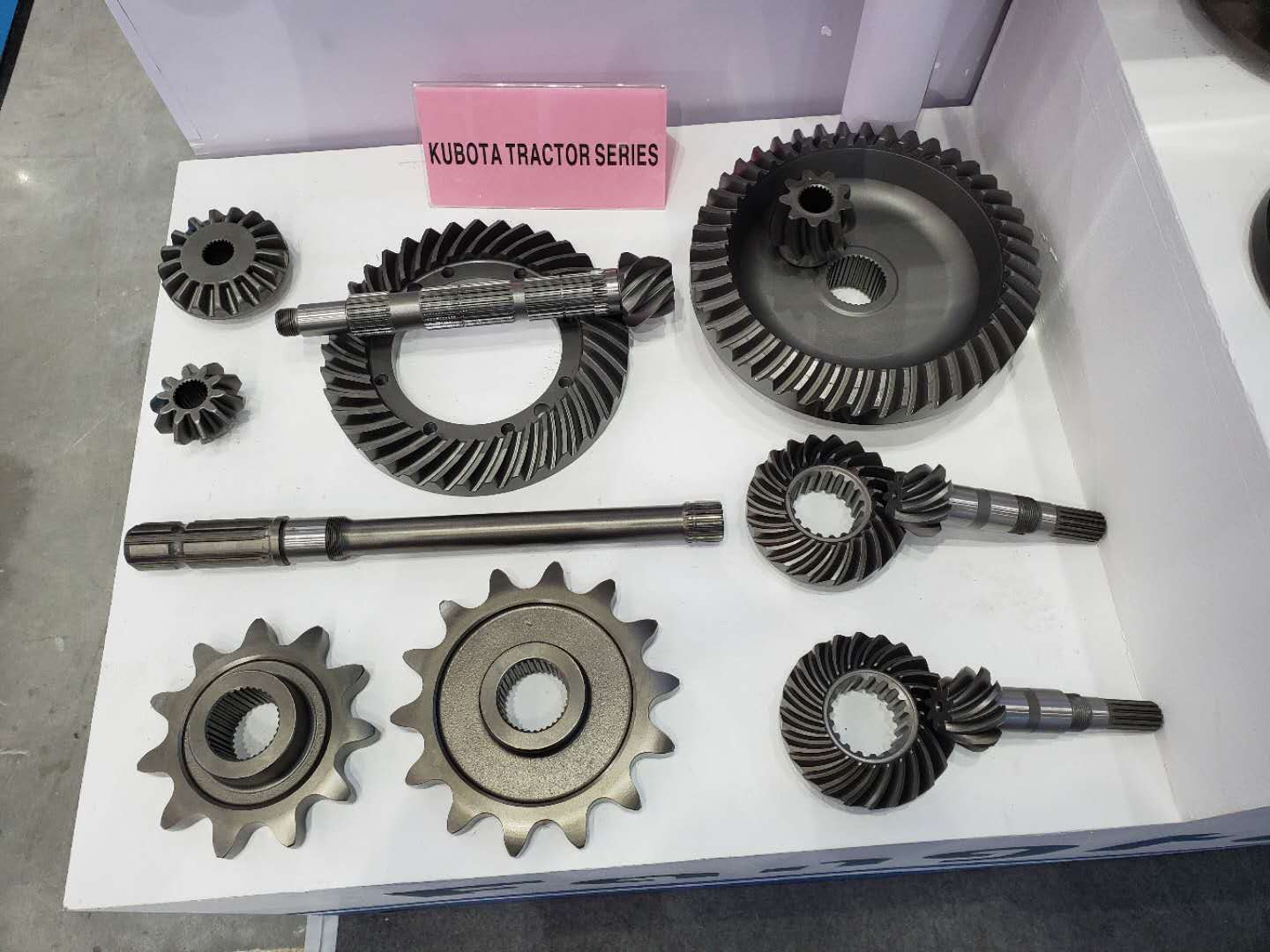
The transmission and clutch systems of a tractor are under constant strain, especially when operating in challenging terrains or towing heavy loads. Wear parts in this category include clutch discs, pressure plates, and gears.
- Clutch Disc: The clutch disc is responsible for transmitting power from the engine to the transmission. Over time, the friction material on the clutch disc wears down, making it less effective. Symptoms of a worn clutch include slipping, difficulty shifting gears, and a burning smell.
- Gears: Gears inside the transmission and differential experience substantial wear due to the constant transfer of power and torque. Damaged or worn gears can lead to grinding noises, difficulty shifting, and eventual transmission failure.
Regular inspection and timely replacement of clutch and transmission components can help avoid costly repairs and extended downtime.
3. Braking System: Safety First
The braking system is a critical safety component on any tractor. Over time, brake pads, discs, and hydraulic components wear out due to constant friction and heat.
- Brake Pads and Shoes: These parts wear down as they create friction to stop the tractor. Worn brake pads or shoes can result in reduced braking power, increased stopping distances, and even brake failure.
- Brake Discs: Also known as rotors, brake discs can become warped or worn down over time, reducing braking efficiency and causing vibrations during braking.
Regular maintenance of the braking system ensures the safety of the operator and the equipment, especially when operating on inclines or with heavy loads.
4. Tires and Suspension: Ground Contact Points
Tires and suspension components bear the full weight of the tractor and any attached implements, making them highly susceptible to wear.
- Tires: Tractor tires face constant exposure to rough terrain, heavy loads, and varying weather conditions. Worn tires not only affect traction and fuel efficiency but can also pose safety risks such as skidding or tire blowouts. Regular inspection of tire treads and pressure levels is essential for optimal performance.
- Suspension Components: Suspension systems, including springs and shock absorbers, help absorb bumps and maintain stability during operation. Over time, these components wear down, leading to a rougher ride and reduced control over the tractor.
Monitoring the condition of tires and suspension components can prevent sudden failures and extend the life of the tractor.
5. Electrical Components: Powering the Machine
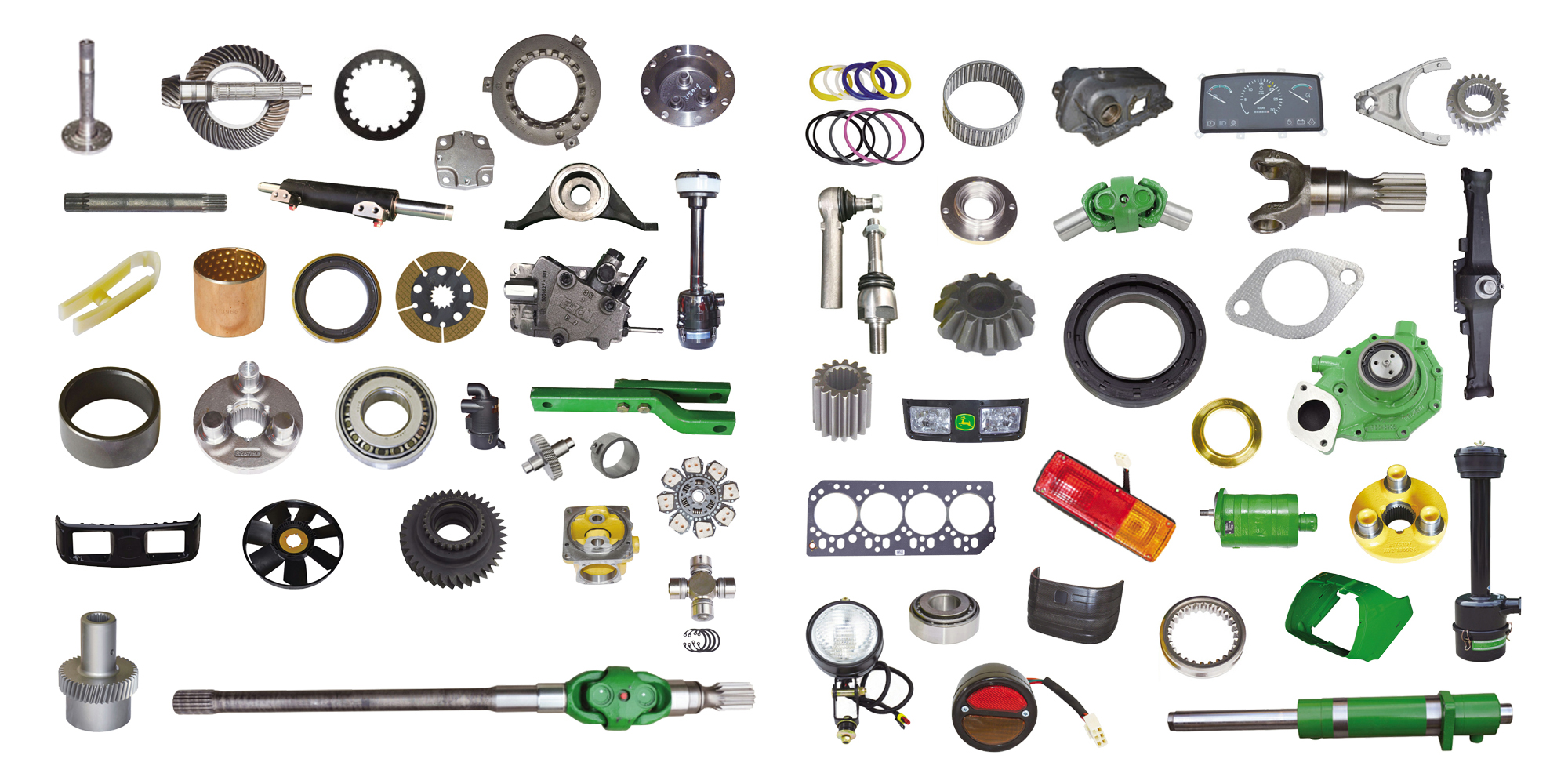
Modern tractors rely heavily on electrical components for everything from starting the engine to powering lights and sensors. The most common electrical wear parts include the battery, alternator, and spark plugs.
- Battery: Tractor batteries degrade over time due to repeated charging and discharging cycles. A weak or dead battery can prevent the tractor from starting, especially in cold weather.
- Alternator: The alternator is responsible for charging the battery and powering electrical systems while the engine is running. A failing alternator can cause electrical malfunctions and eventually lead to a dead battery.
- Spark Plugs: In gasoline-powered tractors, spark plugs ignite the air-fuel mixture in the engine’s cylinders. Worn spark plugs can cause misfires, poor fuel economy, and reduced engine performance.
Regular checks and replacement of electrical components ensure the reliable operation of the tractor, especially during long hours of use.
6. Cooling System: Preventing Overheating
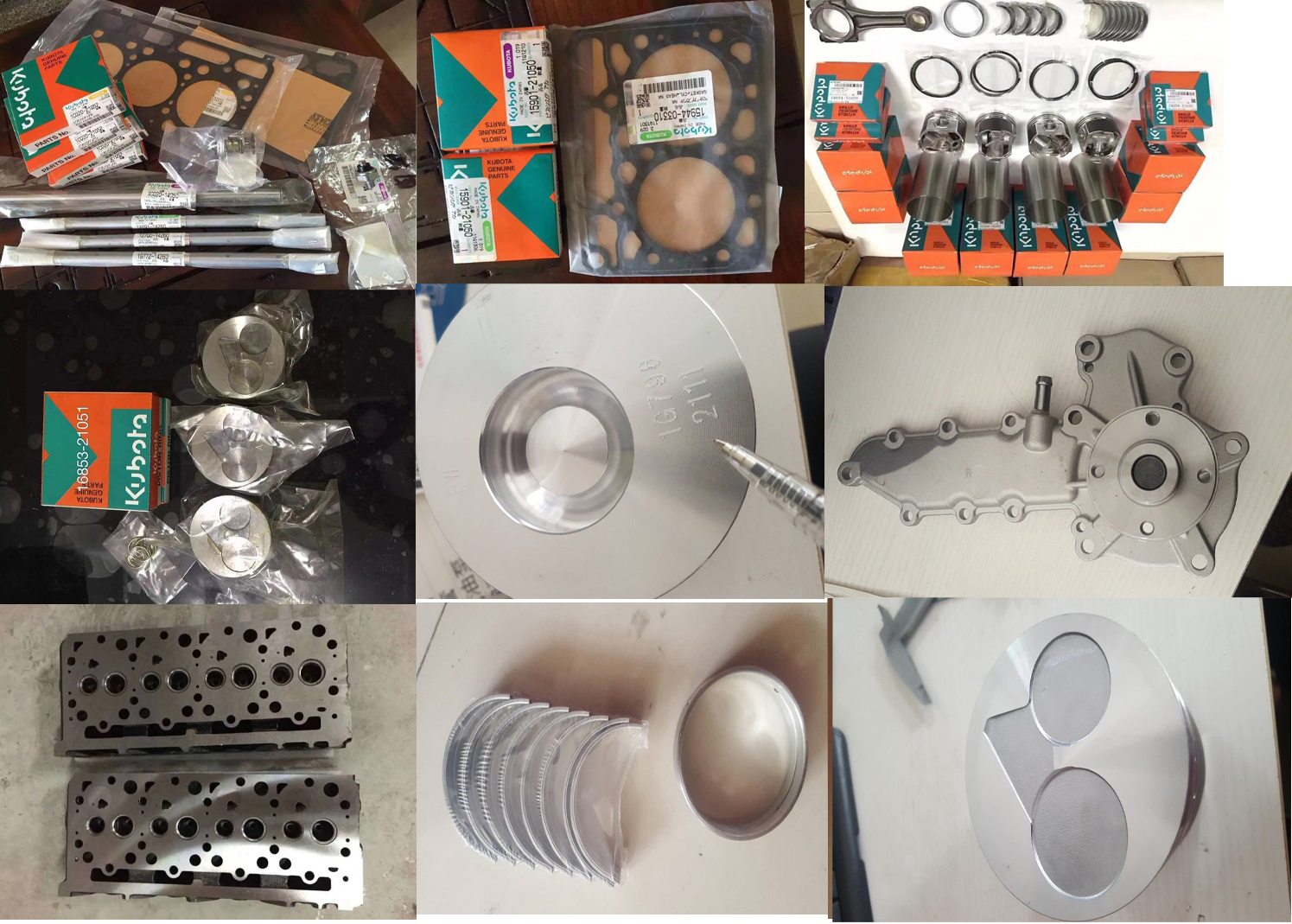
The cooling system is vital for preventing the engine from overheating during prolonged use. Key wear parts in this system include the water pump, radiator, and hoses.
- Water Pump: The water pump circulates coolant through the engine. A failing water pump can cause overheating and severe engine damage.
- Radiator: The radiator cools the engine by dissipating heat from the coolant. Over time, it can become clogged with debris, reducing its effectiveness.
- Hoses: Coolant hoses can crack or leak over time, leading to coolant loss and engine overheating.
Maintaining the cooling system is crucial for avoiding engine damage and ensuring the tractor’s continuous operation.
Conclusion
Tractor wear parts play a critical role in ensuring the efficiency and reliability of agricultural machinery. By understanding the importance of components like filters, transmission parts, brakes, tires, electrical systems, and cooling systems, farmers can plan preventive maintenance and avoid costly repairs. Regular inspection and timely replacement of these wear parts not only extend the life of the tractor but also improve its performance and safety. As farming operations continue to rely heavily on mechanization, proper care of these essential components will remain crucial for agricultural success.
CXNOFIA is a well-know harvester & tractor parts supplier in China. Complete product range, quality guaranteed. Welcome to consult at any time!
How Do I Know What Excavator Fuel Filter I Need?
Key Wear Parts of Harvesters: Ensuring Smooth Agricultural Operations
Related Article