Comparing Undercarriage Rollers: Harvester Rollers vs. Excavator Rollers
Comparing Undercarriage Rollers: Harvester Rollers vs. Excavator Rollers
In the world of heavy machinery, the undercarriage system plays a vital role in ensuring the stability and performance of tracked vehicles like harvesters and excavators. Among the key components of these systems are support rollers (commonly referred to as "undercarriage rollers" or "track rollers"). While harvesters and excavators both rely on these rollers for operation, their specific functions, designs, and working environments make them vastly different. This article explores the differences between harvester rollers and excavator rollers and highlights how each is tailored to meet the demands of their respective machines.
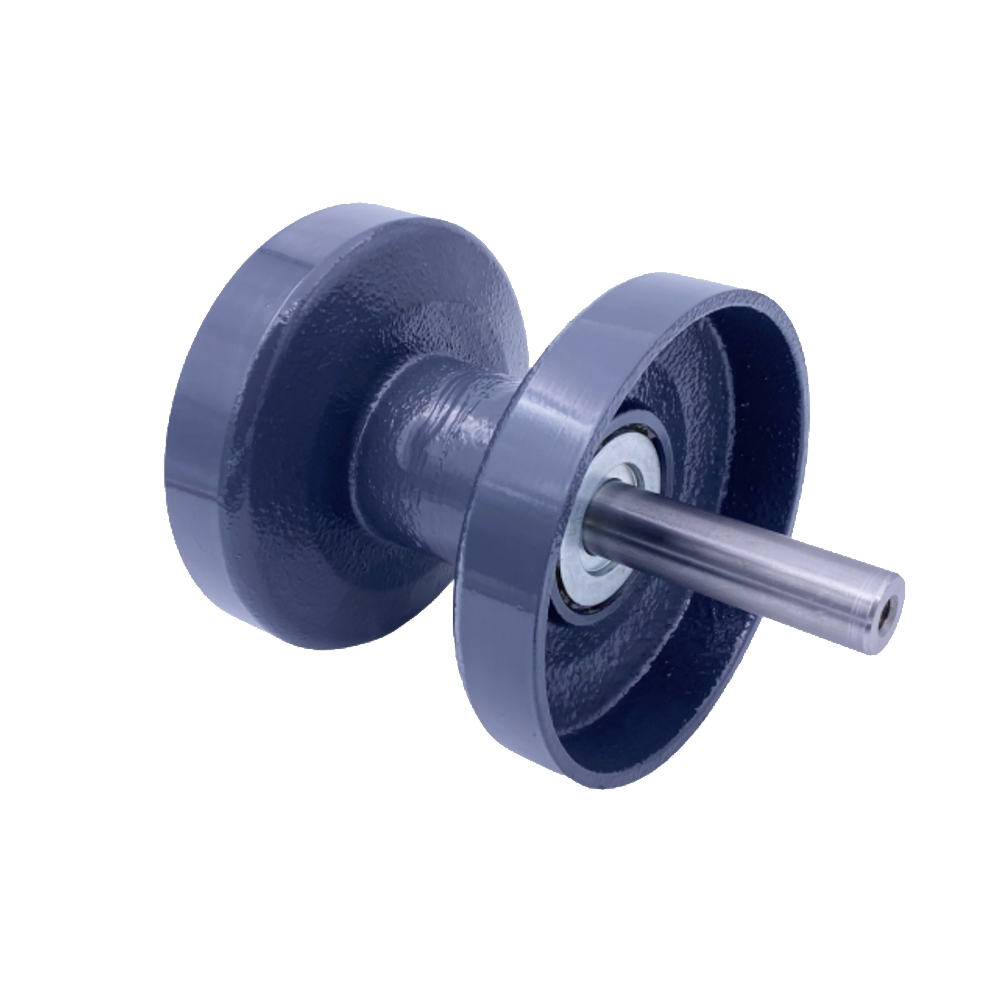
1. Function and Work Environment
Harvester Rollers:
Harvester rollers are used primarily to support and guide the tracks of tracked harvesters in agricultural settings. These rollers help the machine move smoothly over soft, muddy, or uneven terrain typically found in fields and farmlands. Since the harvester operates in relatively low-stress environments, the rollers are designed for light loads, focusing on smooth operation rather than high-load bearing.
Excavator Rollers:
In contrast, excavators work in construction sites, mines, and other harsh environments where the ground is rough, rocky, and uneven. The excavator rollers must bear significantly higher loads, as the machine not only carries its own weight but also the weight of materials being lifted or excavated. These rollers need to be extremely robust, capable of handling heavy-duty work without wearing out under pressure.
2. Structural Design
Harvester Rollers:
The structure of harvester rollers is simpler and lighter compared to those of excavators. They are designed to reduce the machine’s impact on soft agricultural land while maintaining sufficient durability to last through repeated field operations. The materials used in harvester rollers are generally designed for minimal wear in low-stress environments, often with less sophisticated bearing and sealing systems compared to excavators.
Excavator Rollers:
Excavator rollers are far more complex and built to handle high loads and extreme conditions. Made from hardened steel or other durable materials, these rollers are equipped with high-strength bearings and sealing systems to protect them from dust, dirt, and debris. The rugged design ensures that the rollers can withstand the shock, impact, and friction generated by heavy construction machinery, making them suitable for continuous, heavy-duty use.
3. Durability and Maintenance
Harvester Rollers:
Due to their relatively lighter load and the softer terrain, harvester rollers tend to have a longer lifespan compared to those on excavators. Regular maintenance is still important, but these rollers are generally less prone to wear and tear, given the lower operational stress. Their maintenance mainly focuses on ensuring the rollers remain free from soil build-up and ensuring smooth operation across fields.
Excavator Rollers:
The demands placed on excavator rollers mean that they need more frequent maintenance and inspection. The heavy loads, coupled with abrasive materials like gravel, rocks, and sand, put tremendous strain on the rollers. Regular greasing, checking for wear, and replacing damaged components are crucial to avoid downtime. The high-stress environment also means that excavator rollers often have shorter lifespans than harvester rollers, and their replacement costs are higher due to their complex design.
4. Application and Performance
Harvester Rollers:
Harvesters are designed for precision and efficiency in farming. The rollers allow the machine to maneuver over soft ground without damaging crops or becoming stuck in the mud. The primary performance factor is stability on soft ground rather than durability under extreme conditions.
Excavator Rollers:
Excavator rollers are built for rugged performance. Stability on uneven, rocky surfaces is critical, as is the ability to withstand the heavy impact of digging, lifting, and carrying materials. Performance in this context is measured by the roller’s ability to handle high load-bearing tasks without deformation or failure.
5. Key Differences Summary:
| Feature | Harvester Rollers | Excavator Rollers |
|---|---|---|
| Work Environment | Soft, muddy fields | Harsh, rocky, uneven construction sites |
| Load Bearing | Light load, mainly machine weight | Heavy load, machine plus excavated material |
| Structural Design | Lightweight, simple | Robust, high-strength materials |
| Durability | Longer lifespan, low maintenance | Shorter lifespan, high maintenance |
| Performance | Stability on soft ground | High load-bearing, impact resistance |
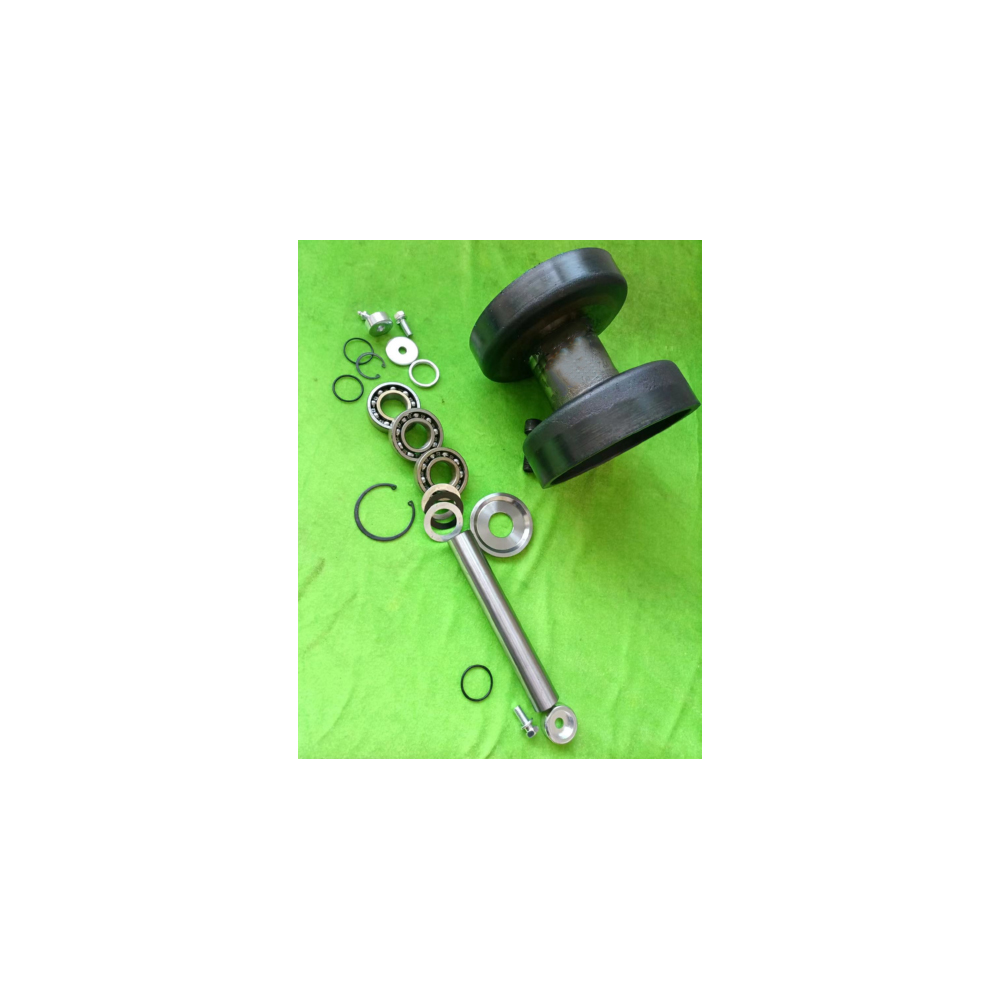
Conclusion
Though harvester and excavator rollers share a common purpose—supporting the undercarriage of tracked machines—their designs are driven by the drastically different requirements of their respective environments. Harvester rollers are optimized for stability and efficiency in soft, agricultural terrain, while excavator rollers are engineered for toughness and durability in construction and heavy industry. Understanding these differences is essential for choosing the right machinery and maintaining optimal performance in any field of work.
CXNOFIA is a well-know harvester parts supplier in China. Complete product range, quality guaranteed. Welcome to consult at any time!
Commonalities Between Harvester and Tractor Parts
How To Replace Pins And Bushings On Excavator?
Related Article