Feed Pellet Machine: Enhancing Livestock Nutrition and Farm Efficiency
In modern animal husbandry, feed processing plays a crucial role in improving livestock nutrition, optimizing feed conversion rates, and ensuring overall farm productivity. One essential piece of equipment in this process is the feed pellet machine. This device efficiently converts raw materials such as corn, soybean meal, and wheat bran into uniform, nutrient-rich pellets suitable for various livestock, including poultry, cattle, sheep, and fish.
This article will explore the key functions, benefits, applications, and selection criteria for feed pellet machines, helping farmers and feed manufacturers make informed decisions.
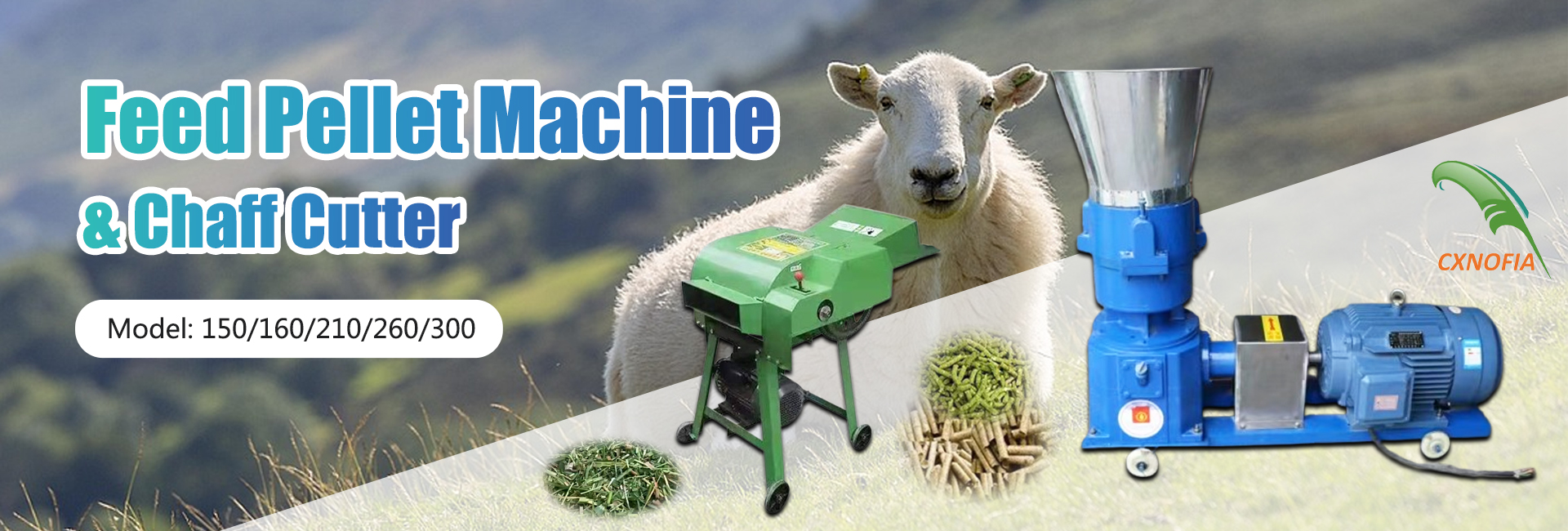
What is a Feed Pellet Machine?
A feed pellet machine is a specialized device used to compress mixed feed ingredients into dense, uniform pellets. It works by applying heat and mechanical pressure to bind the raw materials together, creating easily digestible and nutrient-packed feed for animals.
The basic process involves:
-
Grinding – Raw materials such as grains and protein sources are crushed into fine particles.
-
Mixing – Various ingredients are blended to create a balanced feed formula.
-
Pelletizing – The mixed feed is pushed through a rotating die under high pressure and temperature, forming cylindrical pellets.
-
Cooling & Drying – The hot, freshly-formed pellets are cooled and dried to maintain stability and prevent spoilage.
Advantages of Using a Feed Pellet Machine
The use of a feed pellet machine provides numerous benefits to farmers and feed producers:
-
Improved Feed Utilization – Pellets are more digestible and have a higher feed conversion rate, reducing waste.
-
Reduced Feed Wastage – Unlike loose feed, pellets minimize spillage and selective feeding, ensuring animals consume the full nutritional content.
-
Enhanced Animal Growth & Health – Properly formulated pellet feed promotes faster growth, better immunity, and improved livestock health.
-
Better Storage & Transport – Pellets are compact, reducing storage space requirements and making transport more efficient.
-
Cost Efficiency – Producing pellets on-site can lower feed costs compared to purchasing commercial pellet feed.
Types of Feed Pellet Machines
Feed pellet machines come in different types, each suited for specific production needs:
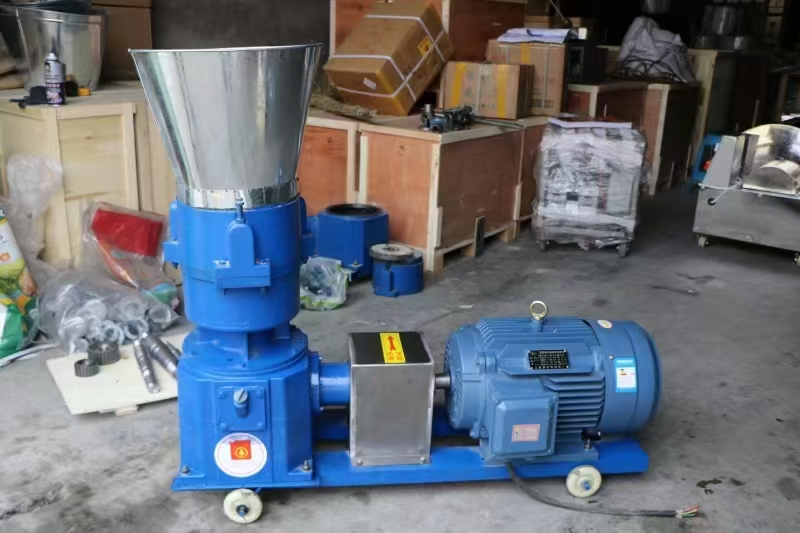
1. Flat Die Pellet Machine
-
Suitable for: Small-scale farms and home use
-
Features: Simple structure, easy operation, and low cost
-
Best for: Poultry, small livestock, and fish farms
2. Ring Die Pellet Machine
-
Suitable for: Large-scale feed production and commercial use
-
Features: High efficiency, continuous operation, and uniform pellet size
-
Best for: Large poultry, cattle, and aquaculture farms
3. Wet-Type vs. Dry-Type Machines
-
Wet-Type: Uses steam to pre-condition feed, improving digestibility (ideal for large operations)
-
Dry-Type: More cost-effective and suitable for small to medium-scale production
Applications of Feed Pellet Machines
Feed pellet machines are used across various sectors, including:
-
Poultry Farming – Producing balanced feed for chickens, ducks, and turkeys
-
Livestock Farming – Creating feed for cattle, sheep, pigs, and goats
-
Aquaculture – Producing floating or sinking fish feed pellets
-
Pet Food Manufacturing – Making specialized food for dogs, cats, and rabbits
-
Feed Mills – Large-scale feed production for commercial distribution
How to Choose the Right Feed Pellet Machine?
Selecting the best feed pellet machine depends on several factors:
-
Production Capacity – Determine the required output per hour or per day.
-
Raw Material Type – Consider the ingredients used in feed production (e.g., corn, grass, soybean meal).
-
Pellet Size – Choose a machine with the appropriate die size for the target livestock.
-
Power Source – Machines can be powered by electricity, diesel, or PTO (tractor-driven) based on farm infrastructure.
-
Automation Level – Fully automated machines reduce labor costs but require higher investment.
-
Durability & Maintenance – Opt for high-quality machines with wear-resistant components for long-term use.
Conclusion
Feed pellet machines are a game-changer in modern animal farming, providing an efficient, cost-effective, and sustainable way to produce high-quality animal feed. By converting raw ingredients into nutrient-dense pellets, farmers can improve feed efficiency, enhance livestock health, and increase overall profitability.
With various models available, from small-scale flat die machines to large commercial ring die systems, choosing the right feed pellet machine requires careful consideration of production needs, raw materials, and operational requirements. Investing in a reliable pelletizing system will ultimately lead to better farm management, higher feed quality, and increased agricultural productivity.
As the demand for high-quality livestock feed continues to grow, feed pellet machines will remain an essential tool for farmers and feed manufacturers worldwide.
CXNOFIA is a well-known agricultural machinery supplier in China. Complete product range, quality guaranteed. Welcome to consult at any time!
We have recently launched new feed pellet machine products, you are welcome to contact us at any time!
What Is A Bevel Gear Assembly Used For?
Maximizing Efficiency in Forestry: The Role of Wood Chippers
Related Article