Innovations in Corn Planters: Revolutionizing the Future of Farming
Innovations in Corn Planters: Revolutionizing the Future of Farming
Corn, one of the world’s most important staple crops, plays a vital role in global food security, livestock feed, and biofuel production. As farming practices evolve to meet the increasing demand for food and sustainable agricultural solutions, one critical area of innovation has been in planting technology. Corn planters, an essential piece of equipment on modern farms, are undergoing significant advancements, helping farmers achieve higher yields, better resource efficiency, and lower environmental impact. In this article, we explore the latest innovations in corn planters and their transformative effect on farming practices.
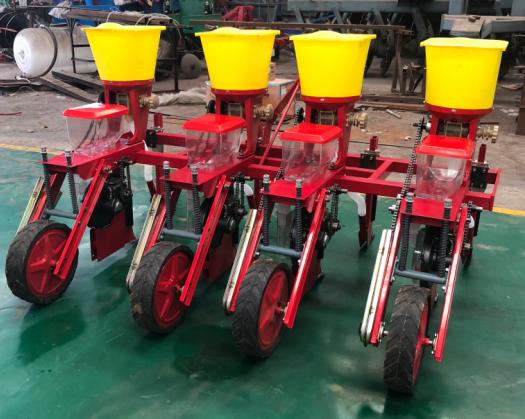
The Importance of Precision Planting
Corn planting is a highly specialized process, and precision is essential for maximizing yields. The accuracy of seed placement, depth, and spacing directly affects germination rates, plant growth, and the overall productivity of the crop. Traditionally, corn planters have been mechanical, relying on the operator's skill and a series of manual adjustments. However, as technology advances, precision planting systems have been integrated into modern planters, significantly improving planting efficiency and crop output.
With the introduction of GPS, sensors, and advanced data analytics, modern corn planters can now provide real-time feedback and make precise adjustments to planting depth, row spacing, and seed population, all while reducing seed waste. These technological innovations have revolutionized the way corn is planted, increasing efficiency and crop health while minimizing input costs.
Key Features of Modern Corn Planters
1. Variable Rate Technology (VRT)
One of the most groundbreaking advancements in corn planters is the implementation of Variable Rate Technology (VRT). VRT allows farmers to plant seeds at different rates across the field, depending on the soil’s fertility, moisture levels, and other environmental factors. This ensures that each part of the field receives the appropriate amount of seed, which maximizes crop yield potential while reducing seed wastage.
VRT is powered by field maps and real-time data collected from soil sensors and satellite imagery. By tailoring planting rates to the specific needs of each zone in a field, farmers can optimize their input costs and increase their profitability. For instance, in areas of the field with lower fertility, the planter may reduce the seeding rate, while in higher fertility zones, it may increase the seed rate to take advantage of the richer soil conditions.
2. Auto-Depth Control
Another innovative feature is the auto-depth control system, which ensures that corn seeds are planted at the optimal depth for uniform germination. Traditional planters rely on manual adjustments for depth control, which can lead to inconsistency in seed placement, especially when soil conditions vary across the field. With auto-depth control, the planter automatically adjusts the planting depth as it moves through the field, based on real-time feedback from the soil.
This system uses sensors to detect the soil’s texture, moisture content, and compaction levels, ensuring that each seed is placed in the ideal environment for germination. This reduces the risk of seedling stress and helps maximize early-season growth, resulting in stronger and healthier plants.
3. Intelligent Seed Spacing and Singulation
Proper seed spacing is crucial for optimal corn growth, as overcrowded plants can lead to competition for nutrients, water, and sunlight, while too much spacing can result in underutilization of available soil. Modern corn planters use intelligent seed spacing and singulation technology to ensure that seeds are evenly spaced across the row and planted at the correct distance from one another.
Seed singulation refers to the process of planting one seed at a time, without doubles or skips. Planters equipped with precision seed metering systems can achieve near-perfect seed singulation, ensuring that each seed is planted at the correct depth and spacing. This not only enhances crop yield but also promotes even growth and development, as each plant has access to the nutrients and space it needs to thrive.
4. Advanced Monitoring and Data Analytics
One of the most significant innovations in modern corn planters is the integration of advanced monitoring and data analytics. Sensors embedded within the planter provide real-time data on planting performance, including seed depth, spacing, and singulation accuracy. This data is transmitted to the farmer’s mobile device or central control system, allowing them to make adjustments on the fly.
By continuously monitoring planter performance, farmers can identify potential issues early on, such as seed delivery problems or uneven planting depth. This helps prevent costly mistakes that could negatively impact crop yields. Additionally, the data collected during planting can be used for future planning, helping farmers optimize their planting strategies and improve decision-making in subsequent seasons.
5. Reduced Compaction and Soil Disturbance
Soil compaction is a major issue that can limit root development, water infiltration, and overall crop health. To address this, many modern corn planters are designed with reduced compaction features. For example, some planters use larger, specialized wheels or airbag suspension systems to distribute weight more evenly across the soil, minimizing the risk of compaction.
Furthermore, planters with advanced soil-seeding systems ensure that minimal soil disturbance occurs during planting. This promotes better soil structure and preserves the integrity of soil moisture and nutrient levels. By reducing soil disturbance, farmers can improve the long-term health of their soil and enhance crop yields year after year.
The Role of Automation and AI in Corn Planting
As the agriculture industry embraces digitalization, automation, and artificial intelligence (AI) are playing an increasingly prominent role in the planting process. Many modern corn planters are now equipped with autonomous features that enable them to operate without constant human intervention. These planters can follow predefined paths across the field, adjusting planting rates, depth, and spacing based on real-time environmental conditions.
AI-powered systems allow the planter to make autonomous decisions in the field based on the data it collects. For example, if the planter detects areas of the field with uneven moisture levels, it can adjust seed placement accordingly. AI systems can also analyze historical data to predict the best planting strategies for different weather conditions and soil types, providing farmers with actionable insights to improve their farming practices.
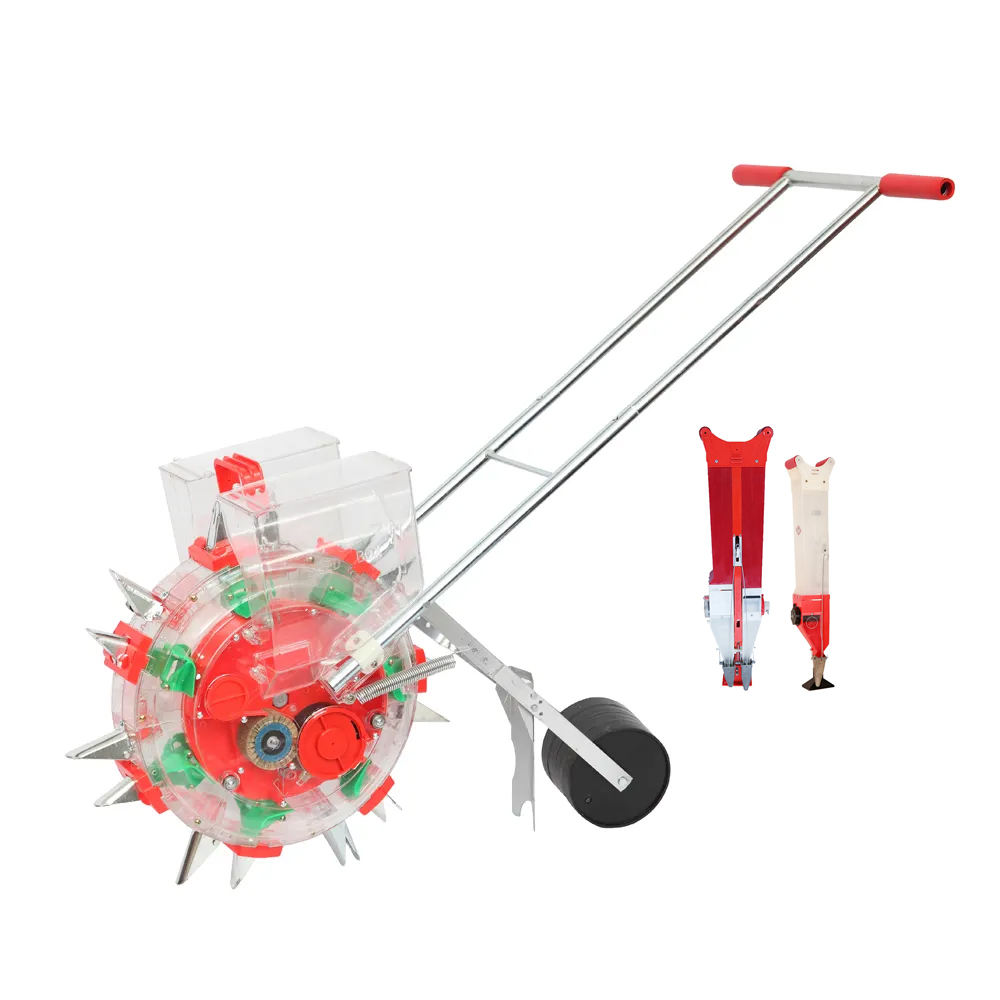
Environmental Benefits of Modern Corn Planters
The environmental impact of modern corn planters cannot be overstated. By optimizing seed placement and minimizing waste, farmers can significantly reduce their environmental footprint. Precision planting helps conserve resources such as water, fertilizers, and pesticides, reducing the overall input costs and minimizing chemical runoff into the surrounding environment.
Moreover, the reduction in seed waste and the ability to plant at the ideal depth and spacing results in healthier crops that are more resilient to pests and diseases. This can reduce the need for chemical treatments, leading to a more sustainable and eco-friendly approach to corn farming.
Conclusion
The innovations in corn planters are transforming the agricultural landscape, enabling farmers to plant more efficiently, increase crop yields, and minimize environmental impact. With technologies like variable rate planting, auto-depth control, seed singulation, and advanced data analytics, modern corn planters offer unprecedented precision and efficiency. As AI and automation continue to advance, the future of corn planting will likely see even more sophisticated and autonomous systems that will further revolutionize the way we grow this vital crop.
As the agricultural industry embraces these cutting-edge technologies, farmers will be better equipped to face the challenges of modern farming, ensuring that they can meet the growing global demand for corn and other essential crops in an increasingly sustainable and efficient manner.
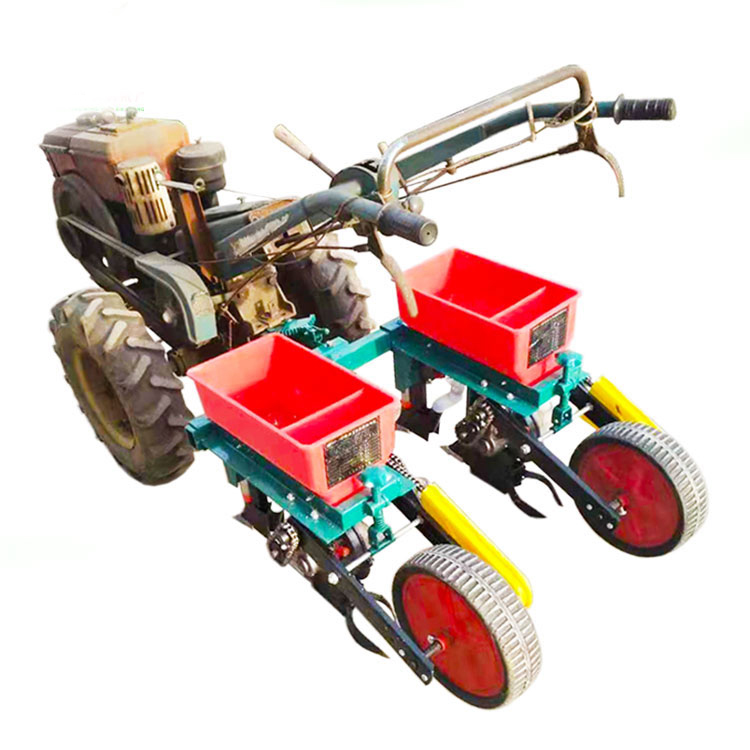
CXNOFIA is a well-known Tractor Implements supplier in China. Complete product range, quality guaranteed. Welcome to consult at any time!
The Growing Use of Hand-Pushed and Tractor-Mounted Corn Planters
Is It Worth Fixing A Sun Shaft Seal?
Related Article