Key Wear Parts of Harvesters: Ensuring Smooth Agricultural Operations
Key Wear Parts of Harvesters: Ensuring Smooth Agricultural Operations
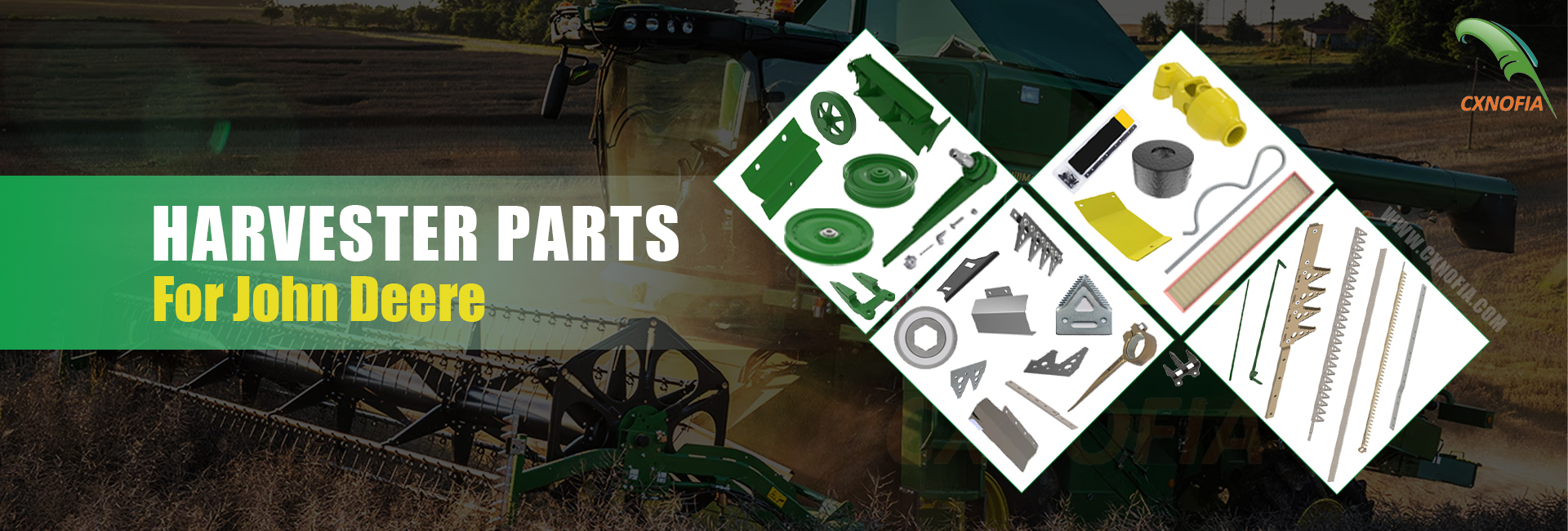
As global agriculture continues to modernize, harvesters have become an indispensable tool in modern farming operations. Whether it's a small farm or a large-scale agricultural enterprise, harvesters play a critical role in increasing harvesting efficiency and reducing labor costs. However, these complex machines operate in harsh environments, often working in fields filled with dust, dirt, and crop residues. Continuous operation, friction, and vibration significantly accelerate wear and tear on many of the harvester's components, particularly on its key wear parts. In this article, we will explore the types of wear parts commonly found in harvesters, their importance, and how regular maintenance can ensure optimal performance and longevity of these machines.
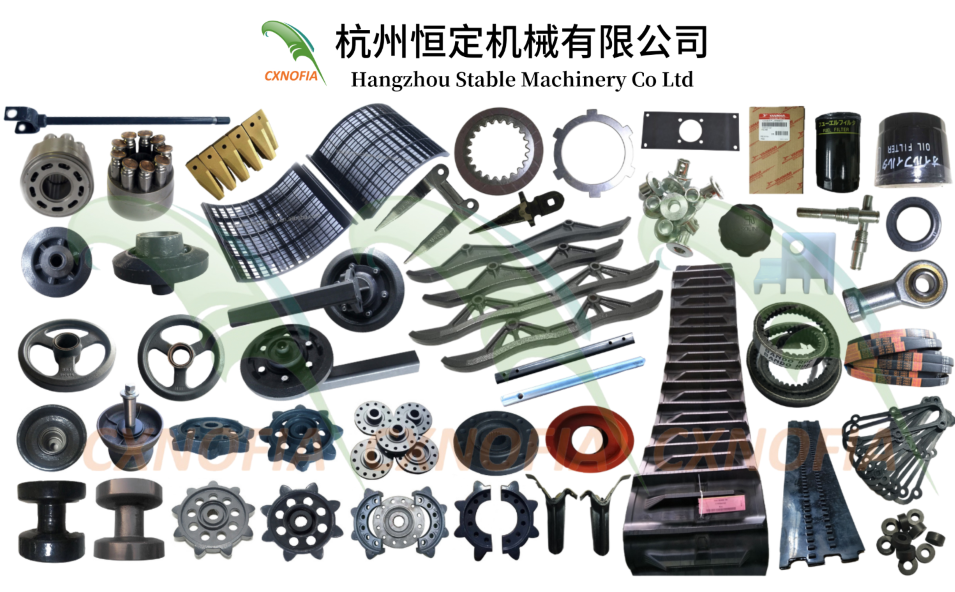
1. Types of Wear Parts in Harvesters
1.1. Cutter Blades
Cutter blades are the components that come into direct contact with crops, cutting through the stalks of rice, wheat, and other crops. Due to the high-frequency friction with plant materials and frequent collisions with hard objects like stones or roots, cutter blades are among the most quickly worn-out parts of a harvester. Dull or damaged blades can slow down the harvesting process and result in incomplete cuts, which ultimately affects the quality of the harvest.
1.2. Cutter Bar Bearings
The cutter bar bearings support the movement of the cutter blades, enabling smooth rotational motion. Continuous high-speed operation can cause these bearings to wear out, leading to overheating or even seizure. When the bearings wear down, they create increased friction, which can affect the stability of the cutter blades and reduce the overall efficiency of the harvester.
1.3. Drive Belts
Drive belts are critical to the harvester’s power transmission system, transferring energy from the engine to various functional components. Over time, belts stretch, wear down, or become brittle due to high-load operation. A worn or loose belt compromises power transmission, leading to decreased operational efficiency or even complete machine failure.
1.4. Chains and Sprockets
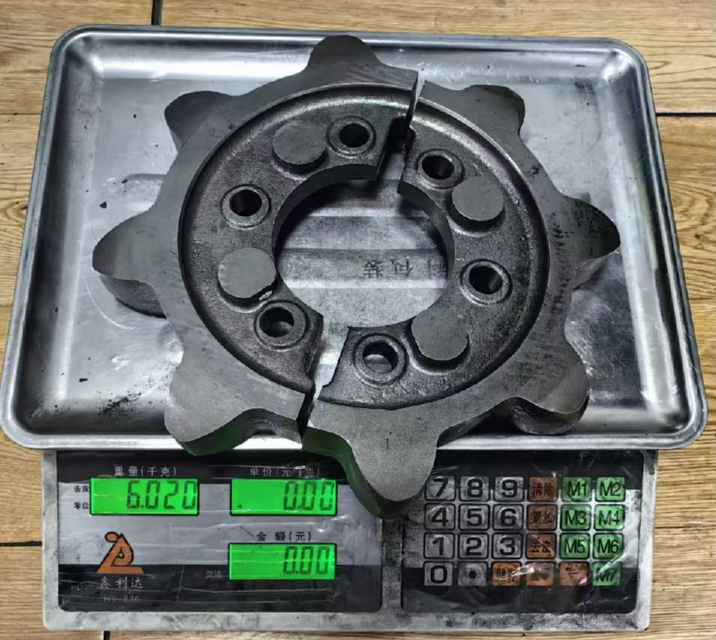
Chains and sprockets play an essential role in the transmission and movement systems of the harvester, especially in the feeding and threshing stages. With continuous heavy-duty usage, chains may elongate and sprocket teeth can wear down, reducing transmission efficiency and increasing the risk of chain slippage or breakage. This wear can disrupt the harvester's overall performance.
1.5. Screens
Screens are used in the cleaning system to separate grains from debris such as soil, stones, and plant residues. After extended use, the screens can become worn, deformed, or clogged by debris. Worn screens reduce the effectiveness of separation, allowing larger impurities to mix with the harvested grain, which affects the quality of the final product.
1.6. Threshing Drum
The threshing drum is responsible for separating grains from stalks by rotating at high speeds. Over time, continuous friction with crops wears down the drum surface, which can lead to inefficient threshing. A worn threshing drum may fail to completely separate the grain from the stalk, increasing harvest losses.
1.7. Cleaning Fans
Cleaning fans help remove debris from the harvested grain by blowing away lighter materials. Over time, the fan blades may become worn or deformed due to constant high-speed rotation. When the fan is damaged, its ability to effectively clean the grain diminishes, resulting in poor-quality yields.
1.8. Roller Bearings
Roller bearings support the rotational movement of various harvester components, ensuring smooth and efficient operation. Due to high-speed, heavy-duty work in tough field conditions, roller bearings are prone to wear and tear. Worn-out bearings can lead to mechanical issues, causing the machine to operate less smoothly and increasing the risk of breakdowns.
1.9. Conveyor Belts and Augers
Conveyor belts and augers are responsible for transporting harvested crops from one part of the machine to another. Continuous exposure to crop material and friction causes wear on the conveyor surface, potentially leading to cracks or breaks. Likewise, auger blades may wear down over time, reducing the efficiency of crop movement within the harvester.
1.10. Seals (Oil Seals, O-Rings, etc.)
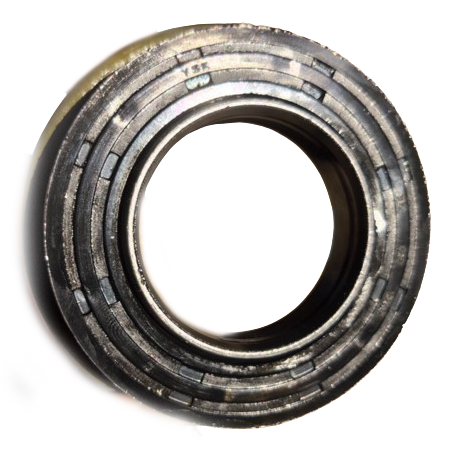
Seals, including oil seals and O-rings, are used to prevent leaks of lubricating oils and other fluids in the harvester. Exposure to high temperatures, vibration, and continuous operation can cause these seals to deteriorate, leading to oil leaks and insufficient lubrication, which in turn accelerates wear on other key components.
2. Importance of Wear Parts and Maintenance
Although wear parts are small, they play an essential role in the efficient and reliable operation of a harvester. Failure to monitor and replace these parts in a timely manner can lead to reduced efficiency and even serious mechanical failure. Regular maintenance of wear parts is crucial to keeping the harvester running smoothly throughout the harvest season.
Maintenance Tips:
- Regular Inspections: Before each harvesting season, conduct thorough inspections of key wear parts such as cutter blades, bearings, and drive belts to detect any signs of damage or wear.
- Lubrication and Cleaning: Regularly lubricate chains, bearings, and other moving parts to minimize friction and wear. Keep screens and conveyors clean to prevent debris buildup.
- Timely Replacement: When wear parts show signs of significant wear or damage, they should be replaced promptly to avoid further damage to other components and prevent costly machine breakdowns.
- Use High-Quality Parts: Investing in high-quality wear parts can extend the service life of the harvester, reduce the frequency of part replacements, and ensure higher operational efficiency.
3. Conclusion
The wear parts of a harvester may seem minor, but they are vital to the machine's performance and operational stability. Regular inspection, timely replacement, and proper maintenance of these parts can ensure that the harvester operates at peak efficiency, minimizing downtime and maximizing productivity. By paying close attention to these critical components, farmers can avoid costly repairs, reduce operational risks, and ensure a successful harvest season.
CXNOFIA is a well-know harvester & tractor parts supplier in China. Complete product range, quality guaranteed. Welcome to consult at any time!
Common Wear Parts of Tractor Accessories: A Critical Component for Agricultural Efficiency
Why Is Lower Radiator Hose Larger?
Related Article