Maximizing Efficiency in Forestry: The Role of Wood Chippers
Maximizing Efficiency in Forestry: The Role of Wood Chippers
As global demand for sustainable forestry management grows, the importance of efficient wood processing equipment has never been higher. Among the most crucial machines in this sector is the forestry wood chipper, a device designed to reduce branches, limbs, and other wood debris into small, manageable chips. These machines not only enhance operational efficiency but also contribute to environmental sustainability by promoting the reuse of wood waste.
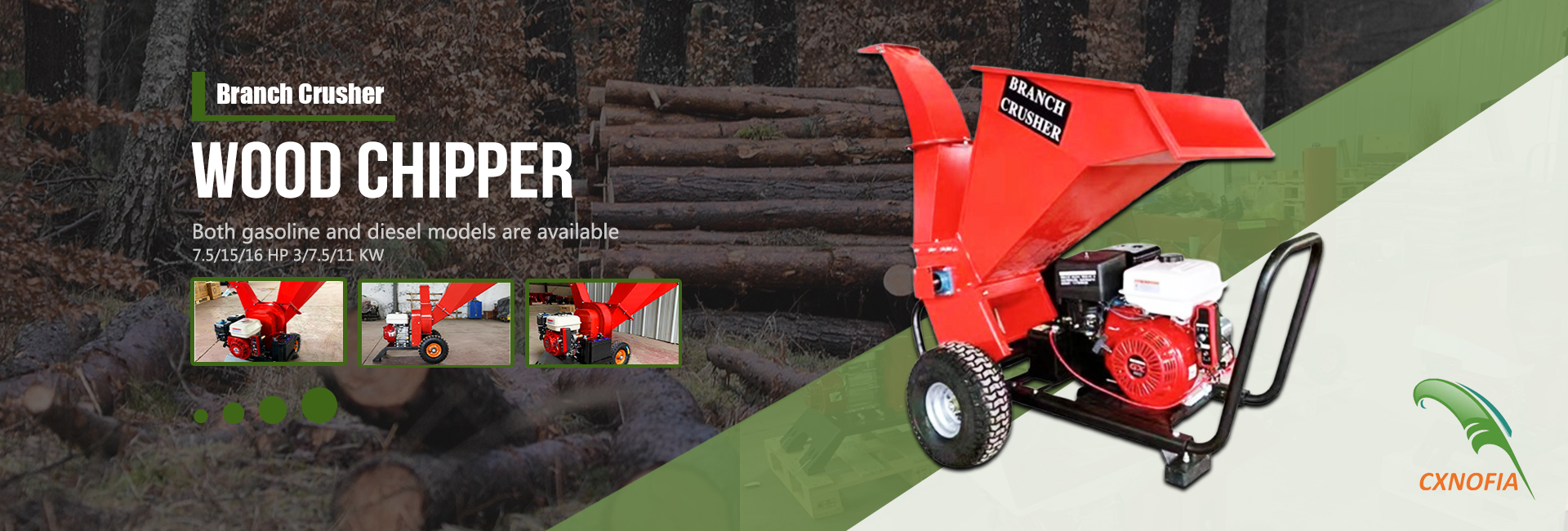
Understanding the Role of Forestry Wood Chippers
Wood chippers are indispensable in forestry operations, landscaping, and biomass energy production. These machines transform tree branches, logs, and wood scraps into chips that can be used for mulching, composting, biofuel, and even paper production. With various models available in the market, choosing the right wood chipper can significantly improve productivity and reduce waste disposal costs.
Key Features to Look for in a Wood Chipper
When selecting a wood chipper, several factors must be considered to ensure optimal performance:
-
Engine Power & Efficiency
-
The power of a wood chipper determines its ability to handle different types of wood. Gasoline, diesel, and PTO-driven chippers offer various levels of efficiency depending on operational needs.
-
-
Chipping Capacity
-
Different machines are designed for different diameters of wood. Choosing a chipper that aligns with the size of wood typically processed is essential for efficiency.
-
-
Blade Quality & Durability
-
High-quality steel blades improve chipping performance and longevity. Regular sharpening and maintenance ensure consistent output.
-
-
Mobility & Portability
-
Towable chippers are ideal for large forestry projects, while stationary chippers are better suited for sawmills and fixed locations.
-
-
Safety Features
-
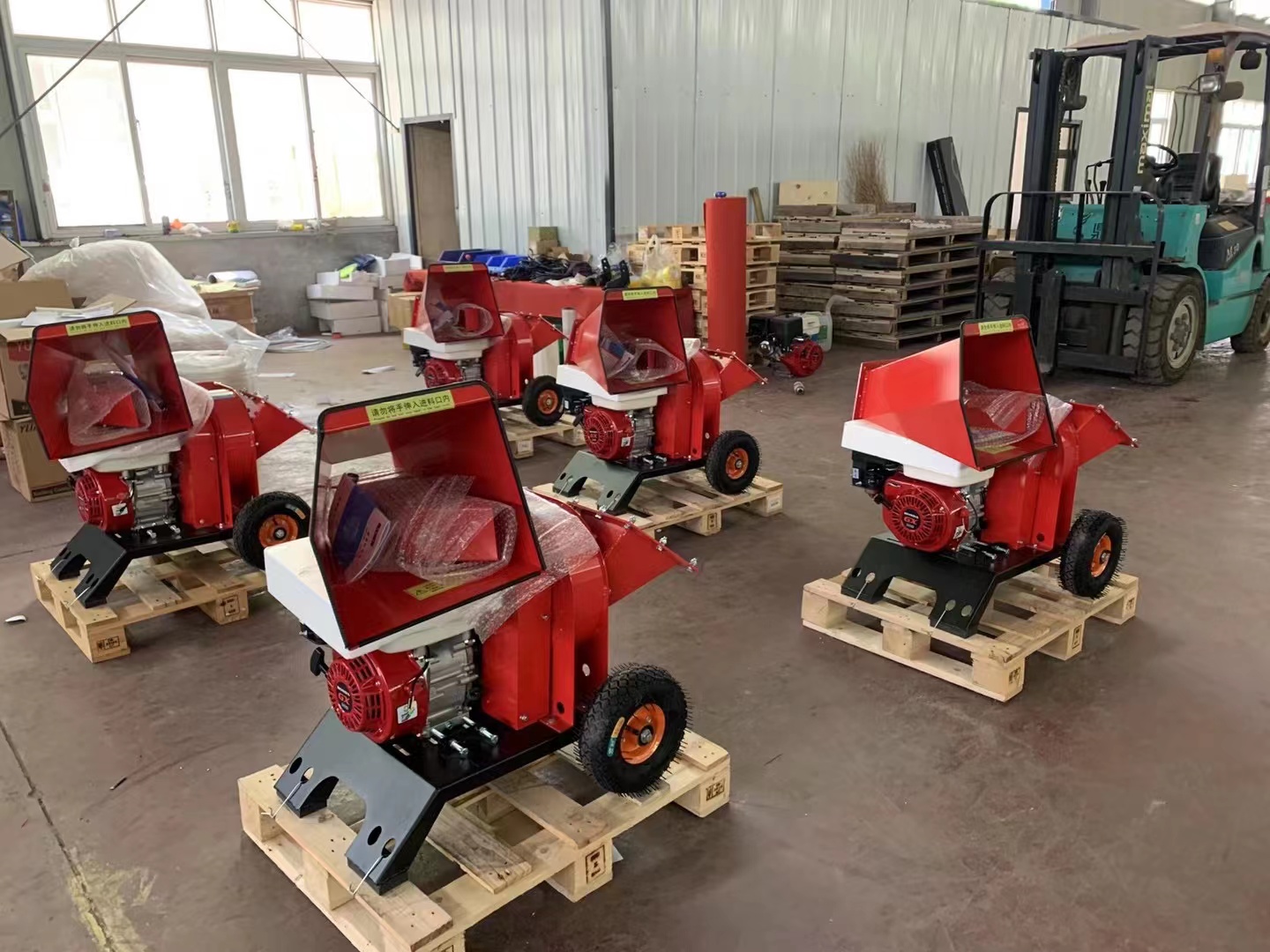
Advanced safety measures such as emergency stop buttons, auto-feed systems, and operator shields ensure safe and efficient operat
-
Applications of Forestry Wood Chippers
-
Land Clearing & Forestry Management
-
Large-scale forestry operations rely on wood chippers to clear out excess branches and logs after harvesting. This ensures a clean environment and reduces fire hazards.
-
-
Agricultural & Landscaping Use
-
Farmers and landscapers use wood chippers to create mulch and compost, which improve soil fertility and moisture retention.
-
-
Biomass Energy Production
-
Chipped wood is a primary source of renewable biomass energy, used in power plants to generate electricity or as a heating fuel alternative.
-
-
Waste Reduction & Recycling
-
Instead of burning or discarding tree debris, wood chippers allow for eco-friendly recycling and repurposing of wood materials.
-
Choosing the Right Wood Chipper for Your Business
Whether you are in forestry, agriculture, or biomass energy production, investing in a high-quality wood chipper can significantly enhance your operational efficiency. It is crucial to evaluate the scale of your operations, the types of wood you process, and budget considerations before making a purchase.
At Hengding, we offer a wide range of durable and efficient wood chippers tailored to meet the needs of various industries. Our machines are designed with cutting-edge technology, ensuring high performance, durability, and safety. Contact us today to find the best solution for your business!
Conclusion The forestry wood chipper plays an essential role in sustainable wood processing, helping businesses reduce waste, enhance productivity, and contribute to environmental conservation. With continuous advancements in technology, wood chippers are becoming more efficient, making them a valuable investment for anyone in the forestry, landscaping, or biomass energy sectors. By choosing the right machine, businesses can optimize their operations and support a greener future.

CXNOFIA is a well-known agricultural machinery supplier in China. Complete product range, quality guaranteed. Welcome to consult at any time!
We have recently launched new wood chipper products, you are welcome to contact us at any time!
Feed Pellet Machine: Enhancing Livestock Nutrition and Farm Efficiency
When Should I Replace My Excavator Drive Sprocket?
Related Article