Universal Gearbox Systems in Modern Agriculture
2026-03-10
The modern farm is a complex ecosystem of equipment engineered to maximize productivity while minimizing operator fatigue and maintenance costs. Among the critical components that enable tractors to perform soil preparation, residue management, and tillage are gearboxes for agricultural machinery — especially systems used with tractor beaters, rotary tillers, and other PTO-driven implements.
At the junction of mechanical power output and soil working force lies the agricultural tractor gearbox, an engineered unit that translates the rotational energy from the tractor's power take off (PTO) to the specific speeds and torque required by the implement. Whether powering a rotary tiller for deep seedbed preparation or driving a beater for crop residue management, the universal gearbox is both a mechanical mediator and a performance enhancer.
Agricultural Tractor Gearbox Fundamentals: Power, Torque, and PTO Integration
What Is an Agricultural PTO Universal Gearbox?
A universal gearbox for agricultural machinery functions as the mechanical intermediary between the tractor's PTO and an implement's operating components. The tractor's engine produces rotational power, typically delivered at a standardized 540 or 1000 RPM via the PTO shaft. That rotational energy cannot always be used directly by every implement — different agricultural tasks demand varying torque and speed characteristics.
A gearbox for agricultural machinery adjusts those inputs, converting PTO power into usable output that meets the torque and speed requirements of the attached devices — such as a rotary tiller's blade assembly or the rotor of a tractor beater. In essence, it repurposes raw PTO output into a configuration optimized for a specific agricultural task. This core function serves as the backbone of PTO-driven agricultural systems.
Key Mechanical Principles Behind Gearbox Operation
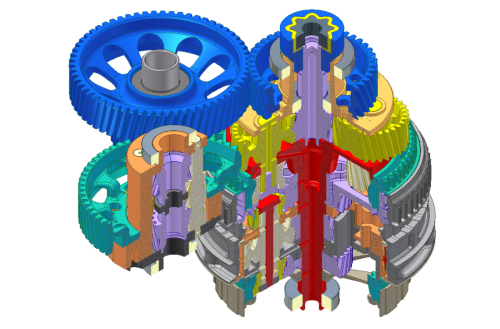
Most universal agricultural tractor gearboxes encompass several mechanical elements designed to control torque and speed:
Input Shaft: Connects directly to the tractor's PTO, receiving rotational input.
Gear Set / Reduction System: Often uses spiral bevel, helical, or spur gears to reduce speed and increase torque.
Output Shaft: Drives the implement's mechanical components (e.g., tiller blades).
Housing and Bearings: Support load paths and protect internal components from dust, moisture, and impact.
Seals and Lubrication: Maintain oil within gear chambers and protect internal surfaces.
In many rotary tillers, gearboxes are mounted so that the high speed, low torque input is reshaped into a lower-speed, higher-torque output — ideal for turning the blades through challenging soil. A agricultural tractor gearbox designed for a tractor beater or PTO applicator must deliver consistent torque through rotational components that endure the heavy loads of chopping or crushing plant residue.
Standard Power Ranges and Compatibility
Today's agricultural PTO gearboxes are designed to match a range of tractor power outputs across global markets. Typical designs accommodate tractors from as low as 15 HP up to well over 100 HP, with different gearbox ratios tailored to implement demands. This creates flexibility for farmers to use a single general gearbox on multiple implements or choose models tailored for specific tasks like heavy tillage or light cultivation.
How Rotational Power Is Redirected: From Tractor PTO to Soil
Tractor Beaters and PTO Gearbox Interface
Tractor beaters — commonly used to manage crop residues, mulch, and surface debris — rely on a gearbox configuration that can handle cyclical loads and torque variations while maintaining rotational stability. The universal gearbox in this context must adapt the continuous rotational power from the PTO into the irregular mechanical demands of high-impact beater blades. This requires robust gear design, high-quality bearings, and precision alignment between the tractor's driveline and the implement's rotor.
Failure to properly match PTO speed and torque to the rotors can lead to excessive wear, vibrations, or premature gearbox failure. Many advanced agricultural gearbox manufacturers design systems with careful balance between gear ratios, lubrication channels, and structural rigidity to mitigate these risks.
The Rotary Tiller Gearbox: Torque, Speed Reduction, and Soil Interaction
One of the most insightful examples of universal gearbox application is found in rotary tillers — implements used to prepare seedbeds, aerate soil, incorporate residues, and condition surface layers. In a rotary tiller gearbox:
The PTO input (often at 540 RPM) is reduced via internal gear sets to an output speed appropriate for tiller blades.
Torque increases significantly, enabling the blades to cut through varying soil conditions, from sandy loam to compacted clay.
Gearboxes are typically designed with sealed housings and heavy-duty bearings due to the extreme environmental exposure encountered during tillage.
A high performance rotary tiller gearbox effectively balances output torque and speed so that tiller blades operate efficiently without imposing too much stress on the tractor driveline.
Universal PTO Gearbox Design for Versatile Agricultural Tasks
While specific gearboxes are optimized for individual tasks, the universal PTO gearbox concept is rooted in adaptability — one design capable of integrating with multiple implements. In practice, this means:
Matching standard PTO input speeds (540 or 1000 RPM).
Offering output configurations that interface with different driveshaft dimensions and spline types.
Providing versatile gear ratios to address soil variability and implement requirements.
Incorporating robust sealing and lubrication management to withstand dust, moisture, and prolonged field use.
This adaptability also means that agricultural gearbox manufacturers often produce a range of variants built on a common platform, lowering costs and increasing interchangeability for distributors and end users.
The Broader Industry: Selecting Gearboxes, Manufacturers, and Quality Criteria
What B2B Buyers Look for in Agricultural Gearbox Manufacturers
For OEMs, distributors, and serious equipment buyers sourcing a gearbox for agricultural machinery, performance reliability sits at the top of the priority list. Industry stakeholders typically evaluate suppliers based on:
Engineering design robustness: gear profiles, heat treatment, and gear finish quality.
Precision manufacturing standards: tight tolerances reduce noise, increase efficiency, and extend service life.
Sealing and protection: gearboxes for agricultural use must withstand dust, grit, moisture, and shock loads.
Serviceability: accessibility of inspection ports, ease of lubrication changes, and modular design for repairs.
Global support and replacement parts availability.
These criteria converge in the larger ecosystem of agricultural gearbox manufacturers supported by global trade, aftermarket services, and OEM partnerships.
In many cases, supplier partners work with implement manufacturers to align design parameters with specific agricultural tasks, whether for tillage, spraying, mowing, or specialty jobs. A gearbox that fits multiple functions yet remains optimized for reliability provides significant value in fleet operations.
Material and Quality Benchmarks in Gearbox Production
Universal gearboxes must balance mechanical strength against field realities. Common industry practices include:
Heat treated alloy gears: enhance hardness and wear resistance under cyclical loads.
Precision ground gear surfaces: ensure smoother torque transfer and less noise.
Heavy duty housings: high-strength cast iron or alloy steel protects internal components.
Seals and breathers: maintain lubrication integrity and prevent contamination ingress.
Bearings with high radial and axial load capacity: support consistent output under varying soil resistance.
CXNOFIA's Position in the Agricultural Gearbox Landscape
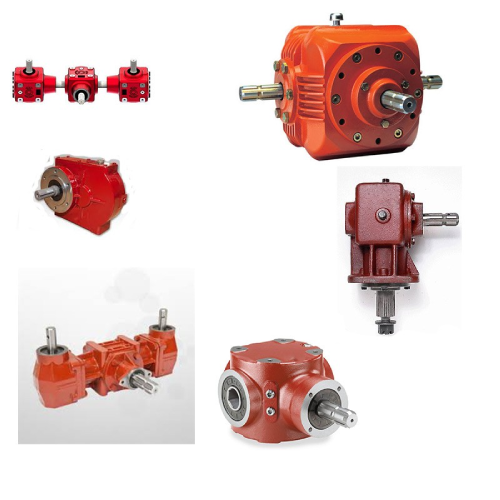
While the broader industry includes many reputable agricultural gearbox manufacturers, CXNOFIA provides a range of PTO-driven universal gearbox assemblies engineered to support rotary tillers, beaters, and related agricultural machinery. Products designed and specified by CXNOFIA reflect attention to precision manufacturing, material quality, and applicability to diverse power ranges — enabling compatibility with a broad spectrum of tractor PTO systems.
This equips distributors and equipment users with a agricultural tractor gearbox that not only delivers reliable power transmission but also aligns with the torque and speed requirements of modern agricultural tasks.
Operational Challenges, Maintenance Best Practices, and Field Performance
Common Field Issues with Universal Gearbox Systems
Even the best agricultural tractor gearbox can encounter challenges if unmatched with implement demands or improperly maintained. Some common operational issues include:
Overloading: applying a gearbox beyond its rated torque capacity leads to gear wear, overheating, and possible failure.
Improper lubrication: contaminated oil or inadequate lubrication increases friction and risk of accelerated wear.
Mismatch with PTO profile: incorrect shaft compatibility or spline misalignment can induce vibration and bearing damage.
Environmental stress: dust, moisture, and debris ingress can degrade seals and bearings over time.
Incorrect gear ratio selection: if the gearbox doesn't provide appropriate reduction or speed balance, implements operate inefficiently.
Effective resolution of these issues begins with proper selection, installation, and regular inspection practices.
Maintenance Protocols for Longevity
To ensure consistent performance of PTO gearboxes in agricultural settings:
Establish lubrication schedules: change gear oil at manufacturer-recommended intervals and inspect for metal particles.
Inspect seals and housings regularly: look for signs of oil leakage, seal wear, or housing cracks.
Monitor bearing condition: unusual noise or vibration during operation may indicate bearing distress.
Test alignment: proper alignment between tractor PTO and implement gearbox minimizes side loads and stresses.
Match gear ratios to task requirements: use appropriate gearboxes for soil type, implement load, and power output.
Regular servicing not only extends gearbox life but also preserves implement efficiency, reducing fuel consumption and operational time.
Field Performance Considerations
Successful gearbox integration optimizes field operations by:
Increasing torque at tiller blades for deep soil penetration.
Maintaining consistent rotational speed under load.
Reducing tractor strain and improving fuel efficiency.
Enhancing operator confidence with predictable performance.
These benefits help farms of all sizes — from smallholder operations to large commercial agriculture — to achieve better soil conditioning, residue management, and overall operational throughput.
Frequently Asked Questions — Agricultural Gearboxes and PTO Systems
Q1: What differentiates a standard agricultural gearbox from a universal PTO gearbox?
A: A universal PTO gearbox is designed to interface directly with a tractor's standardized PTO output and adapt that power to multiple implements via gear reduction and torque management. A standard agricultural gearbox may refer more broadly to drivetrain gearboxes in machinery not directly linked to a PTO-driven implement.
Q2: How do agricultural gearbox manufacturers ensure compatibility with multiple tractor models?
A: Leading manufacturers design input shafts and spline profiles to match common global standards (e.g., 1-3/8″ or 1-3/4″ PTO), offer multiple gear ratio options, and provide modular mounting interfaces to accommodate diverse tractor and implement configurations.
Q3: Why is proper lubrication important for a gearbox for agricultural machinery?
A: Adequate lubrication minimizes friction between gears and bearings, reduces wear, prevents overheating, and protects internal components from corrosion and contamination. Regular oil changes and inspections are essential.
Q4: Can a universal gearbox handle multiple tasks such as tilling and beater operations?
A: Yes — universal gearboxes are engineered to adapt tractor PTO output to several agricultural tasks. However, selecting the appropriate gearbox ratio, torque rating, and housing design for each specific application is key to reliable performance.
Q5: What are the most common failure modes in agricultural PTO gearboxes?
A: Typical issues include bearing wear, gear tooth fatigue under overload, seal breach leading to lubricant loss, and misalignment between PTO and gearbox shafts.
Affordable John Deere Combine Harvester Parts Supplier with OEM and Aftermarket Options
Navigating China's Agricultural PTO Gearbox Manufacturing Landscape
Related Article
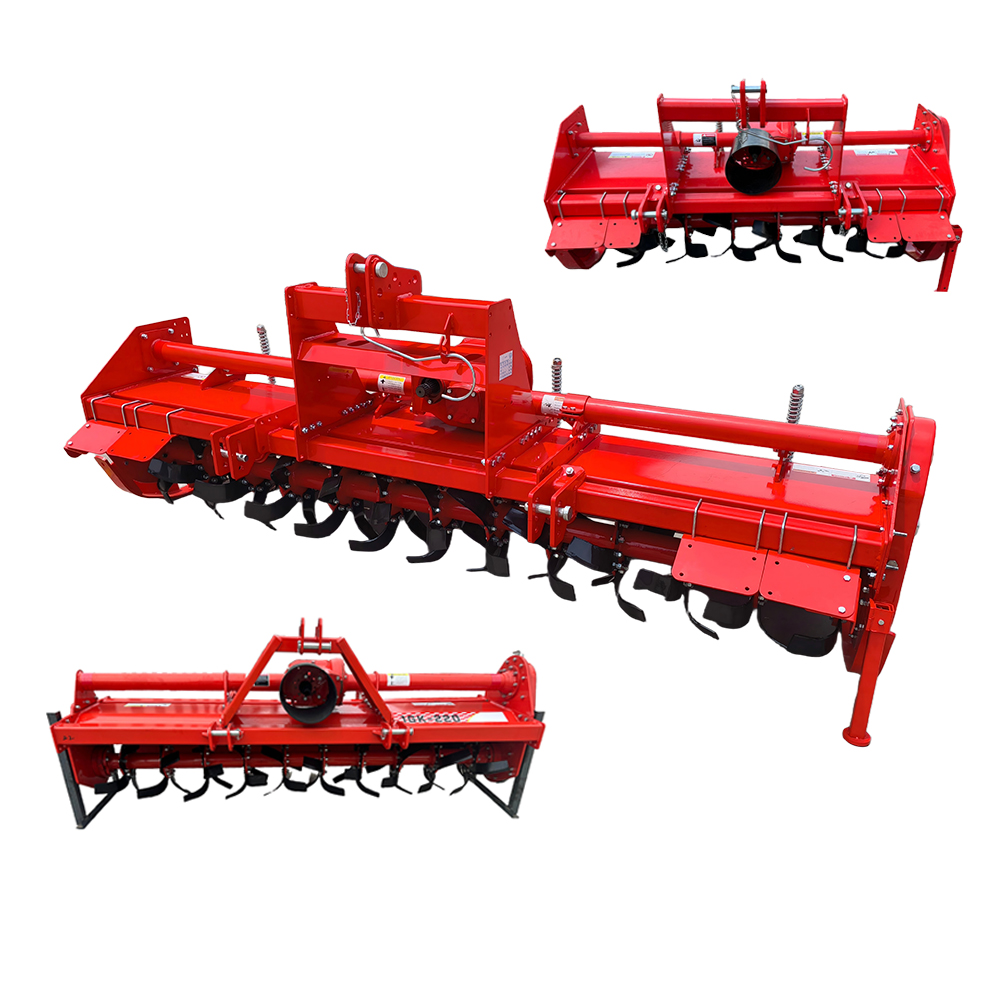
Explore MASCHIO-type rotary tillers from CXNOFIA, including 1MB, 1MC and 1GK series with 35–220 HP applications and 120–360 cm working widths.
MASCHIO-Type Rotary Tiller: 1MB, 1MC & 1GK Series Guide
Explore the complete rice transplanter spare parts list for Kubota, Yanmar and ISEKI machines. Learn which replacement parts wear out most frequently, what dealers should keep in stock, and how CXNOFIA provides one-stop agricultural machinery spare parts solutions worldwide.
Complete Rice Transplanter Spare Parts List: Top Replacement Parts for Kubota, Yanmar & ISEKI Machines