What Is A Rotary Tiller For A Tractor?
Introduction to Rotary Tillers
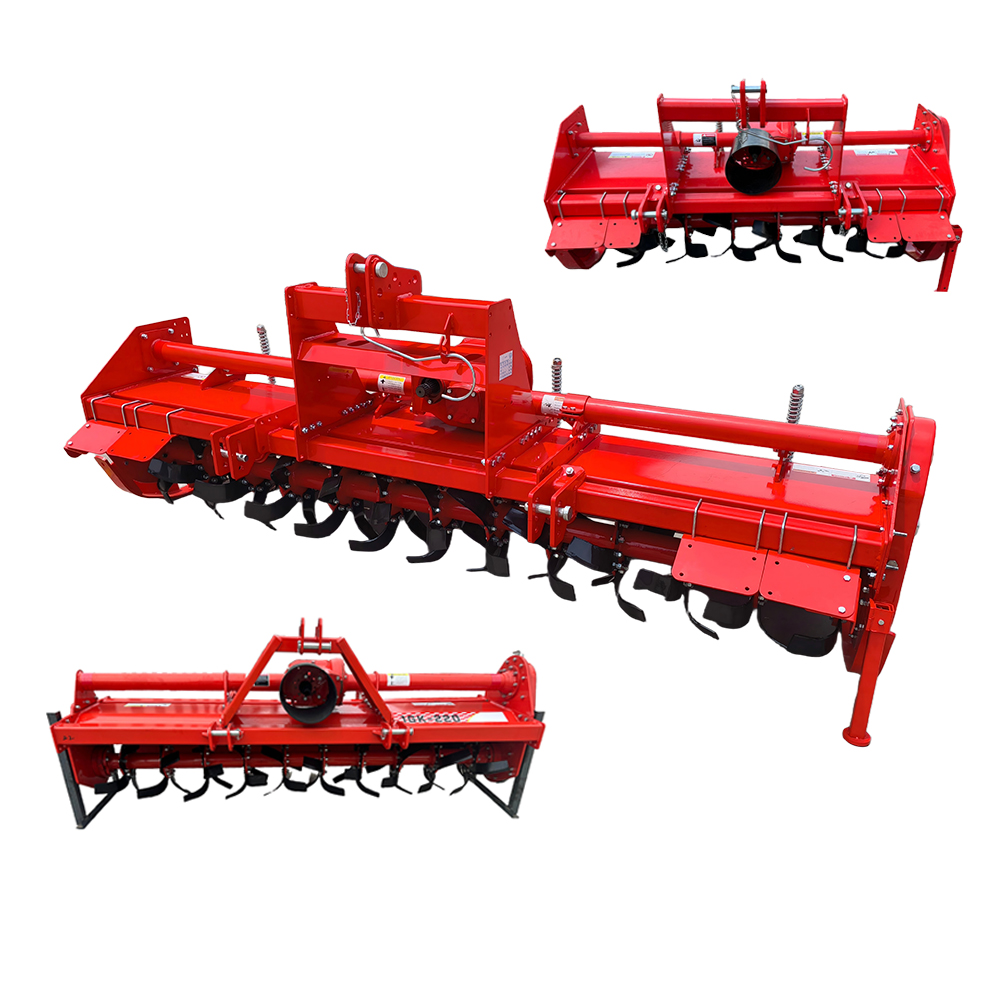
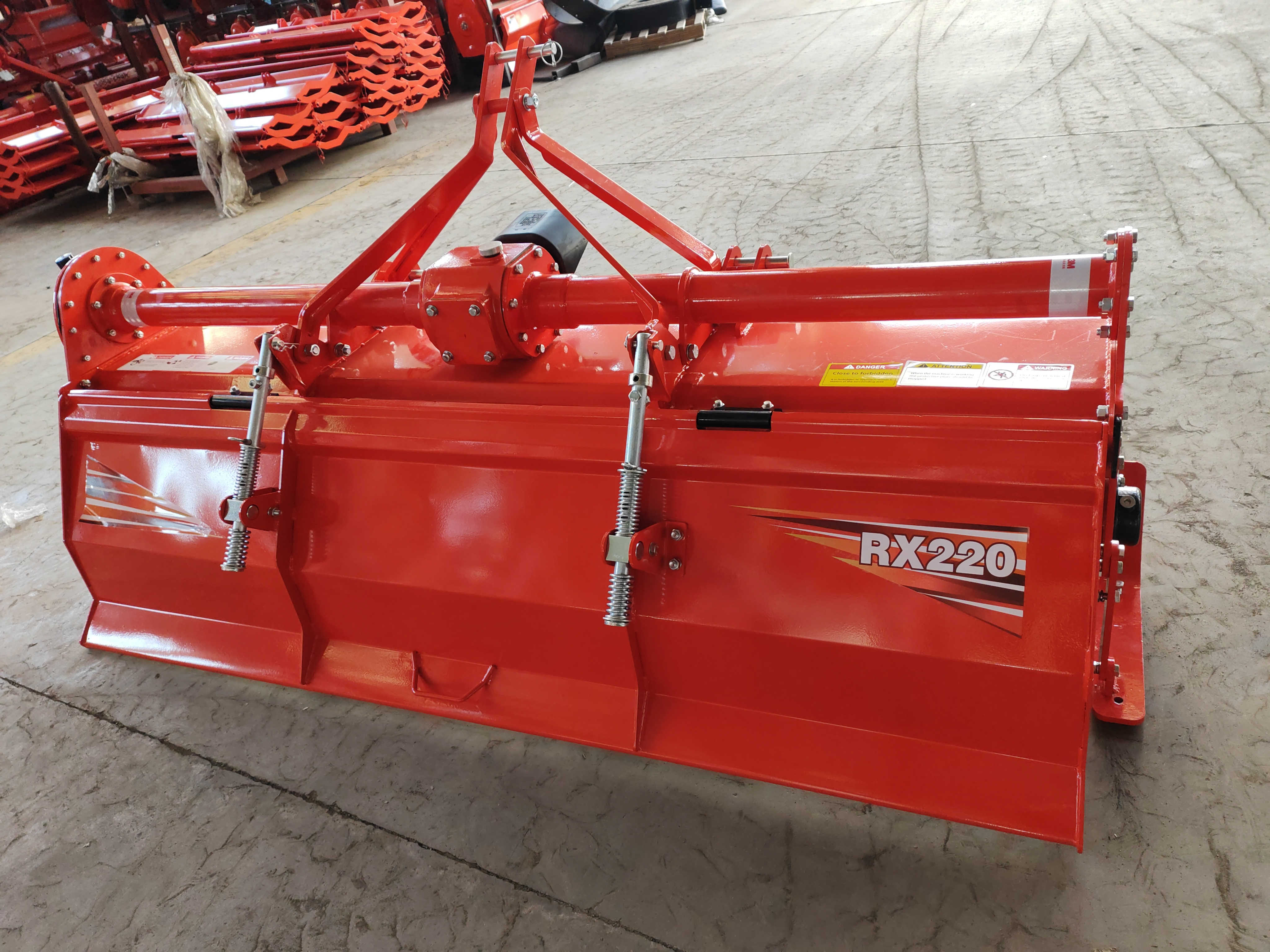
Rotary tillers, also known as rotavators, are essential agricultural tools designed to prepare soil for planting. They are equipped with rotating blades or tines that turn the soil, breaking it up and mixing it to create a fine, even seedbed. This process not only helps in soil aeration but also aids in the incorporation of organic matter and nutrients, making the soil more fertile and ready for crops.
The Function and Types of Rotary Tillers
Function
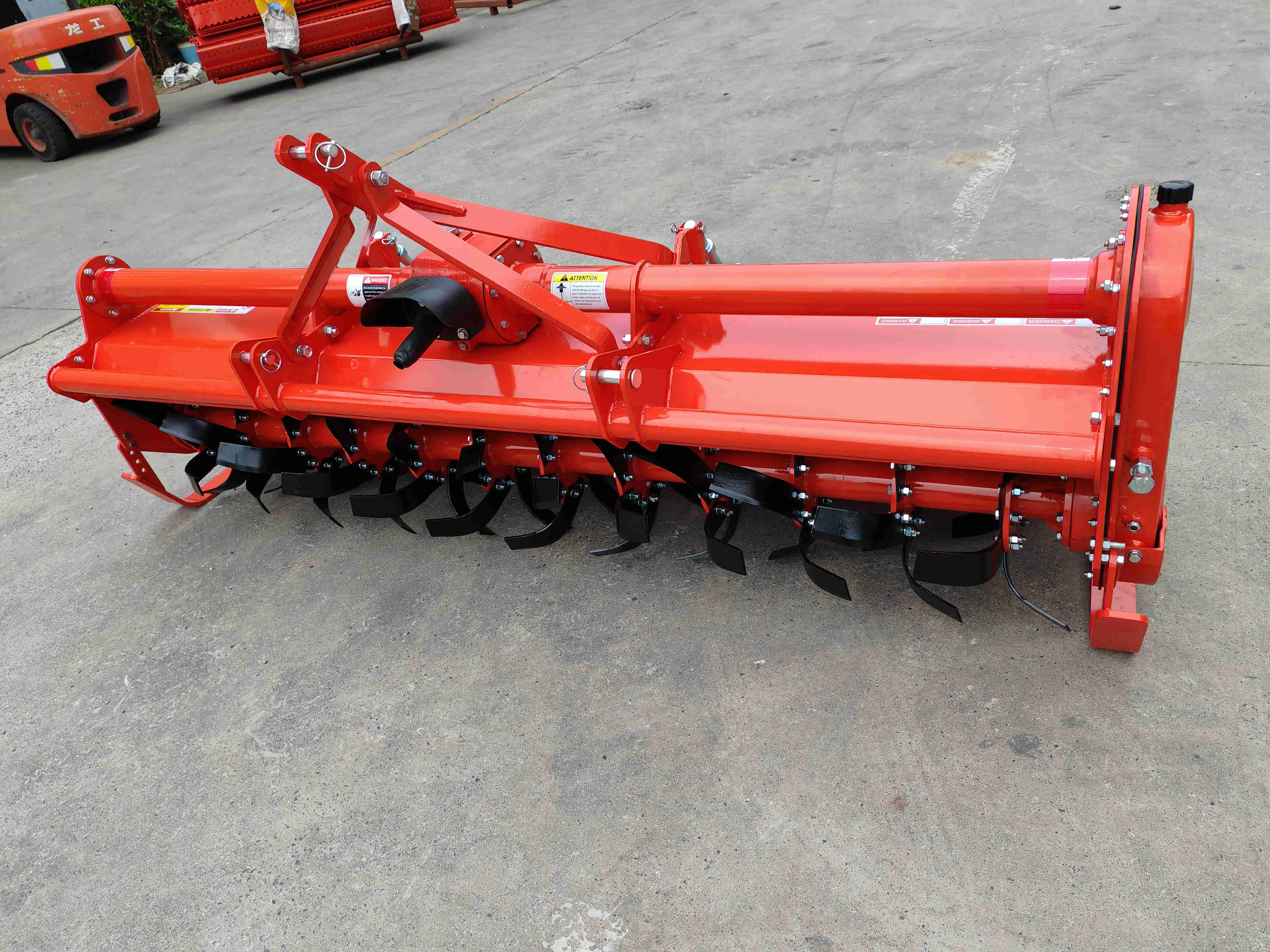
The primary function of a rotary tiller is to till the soil. It achieves this through the rotating action of its blades, which are mounted on a horizontal shaft. When the tiller is powered on, these blades spin rapidly, cutting through the soil and turning it over. This action helps in breaking up clods, eliminating weeds, and mixing in any added compost or fertilizers.
Types
Rotary tillers come in various sizes and designs, catering to different types of agricultural needs:
- Walk-Behind Tillers: These are small, manually operated tillers suitable for home gardens and small plots of land. They are lightweight and easy to maneuver.
- Tractor-Mounted Tillers: These are larger and more powerful tillers that are attached to the back of a tractor. They are suitable for large-scale farming operations and can cover extensive areas more efficiently.
- Front-Tine Tillers: The tines are located in front of the engine, making them more agile and suitable for lighter tasks.
- Rear-Tine Tillers: The tines are located behind the engine, providing more power and better control for heavy-duty tilling tasks.
Relationship Between Rotary Tillers and Tractors
Attachment and Power Source
Rotary tillers are often used in conjunction with tractors, especially for large-scale farming operations. The tiller is attached to the tractor's power take-off (PTO) shaft, which provides the necessary power to rotate the tines. This setup allows for efficient and effective soil tilling over large areas.
Benefits of Tractor-Mounted Tillers
- Efficiency: Tractor-mounted tillers can cover large fields quickly and efficiently, reducing the time and labor required for soil preparation.
- Power: The use of a tractor's PTO provides ample power to the tiller, allowing it to handle tough soils and large clods with ease.
- Versatility: These tillers can be adjusted to different depths and widths, making them suitable for various types of crops and soil conditions.
Required Horsepower for Rotary Tillers
The size and type of rotary tiller determine the amount of horsepower needed from the tractor. Generally, the required horsepower is proportional to the width and depth of the tiller. Here are some general guidelines:
- Small Tillers (3-5 feet): These tillers typically require tractors with 20-50 horsepower. They are suitable for small farms, gardens, and light-duty tasks.
- Medium Tillers (5-7 feet): These tillers require tractors with 50-100 horsepower. They are ideal for medium-sized farms and more intensive soil preparation tasks.
- Large Tillers (7-10 feet and above): These tillers need tractors with 100-150 horsepower or more. They are used for large-scale farming operations and can handle the most demanding soil conditions.
Factors Influencing Horsepower Requirements
- Soil Type: Hard, compacted soils require more power to till effectively compared to soft, sandy soils.
- Tilling Depth: Deeper tilling requires more power. Adjusting the tilling depth can help manage the power needs.
- Tine Speed and Configuration: The speed at which the tines rotate and their configuration can also affect the power requirements. Faster speeds and more aggressive tine configurations will need more horsepower.
Advantages of Using Rotary Tillers
- Improved Soil Structure: Rotary tillers break up compacted soil, improving its structure and making it easier for roots to penetrate.
- Weed Control: The tilling action of the blades helps in uprooting weeds, reducing competition for nutrients with crops.
- Enhanced Aeration: Tilling introduces air into the soil, which is essential for root growth and the activity of beneficial microorganisms.
- Incorporation of Amendments: Rotary tillers mix in compost, fertilizers, and other soil amendments uniformly, ensuring even distribution of nutrients.
Considerations for Choosing a Rotary Tiller
- Size of the Land: The size of the area to be tilled will determine the width and type of tiller required. Larger areas benefit from wider, tractor-mounted tillers.
- Soil Conditions: Understanding the soil type and condition is crucial for selecting the appropriate tiller. Hard, rocky soils may need more robust and powerful tillers.
- Tractor Compatibility: Ensure that the tiller is compatible with the tractor's horsepower and PTO specifications.
- Depth and Width Adjustability: Look for tillers that offer adjustable tilling depths and widths to cater to different crops and soil conditions.
- Maintenance and Durability: Choose tillers made from durable materials and ensure they are easy to maintain. Regular maintenance is essential to keep the tiller in good working condition.
Conclusion
Rotary tillers are indispensable tools in modern agriculture, providing efficient and effective soil preparation. Their relationship with tractors enhances their functionality, allowing farmers to cover large areas with ease. When selecting a rotary tiller, it is essential to consider the size of the land, soil conditions, and the tractor's capabilities to ensure optimal performance. With the right tiller, farmers can achieve better soil health, increased crop yields, and more efficient farming operations.
Explore our extensive selection of tractor parts for Kubota and JD, including tractor implements. CXNOFIA is a well-known tractor parts supplier in China. Complete product range, quality guaranteed.
How to Pick the Right Mini Excavator Rubber Track 1
What Is A Tractor Shaft?
Related Article