What Is A Tractor Shaft?
Introduction
In the realm of agricultural machinery, the tractor is an indispensable tool. A tractor's performance, efficiency, and longevity depend heavily on its various components, among which shafts play a pivotal role. Shafts are integral to the tractor's power transmission, steering, and overall functionality. This article provides a detailed overview of the different types of shafts used in tractors, their functions, and their importance in the tractor's operation.
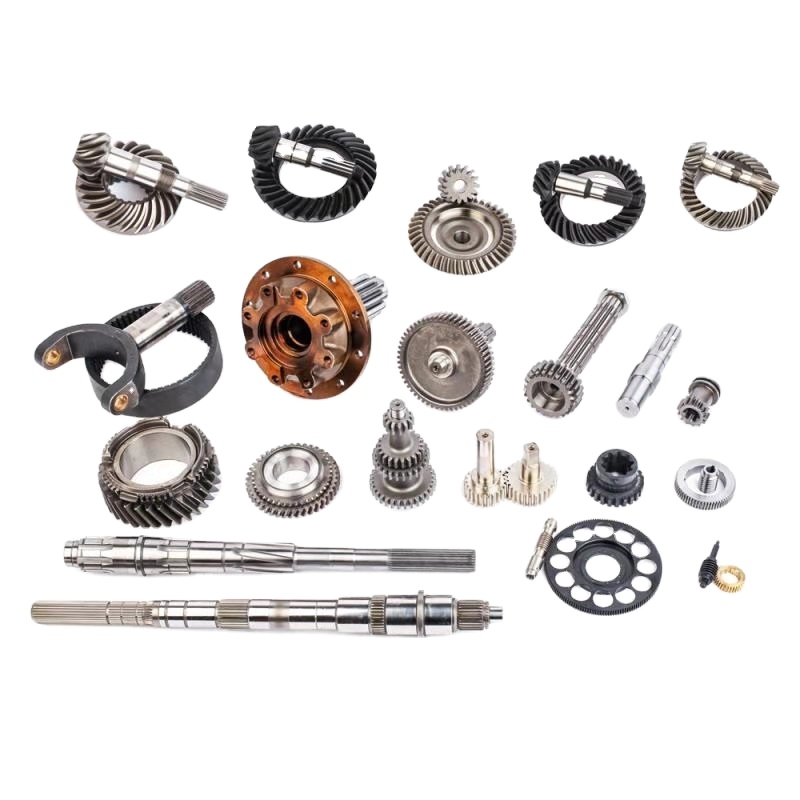
Types of Shafts in Tractors
- Drive Shaft
The drive shaft, also known as the propeller shaft, is crucial for transmitting power from the tractor's engine to the rear wheels. This shaft typically consists of several connected parts, including universal joints and sliding splines, allowing for flexibility and movement while maintaining power transfer. Drive shafts are essential for the tractor's mobility and overall performance.
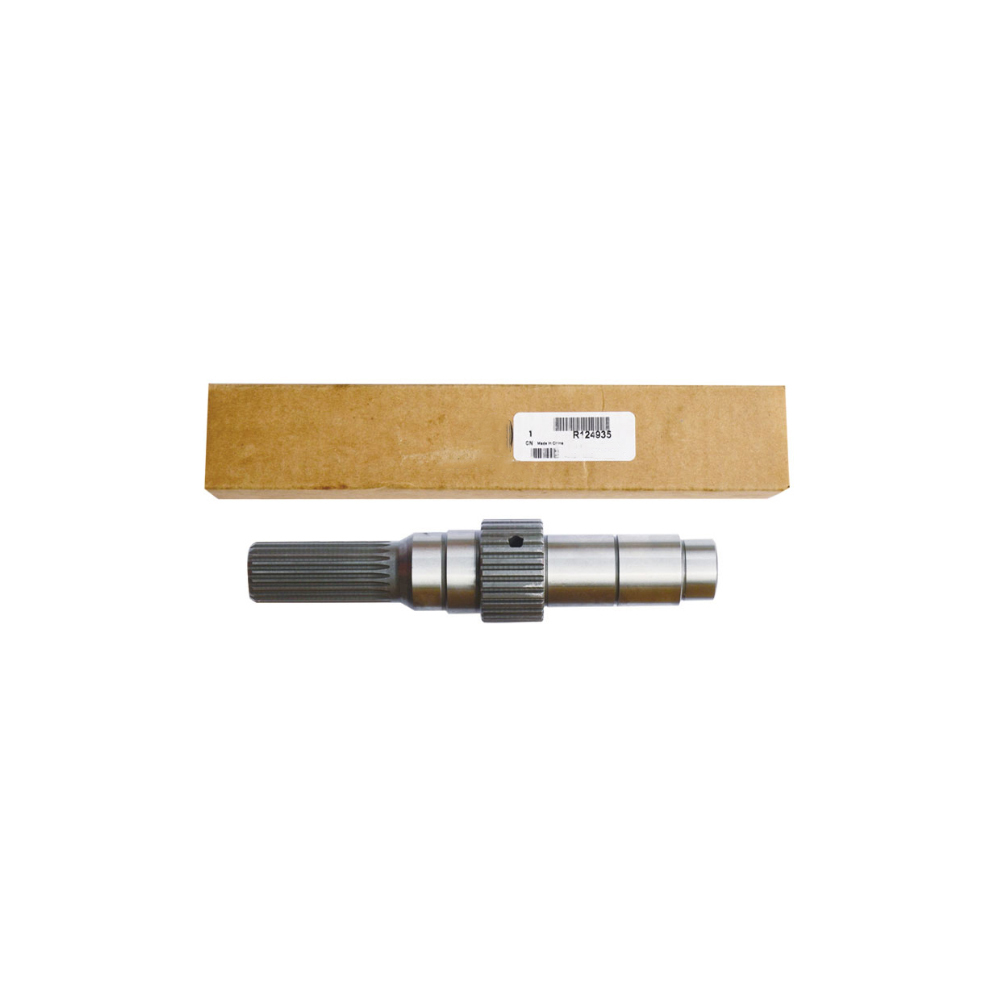
- Crankshaft
Located within the engine, the crankshaft converts the linear motion of the pistons into rotational motion. This conversion is fundamental to the tractor's ability to generate power. The crankshaft is connected to the flywheel and is responsible for the smooth operation of the engine, ensuring efficient power delivery.
- Camshaft
The camshaft controls the opening and closing of the engine's valves. It is synchronized with the crankshaft via a timing belt or chain. By ensuring that the valves open and close at the right times, the camshaft optimizes the engine's efficiency and performance.
- Power Take-Off (PTO) Shaft
The PTO shaft is designed to transfer power from the tractor to attached implements such as mowers, balers, or tillers. This shaft is critical for the versatility of the tractor, allowing it to perform a wide range of agricultural tasks. PTO shafts come in various sizes and configurations to match different implements.
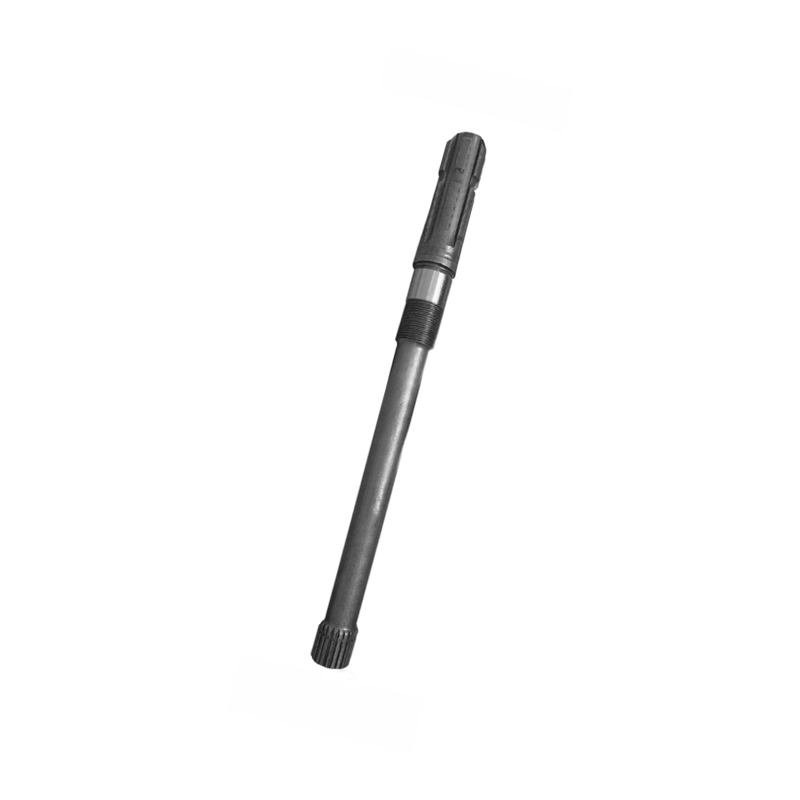
- Input Shaft
The input shaft transfers power from the clutch to the transmission. It is essential for the smooth engagement and disengagement of gears, allowing the tractor to operate at different speeds and perform various tasks effectively.
- Differential Shaft
Located in the drive axle, the differential shaft distributes power to the tractor's wheels. This shaft is key to the tractor's ability to navigate different terrains and maintain traction, particularly in challenging conditions.
- Universal Joint Shaft
Universal joint shafts connect various parts of the drive train, allowing for the transmission of power at varying angles. These shafts provide flexibility and ensure that power is effectively delivered even when the tractor operates on uneven terrain.
- Steering Shaft
The steering shaft connects the steering wheel to the steering mechanism. This shaft is crucial for the tractor's maneuverability, allowing the operator to control the direction of the tractor accurately and efficiently.
- Suspension Shaft
The suspension shaft, part of the tractor's suspension system, connects the wheels to the chassis. It provides support and absorbs shocks, ensuring a smoother ride and protecting the tractor's components from damage.
- Clutch Shaft
The clutch shaft connects the clutch plate to the transmission. It plays a vital role in engaging and disengaging the engine from the transmission, allowing the operator to change gears and control the tractor's speed.
- Front Axle Shaft
In four-wheel-drive tractors, the front axle shaft transfers power to the front wheels. This shaft enhances the tractor's traction and stability, particularly when operating on slippery or uneven surfaces.
- Rear Axle Shaft
The rear axle shaft transfers power from the differential to the rear wheels. It is essential for the tractor's propulsion and is designed to withstand heavy loads and continuous operation.
- Hydraulic Pump Shaft
The hydraulic pump shaft drives the hydraulic pump, which powers the tractor's hydraulic system. This system is used for lifting, lowering, and adjusting various implements and attachments, making the tractor more versatile and efficient.
Importance of Shafts in Tractors
Shafts are fundamental to the operation of a tractor. They ensure the efficient transmission of power from the engine to the wheels and other components. The design and quality of these shafts directly impact the tractor's performance, reliability, and lifespan.
- Power Transmission
Shafts are responsible for transmitting power from the engine to the transmission, wheels, and various implements. Efficient power transmission is crucial for the tractor's ability to perform tasks such as plowing, tilling, and hauling.
- Operational Efficiency
The proper functioning of shafts ensures that the tractor operates smoothly and efficiently. For example, the crankshaft and camshaft work together to optimize engine performance, while the PTO shaft enables the use of different implements.
- Versatility
Shafts like the PTO and hydraulic pump shaft enhance the tractor's versatility by allowing it to operate various attachments and implements. This versatility makes the tractor a valuable tool for multiple agricultural applications.
- Durability
High-quality shafts are designed to withstand the rigors of agricultural work. They are built to handle heavy loads, high speeds, and continuous operation, ensuring the tractor's longevity and reliability.
Maintenance and Care
Regular maintenance of the tractor's shafts is essential to prevent wear and tear and ensure optimal performance. Operators should routinely inspect shafts for signs of damage, lubricate moving parts, and replace worn-out components as needed. Proper maintenance can extend the lifespan of the shafts and the tractor as a whole.
Conclusion
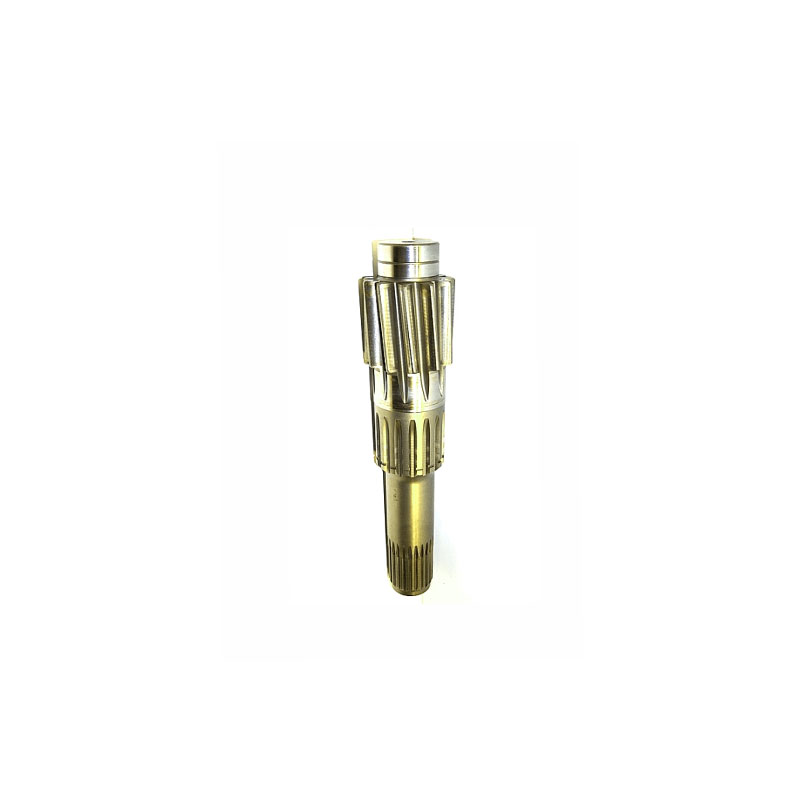
Shafts are integral components of a tractor, playing crucial roles in power transmission, operational efficiency, and versatility. Understanding the different types of shafts and their functions can help operators and technicians maintain and optimize the performance of their tractors. By ensuring the proper care and maintenance of these shafts, farmers can maximize the efficiency and lifespan of their agricultural machinery.
What Is A Rotary Tiller For A Tractor?
What Is The Difference Between Oil Filter And Hydraulic Filter For Tractors?
Related Article