Is There Any Advantage Of Using A 3 Point Cultivator?
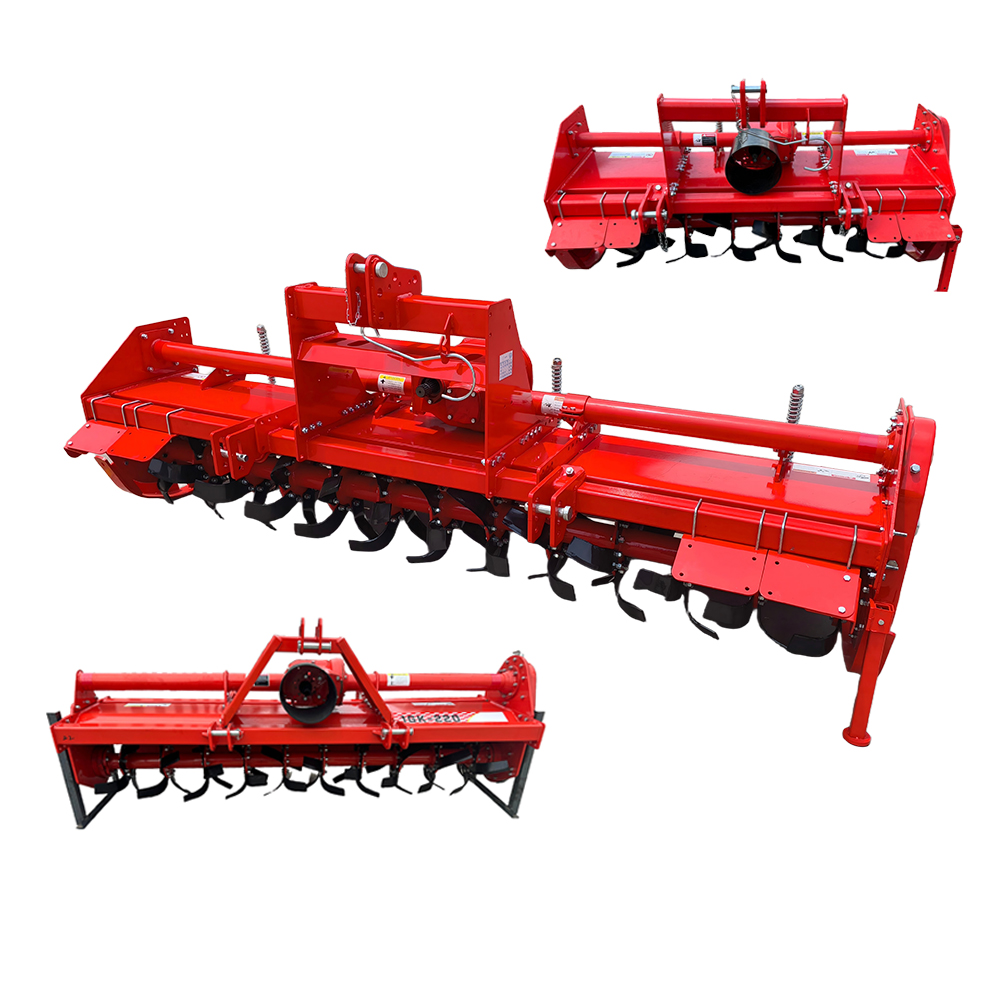
When it comes to efficient soil preparation in agriculture and large scale gardening, the tools you choose can significantly impact both productivity and long term soil health. Among the most reliable and widely used implements in modern farming is the 3 point cultivator. But what exactly sets it apart from other tillage tools like the rotary tiller 3 point or a standard 3 point hitch tiller for tractor?
Understanding the 3 Point Cultivator: How It Works and Why It's Built That Way
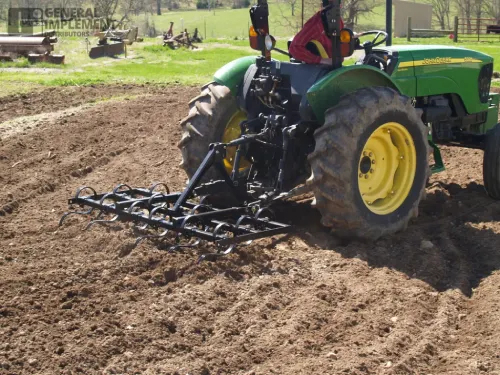
The term 3 point cultivator refers to a type of agricultural implement that attaches to a tractor via the three-point hitch system — a standardized coupling method developed by Harry Ferguson in the 1920s. This system uses two lower arms and one upper (top link) to securely connect machinery to the tractor, allowing for precise control over depth, angle, and stability during operation.
Unlike traditional hand tools or even front-tine tillers, a 3 point cultivator tractor setup leverages the full hydraulic and mechanical power of the tractor. This enables consistent soil penetration, especially in compacted or clay-heavy fields. The three-point linkage allows for depth adjustment via the tractor's hydraulic system, meaning operators can fine-tune tillage depth on the go without stopping work.
One key advantage of this design is weight distribution. Because the cultivator is mounted directly to the tractor's frame, the implement's weight is partially supported by the tractor itself, reducing ground pressure and minimizing soil compaction — a critical factor in sustainable farming. This contrasts with tow-behind models, which can create ruts and uneven compaction, especially in wet conditions.
CXNOFIA's engineering approach emphasizes balanced weight distribution and durable steel construction in their 3-point implements, ensuring longevity and consistent performance across various soil types — a principle that underscores the reliability of well-designed 3 point hitch tiller for tractor systems.
Comparing a 3 Point Cultivator vs. Rotary Tiller 3 Point: Key Functional Differences
It's easy to confuse a 3 point cultivator with a rotary tiller 3 point, but they serve different purposes and operate on distinct mechanical principles.
A rotary tiller 3 point typically features a horizontal drum equipped with curved tines that rotate at high speed, aggressively chopping and mixing the soil. These are excellent for breaking new ground or deeply aerating compacted soil but can be overkill for routine maintenance or light weed control. They also tend to consume more fuel and place higher strain on the tractor's PTO (Power Take-Off) system.
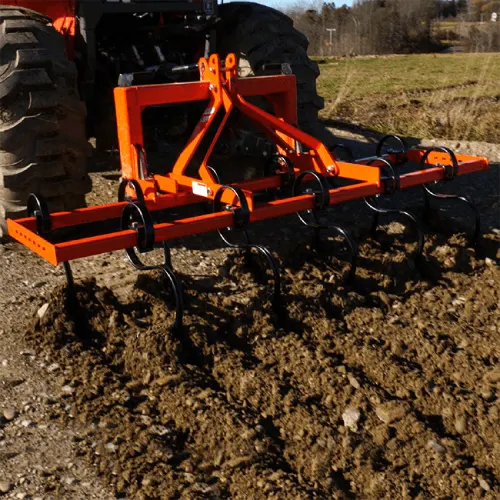
In contrast, a 3 point cultivator usually employs a series of spring-loaded or rigid shanks or sweeps that move through the soil horizontally. Its primary function is shallow tillage — typically 2 to 6 inches deep — aimed at weed control, soil aeration, and residue management between crop cycles. Because it doesn't invert the soil profile, it preserves beneficial soil structure and microbial layers, making it ideal for conservation tillage and no-till transition systems.
Moreover, the 3 point cultivator tractor setup allows for faster field coverage compared to rotary tillers. Since it doesn't require the same level of power input, it can be operated at higher speeds without sacrificing effectiveness. This makes it a preferred choice for row-crop farming, vineyards, and orchards where frequent, light cultivation is needed to manage weeds without disturbing plant roots.
Farmers using equipment inspired by CXNOFIA's design principles often report improved fuel efficiency and reduced wear on tractor components when opting for a cultivator over a rotary tiller for routine inter-row cultivation.
The Role of the 3 Point Hitch Tiller for Tractor in Precision Farming
The 3 point hitch tiller for tractor isn't just about attaching a tool — it's about integration. Modern three-point systems offer hydraulic lift, draft control, and top-link adjustment, enabling intelligent responses to changing field conditions. For example, if the cultivator hits a hardpan layer or rock, the hitch allows slight upward movement, preventing damage to both the tool and the tractor.
This level of responsiveness is crucial in precision agriculture, where uniform seedbed preparation directly affects crop emergence and yield. A well-calibrated 3 point cultivator can create a consistent tilth — the texture and condition of tilled soil — across an entire field, reducing the need for secondary passes.
Additionally, the three point hitch system allows quick implement changes. A farmer can switch from a cultivator to a planter or harrow in minutes, maximizing equipment utilization. This modularity is especially valuable for small to mid-sized operations where owning multiple specialized tractors isn't feasible.
From an engineering standpoint, the strength and adjustability of the hitch system mean that tools like the 3 point cultivator tractor combination can be optimized for different tractor horsepower ranges. CXNOFIA, for instance, designs its 3-point implements to match common PTO output ranges (typically 25–60 HP), ensuring compatibility and safe operation across a wide user base.
Long Term Benefits of Using a 3 Point Cultivator in Sustainable Agriculture
Beyond immediate efficiency, the long term agronomic benefits of using a 3 point cultivator make it a smart choice for sustainable farming practices. Because it performs shallow, targeted tillage, it minimizes soil disturbance, helping to retain organic matter and reduce erosion. This is especially important in regions prone to wind or water erosion.
Repeated use of aggressive tillage tools like rotary tillers can lead to the formation of plow pans — compacted layers beneath the tilled zone that restrict root growth and water infiltration. A 3 point cultivator, especially one with chisel or subsoiler attachments, can break up these layers without inverting the soil, promoting deeper root development and better water retention.
Moreover, reduced soil disturbance helps preserve populations of beneficial soil organisms such as earthworms and mycorrhizal fungi, which play vital roles in nutrient cycling and soil structure. Over time, farms that adopt conservative tillage strategies using tools like the rotary tiller 3 point alternatives — i.e., cultivators — often see improvements in soil health, leading to reduced dependency on chemical fertilizers.
Farmers who integrate a 3 point hitch tiller for tractor into a broader conservation strategy often report not only lower operating costs but also increased resilience to drought and extreme weather — a growing concern in climate-affected regions.
Is a 3 Point Cultivator Worth It?
When evaluating the advantages of a 3 point cultivator, it's clear that its value extends beyond simple soil preparation. From mechanical efficiency and operator control to long-term soil health and sustainability, this implement represents a balanced approach to modern tillage. Whether you're managing a small homestead or a commercial farm, understanding the differences between a 3 point cultivator tractor system and alternatives like the rotary tiller 3 point can help you make informed decisions that enhance productivity while preserving your land.
While companies like CXNOFIA continue to refine the design and durability of these tools, the core principles remain rooted in decades of agricultural engineering. The three point hitch system, in particular, stands as a testament to how smart, standardized design can improve farming outcomes across the globe.
Searching for tractor rotary tiller 3 point? Discover durable 3 point hitch tiller for tractor from CXNOFIA, a leading 3 point cultivator supplier in China. Our precision engineered 3 point cultivator tractor is compatible with many top tractor brands.
How To Use A 3 Point Cultivator?
Will 3 Point Hitch Tiller Break Up Hard Ground?
Related Article