Are Starters Easy To Replace?
2024-08-30
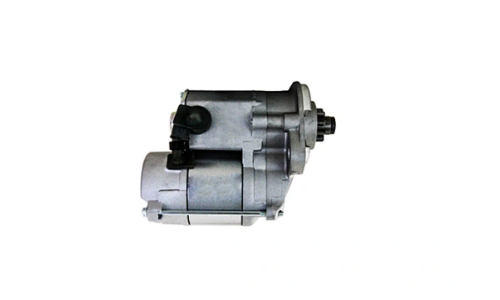
Your assy starter is a crucial component—it's the key to igniting the engine's power. Without a functioning starter, your vehicle remains stationary. Understanding how to replace a starter is a valuable skill, especially when faced with a malfunction.
The good news is that assy starter replacement is typically straightforward. It's a manageable procedure for anyone possessing elementary automotive expertise. Here's a step by step guide to help you through the process of replacing a starter:
Tools and Materials Needed:
Socket wrench
Replacement starter
Extension cord (optional)
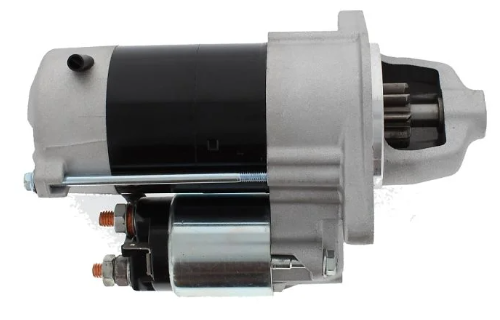
Step 1: Disconnect the Negative Battery Cable
To begin, safely detach the negative battery cable to prevent any risk of electric shock when handling the starter. Loosen the cable's nut using a socket wrench and carefully remove it. For improved visibility while working, if available, connect an extension cord to your car for additional lighting.
Step 2: Locate the Starter
The 2nd step is to locate the starter. It’s usually located on the side of the engine near the bottom. In most cases, it will be close to the front of the car. Once you’ve found it, you can begin removing it.
Step 3: Remove the Starter
Having found the starter, the next move is to detach it by first removing the connected wires, typically two in total – a positive and a negative one. Post disconnection, unscrew the bolts securing the starter using a socket wrench, taking care to remember their positions as they might vary in dimensions.
Step 4: Install the New Starter
Proceed to the installation of the new starter by correctly attaching the wires to their respective terminals, with the positive wire usually connected to the upper terminal and the negative to the lower one. After securing the wires, affix the starter with the appropriate bolts, ensuring they are properly tightened for a firm hold.
Step 5: Reconnect the Negative Battery Cable
The final task is to reattach the negative battery cable. Place the nut onto the cable and secure it with a socket wrench. With the nut properly tightened, the starter replacement is successfully concluded.
Tips for Replacing Your Starter Successfully
Replacing your assy starter can be a straightforward process if you follow these helpful tips for success:
Research Your Vehicle's Make and Model: Starter specifications can vary. Ensure you have the correct starter for your specific vehicle.
Gather the Right Tools: Have all necessary tools ready, including a socket wrench set, pliers, and a screwdriver.
Disconnect the Battery Safely: Always start by disconnecting the negative battery cable to prevent electrical hazards.
Inspect the New Starter: Before installation, check the new starter for any defects and confirm it matches your car's requirements.
Follow the Manufacturer's Instructions: Each car model may have slightly different procedures. Adhere to the manufacturer's guidelines for your vehicle.
Keep Track of Bolts and Parts: Label or remember the positions of bolts and parts to ensure proper reassembly.
Ensure Proper Wire Connection: Make sure the positive and negative wires are securely connected to the correct terminals.
Tighten Bolts Correctly: Use the correct torque when tightening bolts to avoid damaging the starter or the vehicle.
Test the Starter Before Reassembling: Try starting the car to confirm the new starter is working effectively before putting everything back together.
Reconnect the Battery Last: Once you've confirmed the starter is functioning, reconnect the battery to complete the job.
Work in a Clean, Well-Lit Area: Ensure your workspace is clean, well-lit, and free of distractions.
Take Your Time: Don't rush the process. Careful and deliberate work will yield better results.
Use a Service Manual or Guide: If you're unsure about any steps, consult a service manual or a detailed guide specific to your car.
Stay Organized: Keep your workspace and tools organized to streamline the process and prevent losing parts.
Safety First: Always prioritize safety. Wear protective gear and work carefully to avoid injury.
By following these tips, you can increase your chances of successfully replacing your car's starter with minimal hassle.
The Many Types of Electric Starters
A starter is an essential component that manages the flow of electrical power to machinery, predominantly motors. It initiates the motor's operation and can also halt, reverse, and safeguard it. Comprising two key elements—Contactors and Overload Protection—starters play a pivotal role in motor management.
Contactors are responsible for switching the electric current to the motor on and off, enabling the motor to start and stop as needed.
Overload Protection is a critical safety feature that prevents motors from overheating and damage due to excessive current draw.
Starters not only activate and deactivate electric motors or related equipment but also incorporate overload protection to ensure their safe operation. They signify an advanced stage in motor control technology. The primary types of starters include Manual Starters for basic control and AC Magnetic Motor Starters, which are more sophisticated and often referred to simply as Motor Starters.
Manual Starters are mechanical devices that require direct human intervention to operate. They feature key or button-operated switches, as indicated by the green switch in the example provided.
To engage or disengage the connected electrical equipment, you simply press the button or toggle on the manual starter. This action triggers mechanical linkages that open or close the contacts, controlling the motor's operation. Manual starters are favored for their:
Simplicity: Easy to operate with a straightforward mechanism.
Compactness: Small physical footprint suitable for confined spaces.
Versatility: Available with various enclosure options for different environments.
Affordability: Typically lower initial cost compared to other types of starters.
Protection: Equipped with motor overload protection for safety.
However, manual starters do not usually offer Low Voltage Protection (LVP), meaning they cannot prevent automatic restarts after a power outage, which could lead to safety risks in certain applications.
In contrast, AC Magnetic Motor Starters, often referred to simply as Motor Starters, are more advanced. They are widely used and provide features like remote and automatic operation, enhancing safety by removing the operator from the vicinity of the machinery. These starters utilize electromagnetic principles and control circuits to offer additional functionalities beyond those of manual starters.
Discover the wide range of excavator components, such as assy starter for excavators. CXNOFIA is a famous starter excavator manufacturer in China. Good prices! Fast Shipping Worldwide! Limited Time! Easy Return!
From All Directions: Why We Choose Tapered Roller Bearings
Why Do I Need A Solenoid Assy?
Related Article
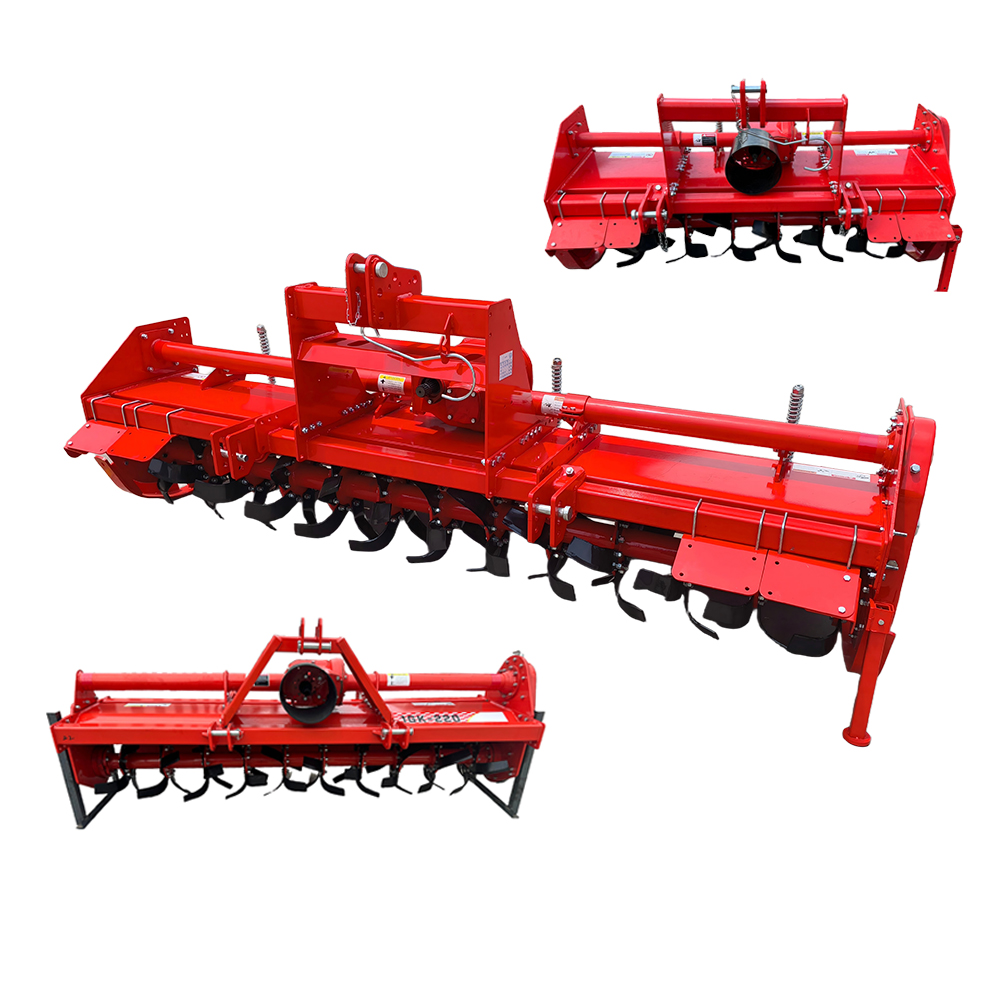
Explore MASCHIO-type rotary tillers from CXNOFIA, including 1MB, 1MC and 1GK series with 35–220 HP applications and 120–360 cm working widths.
MASCHIO-Type Rotary Tiller: 1MB, 1MC & 1GK Series Guide
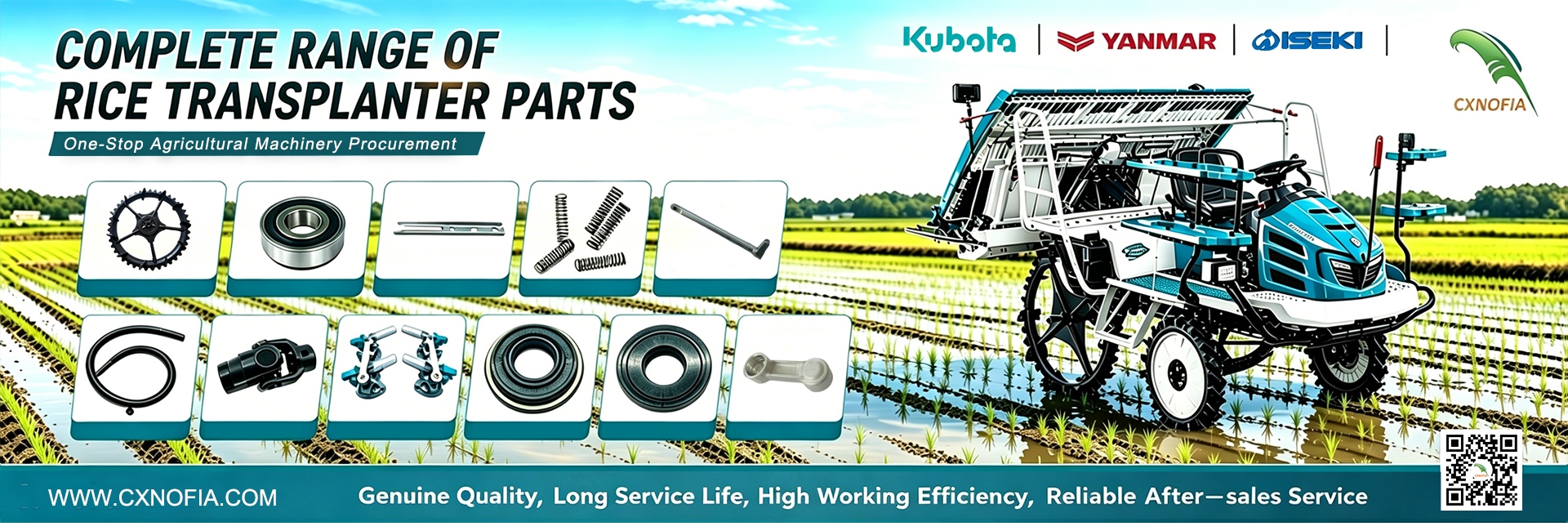
Explore the complete rice transplanter spare parts list for Kubota, Yanmar and ISEKI machines. Learn which replacement parts wear out most frequently, what dealers should keep in stock, and how CXNOFIA provides one-stop agricultural machinery spare parts solutions worldwide.
Complete Rice Transplanter Spare Parts List: Top Replacement Parts for Kubota, Yanmar & ISEKI Machines