Are Tractor Oil Seals Hard To Replace?
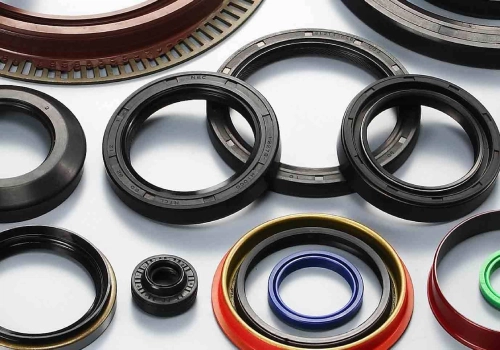
It's a normal task for us tractor owners to replacing tractor internal seals. Whether the machine is used for farming, landscaping, or hauling, its internal components rely on clean, contained lubrication to operate smoothly. When an internal seal begins to wear out, oil leakage, overheating, and mechanical damage quickly follow. The question most users ask is: Is replacing a tractor oil seal really that difficult?
What Are Internal Seals and Why Do They Matter?
1. What Do Internal Tractor Oil Seals Actually Do?
An internal tractor oil seal acts as a protective barrier. Its purpose is twofold:
Retain oil inside gearboxes, axles, PTO housings, and hydraulic assemblies.
Block contaminants such as dust, mud, sand, and moisture from entering critical moving parts.
Because tractors frequently operate in rugged, abrasive, and moisture-heavy environments, the importance of an oil seal cannot be overstated. Even a small leak can lead to accelerated wear, unsafe operation, and expensive repairs.
2. How Do Tractor Oil Seals Maintain Tight Sealing?
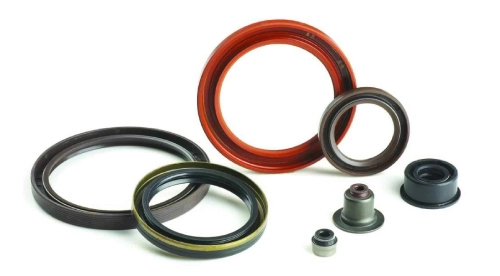
Most seals use an elastomer lip supported by a spring. This lip gently presses against the moving shaft and maintains uniform pressure even as components rotate at varying speeds. Premium materials resist friction, chemicals, and temperature fluctuations—factors that are unavoidable in agricultural operations.
When you choose a durable tractor oil seal, friction is minimized, heat is controlled, and lubricant remains clean longer. This is why many tractor owners prefer dependable products from brands like CXNOFIA, whose internal seals are engineered with strong material consistency and excellent lip tension.
3. Why Are CXNOFIA Internal Seals a Smart Choice?
CXNOFIA specializes in precision tractor components, including their SU47090 internal oil seal, specifically designed for John Deere models. Their seals offer:
Excellent rubber elasticity
Stable metal casing support
Consistent tolerance finish
Strong resistance to wear and deformation
Choosing a high-quality seal does not only help your tractor run more smoothly—it also makes installation significantly easier.
When Should Tractor Oil Seals Be Replaced?
1. Warning Signs Your Seal Is Failing
Several symptoms suggest it's time to replace a tractor oil seal:
Persistent leakage around housings or shaft exits
Milky, contaminated, or darkened oil
Grinding or humming noises
Increased gearbox temperature
Reduced hydraulic pressure or performance
Ignoring these warnings risks costly repairs, including damaged bearings, worn gears, or even a complete shutdown.
2. Common Causes of Internal Seal Failure
Internal seals are durable, but they are not invincible. Wear typically comes from:
Aged rubber that becomes brittle
Shaft grooves or scratches that cut into the lip
Improper assembly during earlier maintenance
Excessive vibration from heavy workloads
Chemical degradation from contaminated oil
Dust intrusion in dirty operating environments
Tractors operate in extreme conditions. Replacing seals periodically is normal maintenance, not a sign of poor machine care.
3. How Long Do Tractor Oil Seals Last?
With quality materials, regular lubrication, and proper installation, internal seals can last several years—even under heavy farm use. High-grade seals from CXNOFIA typically offer longer service life because they are designed for demanding operating conditions.
Are Tractor Oil Seals Hard To Replace?
1. Is This a Beginner-Friendly Repair Job?
Replacing internal seals is not the simplest tractor repair—but it's far from impossible. The difficulty depends on:
Seal location (external seals are easier; deep internal seals require disassembly)
Access to basic tools
Mechanical comfort level
Proper part selection
For many owners, the job is entirely doable with patience and attention. For others, especially those dealing with sealed transmissions or complex hydraulic systems, a professional technician may be the better choice.
2. Step by Step Overview of Replacing a Tractor Oil Seal
Although every tractor differs slightly, the general process involves:
Step 1: Drain and Clean the Assembly
Oil must be drained to prevent contamination. Surfaces are cleaned thoroughly to avoid trapping dirt behind the new seal.
Step 2: Remove the Old Seal Carefully
A seal puller or pry tool is used to remove the old sealing ring without scratching the shaft. Any surface damage will shorten the new seal's lifespan.
Step 3: Prepare the Shaft and Housing
This includes smoothing rough edges, cleaning debris, and ensuring the shaft is free of grooves. Even tiny imperfections can cause leaks.
Step 4: Lubricate the New Seal
Applying clean oil prevents the seal lip from tearing during installation.
Step 5: Press the Seal In Evenly
Using a seal driver or properly sized tube, the seal is pushed in straight—never at an angle. Uneven pressure leads to improper seating.
Step 6: Reassemble and Test
Fill the assembly with fresh oil and run the tractor to ensure no leakage is present.
3. What Makes Seal Replacement Difficult?
Challenges usually come from:
Tight interior spaces
Corroded shafts
Misaligned housings
Inconsistent seal dimensions
This is why reliable parts like CXNOFIA tractor oil seals can make the job smoother. When a seal fits perfectly, installation becomes easier, faster, and safer.
Why Does Choosing the Right Tractor Oil Seal Matter?
1. Better Fit, Less Struggle During Installation
A properly engineered oil seal seats smoothly and maintains uniform pressure. If a seal is poorly manufactured, you may struggle with alignment or experience leakage soon after installation.
2. High Quality Internal Seals Protect Expensive Components
A damaged or low-grade seal risks:
Bearing failure
Gear wear
Overheated transmission housings
Unexpected breakdowns
CXNOFIA uses durable rubber compounds and strong metal casings, ensuring long-term stability even under heavy torque and rough terrain.
3. High Grade Tractor Oil Seals Reduce Long-Term Costs
A premium seal may cost slightly more upfront but eliminates repeat repairs. It also extends the life of shafts, gears, and housings—ultimately reducing total ownership cost.
FAQ: Tractor Oil Seal Replacement
Q1: How do I know which tractor oil seal I need?
Check your tractor model, shaft diameter, and seal thickness. CXNOFIA provides detailed specifications for its products to ensure proper fit.
Q2: Do internal seals require special installation tools?
Not always. Many can be installed using a basic seal driver or a pipe with the correct diameter. Precision helps far more than expensive tools.
Q3: Can I reuse an old tractor oil seal?
No. Once removed, seal lips lose tension and won't seal properly again.
Q4: Are internal seal failures dangerous?
If ignored, they can lead to overheating or gear failure, which compromises operational safety.
Q5: Are CXNOFIA seals compatible with major tractor brands?
Yes. CXNOFIA produces compatible internal seals for John Deere and other mainstream tractor models, such as their SU47090 internal oil seal.
The Symptoms of A Bad Input Shaft Seal
The Purpose of an Excavator Suction Filter
Related Article