Can You Drive Tractor With A Bad Ball Bearing?
2025-02-05
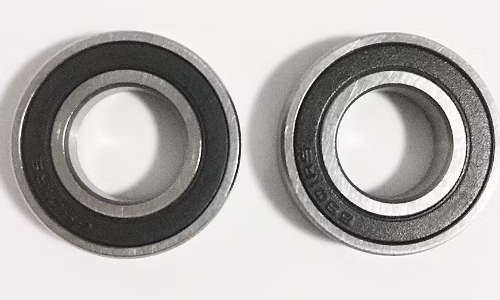
Operating a tractor with a bad ball bearing is strongly discouraged. Ball bearings are critical components that play a significant role in ensuring the smooth operation of various mechanical systems in a tractor. Driving with a faulty or damaged ball bearing can lead to severe mechanical failure, increased wear on other components, and potential safety hazards. It's important to know tractor ball bearings' types, and how to select the right one for maintaining the efficiency and longevity of your tractor.
Why You Shouldn't Drive with a Bad Ball Bearing?
Ball bearings in tractors help reduce friction between moving parts, enabling smoother movement and preventing excessive wear. A damaged ball bearing can cause:
Increased Friction and Heat: A bad bearing generates heat due to friction, which can damage nearby components.
Noise and Vibration: Faulty bearings often cause loud noises and vibrations, making operation uncomfortable and unsafe.
Reduced Efficiency: A bad bearing affects the tractor's overall performance, leading to inefficiency and higher fuel consumption.
Potential Catastrophic Failure: Continuing to operate a tractor with a failing ball bearing risks severe damage to critical systems, leading to costly repairs and downtime.
Ball Bearings'Function in Tractors
Ball bearings are essential in facilitating smooth rotation and reducing friction between moving parts in a tractor. These components ensure that the tractor's wheels, gears, and other mechanical systems operate seamlessly. High-quality ball bearings are designed to withstand heavy loads, high speeds, and challenging environmental conditions, making them indispensable in agricultural machinery.
Types of Tractor Ball Bearings
Selecting the right type of ball bearing for your tractor is essential for optimal performance. Here are some common types:
Deep Groove Ball Bearings: These are the most common type, known for their ability to handle radial and axial loads. They are versatile and widely used in various tractor applications.
Angular Contact Ball Bearings: These bearings are designed to handle higher axial loads and are commonly found in components requiring precise alignment, such as steering mechanisms.
Thrust Ball Bearings: Used in applications where axial loads are predominant, such as in certain transmission or differential systems.
Self Aligning Ball Bearings: Ideal for applications where misalignment may occur, ensuring smooth operation even with minor shaft deflections.
Spherical Ball Bearings: These bearings are robust and designed for heavy-duty applications, making them suitable for tractors working in demanding environments.
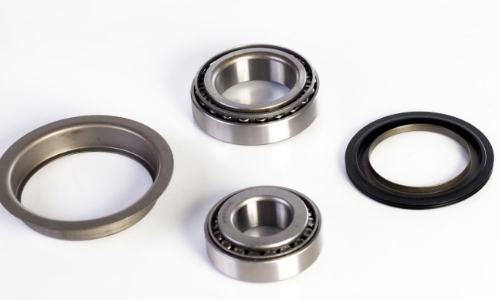
How to Choose the Right Ball Bearing for Your Tractor?
When selecting a tractor ball bearing, consider the following factors:
1. Load Capacity
Determine whether the bearing will primarily handle radial, axial, or combined loads. Choose a bearing designed for the specific type of load your application requires.
2. Speed Requirements
Bearings have maximum speed ratings. Ensure the selected bearing can handle the operating speeds of your tractor without overheating or excessive wear.
Bearings have maximum speed ratings. Ensure the selected bearing can handle the operating speeds of your tractor without overheating or excessive wear.
3. Environmental Conditions
If your tractor operates in harsh environments with dirt, dust, or moisture, select bearings with seals or shields to protect against contaminants.
If your tractor operates in harsh environments with dirt, dust, or moisture, select bearings with seals or shields to protect against contaminants.
4. Material and Coating
High quality materials and protective coatings can enhance the bearing's durability and resistance to corrosion, extending its service life.
High quality materials and protective coatings can enhance the bearing's durability and resistance to corrosion, extending its service life.
5. Size and Fit
Proper measurements are crucial to ensure a perfect fit. Measure the outer diameter (OD), inner diameter (ID), and width of the bearing using a calliper or micrometer.
How to Measure a Tractor Ball Bearing?
If the identification code on the bearing is worn or illegible, you can measure it manually:
Tools Required:
Calliper or micrometer (digital or manual)
Notepad and pen
Flat and clean surface
Steps:
Outer Diameter (OD): Measure the distance across the widest point of the bearing.
Inner Diameter (ID): Measure the opening in the center of the bearing.
Width: Measure the thickness of the bearing.
Record Measurements:
Note down the dimensions in millimeters (mm) and compare them with standard bearing sizes to identify the correct type.
Note down the dimensions in millimeters (mm) and compare them with standard bearing sizes to identify the correct type.
Maintaining Tractor Ball Bearings
Proper maintenance extends the life of ball bearings and ensures smooth tractor operation:
Regular Inspections:
Check for signs of wear, corrosion, or damage during routine maintenance.
Check for signs of wear, corrosion, or damage during routine maintenance.
Proper Lubrication:
Use high quality lubricants to minimize friction and prevent overheating.
Use high quality lubricants to minimize friction and prevent overheating.
Sealing and Protection:
Ensure bearings are adequately sealed to prevent contaminants from entering.
Ensure bearings are adequately sealed to prevent contaminants from entering.
Replace Worn Bearings:
Timely replacement of worn or damaged bearings prevents further damage to adjacent components.
Timely replacement of worn or damaged bearings prevents further damage to adjacent components.
Signs of a Bad Ball Bearing
Recognizing the early warning signs of a failing ball bearing can save you from costly repairs:
Unusual Noises: Grinding, squealing, or clicking sounds during operation.
Excessive Vibration: A noticeable increase in vibration levels, especially at higher speeds.
Overheating: Components near the bearing becoming excessively hot.
Reduced Performance: Decreased efficiency or difficulty in steering and maneuvering.
Where to Find High Quality Ball Bearings?
Finding high quality ball bearings is essential for reliable tractor operation. Look for trusted suppliers offering tractor ball bearings, ball bearings for sale, and bulk ball bearings. Online retailers and local distributors often provide detailed product descriptions and customer support to help you select the right bearing for your needs.
When purchasing in bulk, ensure that the supplier offers consistent quality and meets industry standards. Many reputable suppliers also provide customization options, enabling you to get bearings tailored to your tractor's specifications.
Driving a tractor with a bad ball bearing is not advisable, as it can lead to inefficiency, increased maintenance costs, and safety risks. By understanding the types of tractor ball bearings, how to select the right one, and proper maintenance practices, you can ensure the smooth operation of your tractor. When looking for replacements, prioritize high-quality options and consult experts if needed. With the right approach, you can keep your tractor running efficiently and avoid costly downtime.
Investing in reliable ball bearings not only protects your tractor but also enhances its performance and longevity. Whether you're a farmer relying on your tractor for daily operations or an equipment manager handling a fleet, choosing the right ball bearings is a decision that pays off in the long run.
Tractor ball bearings for sale! Choose from our extensive line of YZ90831 tractor ball bearing for JD, crafted by CXNOFIA, one of the most reputable Chinese tractor ball bearing manufacturers. Enjoy top quality bulk ball bearings at competitive prices, quick international shipping, convenient returns, and limited time deals!
What Is RH Yoke Shaft?
What Does An Air Filter Do For A Turbo?
Related Article
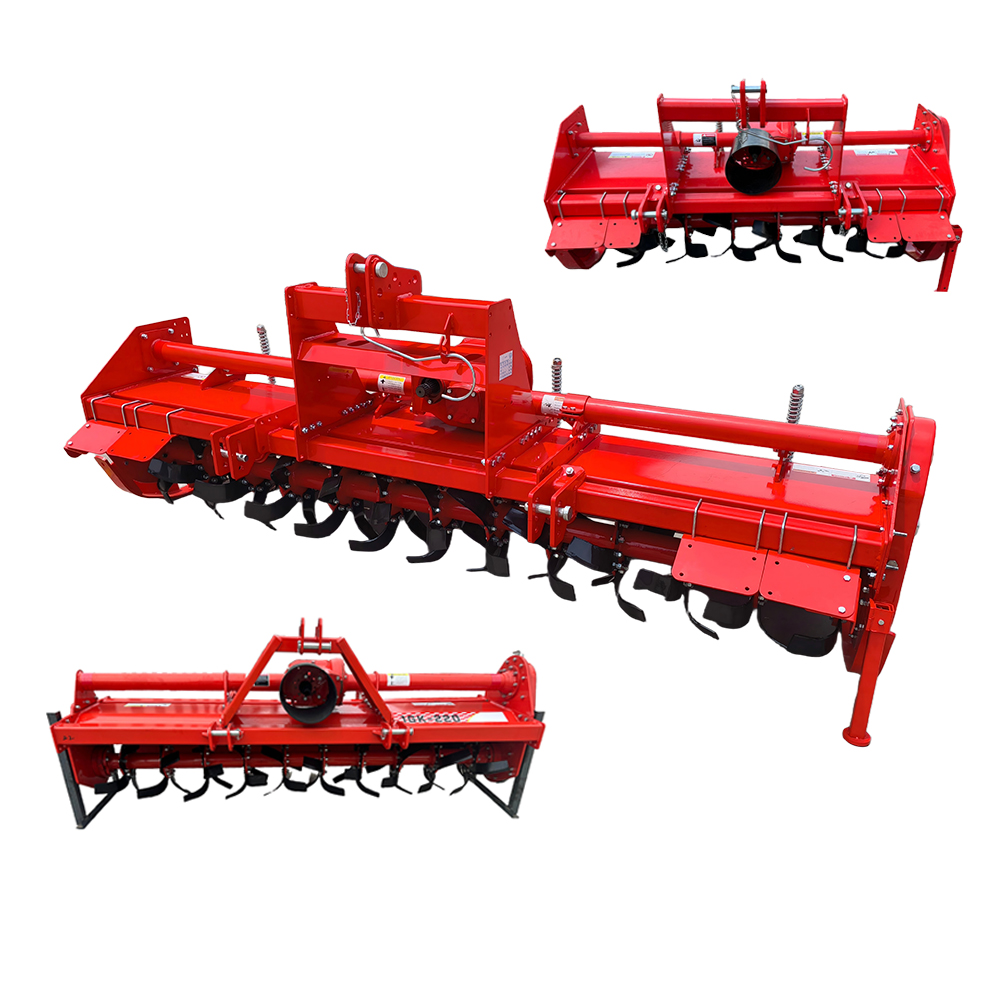
Explore MASCHIO-type rotary tillers from CXNOFIA, including 1MB, 1MC and 1GK series with 35–220 HP applications and 120–360 cm working widths.
MASCHIO-Type Rotary Tiller: 1MB, 1MC & 1GK Series Guide
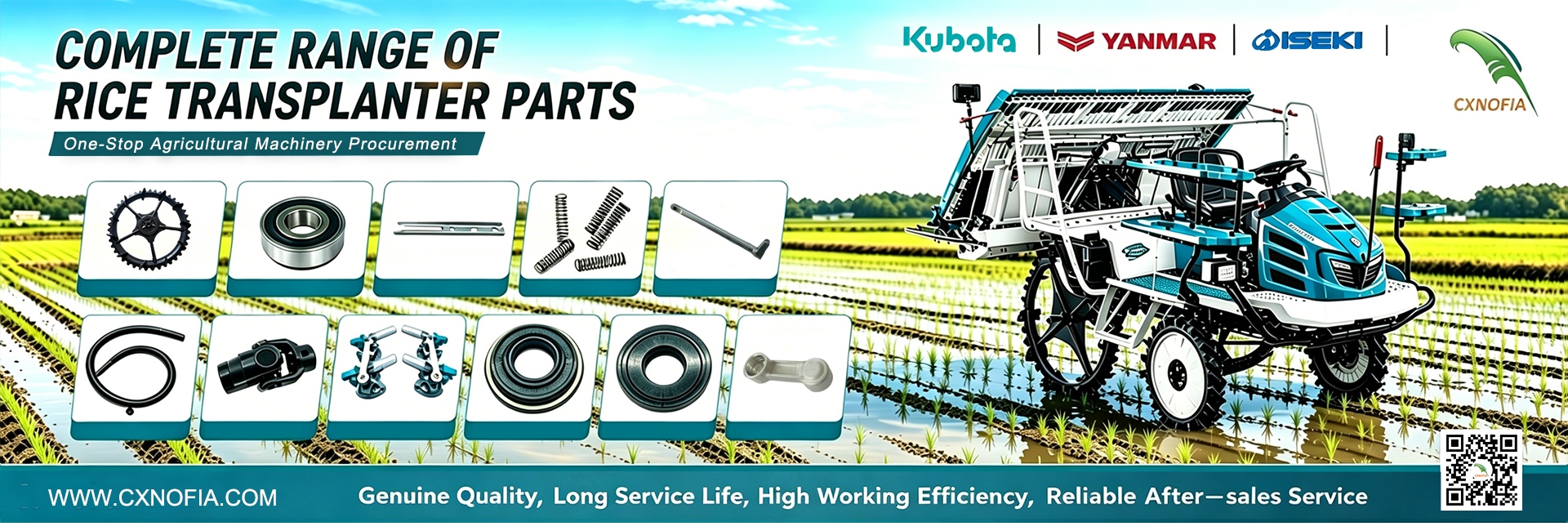
Explore the complete rice transplanter spare parts list for Kubota, Yanmar and ISEKI machines. Learn which replacement parts wear out most frequently, what dealers should keep in stock, and how CXNOFIA provides one-stop agricultural machinery spare parts solutions worldwide.
Complete Rice Transplanter Spare Parts List: Top Replacement Parts for Kubota, Yanmar & ISEKI Machines