China's Tractor Bearing Kit Landscape
2026-01-30
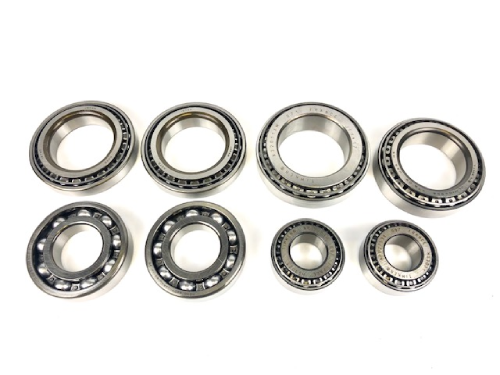
When agricultural equipment operators search for replacement components like the CXNOFIA AL230329 bearing kit or AL163468 bearing set, they're addressing one of the most mechanically demanding applications in tractor engineering. Planetary final drives concentrate immense torque through multiple planet pinions orbiting a central sun gear—a configuration that maximizes power density while introducing complex multi-axial loading conditions. Unlike simple wheel bearings experiencing primarily radial loads, planetary pinion bearing assemblies simultaneously manage radial forces from gear meshing, axial thrust during directional changes, and oscillating moments when traversing uneven terrain during field operations.
This compound stress environment demands tractor bearing kits engineered specifically for agricultural duty cycles. Premium CXNOFIA tractor bearing sets utilize tapered roller configurations capable of handling combined radial-axial loads without premature fatigue failure. The sealing architecture proves equally critical: triple-lip seal designs prevent ingress of fine soil particulates and moisture while retaining specialized lubricants under thermal cycling conditions ranging from sub-zero winter storage to 120°C+ operating temperatures during extended harvest operations. Understanding these mechanical requirements explains why generic industrial bearings fail rapidly in tractor final drives, while properly engineered bearing kits deliver thousands of operational hours even under severe field conditions.
Chinese bearing manufacturers have developed specialized production capabilities addressing these agricultural requirements. While major state-owned enterprises like Wafangdian Bearing Group (ZWZ) and Luoyang Bearing Corporation (LYC) dominate general industrial bearing production, a growing segment of specialized factories focuses exclusively on agricultural machinery applications. These facilities invest in application-specific tooling for planetary drive bearing sets, maintaining dimensional tolerances within 0.005mm to ensure proper preload in carrier assemblies—a precision level often absent in commodity bearing production lines targeting less demanding applications.
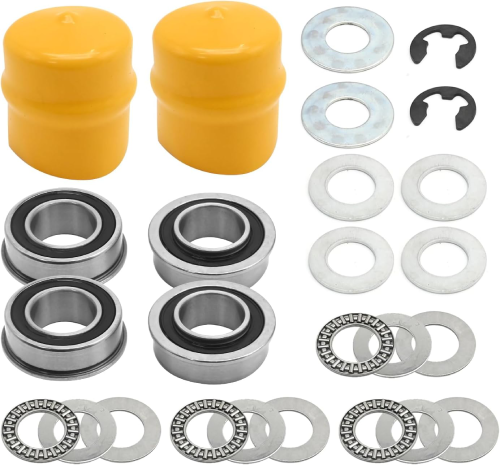
Material Science Differentiation in Chinese Made Tractor Bearing Kits
The performance gap between premium and substandard tractor bearing kits originates at the metallurgical foundation. Authentic tractor bearing sets for applications like the John Deere AL230329 specification utilize vacuum-degassed bearing steel meeting ISO 683-17 standards, with controlled non-metallic inclusion content below 15 ppm. This microscopic cleanliness prevents premature fatigue crack initiation at stress concentration points—a failure mode particularly prevalent in oscillating applications like planetary pinion bearings where rollers repeatedly load and unload the same raceway sections.
Heat treatment protocols create the critical hardness gradient distinguishing agricultural-grade bearing kits. Case hardening processes produce surface hardness of 58-62 HRC to resist micro-pitting from boundary lubrication conditions, while maintaining a ductile core (30-40 HRC) capable of absorbing shock loads from fieldstone impacts without brittle fracture. Reputable Chinese manufacturers implement carburizing cycles with precise carbon potential control followed by multi-stage tempering to relieve residual stresses—processes requiring sophisticated furnace controls often absent in budget production facilities prioritizing throughput over metallurgical integrity.
Cage material selection represents another technical differentiator frequently overlooked in bearing kit selection. Modern tractor transmissions utilize synthetic gear oils with extreme pressure additives that can chemically degrade phenolic resin cages over time. Premium bearing sets employ polymer cages engineered specifically for compatibility with GL-5 and MT-1 transmission fluids, preventing cage embrittlement that leads to roller skewing and catastrophic seizure. Specialized Chinese manufacturers serving the agricultural aftermarket maintain material compatibility databases mapping cage formulations to specific transmission fluid chemistries—a systems-level engineering approach separating professional grade bearing sets from commodity alternatives.
Navigating China's Specialized Agricultural Bearing Supply Chain
While China's bearing industry features prominent national champions like ZWZ and LYC producing millions of standard industrial bearings annually, the agricultural machinery aftermarket relies increasingly on specialized manufacturers with focused expertise in tractor powertrain components. These facilities—often located in bearing industrial clusters like Wafangdian City in Liaoning Province or Cixi in Zhejiang Province—maintain technical libraries mapping bearing kit specifications to specific tractor models and serial number ranges.
This specialization proves critical because planetary drive bearing requirements vary significantly even within equipment lines from the same manufacturer. The AL230329 bearing kit serves John Deere 6000 Series tractors including models 6100D through 6130D, but requires different dimensional specifications than the AL163468 bearing set used in certain 6B and 6E series configurations. Reputable suppliers maintain cross-reference databases accounting for engineering revisions—such as the AL230329 replacing earlier part number AL209977—preventing installation errors that cause premature failure.
Verification of authentic bearing kits requires attention to manufacturing documentation beyond superficial packaging quality. Genuine components include laser-etched part numbers on both inner and outer races (not merely adhesive labels), batch traceability codes linking to heat treatment records, and dimensional inspection reports verifying critical parameters like bore diameter, raceway curvature, and roller diameter consistency. Specialized Chinese manufacturers serving international agricultural markets typically maintain ISO 9001 certification with documented quality management systems covering raw material certification, in-process inspection at heat treatment stages, and final validation using coordinate measuring machines—documentation that distinguishes professional suppliers from trading intermediaries sourcing from unverified production sources.
Diagnostic Indicators and Proactive Replacement Strategies for Bearing Kit Longevity
Identifying bearing degradation before catastrophic failure requires understanding subtle precursor symptoms often missed during routine maintenance. Early-stage bearing wear in planetary drives manifests as slight temperature differentials—typically 15-25°C above ambient transmission housing temperatures during sustained operation—detectable through infrared thermometers before audible noise develops. Vibration analysis reveals characteristic frequency signatures: inner race defects generate vibrations at ball pass frequency-inner race multiples, while outer race damage produces ball pass frequency-outer race harmonics detectable through smartphone-based vibration analysis applications.
Proper installation technique proves equally critical as component selection for achieving designed bearing kit service life. Planetary pinion bearing assemblies require precise preload adjustment measured through torque-to-rotate methodology rather than subjective "feel" assessments. Under-preloaded bearings experience roller skidding that generates heat and accelerates wear through false brinelling mechanisms, while over-preloaded assemblies suffer reduced fatigue life due to excessive Hertzian contact stresses. Professional rebuild procedures mandate using calibrated torque wrenches and dial indicators to verify axial clearance within manufacturer specifications—typically 0.05-0.15mm for John Deere planetary carrier assemblies—ensuring the bearing set operates within its designed load envelope.
Contamination control during installation represents another frequently overlooked factor affecting bearing kit longevity. Agricultural environments introduce fine soil particulates that accelerate three-body abrasion when introduced during bearing replacement. Professional procedures mandate thorough cleaning of carrier bores using lint-free cloths and solvent flushing, followed by immediate assembly with fresh lubricant to prevent recontamination. Reputable bearing kit suppliers include installation instructions specifying cleanliness protocols and torque sequences—documentation reflecting their understanding that component quality alone cannot overcome poor installation practices.
Frequently Asked Questions
What specific tractor models require the AL230329 bearing kit specification?
The AL230329 ground planet pinion bearing kit serves John Deere 6000 Series agricultural tractors including models 6100D, 6115D, 6125D, and 6130D, plus certain legacy four-cylinder configurations where planetary final drive assemblies utilize this bearing set specification.
How does a complete bearing set differ from individual bearing replacement in tractor maintenance protocols?
A comprehensive bearing set includes matched inner races, outer races, tapered rollers, polymer cages, seals, and sometimes precision shims—all manufactured to consistent dimensional tolerances within a single production batch. This matching prevents compatibility issues that arise when mixing components from different manufacturing lots or quality tiers during repair procedures.
What metallurgical specifications distinguish premium tractor bearing kits from budget alternatives in the Chinese supply chain?
Premium bearing kits utilize vacuum-degassed bearing steel with sulfide inclusion content below 15 ppm, case-hardened surfaces achieving 58-62 HRC hardness with minimum 1.5mm effective case depth, and polymer cages engineered for compatibility with modern synthetic transmission fluids—specifications often compromised in budget alternatives prioritizing cost reduction over fatigue resistance.
Why do planetary drive bearing assemblies experience higher failure rates than other tractor bearings?
Planetary pinion bearings endure compound stress vectors—simultaneous radial loads from gear meshing forces combined with axial thrust during directional changes—plus oscillating moments when operating on uneven terrain. This multi-axial loading profile, combined with exposure to transmission fluid degradation products and potential contamination ingress through compromised seals, creates accelerated wear mechanisms absent in simpler bearing applications.
Can improper installation negate the quality advantages of a high-specification bearing kit?
Absolutely. Even premium bearing kits fail prematurely when installed with incorrect preload, contaminated with assembly debris, or paired with worn mating components like damaged carrier bores or misaligned sun gears. Professional installation following OEM torque specifications and cleanliness protocols proves equally critical as component selection for achieving designed service life in demanding agricultural applications.
3C091-43070 Disk for Kubota Tractors
Which Way Do Kingpin Seals Go?
Related Article
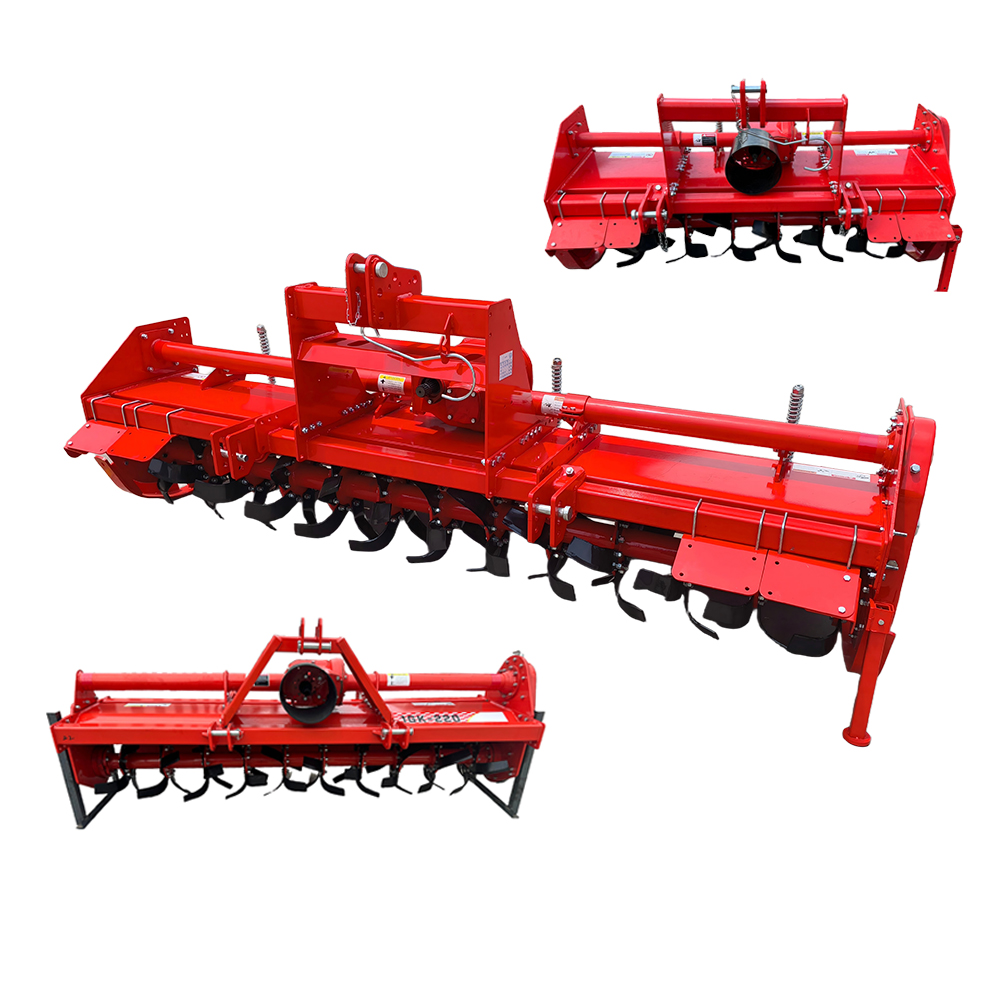
Explore MASCHIO-type rotary tillers from CXNOFIA, including 1MB, 1MC and 1GK series with 35–220 HP applications and 120–360 cm working widths.
MASCHIO-Type Rotary Tiller: 1MB, 1MC & 1GK Series Guide
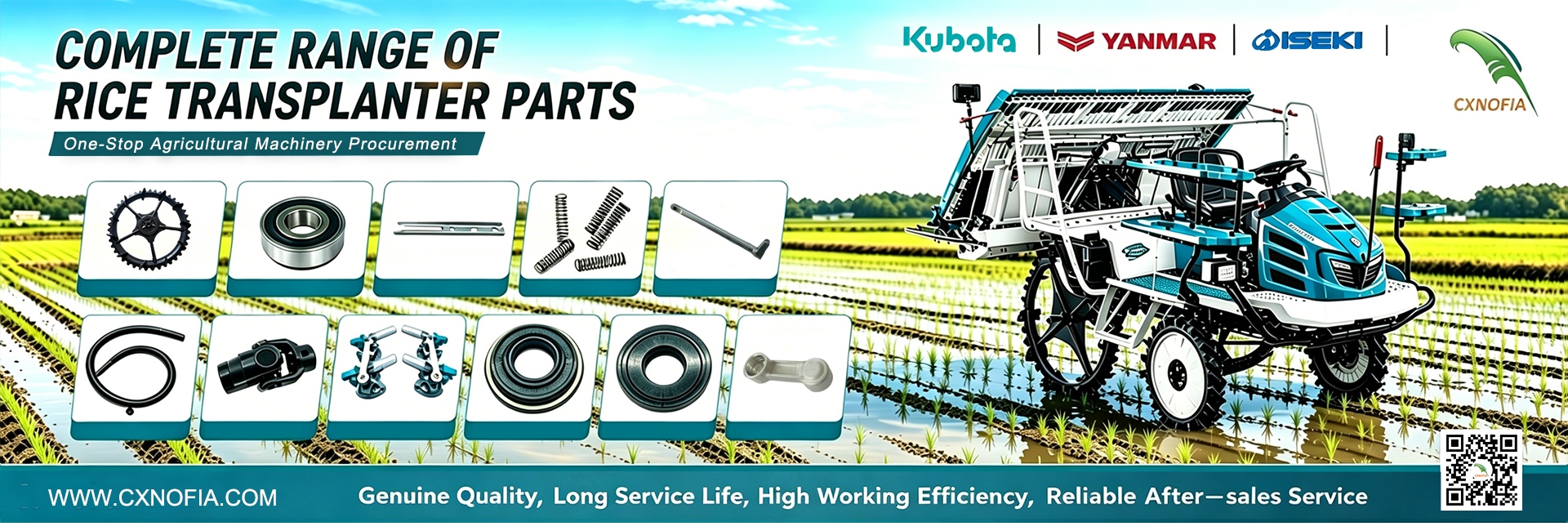
Explore the complete rice transplanter spare parts list for Kubota, Yanmar and ISEKI machines. Learn which replacement parts wear out most frequently, what dealers should keep in stock, and how CXNOFIA provides one-stop agricultural machinery spare parts solutions worldwide.
Complete Rice Transplanter Spare Parts List: Top Replacement Parts for Kubota, Yanmar & ISEKI Machines