Commonalities Between Harvester and Tractor Parts
Commonalities Between Harvester and Tractor Parts: Shared Functions and Structures
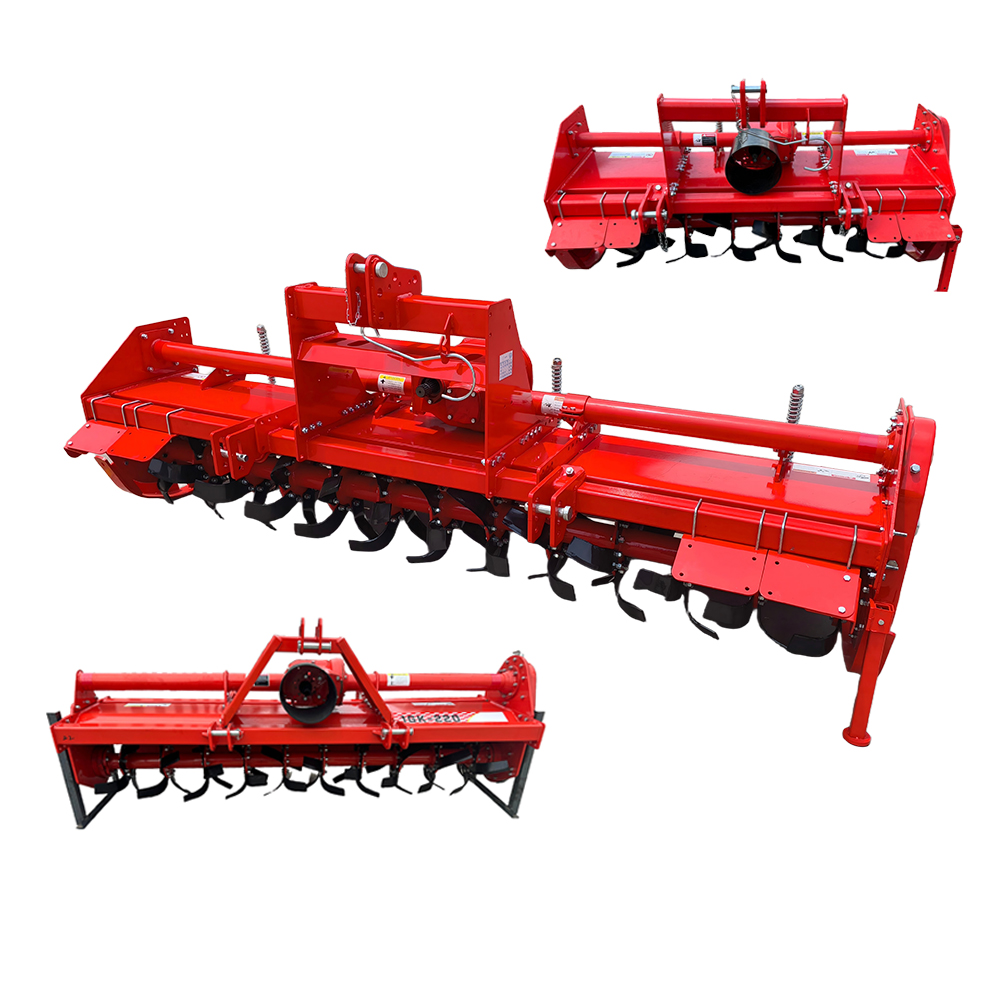
In modern agriculture, tractors and harvesters are two essential machines that play critical roles in farming operations. While they serve different primary purposes—tractors are used for plowing, planting, and various other tasks, whereas harvesters are focused on gathering crops—their parts share many similarities. These commonalities not only reflect the universal principles of mechanical design but also simplify the maintenance, procurement, and repair processes for farmers and agricultural service providers. This article will explore the shared features of harvester and tractor parts and explain why understanding these similarities is valuable for agricultural equipment users and suppliers.
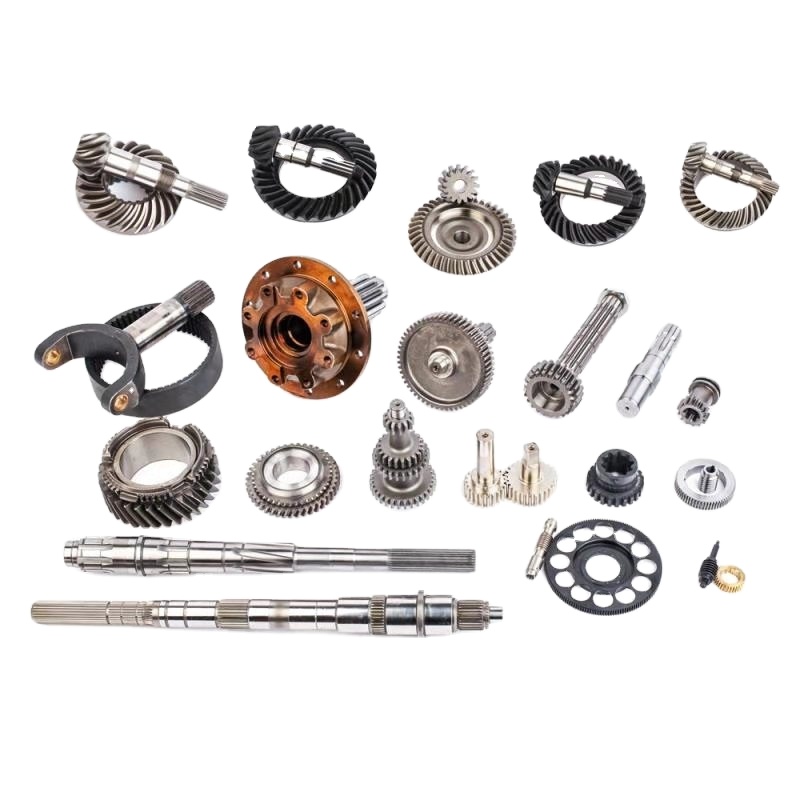
1. Similarities in Mechanical Transmission Systems
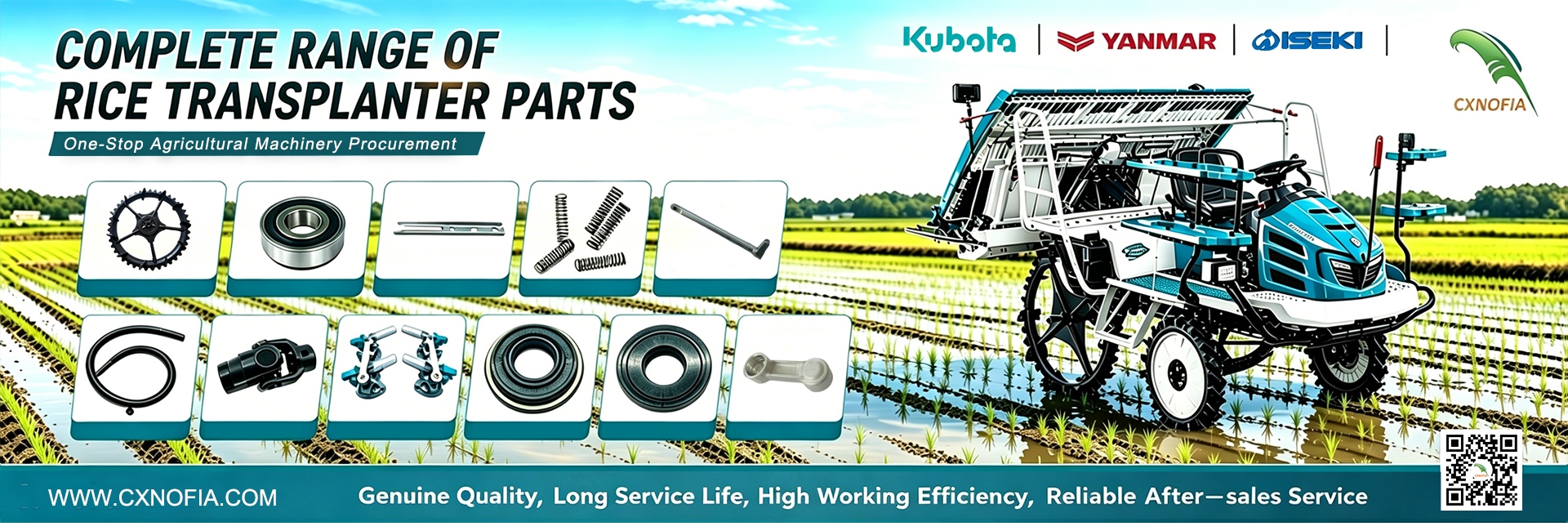
The mechanical transmission system is at the heart of any agricultural machinery, responsible for transferring engine power to various working components. Both tractors and harvesters rely on similar gears, bearings, and drive belts to carry out these tasks. Gears are used to change the speed and direction of power transfer, while bearings reduce friction and enhance the efficiency of mechanical movements.
For example, a tractor's transmission system uses gears and bearings to direct engine power to the wheels, enabling forward or backward movement during field operations. Similarly, a harvester’s transmission system uses these components to deliver power to its cutting blades, threshing drums, and other working parts. The shared principles of mechanical transmission mean that both machines face similar stresses and friction, requiring comparable types of parts. As a result, farmers can consider similar factors when evaluating the performance and durability of these components for both tractors and harvesters.

2. Common Consumables and Wearable Parts
Certain parts in agricultural machinery are prone to wear and tear due to frequent use or exposure to harsh environmental conditions. Both tractors and harvesters rely heavily on filters, seals, and rubber components—all of which play critical roles in protecting key machinery elements from damage and contamination.
For instance, both machines’ engines are equipped with air filters and oil filters. These filters prevent dirt from entering the engine and ensure the purity of the oil, prolonging the engine’s life. Likewise, seals and rubber parts act as barriers to keep fluids contained and prevent debris from entering sensitive areas. Because these components are exposed to heat, pressure, and environmental elements, they typically require regular replacement.
Farmers operating both tractors and harvesters need to maintain a schedule for checking and replacing these consumable parts. The similar wear patterns between the two machines simplify maintenance routines, making it easier for operators to manage upkeep across multiple pieces of equipment.
3. Shared Hydraulic System Components
Modern agricultural machinery widely employs hydraulic systems for controlling various mechanical actions, such as lifting, lowering, steering, and powering attachments. Both tractors and harvesters rely on hydraulic systems to perform these essential functions, and as such, both use hydraulic pumps, cylinders, valves, and hoses.
For example, a tractor uses its hydraulic system to control the raising and lowering of implements like plows or seeders, while a harvester uses hydraulic power to adjust the height of its cutting header to accommodate different crop types. In both cases, the hydraulic system must handle high-pressure conditions and demanding workloads. High-quality hydraulic parts are essential to ensure the system runs smoothly without leaks or performance issues.
Since the basic principles of hydraulics are the same across tractors and harvesters, farmers and technicians can streamline their maintenance processes by stocking similar hydraulic parts for both machines. Additionally, having a basic understanding of how these systems work can be valuable for troubleshooting and repairs.
4. Electrical System Part Similarities
As agricultural machinery becomes more advanced, the role of electrical systems in both tractors and harvesters continues to grow. Batteries, sensors, switches, and control panels are common electrical components in both machines, enabling operators to monitor performance and make adjustments in real-time.
For instance, a tractor’s electrical system might include sensors to monitor engine temperature, oil pressure, and fuel levels, helping operators ensure everything is running smoothly. Likewise, a harvester uses sensors to track the operation of its cutting and threshing systems, alerting the operator to any issues. While the specific functions may vary, the electrical parts used in both types of machines serve a similar purpose: ensuring the machine operates safely and efficiently.
The overlap in electrical components makes it easier for farmers and mechanics to diagnose and repair issues across different types of equipment. When purchasing replacement parts, the compatibility and functionality of these electrical elements are often aligned, simplifying the procurement process.
5. Tire and Chassis Structure Similarities
Both tractors and self-propelled harvesters rely on durable tires and chassis systems to navigate challenging terrain. Particularly in wet or muddy conditions, the tread design, durability, and grip of tires are crucial for both types of machines. Given that both must operate in various field conditions, tractor and harvester tires are often designed with similar features, such as deep lugs and robust rubber compounds to enhance traction and wear resistance.
Additionally, the chassis structures of both machines feature common design elements, such as suspension systems and axles. The suspension system helps absorb shock and provide a smoother ride, while the axle supports the machine’s weight and enables movement. The strength and stability of the chassis are key factors in ensuring the long-term reliability of both tractors and harvesters.
Due to these similarities, farmers can look for comparable specifications when selecting tires and chassis parts for either machine, helping to optimize performance in the field and extend the lifespan of their equipment.
Conclusion
In conclusion, despite the differences in their primary functions, tractors and harvesters share numerous similarities in their mechanical structures and parts. From transmission systems to hydraulic components, electrical elements, and tires, these commonalities streamline the process of maintenance and repairs, while also simplifying the procurement of parts. For businesses involved in the export or sale of agricultural machinery, understanding these shared features can offer a competitive advantage by enabling them to provide more comprehensive solutions to customers.
For farmers and operators, recognizing the parallels between harvester and tractor parts can lead to more efficient equipment management, reducing downtime and ensuring smooth operations throughout the farming season. By taking advantage of these shared characteristics, agricultural professionals can maximize the utility and longevity of their essential machinery.
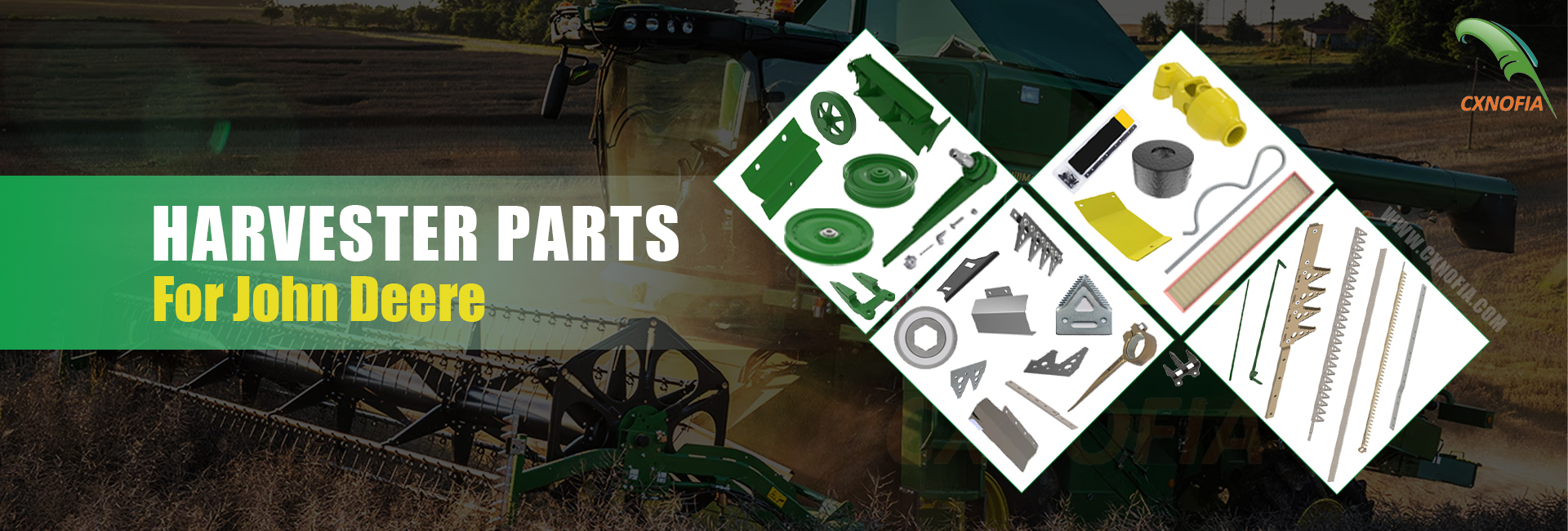
CXNOFIA is a well-know harvester & tractor parts supplier in China. Complete product range, quality guaranteed. Welcome to consult at any time!

What Is A Three Point Disc Plow Used For Kubota Tractor?
Comparing Undercarriage Rollers: Harvester Rollers vs. Excavator Rollers
Related Article