What Is The Difference Between A Buffer Seal And A Rod End Seal?
2024-06-28
When it comes to seal, it’s easy to mix buffer seal and rod end seal. A buffer seal and a rod seal are both types of seals used in hydraulic or pneumatic systems, but they serve different purposes and are located in different parts of the system.
What Is A Buffer Seal?
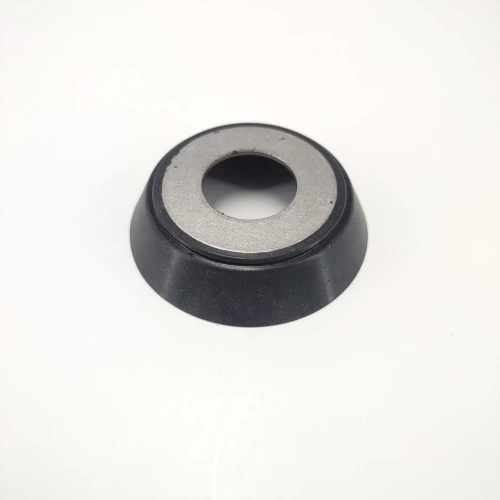
A buffer seal, also known as a secondary seal or wiper seal, is a type of seal used in hydraulic or pneumatic systems. Buffer seals shield the rod seals by mitigating pressure spikes. Sudden surges in pressure, often caused by external forces on the piston rod due to fluid movements within the cylinder, can surpass the system's intended operating pressure by a significant margin. By partnering with rod seals, buffer seals form a robust sealing system for cylinders operating under extreme conditions, such as high temperatures and pressures, particularly in heavy duty applications.
Important Functions of Buffer Seals
Protection: Buffer seals act as a barrier between the primary sealing elements, such as rod seals or piston seals, and external contaminants or debris. They help prevent particles, dust, moisture, and other foreign substances from reaching the primary seals, thus extending their lifespan and maintaining their effectiveness.
Pressure Equalization: In some applications, buffer seals help equalize pressure between different areas within the cylinder. This can be important for maintaining balance and stability, particularly in high-pressure systems or when dealing with pressure differentials.
Seal Backup: Buffer seals can serve as backup seals in case the primary seals fail or experience damage. While not typically designed as the main sealing element, they provide an additional layer of protection against fluid leakage.
Reduced Friction: By wiping the surface of the piston rod, buffer seals help reduce friction and wear on the primary sealing elements, contributing to smoother operation and longer seal life.
Buffer seals are often made from materials such as rubber, polyurethane, or other elastomers, chosen for their durability, flexibility, and resistance to abrasion and chemicals. They play a crucial role in maintaining the performance and reliability of hydraulic and pneumatic systems by protecting primary seals and ensuring proper functioning over extended periods of use.
What Is A Rod End Seal?
A rod end seal, also known as a piston rod seal, is a type of seal used in hydraulic or pneumatic systems. It is positioned at the end of the piston rod, sealing the interface between the rod and the cylinder bore. It absorbs hydraulic pressure from the piston, transmitting it to the object or load for movement.
Guide rings or tapes are essential components that facilitate the smooth movement of the rod and piston within the cylinder while preventing metal-on-metal contact with the cylinder head. By providing guidance, they ensure precision and linearity in the movement, effectively absorbing and balancing lateral forces generated by external factors or vibrations.
Rods come in various configurations, including those with threaded ends for attaching different accessories. The rod length is adjustable to meet specific requirements, taking into account factors such as stroke length and the desired range of movement.
Rod seals are commonly single acting seals, experiencing fluid pressure from within the cylinder on one side of the seal. Pressure exerted on the rod side of the seal can surpass 400 bar (5,800 psi), with occasional pressure spikes reaching even higher levels. These elevated pressures amplify the contact forces between the rod seal and cylinder surfaces. Consequently, materials for rod seals must exhibit exceptional wear resistance, and the rod surface must adhere strictly to recommended specifications during manufacturing to ensure optimal performance and longevity.
Important Functions of Rod End Seals
The primary function of a rod end seal is to prevent the leakage of fluid from the cylinder chamber to the outside environment.
Rod end seals are crucial components in hydraulic and pneumatic cylinders, as they help maintain the integrity and efficiency of the system. They prevent contaminants from entering the cylinder and fluid from escaping, which could lead to loss of pressure and reduced performance. Additionally, rod end seals contribute to extending the lifespan of the cylinder by reducing wear on internal components.
Rod seals play a vital role in safeguarding hydraulic systems against fluid leakage in cylinders. By sealing the rod, they help maintain hydraulic pressure within the cylinder, effectively preventing fluid from escaping between the rod and cylinder head, thereby ensuring smooth and efficient operation.
A standard rod sealing setup typically comprises guide rings or tapes, followed by rod seals and wipers, arranged in sequence for optimal performance and durability.
These seals are typically made from materials such as rubber, polyurethane, or other elastomers, chosen for their durability, flexibility, and resistance to abrasion and chemicals. Rod end seals come in various designs, including lip seals, V-ring seals, and mechanical seals, each tailored to specific operating conditions and performance requirements.
In summary, a rod end seal is a critical sealing element in hydraulic and pneumatic cylinders, ensuring reliable and efficient operation by preventing fluid leakage and maintaining pressure within the system.
Difference Between A Buffer Seal And A Rod Seal
Rod Seal: This seal is positioned on the rod or shaft of a hydraulic or pneumatic cylinder. Its primary function is to prevent the leakage of fluid from the cylinder to the outside environment. Rod seals are critical for maintaining the integrity and efficiency of the system by preventing contaminants from entering and fluid from escaping. They also help to maintain pressure within the cylinder.
Buffer Seal: A buffer seal is usually located inside the cylinder, and it serves to separate different media within the cylinder. It acts as a barrier between the primary sealing element (such as the rod seal) and the secondary sealing element (such as the piston seal). Buffer seals are often used to protect primary seals from pressure spikes, excessive wear, or damage caused by the movement of the piston.
In a word, while both seals are important for the functioning of hydraulic and pneumatic systems, rod seals primarily prevent fluid leakage from the cylinder, while buffer seals provide additional protection to primary seals and help optimize their performance.
Discover the wide range of tractor parts, such as seals it rod end seals for JD. CXNOFIA is a famous tie rod end seals manufacturers in China. Fast Shipping Worldwide! Limited Time Sale. Easy Return.
Diagnosing Tractor Water Pump Bearing Failure
10 Parts of an Excavator
Related Article
Explore MASCHIO-type rotary tillers from CXNOFIA, including 1MB, 1MC and 1GK series with 35–220 HP applications and 120–360 cm working widths.
MASCHIO-Type Rotary Tiller: 1MB, 1MC & 1GK Series Guide
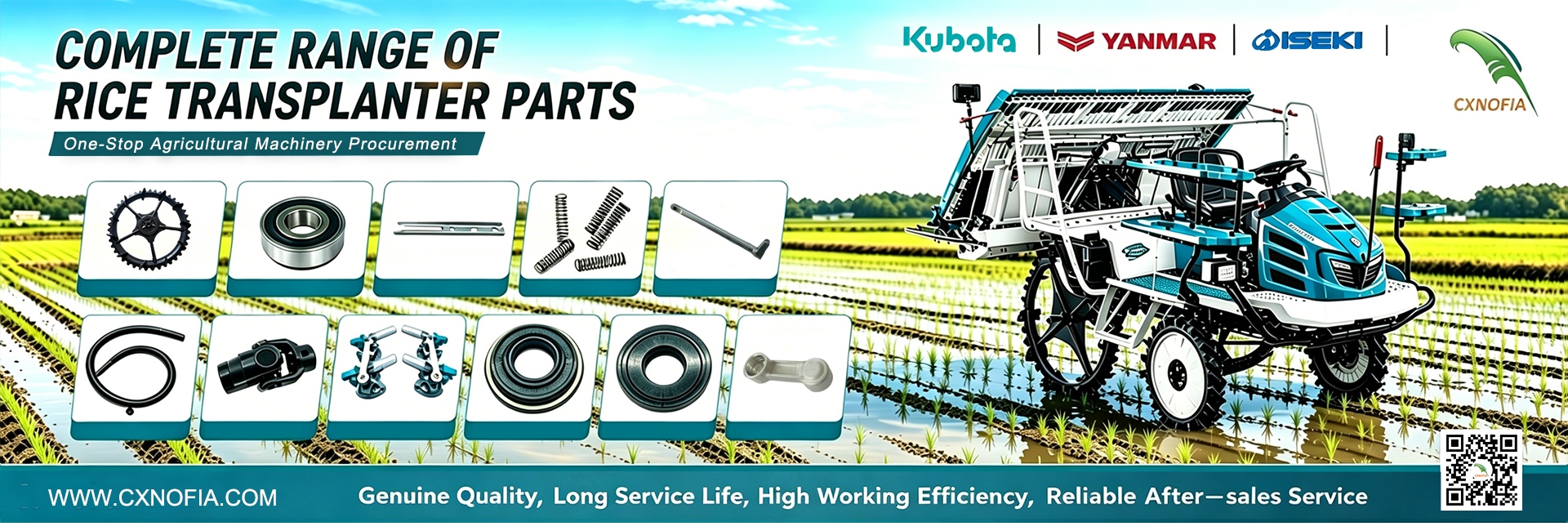
Explore the complete rice transplanter spare parts list for Kubota, Yanmar and ISEKI machines. Learn which replacement parts wear out most frequently, what dealers should keep in stock, and how CXNOFIA provides one-stop agricultural machinery spare parts solutions worldwide.
Complete Rice Transplanter Spare Parts List: Top Replacement Parts for Kubota, Yanmar & ISEKI Machines