Difference Between A Garden Cultivator And A Tiller
In modern farming, the right equipment can make the difference between an efficient, productive season and wasted effort. Among the most common soil working tools are the garden cultivator and the tiller. While these two machines may look similar and both interact with the soil, they serve very different purposes. Many new farmers, gardeners, and landowners confuse the two, often buying the wrong implement for their needs.
The distinction is especially important in larger scale farming, where tractors are used to power implements like the 3 point hitch garden tiller. Companies such as CXNOFIA, known for their expertise in agricultural equipment, have long emphasized that choosing between a cultivator and a tiller should be based on soil condition, farm size, and overall goals. Understanding the core differences not only saves money but also ensures healthier soil and better crop yield.
Chapter 1: What is a Garden Cultivator? – Design, Function, and Uses
1.1 Design Features of a Cultivator
A garden cultivator is designed to work on already loosened soil. Unlike tillers, which dig deep, cultivators only work the top few inches of soil. Their main purpose is to stir, mix, and aerate soil without disturbing plant roots. Common design features include:
Lightweight frame for easier handling
Smaller engines or tractor-mounted versions
Adjustable tines that can be set close together for fine work
Narrow working width for maneuvering between crop rows
Because of these features, cultivators are not suitable for breaking new ground or working compacted soil. Instead, they shine when maintaining gardens or smaller plots.
1.2 Applications in Farming and Gardening
A garden cultivator is often considered a maintenance tool. Its applications include:
Weed Control: Cultivators uproot weeds without damaging crops.
Soil Aeration: Loosening topsoil improves water absorption and oxygen exchange.
Fertilizer and Compost Mixing: Incorporating nutrients into already prepared soil.
Row Crop Maintenance: Keeping soil healthy between vegetable rows.
Cultivators are perfect for gardeners, landscapers, and small-scale farmers who prioritize maintenance over heavy soil preparation.
Chapter 2: What is a Tiller? – Power and Groundbreaking Ability
2.1 Design and Structure of Tillers
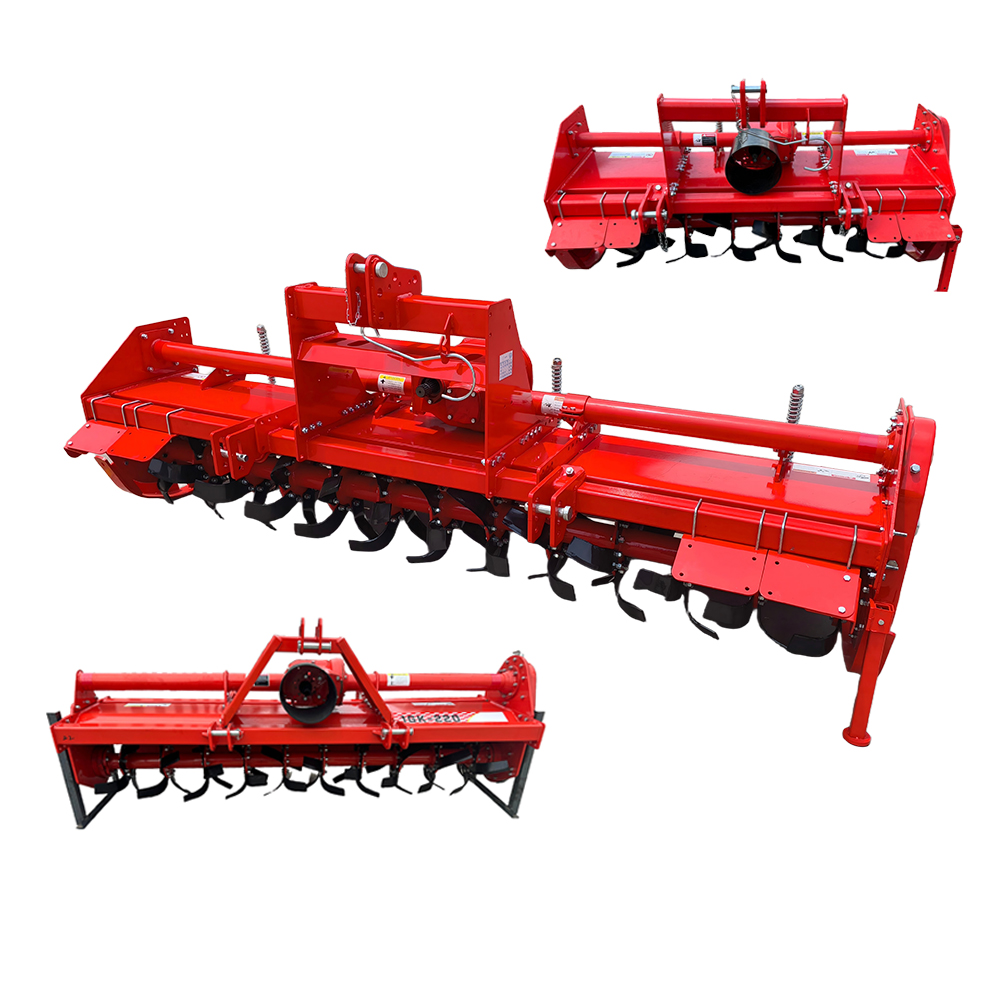
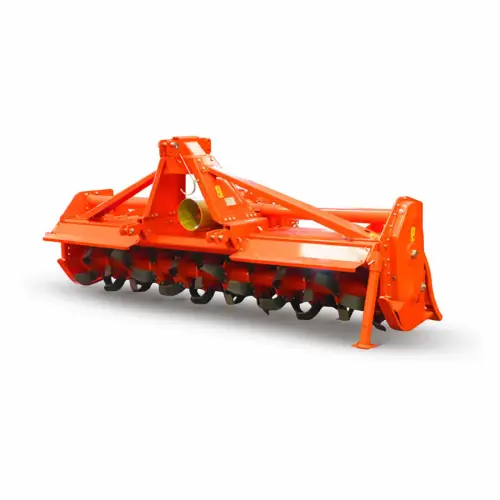
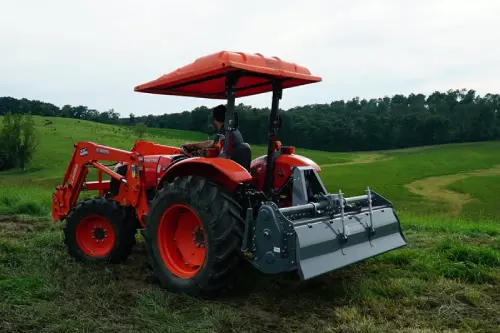
A tiller is a much more robust machine than a cultivator. It is built to break hard, compacted soil and prepare land for planting. Tractor-powered tillers, such as a 3 point tiller for sale, are some of the most efficient tools for large farming operations. Key features include:
Strong steel frame designed for heavy use
Large, sharp tines capable of digging deep into soil
Adjustable depth settings for various soil conditions
Compatibility with tractors via a 3 point hitch system
While hand operated tillers exist, many farmers prefer heavy duty 3 point tillers for efficiency and power. These implements allow for quick soil preparation across wide fields, saving both labor and time.
2.2 Primary Applications of Tillers
Tillers are considered a preparation tool because their main role is to prepare the soil before planting. Applications include:
Breaking New Ground: Essential for converting grassland or compacted soil into arable fields.
Deep Soil Turning: Ensuring that nutrients and organic matter are evenly distributed.
Seedbed Preparation: Creating fine, even soil for seeds to germinate effectively.
Mixing Organic Material: Incorporating compost, manure, or cover crops into the soil structure.
For medium to large scale farming, a 3 point hitch garden tiller offers the versatility and strength needed to handle challenging soil types.
Chapter 3: Key Differences Between a Garden Cultivator and a Tiller
Although both implements are soil-working tools, they differ significantly in purpose, design, and use.
3.1 Soil Depth and Aggressiveness
Cultivator: Works shallow soil (2–4 inches deep), ideal for aeration and weed control.
Tiller: Penetrates deeper (6–12 inches or more), making it essential for breaking hard ground.
3.2 Equipment Strength and Power Requirements
Cultivator: Light-duty, smaller engines or compatible with compact tractors.
Tiller: Requires more power, often tractor-mounted like a heavy duty 3 point tiller.
3.3 Frequency of Use
Cultivator: Used regularly throughout the growing season for upkeep.
Tiller: Used less frequently but crucial before planting or when reclaiming neglected land.
3.4 Farm Size and Application
Cultivator: Suitable for gardens, small plots, and row crops.
Tiller: Necessary for larger farms, pastures, or commercial planting.
In short, a cultivator is more like a maintenance tool, while a tiller is a groundbreaking tool. Both play complementary roles in farming.
Chapter 4: Choosing the Right Implement – Practical Considerations for Farmers
4.1 Evaluating Soil Type
Sandy or loose soils can often be maintained with a cultivator.
Clay heavy or compact soils require a 3 point hitch garden tiller for effective preparation.
4.2 Considering Farm Size
Home gardens and small vegetable patches benefit from compact cultivators.
Larger fields, orchards, or vineyards demand the strength of a heavy duty 3 point tiller.
4.3 Long-Term Investment and Durability
While cultivators are less expensive, they offer limited versatility. A 3 point tiller for sale provides a more comprehensive solution, particularly for farmers who plan to expand operations. Its ability to handle both small and large projects makes it a valuable long-term investment.
4.4 Tractor Compatibility
A 3 point hitch garden tiller requires a compatible tractor with sufficient horsepower. Matching implement size with tractor strength ensures efficient performance and prevents equipment damage.
4.5 When to Use Both
Many farmers use both a tiller and a cultivator in their operations. The tiller prepares the soil at the start of the season, while the cultivator maintains it throughout the growing cycle. This combination promotes soil health and long-term productivity.
Building Productivity with the Right Soil Tools
The difference between a garden cultivator and a tiller lies in their function and purpose. A cultivator maintains and aerates soil, while a tiller prepares and transforms it. Choosing between the two depends on soil type, farm size, and intended use.
For small gardens, a cultivator is often sufficient. For larger fields and tougher soils, a heavy duty 3 point tiller connected to a tractor provides unmatched efficiency. Farmers exploring a 3 point tiller for sale should carefully consider compatibility, durability, and long-term value.
Agricultural suppliers such as CXNOFIA continue to support farmers worldwide by offering reliable, high-performance implements that enhance soil preparation. Whether you are deciding on a 3 point hitch garden tiller or comparing options between cultivators and tillers, making an informed choice will improve soil quality, increase crop yield, and ensure sustainable farming practices.
Single sided gear transmission 3 point tiller for sale! Discover durable 3 point hitch garden tiller for tractor from CXNOFIA, a leading heavy duty 3 point tiller manufacturer in China. Our precision engineered tractor 3 point tiller is compatible with many top tractor brands.
Will 3 Point Hitch Tiller Break Up Hard Ground?
What Is A 3 Point Tiller Used For?
Related Article