Different Types of Steering Shafts
2025-12-08
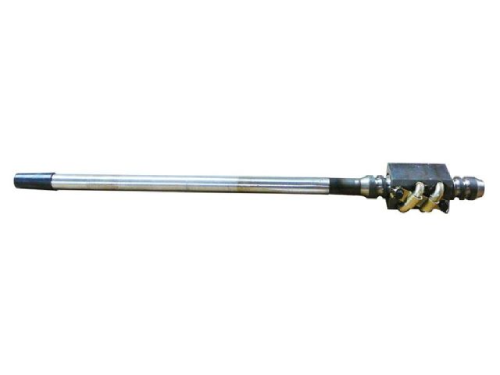
A steering shaft is the mechanical link that transmits rotational force from the steering wheel to the steering gearbox or rack. In a tractor, this component must withstand high torque, continuous vibration, uneven terrain, and long hours of operation. While many people assume steering shafts are simple rods, they actually vary significantly in design, engineering, flexibility, load capacity, and application-specific configuration.
For agricultural machinery, the tractor steering shaft is even more critical, because a failure can instantly compromise steering response, safety, and operating efficiency. The type of shaft used determines not only steering smoothness, but also durability, field adaptability, and compatibility with attachments or steering upgrades.
Why Different Steering Shaft Types Exist?
Different types of steering shafts were developed to solve distinct engineering challenges. Some tractors require higher rotational stability; others require better vibration absorption or flexible angles due to varying cabin and chassis layouts. Modern tractors, especially Kubota-style compact agricultural machines, often use modular shaft systems to simplify maintenance and improve longevity.
Because of these demands, farmers, maintenance technicians, and OEM manufacturers often prefer specialized shafts such as the 34150-16200 for Kubota, engineered for long service life and precision fitment.
CXNOFIA's Role in Precision Steering Shaft Manufacturing
CXNOFIA has become a trusted name in the tractor replacement parts field by producing high-quality steering shaft solutions. Their steering shafts—especially models like the 34150-16200 for Kubota—are manufactured with strict dimensional accuracy, optimized hardness, and surface treatments designed to reduce wear. For customers requiring a custom steering shaft, CXNOFIA also offers tailored configurations to match unique farm machinery needs.
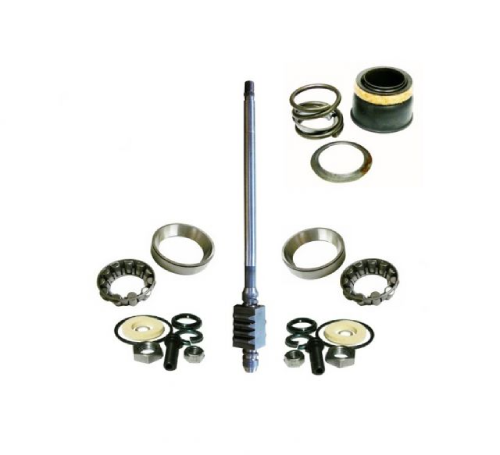
What Different Types of Steering Shafts Exist?
2.1 Solid Steering Shafts
Solid shafts are the most traditional design, typically made from strong carbon or alloy steel. They deliver high rigidity and precise steering feedback. These shafts are commonly used in compact tractors and older models that prioritize structural strength over flexibility. For heavy-duty field work or front-loader operations, a solid tractor steering shaft prevents excessive flexing and supports consistent torque delivery.
2.2 Telescopic Steering Shafts
For tractors requiring adjustable cabin layouts or variable steering column lengths, telescopic shafts allow extension and contraction. This design improves driver ergonomics and helps accommodate different seating heights. The internal splines or notched mechanisms allow the shaft to slide in and out without sacrificing stability. Many modern Kubota-type machines adopt a telescopic assembly combined with universal joints.
2.3 Steering Shafts with Universal Joints (U-Joint Shafts)
U-joint shafts are essential where the steering wheel and gearbox are not perfectly aligned. Their joints enable rotational transfer across angles, reducing stress on the mechanism while improving driver control. Multi-joint shafts are widely used in agricultural tractors where cabin design or engine placement requires angled routing.
CXNOFIA manufactures U-joint shaft assemblies that maintain smooth torque transfer even under high vibration—ideal for uneven farmland conditions.
2.4 Double-D Steering Shafts (D-Shaped Shafts)
Double-D shafts are recognizable by their two flat sides, allowing secure fitment into matching D-shaped couplers. This design resists rotational slippage and simplifies installation. Because D-shafts provide excellent torque handling and straightforward alignment, they are often selected for custom steering shaft projects requiring precise rotational engagement.
2.5 Splined Steering Shafts
Splined shafts include multiple ridges that mesh with corresponding internal splines, providing highly secure coupling. These shafts are ideal for tractors operating under heavy load or frequent directional adjustments. Splined designs are also favored in OEM tractor assemblies due to their ability to maintain alignment over long-term use.
2.6 OEM Specific Steering Shafts (e.g., 34150-16200 for Kubota)
Many tractors require OEM-matched steering shafts to ensure proper fit and steering geometry. The 34150-16200 for Kubota is a well-known example, engineered for compatibility with specific Kubota tractor models. CXNOFIA's version of this shaft is built using precision machining and upgraded materials intended to match or exceed original performance.
2.7 Custom Steering Shafts for Specialized Tractors
Some tractors, especially modified units used for orchard work, vineyard navigation, or hill-climbing operations, require unique steering angles or reinforced shafts. A custom steering shaft may include special lengths, heat treated finishes, double U-joint configurations, or corrosion-resistant coatings. CXNOFIA serves this niche with tailored manufacturing options for agricultural, industrial, and off-road steering systems.
How Do You Choose the Right Type of Steering Shaft for Your Tractor?
3.1 Match the Shaft Type to Your Tractor's Steering Layout
Choosing the right tractor steering shaft involves understanding how your tractor's steering column, chassis, and gearbox are arranged. If your steering input and gearbox sit at different angles, a U-joint shaft is necessary. If your cabin height varies due to seat adjustments, telescopic shafts are preferable.
3.2 Consider Load Requirements and Field Conditions
Heavy lifting, hilly terrain, and constant maneuvering require steering shafts designed for high torque and durability. Splined or double-D shafts provide stronger engagement in harsh environments.
3.3 Check OEM Compatibility
If your tractor requires a specific model—such as the 34150-16200 for Kubota—selecting an OEM equivalent shaft is essential for proper fitment. CXNOFIA shafts are dimensionally matched to original specifications, ensuring easy installation and stable operation.
3.4 When a Custom Steering Shaft Is the Better Option
A custom steering shaft is the optimal solution when:
the tractor has been modified
the steering geometry is unique
angles exceed the capability of standard U-joints
OEM parts are unavailable or discontinued
CXNOFIA provides OEM replacement options as well as full customization to meet specialized farming needs.
3.5 CXNOFIA's Manufacturing Advantages
CXNOFIA integrates CNC machining, precision heat treatment, and strict quality control to ensure consistent steering response and long service life. Their shafts undergo surface strengthening to minimize wear and prevent rust—critical for machines exposed to moisture, dust, and chemicals.
Why Do Quality and Type Matter for Tractor Steering Safety?
4.1 Preventing Steering Failures in the Field
A poorly fitted or worn steering shaft can lead to delayed response, inconsistent turning angles, or sudden loss of steering. In agricultural work—where tractors often navigate slopes, soft soil, and tight farm paths—reliable steering is a non-negotiable safety requirement.
4.2 Reducing Vibration and Improving Control
The right shaft type can dramatically improve driver comfort by absorbing vibration and maintaining stable steering input. Telescopic shafts and U-joint shafts offer smoother engagement at varying angles, making long workdays safer and less fatiguing.
4.3 Ensuring Long Term Reliability
High quality shafts prevent premature wear on the steering gearbox and column components. CXNOFIA's robust engineering helps reduce maintenance downtime, which is essential for farms running tractors daily during planting or harvest seasons.
FAQ
Q1: How often should I replace a tractor steering shaft?
Steering shafts typically last years, but heavy usage, vibration, or rust can shorten lifespan. Inspect annually or whenever steering feels loose.
Q2: Is the 34150-16200 for Kubota interchangeable with other brands?
It is specifically engineered for Kubota applications. CXNOFIA provides exact-fit versions for guaranteed compatibility.
Q3: Can a custom steering shaft improve tractor handling?
Yes. A custom steering shaft optimized for angle, length, and reinforcement can significantly improve steering precision and durability.
Q4: How do I know a steering shaft is failing?
Signs include knocking noises, excessive play in the wheel, difficulty turning, or inconsistent steering response.
Q5: Are CXNOFIA steering shafts easy to install?
Yes. CXNOFIA designs shafts with OEM precise dimensions, making installation straightforward for most tractor models.
Why Do Diesel Engines Have Cylinder Liners?
Can You Reuse An External Circlip And Why?
Related Article
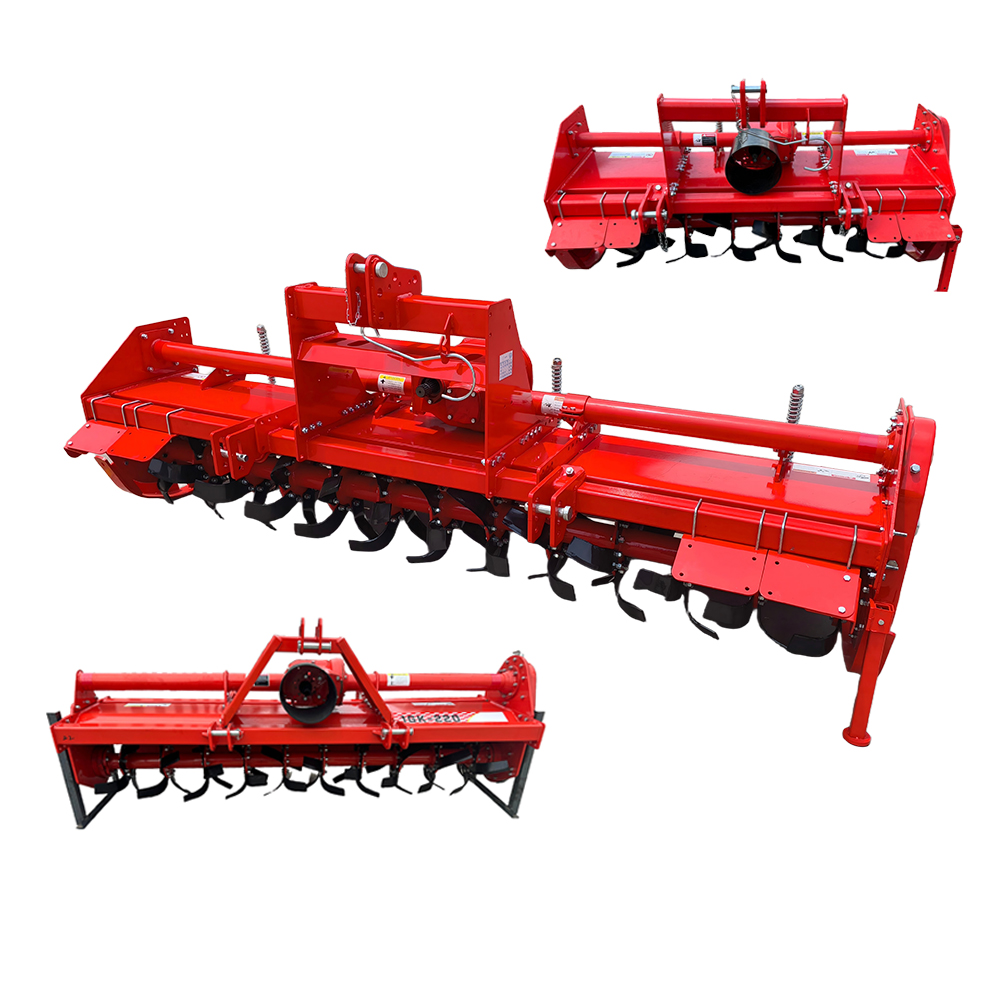
Explore MASCHIO-type rotary tillers from CXNOFIA, including 1MB, 1MC and 1GK series with 35–220 HP applications and 120–360 cm working widths.
MASCHIO-Type Rotary Tiller: 1MB, 1MC & 1GK Series Guide
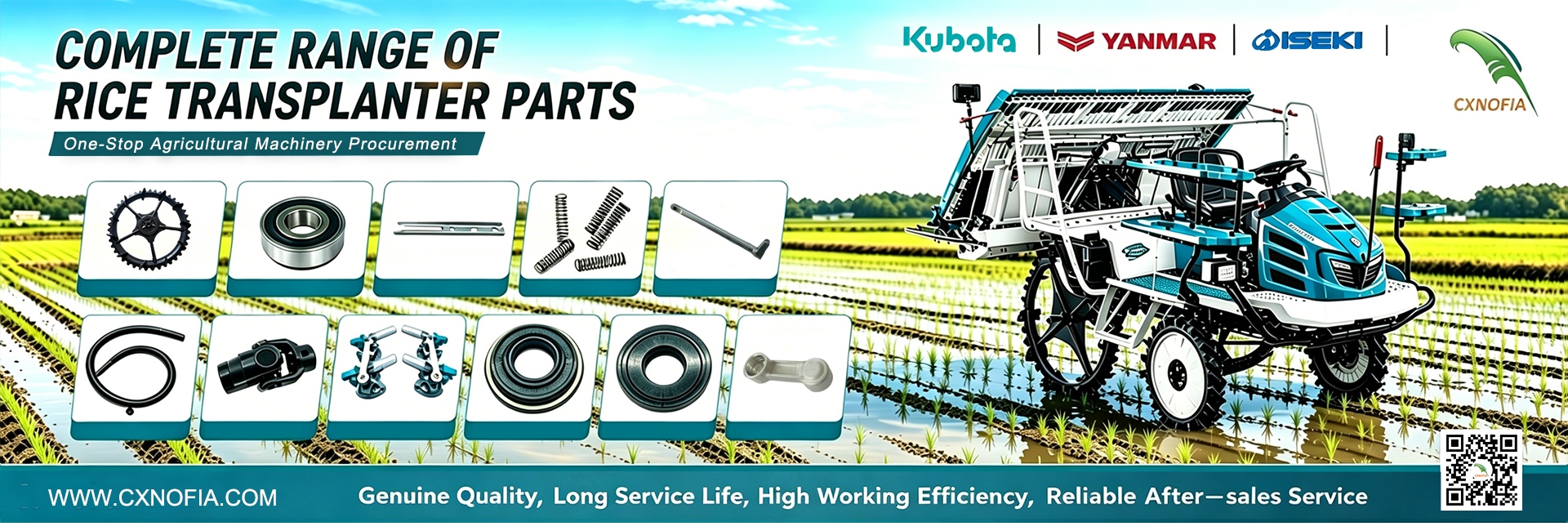
Explore the complete rice transplanter spare parts list for Kubota, Yanmar and ISEKI machines. Learn which replacement parts wear out most frequently, what dealers should keep in stock, and how CXNOFIA provides one-stop agricultural machinery spare parts solutions worldwide.
Complete Rice Transplanter Spare Parts List: Top Replacement Parts for Kubota, Yanmar & ISEKI Machines