Do Flange Bolts Need Washers?
When it comes to securing heavy duty components in construction, industrial machinery, and agricultural equipment like tractors, fasteners play a vital role. Among the wide variety of bolts available today, the flange bolt stands out for its unique design and high performance application. But one question that often arises in engineering and mechanical discussions is: do flange bolts need washers?
What Is a Flange Bolt?
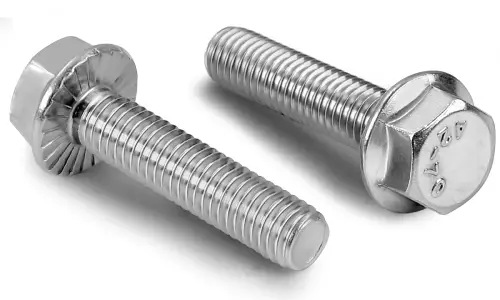
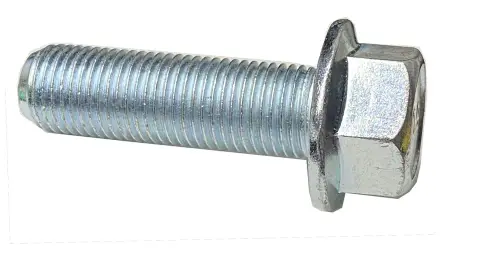
A flange bolt, also referred to as a flange head bolt, is a type of bolt that has a built-in washer-like flange beneath the head. This integrated flange distributes the load of the bolt more evenly across the surface it is fastened to. Unlike traditional bolts that often require separate washers to prevent loosening and protect the material being fastened, flange bolts provide a two-in-one solution.
There are typically two types of flange bolts:
Serrated flange bolts – These have ridges on the flange that grip into the surface to reduce loosening due to vibration.
Smooth flange bolts – These provide load distribution but without the additional grip provided by serrations.
Flange bolts are often made from high-strength steel and coated with zinc or other corrosion-resistant materials, making them ideal for demanding environments.
Applications of Flange Bolts in Tractors
Tractors are powerful machines that perform a variety of tasks on farms, from plowing and tilling to hauling heavy loads. Their components are subjected to intense mechanical stress and continuous vibration. This makes the choice of fastening hardware crucial to the machine's safety, efficiency, and longevity.
Flange bolts are used extensively in tractor assemblies due to the following applications:
Engine mounts – where the bolts must endure both heat and vibration.
Transmission systems – where they secure components under rotational stress.
Frame assemblies – for attaching major structural parts that must stay securely fastened even in harsh terrain.
Hydraulic systems – where high-pressure components must remain leak-free and tightly joined.
The ability of flange hardware to provide strong, vibration-resistant fastening makes it especially suitable for these high stress points.
Benefits of Using Flange Bolts in Tractor Machinery
The advantages of using flange bolts over standard bolts with washers are many, particularly in the agricultural industry:
1. Improved Load Distribution
The flange head spreads the clamping force over a wider area, which reduces the chance of damage to the parts being joined. This is especially important for soft metal surfaces or plastic housings used in modern tractors.
2. Vibration Resistance
Many flange bolts feature a serrated flange that bites into the material, creating extra resistance to loosening from vibration. This feature is critical in tractors, which constantly operate on uneven ground and under high mechanical load.
3. Faster Assembly Time
Since flange hardware eliminates the need for a separate washer, assembly time is significantly reduced. This is particularly valuable in mass production and maintenance operations where time is money.
4. Cost Efficiency
Eliminating the need for washers reduces the number of parts required, which can simplify inventory management and reduce overall costs, especially when dealing with large numbers of fasteners.
5. Enhanced Safety and Reliability
A bolt that loosens during tractor operation could lead to catastrophic equipment failure. Flange head bolts offer a secure and long-lasting connection that increases operational safety.
So, Do Flange Bolts Need Washers?
Now that we understand the structure and advantages of flange bolts, we return to the central question: do flange bolts need washers? The short answer is usually not.
Because flange bolts are designed with an integrated flange that mimics the function of a washer, the need for a separate washer is generally eliminated. Here's why:
The built in flange already spreads the load and protects the surface from damage, just as a washer would.
Serrated flange bolts provide anti loosening properties without relying on lock washers or additional fasteners.
In many applications, especially automotive and agricultural, flange bolts are engineered to function independently of extra hardware.
However, there are a few exceptions:
In situations where the flange bolt is installed into soft materials like plastic or aluminum, an additional washer may be used to further reduce surface stress.
In high precision or corrosion prone applications, specialty washers (such as sealing washers or spring washers) might still be recommended for enhanced sealing or tension retention.
But for the vast majority of tractor applications and general machinery use, flange bolts do not need washers. That's one of their main selling points—they reduce component count without sacrificing strength or reliability.
Choosing the Right Flange Bolt for Tractor Repairs
When selecting a flange bolt for your tractor or machinery, consider the following:
Material – Stainless steel and zinc-plated bolts offer corrosion resistance, while hardened steel provides high strength.
Head Style – Choose between hex flange bolts or 12-point flange bolts depending on your tool setup.
Serrated or Smooth – Serrated options are ideal for resisting loosening from vibration; smooth ones are better for non-marring applications.
Size and Thread Pitch – Always use the manufacturer-recommended specifications to ensure proper fit and performance.
Using OEM approved flange hardware ensures your repairs or replacements will meet factory standards and operate reliably in tough field conditions.
Why Flange Bolts Are a Smart Choice?
The flange bolt is more than just a bolt—it's a smart, engineered solution for modern machinery needs. With its built-in washer feature, secure fit, and vibration-resistant performance, it's no wonder that flange bolts have become the fastener of choice in tractors and agricultural equipment.
So, to revisit the question, do flange bolts need washers? In most cases, the answer is no—and that's exactly what makes them so efficient. With fewer components, easier installation, and enhanced reliability, flange bolts simplify assembly while improving mechanical performance.
If you're looking to streamline your maintenance process or improve your equipment's durability, consider upgrading your hardware with high quality flange head bolts. Whether you're a tractor owner, mechanic, or equipment manufacturer, using the right fastener can make all the difference.
Discover our wide range of premium 01754-50812 flange head bolt for Kubota tractors. Produced by CXNOFIA, a reliable Chinese supplier of Kubota tractor parts, this flange hardware is designed to deliver exceptional performance and long lasting durability. Enjoy competitive pricing, swift international shipping, easy returns, and exclusive time limited offers. Place your order today!
How to Install External Circlip?
How Does Hub Reduction Work?
Related Article