Do You Need To Change Your Harvesting Parts Guide Roller?
2025-01-27
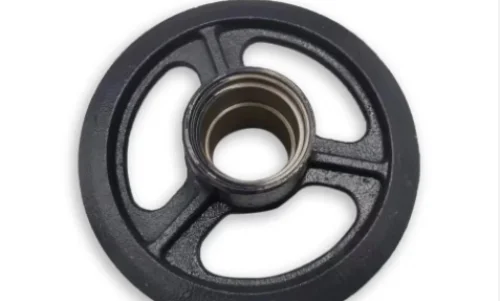
When it comes to harvesting machinery, the guide roller is one of the unsung heroes that ensure smooth operation. Whether you're working with combine harvesters, forage harvesters, or other agricultural machines, the guide roller is essential for directing the machine's operation while preventing unnecessary friction and wear. Over time, however, like all mechanical components, harvesting parts, including guide rollers, undergo wear and tear. So, how do you know when it's time and why to replace the guide roller wheels?
What is a Guide Roller For Harvesting Parts?
The guide roller is a crucial component in the harvesters, often positioned along the feeding and cutting systems of combine harvesters, forage harvesters, or other harvesting machines. These rollers are designed to keep parts of the machine, like belts, chains, or other movable components, aligned and moving smoothly during operation.
Guide rollers serve multiple functions:
Direction Control: They guide and support the machinery's moving parts, ensuring the equipment stays on track and operates efficiently.
Minimizing Friction: They help reduce friction between the moving components and other parts of the machine, such as the cutter bars, conveyors, or spindles, ultimately extending the lifespan of the machinery.
Preventing Wear and Tear: By ensuring proper alignment and preventing undue friction, guide rollers minimize damage to other key components of the harvester, reducing the need for frequent repairs and downtime.
These functions are particularly crucial during the harvesting process, where optimal efficiency is critical to meet the demands of modern farming. However, over time, continuous operation and external factors such as dirt, debris, and weather conditions can degrade the guide roller wheels and render them less effective.
Key Features of Guide Rollers in Harvesting Machines
Durability: Guide rollers are made from materials like steel, rubber, or polyurethane, designed to withstand harsh harvesting conditions such as high temperatures, moisture, and debris.
Size and Design: The size and design of the guide rollers can vary depending on the type of harvester and its application. They are often tailored to the specific machinery, ensuring maximum efficiency.
Understanding the essential role of the harvesting parts guide roller in your equipment is crucial to maintaining a fully functional and reliable harvester. Now, let's move on to how wear and tear can affect these components.
Signs That Your Guide Roller Needs Replacing
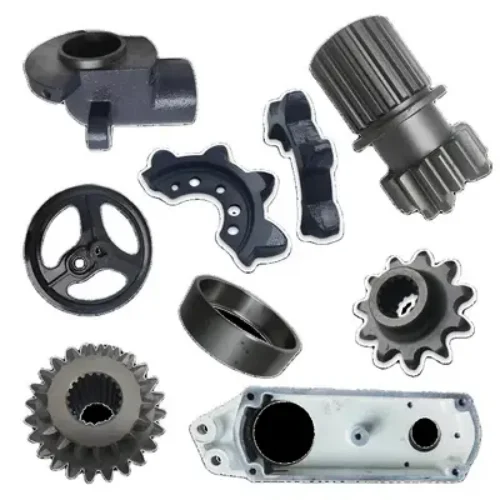
As your harvester works through the harvesting season, it's important to keep an eye on the condition of the guide roller wheels. While these parts are built to last, continuous use can cause them to wear out. Here are some common signs that it might be time to replace your harvesting parts guide roller.
1. Visible Damage to the Roller Surface
One of the most noticeable signs that a guide roller may need to be replaced is visible damage to its surface. Look for cracks, chips, or significant wear on the rubber or metal components of the guide roller. Any irregularities on the surface of the roller will impact its ability to properly guide and align the other parts of the machine, leading to inefficient operation.
One of the most noticeable signs that a guide roller may need to be replaced is visible damage to its surface. Look for cracks, chips, or significant wear on the rubber or metal components of the guide roller. Any irregularities on the surface of the roller will impact its ability to properly guide and align the other parts of the machine, leading to inefficient operation.
2. Excessive Vibration or Noise
Another indication that the guide roller is wearing out is if you notice increased vibration or noise from the machine. Guide rollers help reduce friction and ensure smooth operation, but a worn or damaged roller may cause parts of the machine to misalign, creating unnecessary vibrations or even rattling sounds. This can make your machine harder to operate and could signal that internal components are experiencing more wear than usual.
Another indication that the guide roller is wearing out is if you notice increased vibration or noise from the machine. Guide rollers help reduce friction and ensure smooth operation, but a worn or damaged roller may cause parts of the machine to misalign, creating unnecessary vibrations or even rattling sounds. This can make your machine harder to operate and could signal that internal components are experiencing more wear than usual.
3. Decreased Performance or Efficiency
A damaged or worn out guide roller wheel can also lead to a drop in performance and efficiency. Since the rollers guide moving parts in the harvester, any misalignment caused by a faulty roller can affect the overall harvesting process. If your machine is performing poorly or taking longer than usual to complete tasks, it might be due to damaged guide rollers.
A damaged or worn out guide roller wheel can also lead to a drop in performance and efficiency. Since the rollers guide moving parts in the harvester, any misalignment caused by a faulty roller can affect the overall harvesting process. If your machine is performing poorly or taking longer than usual to complete tasks, it might be due to damaged guide rollers.
4. Increased Wear on Other Components
When a guide roller starts to fail, other components that depend on it for alignment and smooth operation may experience increased wear. For instance, belts, chains, and other mechanical parts can become strained due to misalignment, leading to further damage and costly repairs. If you notice that other parts of the harvester are wearing out more quickly than expected, a worn guide roller might be to blame.
When a guide roller starts to fail, other components that depend on it for alignment and smooth operation may experience increased wear. For instance, belts, chains, and other mechanical parts can become strained due to misalignment, leading to further damage and costly repairs. If you notice that other parts of the harvester are wearing out more quickly than expected, a worn guide roller might be to blame.
5. Reduced Traction or Slippage
Slippage and reduced traction can occur when the guide roller is no longer functioning properly. If the roller fails to maintain proper alignment, it can cause parts of the harvester to slip or lose traction, resulting in a decrease in overall machine performance. This may be especially noticeable in machines that rely on belts and chains for movement.
Slippage and reduced traction can occur when the guide roller is no longer functioning properly. If the roller fails to maintain proper alignment, it can cause parts of the harvester to slip or lose traction, resulting in a decrease in overall machine performance. This may be especially noticeable in machines that rely on belts and chains for movement.
6. Overheating
Excess friction from a malfunctioning guide roller can cause certain parts of the machine to overheat. As the roller becomes less efficient in managing the motion of various parts, heat buildup becomes more common. If you notice any parts of your harvester overheating, it may be time to inspect the guide roller wheels for wear or damage.
Excess friction from a malfunctioning guide roller can cause certain parts of the machine to overheat. As the roller becomes less efficient in managing the motion of various parts, heat buildup becomes more common. If you notice any parts of your harvester overheating, it may be time to inspect the guide roller wheels for wear or damage.
Why You Should Replace Worn Guide Rollers
Replacing a worn or damaged harvesting parts guide roller is essential for several reasons. Continuing to operate a machine with faulty rollers can lead to more serious issues, including system breakdowns, excessive maintenance costs, and downtime. Below are some of the key reasons why it is important to replace worn guide roller wheels.
1. Improve Machine Efficiency
One of the most important reasons for replacing the guide roller is to restore the efficiency of your harvester. The roller helps reduce friction and ensures the proper alignment of moving parts, preventing unnecessary strain on other components. A smooth, well-functioning guide roller reduces energy loss, improving overall performance and efficiency. This, in turn, helps increase your machine's productivity, ensuring you can complete more work in less time.
One of the most important reasons for replacing the guide roller is to restore the efficiency of your harvester. The roller helps reduce friction and ensures the proper alignment of moving parts, preventing unnecessary strain on other components. A smooth, well-functioning guide roller reduces energy loss, improving overall performance and efficiency. This, in turn, helps increase your machine's productivity, ensuring you can complete more work in less time.
2. Prevent Damage to Other Components
A worn out guide roller can cause misalignment of belts, chains, or other moving parts, which leads to increased wear on those components. In many cases, the damage caused by a faulty guide roller can extend to other parts of the harvesting machine, leading to costly repairs and downtime. Replacing the worn-out rollers will prevent damage to other crucial components, saving you money in the long term.
A worn out guide roller can cause misalignment of belts, chains, or other moving parts, which leads to increased wear on those components. In many cases, the damage caused by a faulty guide roller can extend to other parts of the harvesting machine, leading to costly repairs and downtime. Replacing the worn-out rollers will prevent damage to other crucial components, saving you money in the long term.
3. Avoid Equipment Downtime
Equipment downtime can be costly, especially during peak harvesting seasons. A malfunctioning guide roller can cause unexpected breakdowns, forcing your equipment to remain idle while waiting for repairs or replacement parts. By replacing the guide roller wheels proactively, you reduce the risk of unexpected failures and ensure that your machine operates reliably throughout the season.
Equipment downtime can be costly, especially during peak harvesting seasons. A malfunctioning guide roller can cause unexpected breakdowns, forcing your equipment to remain idle while waiting for repairs or replacement parts. By replacing the guide roller wheels proactively, you reduce the risk of unexpected failures and ensure that your machine operates reliably throughout the season.
4. Maintain Safety Standards
Improperly functioning guide rollers can result in hazardous situations, both for the machine and the operator. If the machine becomes misaligned or parts start slipping, the risk of accidents increases. Ensuring that your harvesting parts guide roller is in good condition helps maintain safety standards and protects both the equipment and the operator from potential harm.
Improperly functioning guide rollers can result in hazardous situations, both for the machine and the operator. If the machine becomes misaligned or parts start slipping, the risk of accidents increases. Ensuring that your harvesting parts guide roller is in good condition helps maintain safety standards and protects both the equipment and the operator from potential harm.
5. Protect Your Investment
Your harvesting equipment is a significant investment. Proper maintenance, including the timely replacement of components like guide rollers, ensures that your machinery lasts longer and operates at its peak performance. By replacing worn rollers before they cause more extensive damage, you are protecting the longevity of your harvester and maximizing its return on investment.
Your harvesting equipment is a significant investment. Proper maintenance, including the timely replacement of components like guide rollers, ensures that your machinery lasts longer and operates at its peak performance. By replacing worn rollers before they cause more extensive damage, you are protecting the longevity of your harvester and maximizing its return on investment.
How to Replace the Harvesting Parts Guide Roller
Replacing a worn guide roller is a relatively straightforward process, but it requires attention to detail to ensure the proper function of the equipment. Here's how you can replace the guide roller wheels on your harvesting machine.
Step 1: Inspect the Roller
Before replacing the roller, thoroughly inspect it to confirm that it is indeed damaged. Check for cracks, excessive wear, or any irregularities in the surface. It is also essential to check for wear on the roller's bearings or other components to ensure that all parts are functioning properly.
Before replacing the roller, thoroughly inspect it to confirm that it is indeed damaged. Check for cracks, excessive wear, or any irregularities in the surface. It is also essential to check for wear on the roller's bearings or other components to ensure that all parts are functioning properly.
Step 2: Gather the Necessary Tools and Parts
Make sure you have all the necessary tools for the job, including a wrench set, replacement guide roller, and any other equipment needed to remove and install the new roller. Having the right parts is essential, as using incorrect rollers could affect the performance of the harvester.
Make sure you have all the necessary tools for the job, including a wrench set, replacement guide roller, and any other equipment needed to remove and install the new roller. Having the right parts is essential, as using incorrect rollers could affect the performance of the harvester.
Step 3: Remove the Old Roller
Using the appropriate tools, remove the bolts or fasteners securing the worn-out guide roller. Carefully remove the old roller from its position, taking care not to damage any surrounding components.
Using the appropriate tools, remove the bolts or fasteners securing the worn-out guide roller. Carefully remove the old roller from its position, taking care not to damage any surrounding components.
Step 4: Install the New Guide Roller
Place the new guide roller in position, ensuring that it aligns properly with the system's moving parts. Secure it with bolts or fasteners, ensuring it is tightly fastened. Double-check the alignment before tightening all components fully.
Place the new guide roller in position, ensuring that it aligns properly with the system's moving parts. Secure it with bolts or fasteners, ensuring it is tightly fastened. Double-check the alignment before tightening all components fully.
Step 5: Test the System
Once the new guide roller wheels are installed, test the system by running the harvester for a short period. Listen for any unusual noises and check for smooth operation. If the machine runs smoothly without excessive noise, vibration, or slippage, the installation was successful.
Once the new guide roller wheels are installed, test the system by running the harvester for a short period. Listen for any unusual noises and check for smooth operation. If the machine runs smoothly without excessive noise, vibration, or slippage, the installation was successful.
Replacing worn harvesting parts guide rollers is a crucial part of maintaining the efficiency, performance, and safety of your harvesting equipment. By recognizing the signs of a faulty roller, such as increased vibrations, poor performance, or visible damage, you can proactively replace it and avoid more costly repairs in the future. Regular inspection and timely replacement of guide roller wheels will ensure your machinery
Choose from our extensive line of 5T051-23873 harvesting parts guide roller for kubota Dc60 Dc68g, crafted by CXNOFIA, a reputable Chinese guide roller wheels manufacturer. Enjoy top quality harvesting parts at competitive prices, quick international shipping, convenient returns, and limited time deals!
Why Tractor Needs An Assy Bracket?
How Do I Know If Excavator Exhaust Manifold Is Broken?
Related Article
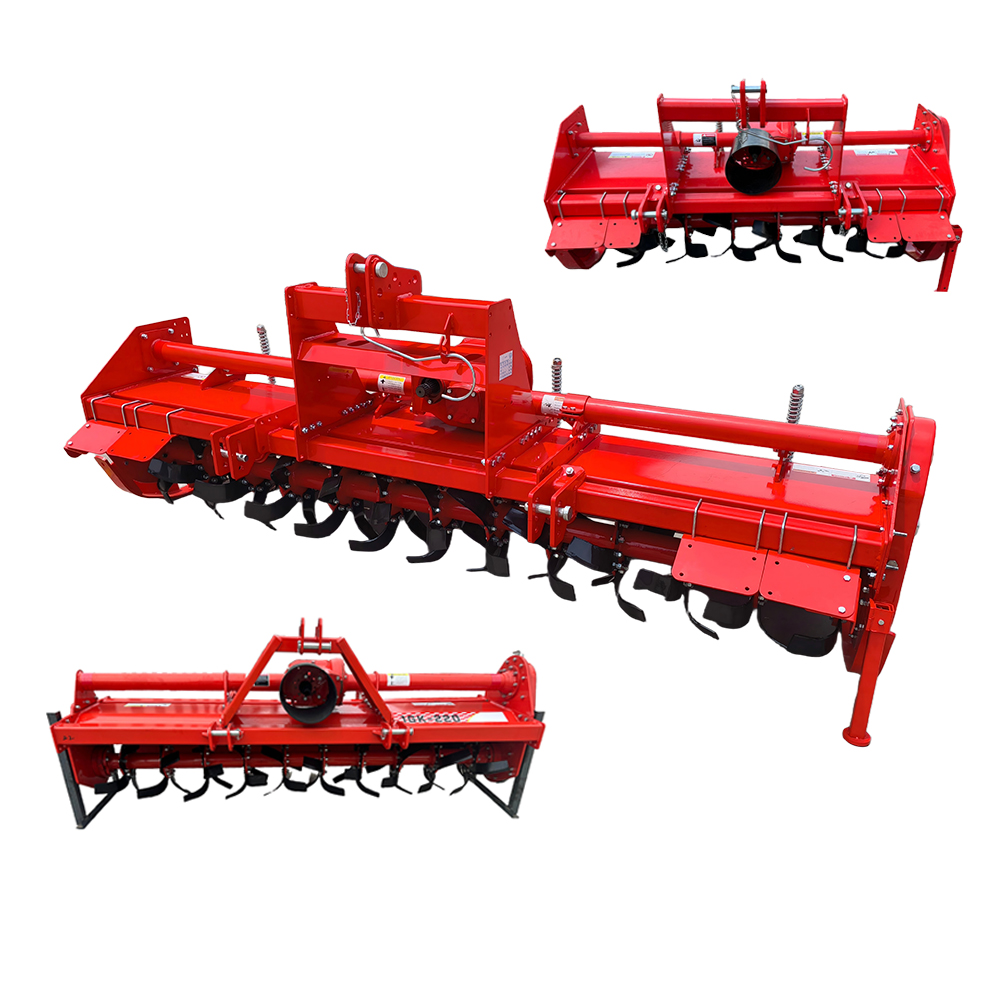
Explore MASCHIO-type rotary tillers from CXNOFIA, including 1MB, 1MC and 1GK series with 35–220 HP applications and 120–360 cm working widths.
MASCHIO-Type Rotary Tiller: 1MB, 1MC & 1GK Series Guide
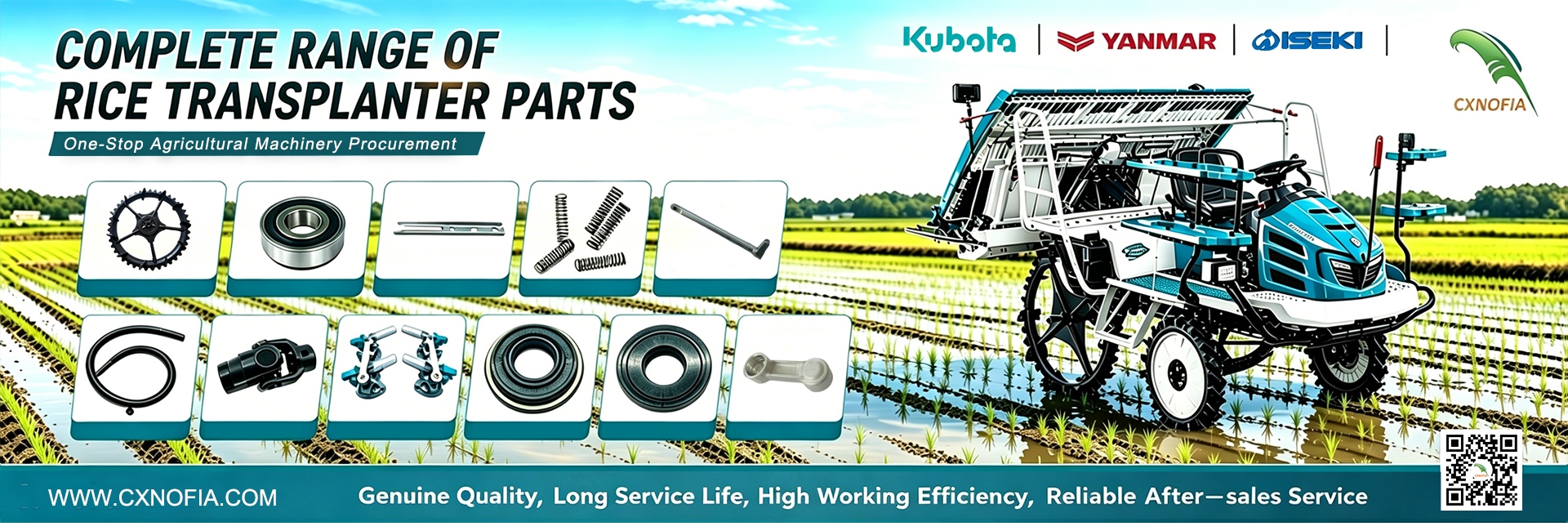
Explore the complete rice transplanter spare parts list for Kubota, Yanmar and ISEKI machines. Learn which replacement parts wear out most frequently, what dealers should keep in stock, and how CXNOFIA provides one-stop agricultural machinery spare parts solutions worldwide.
Complete Rice Transplanter Spare Parts List: Top Replacement Parts for Kubota, Yanmar & ISEKI Machines