
How Do I Know If Excavator Exhaust Manifold Is Broken?
2025-01-24
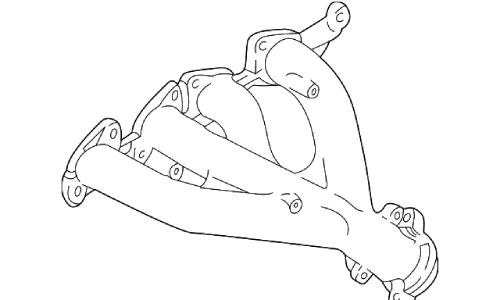
The exhaust manifold plays a crucial role in the engine of an excavator, as it channels the exhaust gases away from the engine and out of the exhaust system. However, due to the extreme heat and constant stress, it is susceptible to cracks and damage. Identifying whether your excavator's engine exhaust manifold is broken or cracked can prevent serious engine issues and costly repairs.
What is the Engine Exhaust Manifold?
The engine exhaust manifold is a critical part of the exhaust system, designed to collect and direct the exhaust gases from the engine's cylinders into the exhaust pipe. The exhaust manifold is typically bolted to the cylinder head, and it works by funneling the exhaust gases from each cylinder into a single pipe, directing them safely out of the engine and away from critical components.
Since the exhaust gases are extremely hot and under high pressure, the manifold experiences significant heat stress. Over time, this exposure can cause the manifold to crack, resulting in various engine problems.
Common Causes of Exhaust Manifold Cracks
The most common cause of cracks in the exhaust manifold is heat. When the engine is running, the manifold is exposed to extremely high temperatures. As the manifold cools down and heats up repeatedly, the metal expands and contracts, which can lead to stress cracks over time. Other contributing factors may include:
Poor maintenance: Lack of regular inspections and maintenance can lead to damage that worsens over time.
Corrosion: Moisture or water exposure can cause rust, weakening the manifold.
Impact damage: Accidental impacts or debris hitting the manifold can result in fractures.
Understanding the causes and importance of the exhaust manifold will help you diagnose issues early and prevent further engine complications.
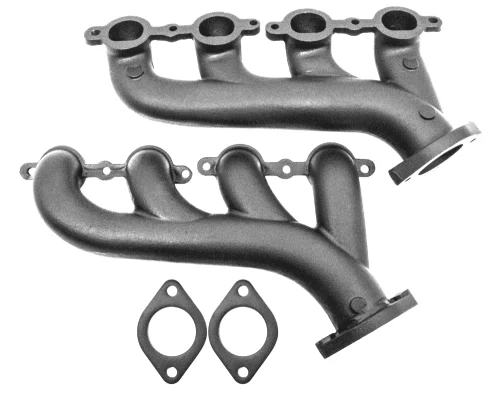
Signs of Exhaust Manifold Leak
When an exhaust manifold cracks or fails, there are several signs you may notice, which can help you identify the problem before it causes more severe damage.
1. Visible Cracking
The most obvious sign of a damaged exhaust manifold is visible cracks on the surface. Cracks typically form near the bolts or seams where the manifold connects to the engine. Sometimes, smaller hairline cracks are difficult to detect without a closer inspection. If you suspect damage, it may be necessary to remove the manifold and inspect it thoroughly. If you spot visible cracks, it is likely time for a replacement.
The most obvious sign of a damaged exhaust manifold is visible cracks on the surface. Cracks typically form near the bolts or seams where the manifold connects to the engine. Sometimes, smaller hairline cracks are difficult to detect without a closer inspection. If you suspect damage, it may be necessary to remove the manifold and inspect it thoroughly. If you spot visible cracks, it is likely time for a replacement.
2. Excess Noise from the Engine Bay
A cracked manifold and exhaust system often results in abnormal noises. The exhaust gases will leak through the crack, causing a noticeable increase in engine noise. This noise may be a clicking sound when the engine is cold, or it can escalate to a more pronounced whistling or whooshing noise. These sounds are often more apparent when the engine is first started. If you hear unusual noises coming from the engine bay, inspect the exhaust manifold.
A cracked manifold and exhaust system often results in abnormal noises. The exhaust gases will leak through the crack, causing a noticeable increase in engine noise. This noise may be a clicking sound when the engine is cold, or it can escalate to a more pronounced whistling or whooshing noise. These sounds are often more apparent when the engine is first started. If you hear unusual noises coming from the engine bay, inspect the exhaust manifold.
3. Exhaust Odors
A cracked exhaust manifold can also lead to an unpleasant smell in and around the engine bay. Since exhaust gases are escaping through the crack, the typical exhaust odors may become more pronounced. This can be harmful to both the environment and the occupants of the vehicle, especially if the leak is significant. In some cases, the odors may even enter the cabin of the excavator, posing a health risk.
A cracked exhaust manifold can also lead to an unpleasant smell in and around the engine bay. Since exhaust gases are escaping through the crack, the typical exhaust odors may become more pronounced. This can be harmful to both the environment and the occupants of the vehicle, especially if the leak is significant. In some cases, the odors may even enter the cabin of the excavator, posing a health risk.
4. Loss of Engine Performance
The engine exhaust manifold plays an essential role in maintaining proper backpressure within the engine. Backpressure is crucial for the optimal operation of the engine, as it ensures the exhaust gases are evacuated efficiently. A cracked manifold will disrupt this process, causing a decrease in engine performance. You may notice a decrease in power, sluggish acceleration, or rough idling. This loss of performance is a clear sign that something is wrong with the exhaust system.
The engine exhaust manifold plays an essential role in maintaining proper backpressure within the engine. Backpressure is crucial for the optimal operation of the engine, as it ensures the exhaust gases are evacuated efficiently. A cracked manifold will disrupt this process, causing a decrease in engine performance. You may notice a decrease in power, sluggish acceleration, or rough idling. This loss of performance is a clear sign that something is wrong with the exhaust system.
5. Decreased Fuel Efficiency
If your excavator is using more fuel than usual, a damaged exhaust manifold could be to blame. The engine needs to work harder to compensate for the loss of backpressure caused by the crack. As a result, the engine consumes more fuel than necessary, which can significantly impact your fuel costs. If you notice a significant drop in fuel efficiency, inspect the exhaust manifold for signs of damage.
If your excavator is using more fuel than usual, a damaged exhaust manifold could be to blame. The engine needs to work harder to compensate for the loss of backpressure caused by the crack. As a result, the engine consumes more fuel than necessary, which can significantly impact your fuel costs. If you notice a significant drop in fuel efficiency, inspect the exhaust manifold for signs of damage.
6. Overheated Engine Bay
The exhaust gases in the manifold are extremely hot, and if the manifold is cracked, this heat can escape into the engine bay. This can cause surrounding components to overheat, leading to further damage in the engine. You may notice an increase in engine temperatures or even visible signs of heat damage on surrounding parts. Excessive heat can also trigger other issues, such as damaging seals or causing the engine oil to degrade faster.
The exhaust gases in the manifold are extremely hot, and if the manifold is cracked, this heat can escape into the engine bay. This can cause surrounding components to overheat, leading to further damage in the engine. You may notice an increase in engine temperatures or even visible signs of heat damage on surrounding parts. Excessive heat can also trigger other issues, such as damaging seals or causing the engine oil to degrade faster.
Can a Cracked Exhaust Manifold Affect Oxygen Sensor Operation?
A commonly asked question is, ‘Can a cracked exhaust manifold affect oxygen sensor operation?’ The short answer is yes. The oxygen sensors are an integral part of the exhaust system, monitoring the level of oxygen in the exhaust gases to ensure the engine operates efficiently. A crack in the exhaust manifold can interfere with the sensor's ability to accurately measure the exhaust gases.
How the Oxygen Sensor Works
Oxygen sensors are designed to measure the proportion of oxygen in the exhaust gases. Based on this measurement, the engine control unit (ECU) adjusts the fuel mixture to optimize combustion and reduce emissions. A cracked exhaust manifold can cause exhaust gases to leak before they reach the oxygen sensor, leading to incorrect readings.
Effects of a Cracked Exhaust Manifold on the Oxygen Sensor
False Readings: The oxygen sensor may receive incorrect data due to the leaking exhaust gases, which can affect the ECU's ability to adjust the fuel air mixture. This can result in poor fuel efficiency, engine misfires, and increased emissions.
Damaged Sensor: Prolonged exposure to leaking exhaust gases can damage the oxygen sensor, requiring costly replacement.
Poor Engine Performance: Since the ECU relies on the oxygen sensor's feedback to regulate engine performance, a malfunctioning sensor can lead to reduced engine power, erratic idling, and poor acceleration.
If you suspect a cracked exhaust manifold, addressing the issue promptly can prevent damage to the oxygen sensor and other components of the engine management system.
How to Fix a Broken Exhaust Manifold
If you've identified signs of a cracked exhaust manifold, it is essential to address the issue quickly to prevent further damage to the engine. Below are the steps you should take to repair or replace the manifold.
Step 1: Inspect the Manifold
The first step is to thoroughly inspect the exhaust manifold for visible cracks or damage. If the crack is small and located in a less critical area, it may be possible to repair it with a high temperature exhaust sealant. However, larger cracks or damage that affects the manifold's structural integrity will require replacement.
The first step is to thoroughly inspect the exhaust manifold for visible cracks or damage. If the crack is small and located in a less critical area, it may be possible to repair it with a high temperature exhaust sealant. However, larger cracks or damage that affects the manifold's structural integrity will require replacement.
Step 2: Remove the Damaged Manifold
To replace a damaged manifold, you'll need to remove it from the engine. This process involves:
To replace a damaged manifold, you'll need to remove it from the engine. This process involves:
Disconnecting the battery to ensure safety.
Removing any components obstructing access to the manifold.
Unbolting the manifold from the cylinder head and exhaust system.
Carefully removing the manifold from the engine bay.
Removing any components obstructing access to the manifold.
Unbolting the manifold from the cylinder head and exhaust system.
Carefully removing the manifold from the engine bay.
Step 3: Replace or Repair the Manifold
If the manifold is beyond repair, replace it with a new one. Ensure that the replacement manifold is compatible with your excavator's make and model. If you're using a high-temperature sealant, apply it carefully to the crack, following the manufacturer's instructions. Allow it to cure properly before reassembling the manifold.
If the manifold is beyond repair, replace it with a new one. Ensure that the replacement manifold is compatible with your excavator's make and model. If you're using a high-temperature sealant, apply it carefully to the crack, following the manufacturer's instructions. Allow it to cure properly before reassembling the manifold.
Step 4: Reassemble and Test the System
Once the manifold is repaired or replaced, reassemble the system and ensure all components are securely tightened. Start the engine and listen for any unusual noises or exhaust leaks. Check for visible exhaust odors and monitor engine performance to ensure the issue is resolved.
Once the manifold is repaired or replaced, reassemble the system and ensure all components are securely tightened. Start the engine and listen for any unusual noises or exhaust leaks. Check for visible exhaust odors and monitor engine performance to ensure the issue is resolved.
The engine exhaust manifold is a vital component in your excavator's exhaust system, and if it becomes damaged, it can cause significant performance issues, from poor fuel efficiency to engine overheating. By paying attention to the signs of an exhaust manifold leak, such as visible cracks, unusual noises, and loss of performance, you can identify a problem early and prevent further damage. Always remember that a cracked manifold and exhaust can also affect the operation of the oxygen sensor, leading to even more complex issues. If you suspect a problem with your exhaust manifold, don't hesitate to seek professional assistance to avoid costly repairs down the line.
Choose from our extensive line of 16897-12312 exhaust manifold pipe for kubota excavator, crafted by CXNOFIA, a reputable Chinese exhaust manifold replacement manufacturer. Enjoy top quality manifold and exhaust at competitive prices, quick international shipping, convenient returns, and limited time deals!
Do You Need To Change Your Harvesting Parts Guide Roller?
How To Clean Tractor Air Filter In A Turbo?
Related Article
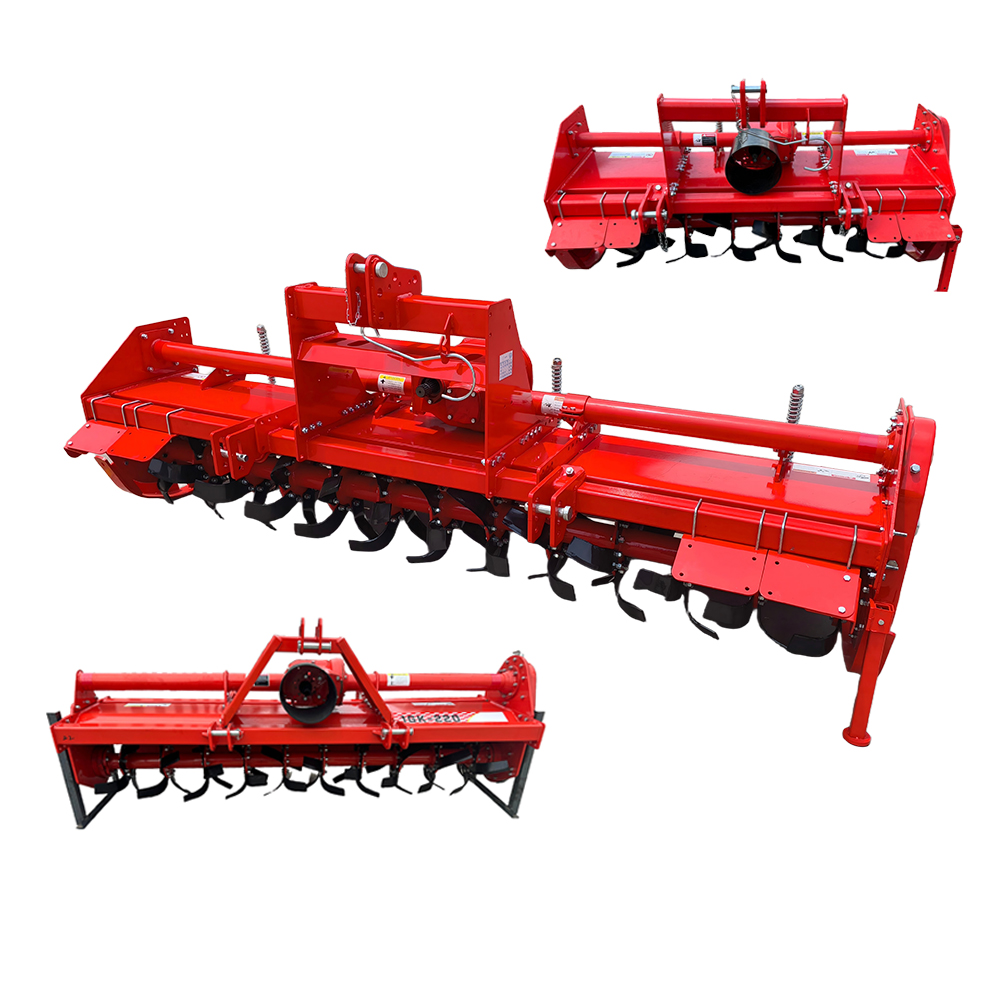
Explore MASCHIO-type rotary tillers from CXNOFIA, including 1MB, 1MC and 1GK series with 35–220 HP applications and 120–360 cm working widths.
MASCHIO-Type Rotary Tiller: 1MB, 1MC & 1GK Series Guide

Explore the complete rice transplanter spare parts list for Kubota, Yanmar and ISEKI machines. Learn which replacement parts wear out most frequently, what dealers should keep in stock, and how CXNOFIA provides one-stop agricultural machinery spare parts solutions worldwide.
Complete Rice Transplanter Spare Parts List: Top Replacement Parts for Kubota, Yanmar & ISEKI Machines