How Do You Know If Your Cylinder Liner Is Bad?
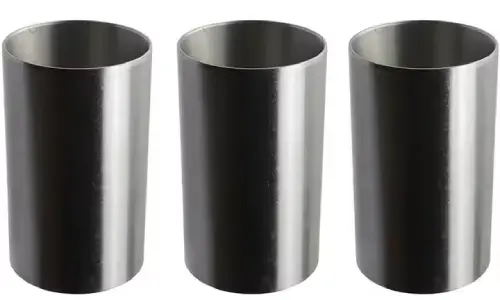
In the world of agricultural machinery, tractors are among the most essential and hardworking vehicles. Their engines endure constant stress from long hours of operation, heavy loads, and harsh environmental conditions. One of the key components that help these engines withstand such demands is the cylinder liner .
But how do you know if your cylinder liner is bad? And what role does it play in maintaining engine performance and longevity?
What Is a Cylinder Liner?
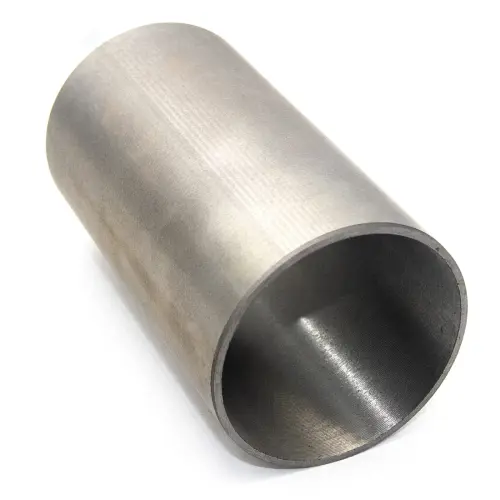
A cylinder liner , sometimes referred to as a cylindrical liner , is a replaceable sleeve inserted into the engine block to form the inner wall of the cylinder. It serves as the surface against which the piston rings move during combustion cycles.
There are two primary types of cylinder liners used in tractor engines:
Dry Liners : These fit tightly into the engine block without direct contact with coolant.
Wet Liners : These come into direct contact with the coolant and often feature O-rings or seals at the bottom and top to prevent leakage.
The purpose of a cylinder liner is to provide a durable, heat resistant surface that can withstand the intense pressure and friction generated by the pistons. In tractors, where reliability and uptime are critical, a well-maintained cylinder liner is essential for smooth engine operation.
How Does a Cylinder Liner Work in a Tractor Engine?
Tractor engines operate under extreme conditions, often running for extended periods and under high compression ratios. The cylinder liner plays a crucial role in:
Maintaining proper sealing between the piston and the cylinder wall
Transferring heat away from the piston to the cooling system
Supporting the structural integrity of the engine block
Because tractor engines are typically diesel-powered, they place even greater demands on the cylinder linear (note: this term is often confused with "linear" motion but actually refers to the cylindrical geometry of the component). Diesel engines have higher compression ratios than gasoline engines, meaning more force and heat are applied to the cylinder walls—making the quality and condition of the cylinder liner even more important.
Common Signs That Your Cylinder Liner Is Failing
Recognizing early symptoms of a failing cylinder liner can help prevent costly engine damage. Here are some telltale signs that your tractor's cylinder liner may be compromised:
1. White or Blue Exhaust Smoke
If you notice excessive white or blue smoke coming from the exhaust, especially after the engine has warmed up, it could indicate that coolant or oil is leaking into the combustion chamber through a damaged liner.
2. Loss of Power and Poor Fuel Efficiency
A worn or scored cylinder liner can cause poor compression, leading to reduced engine power and increased fuel consumption. If your tractor feels sluggish or requires more frequent refueling, it may be time to inspect the cylinder liners.
3. Coolant or Oil Contamination
Contaminated engine oil (milky appearance) or coolant with traces of oil suggests that there's a breach in the cylinder seal. This is often due to a cracked or improperly sealed wet cylinder liner .
4. Overheating Engine
Since one of the main functions of the cylindrical liner is to transfer heat away from the piston, a damaged liner can lead to localized hot spots, causing the engine to overheat.
5. Metal Debris in Oil Filter or Pan
Finding metal shavings or particles in the oil filter or drain pan is a red flag. These particles may originate from scoring or spalling on the surface of the cylinder liner .
6. Compression Test Results Below Specification
Performing a compression test is one of the most accurate ways to diagnose cylinder issues. If multiple cylinders show low compression readings, the cylinder liner may be the culprit.
Why Cylinder Liners Fail in Tractor Engines?
Understanding the root causes of cylinder liner failure can help prolong engine life and reduce maintenance costs. Common reasons include:
1. Improper Installation
One of the most preventable causes of early liner failure is improper cylinder liner installation . Misalignment, incorrect torque settings, or using the wrong type of gasket can all lead to premature wear or cracking.
2. Coolant Leaks
In wet liner systems, damaged O-rings or seals can allow coolant to seep into the combustion chamber or oil system, accelerating corrosion and erosion of the liner surface.
3. Cavitation Erosion
This occurs when vapor bubbles in the coolant collapse near the surface of a wet cylinder liner , creating micro-pits that eventually compromise the integrity of the metal. Cavitation is more common in diesel engines due to vibration and pressure fluctuations.
4. Piston Slap or Misalignment
If the piston is not properly aligned within the cylinder, it can strike the liner walls repeatedly—a condition known as piston slap—which leads to scoring and wear.
5. Poor Quality Materials
Low quality cylinder liners made from inferior alloys or without proper heat treatment are more prone to warping, cracking, and wear.
Our company specializes in producing cylinder liners engineered to meet or exceed OEM specifications, ensuring durability and resistance to common failure modes.
Best Practices for Cylinder Liner Installation
Proper cylinder liner installation is critical to ensuring optimal engine performance and longevity. Whether you're replacing a failed liner or performing routine maintenance, follow these best practices:
1. Clean the Engine Block Thoroughly
Before installing a new cylindrical liner , ensure the bore is clean and free of debris, old sealants, or corrosion. Use appropriate cleaning agents and tools to avoid damaging the block.
2. Use OEM or Equivalent Gaskets and Seals
Always use high quality gaskets and O-rings designed for your specific engine model. Inferior seals can fail quickly, leading to coolant leaks and liner damage.
3. Check for Proper Fit and Alignment
Ensure the cylinder liner fits snugly in the bore without binding or wobbling. Some liners require precise orientation, especially those with locating tabs or alignment features.
4. Torque Mounting Hardware to Specifications
Follow the manufacturer's recommended torque values for clamping plates or retaining hardware. Over-tightening can distort the liner, while under-tightening allows movement and vibration.
5. Apply Lubricant Before Piston Installation
To prevent dry-start damage, apply a thin coat of clean engine oil or assembly lube to the inner surface of the cylinder liner before inserting the piston.
6. Refill Coolant with Proper Mixture
After installation, refill the cooling system with the correct coolant-to-water ratio and check for leaks once the engine is running.
Our product manuals and technical support team provide detailed guidance on cylinder liner installation for each of our part numbers, helping ensure a successful repair every time.
Choosing the Right Cylinder Liner for Your Tractor
Selecting the right cylinder liner involves more than just matching dimensions. Consider the following factors:
Engine Model Compatibility : Ensure the liner is designed for your specific tractor make and model.
Material Composition : High quality cast iron or steel alloys offer superior wear resistance and thermal stability.
Surface Treatment : Look for liners with honed surfaces and coatings that enhance lubrication and reduce friction.
Type of Liner : Decide whether your engine uses a dry or wet liner design and choose accordingly.
At our company, we offer a full range of cylinder liners tailored to popular tractor brands such as John Deere, Case IH, New Holland, Kubota, and more. Each product is rigorously tested to ensure compatibility, durability, and performance.
How Often Should You Replace a Cylinder Liner?
Unlike consumables like filters or spark plugs, cylinder liners are not replaced on a fixed schedule. Instead, replacement should be based on:
Visual inspection during major engine work
Compression test results
Signs of scoring, pitting, or cracks
History of overheating or coolant contamination
Most tractor operators can expect their cylinder liners to last tens of thousands of hours under normal operating conditions—provided they receive proper maintenance and cooling system care.
Maintenance Tips to Extend Cylinder Liner Life
To get the most out of your cylinder liner , follow these preventive maintenance strategies:
Keep the cooling system clean and functioning properly
Monitor oil levels and change intervals
Avoid prolonged idling or cold starts
Use high quality fuel and lubricants
Perform regular compression tests and inspections
By staying proactive, you can catch early signs of wear before they turn into expensive engine failures.
Knowing how do you know if your cylinder liner is bad is vital for maintaining the health of your tractor engine. From identifying visual and operational symptoms to understanding the importance of proper cylinder liner installation , being informed helps you make better decisions about maintenance and repairs.
Whether you're dealing with a cylindrical liner in a diesel engine or exploring options for replacement, our company provides reliable, high performance products backed by technical expertise. We're committed to supporting professionals and farm equipment owners with the parts and knowledge they need to keep their machines running efficiently.
So next time you suspect an issue with your tractor's engine, don't overlook the cylinder liner —it might just be the root cause. With the right diagnostics, quality parts, and proper installation techniques, you can ensure your tractor continues to perform reliably season after season.
Explore our extensive selection of high quality 1C030-32564 cylinder liner tractor parts for kubota. Manufactured by CXNOFIA, a trusted Chinese supplier of kubota tractor components, this tractor center link is engineered for outstanding performance and long lasting reliability. Benefit from competitive prices, fast international delivery, hassle free returns, and exclusive limited time deals. Order now and experience the CXNOFIA advantage!
How to Remove Tie Rod End on Kubota Tractor?
2025 Planting Season Is Coming: Small Seed Planters in High Demand Across Southeast Asia and Africa
Related Article