How Does A Tractor Double Clutch Work?
2024-06-13
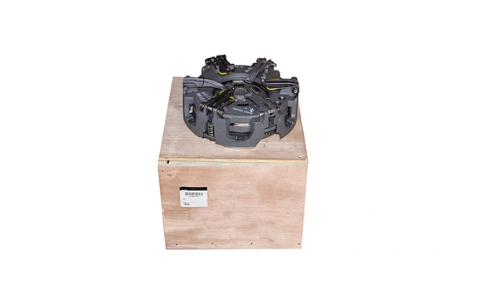
A dual clutch transmission (DCT) is a specialized form of Automated Manual Transmission (AMT) that employs two clutches to 'preload' the next gear before shifting. DCTs are engineered to deliver the performance advantages of manual transmissions while offering the smooth gear transitions and user friendly experience typical of automatic transmissions.
The transmission double clutch features two input shafts, a first intermediate shaft, and a second intermediate shaft. The two input shafts are arranged coaxially, while the intermediate shafts run parallel to the input shafts. An odd number of driving gears are fixed on one input shaft, and an even number of driving gears are fixed on the other. The first intermediate shaft is sleeved with a first driven gear set, which meshes with the driving gears on the corresponding input shaft, and the second intermediate shaft is sleeved with a second driven gear set and a reversing driven gear, both in transmission connection with the driving gears on their respective input shaft. Both intermediate shafts have a torque output section for transmitting the corresponding torque outwardly. The reversing driven gear meshes with one of the driven gears from the first driven gear set. This design eliminates the need for the original reversing idle gear and idle gear shaft, resulting in a more compact structure, fewer parts, reduced manufacturing costs, and easier installation.
How Does A Tractor Transmission Double Clutch Work?
You have an understanding of what dual clutch transmissions (DCTs) are designed to achieve, but how exactly do they work? Let's start with the basics and then delve deeper by comparing them to other types of transmissions you might be considering.
Although some DCTs offer manual driving modes, most behave similarly to automatic transmissions—at least to the casual driver. However, beneath the surface, there's much more complexity.
A DCT is not an automatic transmission (AT) but an Automated Manual Transmission (AMT). The key difference between ATs and AMTs lies in their mechanisms: AMTs and DCTs utilize an electronically-controlled manual gearbox, whereas ATs use planetary gearing.
So, what sets a DCT apart from an AMT? Early AMTs tried to manage automated shifts without preloading the next gear, resulting in jerky movements at low speeds. In contrast, DCTs employ two gearboxes instead of one, enabling smoother shifts and a more refined driving experience.
Tractor Transmission Double Clutch Benefits
The advantages of dual clutch transmissions (DCTs) are evident to many drivers, but comparing different types of transmissions can help clarify your options:
Manual Transmission Benefits
Manual transmissions offer an engaging driving experience. They are typically more efficient than mechanical or computer-controlled automatic systems due to their less complex design. When the clutch is engaged, the next gear moves into place, providing direct control over gear changes.
Automatic Transmission Benefits
Modern automatic transmissions have significantly improved in efficiency and are now favored by most drivers for their ease of use. They are also more robust against misuse, making them a practical choice for many.
Tractor Dual Clutch Transmission Benefits
Dual clutch transmissions (DCTs) offer several notable advantages:
Fuel Efficiency: DCTs generally provide better fuel economy compared to automatic transmissions.
Smooth Performance: They deliver smoother gear shifts than both manual transmissions and automated manual transmissions (AMTs).
Precision Shifting: Due to their precise and seamless shifting, DCTs are often favored in performance driving.
Cost Savings: The efficiency of DCTs can lead to significant savings over time.
Potential Drawbacks
Complexity: DCTs are more complex than other types of transmissions, which can make them more challenging to repair and maintain.
Space Requirements: They typically take up more space under the hood compared to other transmission systems.
How to Drive a Tractor Transmission Double Clutch
You likely already know how to drive a dual-clutch transmission, even if you're not aware of it, because most DCTs are fully automated. You'll only notice a difference when maintenance is needed.
However, some dual-clutch transmissions offer manual modes for a more engaging driving experience. This is where DCTs excel. With the clutch engaged automatically and the next gear preloaded, you can effortlessly shift gears at the appropriate speed, enjoying a dynamic and responsive drive.
A Guide to Tractor Clutches
Single Clutch
The clutch is engaged by a diaphragm spring load and is disengaged when the clutch release bearing moves the spring fingers toward the flywheel. The clutch disc, situated between the flywheel face and the clutch pressure plate, typically includes a torsion damper. These types of clutches are commonly used in tractors ranging from 15 to 100 HP.
The housing is usually made of pressed steel, while the cast iron pressure plate, paired with sintered friction materials, can withstand operating temperatures up to 600 degrees Celsius, making it highly tolerant of intermittent overload conditions.
Single Clutch with Independent Drive for PTO
The construction is similar to a single clutch, but for an independent PTO drive, a splined hub inside the cover assembly engages with a hollow shaft passing through the transmission. This allows the PTO drive to operate whenever the engine is running, independent of clutch operation. These clutches are commonly used in tractors with power ranges from 15 to 100 HP.
Double Clutch
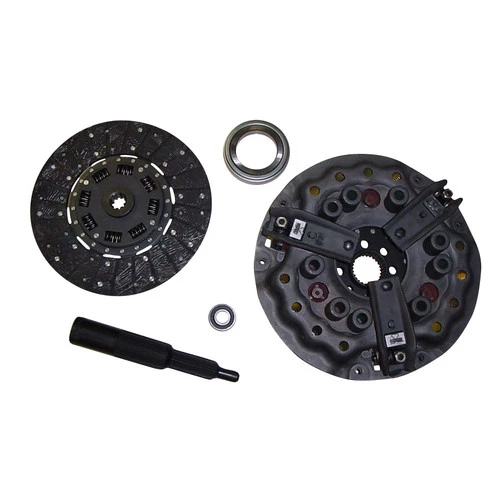
This arrangement provides two independently actuated clutches within one unit: the primary clutch for the wheel drive and the secondary clutch for the PTO drive. A single diaphragm spring located between the wheel drive and PTO pressure plates provides the engagement load for both clutches. Both clutches are normally engaged and only disengage when the driver operates the clutch pedal or a separate PTO lever. There are two types of clutches used in this setup:
Independently Operated: In this design, the engagement and disengagement of the clutches are controlled independently through two separate clutch release bearing mechanisms.
Sequentially Operated: This design uses a single clutch release bearing. During operation, pressing the clutch pedal first disengages the wheel drive clutch, and further depression disengages the PTO clutch. Releasing the clutch pedal re-engages the PTO clutch first, followed by the wheel drive clutch.
These clutches are used in tractors with a power range of 15 to 100 HP and a two-shaft transmission system.
Double Clutch with PTO Safety
This system features two independently actuated clutches within one unit. The diaphragm spring provides the engagement load for the wheel drive clutch, which is disengaged in a manner similar to a double clutch. The safety PTO clutch, on the other hand, is normally disengaged and is activated by the driver using an engagement lever. This lever moves the PTO engagement bearing forward, engaging the clutch through the engagement levers and transmitting torque through the PTO clutch disc. The term "safety" is used because the PTO clutch remains disengaged at engine start-up. In the event of a mechanical failure in the clutch linkage, the PTO clutch will automatically disengage immediately, ensuring safety.
Explore our extensive selection of tractor parts for JD, including SJ23133 transmission double clutch. CXNOFIA stands out as a renowned manufacturer of tractor dual clutch in China. Benefit from fast worldwide shipping! Take advantage of our limited time sale and enjoy easy returns.
10 Parts of an Excavator
New Product Disc Blade
Related Article
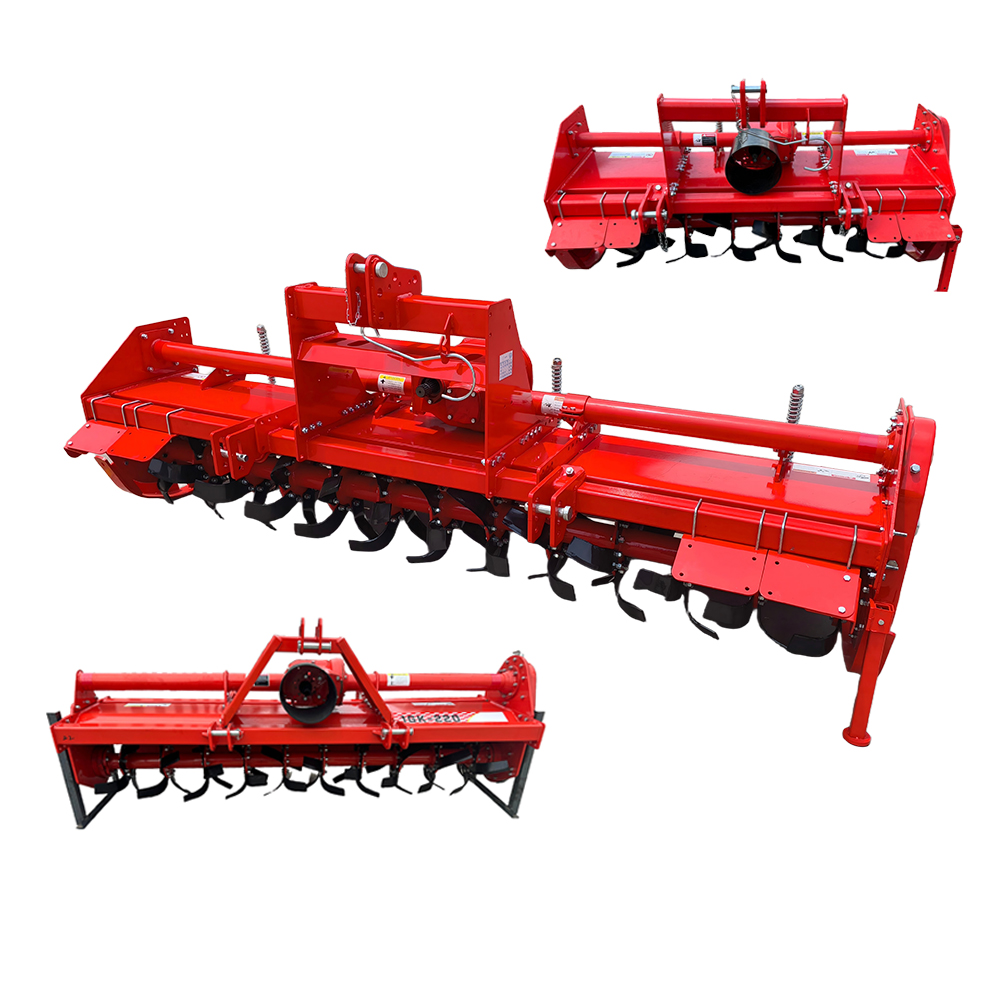
Explore MASCHIO-type rotary tillers from CXNOFIA, including 1MB, 1MC and 1GK series with 35–220 HP applications and 120–360 cm working widths.
MASCHIO-Type Rotary Tiller: 1MB, 1MC & 1GK Series Guide
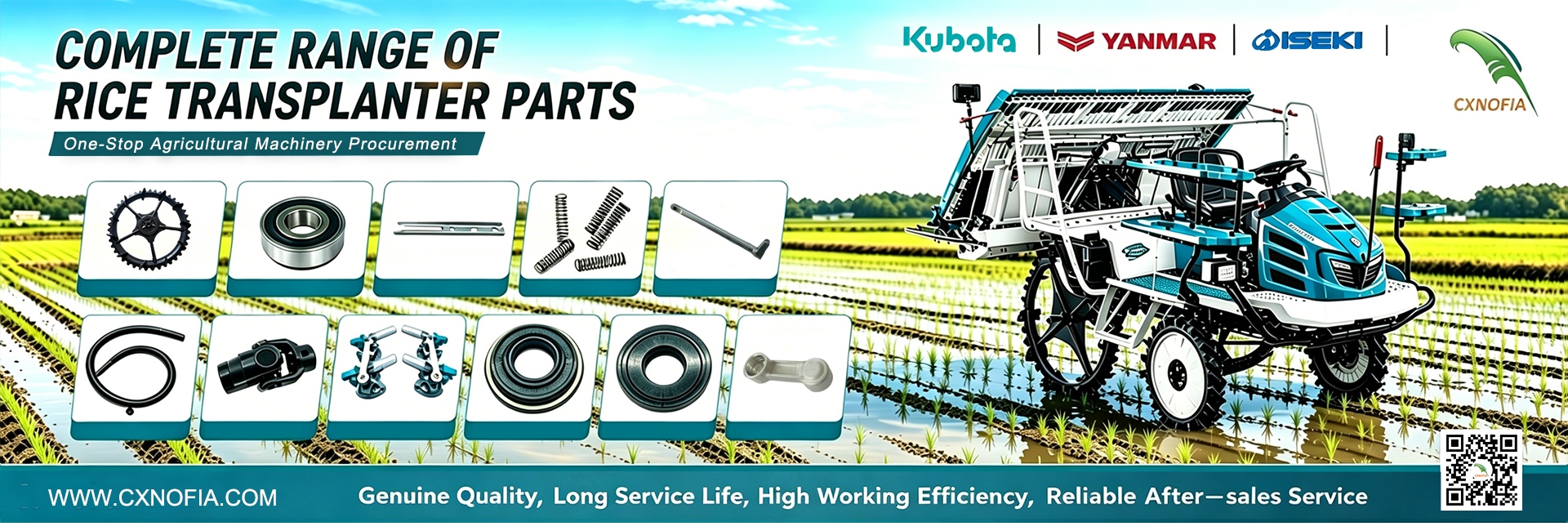
Explore the complete rice transplanter spare parts list for Kubota, Yanmar and ISEKI machines. Learn which replacement parts wear out most frequently, what dealers should keep in stock, and how CXNOFIA provides one-stop agricultural machinery spare parts solutions worldwide.
Complete Rice Transplanter Spare Parts List: Top Replacement Parts for Kubota, Yanmar & ISEKI Machines