How Serious Is a Front Axle Plug Cap Leak?
2026-02-28
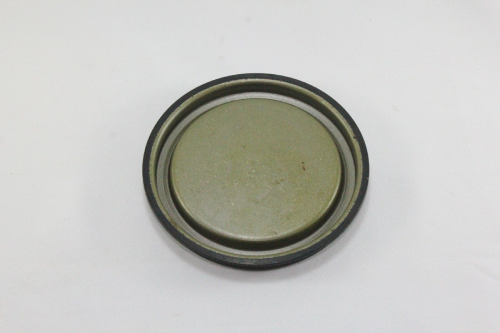
A leak from a front axle plug cap may seem at first glance like a small drip or minor nuisance — but for operators, distributors, and maintenance planners in agricultural sectors, the implications can run far deeper. A plug cap — sometimes referred to as a tractor plug cap — is designed to seal access points in the front axle housing, maintain proper oil or gear lubricant retention, and support the integrity of oil-immersed bevel gear systems. When this seal fails or the cap leaks consistently, the result can be loss of lubrication, accelerated component wear, and potentially, costly drivetrain damage.
Front Axle Plug Cap Fundamentals: Function, Design, and Oil Retention
What Is a Front Axle Plug Cap and What Does It Do?
A front axle plug cap on a tractor serves a crucial sealing purpose: it closes off access points in the front axle housing that are used for filling, checking, or servicing lubrication oil or gear oil inside the differential or axle chambers. These plugs are engineered with precise dimensions and sealing elements — often rubber, O-rings, or metal contact surfaces — to keep high-viscosity gear oil securely contained under operating loads.
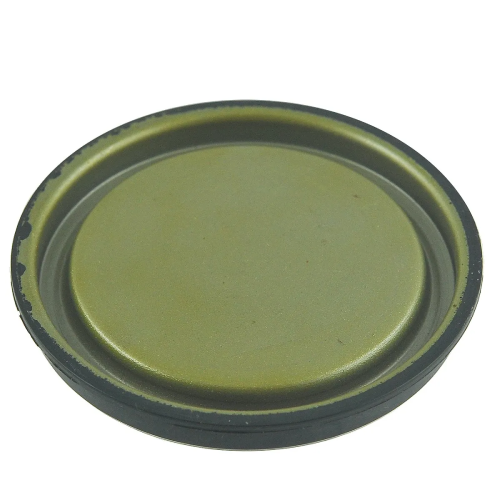
The 32580-43743 tractor plug cap part, specifically, is a cap that fits into the front axle housing on a range of Kubota tractors. It is designed to conform with OEM sealing specifications so that the gear oil inside the front axle — often necessary to lubricate bevel gear cases and wheel drive components — does not escape during operation or when the axle is under load.
How Plug Caps Interact with Front Axle Lubrication Systems?
Understanding how a plug cap fits into the front axle oil system clarifies why its integrity is so important. Inside a typical 4WD tractor front axle assembly:
Gear oil fills the axle housing to lubricate bevel gears, bearings, and internal shafts.
Plug caps seal fill and inspection ports, ensuring the correct oil level is maintained.
The axle assembly often operates in a full or partial oil bath, requiring reliable plugs to prevent oil escape under pressure or vibration.
If these plugs leak or are missing, oil can seep out, fluid levels can drop below safe thresholds, and internal metal surfaces can be left without sufficient lubrication — a setup for accelerated wear, overheating, and eventual failure.
Common Causes of Front Axle Plug Cap Leaks
Identifying why a front axle plug cap begins to leak is central to assessing seriousness. Some leading factors include:
1. Plug Cap Dislodgement Due to Contamination or Ice Expansion
Owners have reported situations where a front axle plug appears to become loose or slightly “pop out” of its seating, with lubricant pooling under the tractor. In one case, moisture inside the axle froze and expanded, driving the plug cap outward.
2. Seal or O Ring Deterioration
Over time, the sealing elements around a tractor plug cap — whether integrated O-rings or surfaces — can dry, crack, or lose elasticity from heat cycles. This creates pathways for oil to seep past the seal under vibration and load.
3. Improper Installation or Torque
Misaligned or improperly seated plug caps can never achieve full contact with the sealing surface. A plug that’s not fully pressed into position or that has been over-torqued can allow lubricant to work its way out.
4. External Damage or Corrosion
Debris, impact damage, or corrosion around the front axle housing can distort the plug seat and undermine sealing integrity. Contaminants can also abrade sealing surfaces over time.
Assessing the Severity of a Front Axle Plug Cap Leak
Symptom Signals: What a Leak Tells You
A plug cap leak — even a small one — is a visible indication that something has changed in the axle system. The seriousness of this signal depends on how persistent the leak is and what’s causing it:
Light seepage at rest: suggests seal deterioration or minor cap misalignment.
Puddles after operation: more serious; oil loss during run time indicates pressure or temperature effects are pushing fluid past the seal.
Oil spraying or rapid loss: immediate attention needed. This level of leakage can deplete lubrication quickly and put components at risk within minutes.
Unlike casual fluid drips from external implements or attachments, a front axle plug cap leak is tied directly to the health of internal lubrication systems — the same systems that prevent gear wear and bearing failure.
Consequences of Ignored Plug Cap Leaks
The seriousness of a leak becomes tangible when the resulting effects are understood. Potential consequences include:
1. Reduced Lubrication and Increased Wear
Gear oil is the lifeblood of bevel gears, bearings, and seals inside the front axle. Even moderate loss of oil — if not monitored and corrected — increases friction and accelerates wear. Eventually, bearings and gear teeth can degrade prematurely, leading to expensive repairs.
2. Overheating of Internal Components
Without sufficient lubricant, heat generated from friction has nowhere to go. This can cause thermal degradation of seals and further leaks, creating a vicious cycle.
3. Misleading Oil Level Readings
A leaky plug cap can give false confidence during check routines if the oil is being lost between inspections. Operators might assume levels are healthy when they are actually trending downward with use.
4. Secondary Damage to Hubs and Seals
In tractors, axle chambers interface with wheel hubs, steering knuckles, and driveshaft seals. Oil loss in one area can lead to increased contamination and wear elsewhere — a compounding effect that transforms a minor leak into a multi-component rebuild.
Diagnosing, Repairing, and Preventing Front Axle Plug Cap Issues
Practical Diagnostic Steps for Leak Source Identification
Identifying a front axle plug cap leak requires a methodical approach rather than a quick guess:
Clean the area thoroughly: removing old residue allows fresh leakage to reveal its source.
Observe after operation: oil that appears while the tractor is running or after warm-up indicates fluid is being forced out under pressure or vibration.
Check adjacent seals: sometimes a leak near the plug cap originates from other nearby seals or shafts, running down to the plug area.
Manual inspection of cap seating: ensuring the plug cap surface and surrounding housing are free of dings, corrosion, or debris supports a proper seat.
This systematic inspection gives a clearer picture of whether the plug cap itself is leaking or if another internal seal has failed.
Repair Options and Considerations
Once the front axle plug cap is identified as the source:
Replace the plug cap or sealing O-ring: new parts fitting OEM specification reduce the chance of recurrence.
Drain and refill axle oil: if significant oil loss has occurred.
Inspect internal seals: addressing one leak without checking shaft or differential seals may only delay further issues.
Part numbers like CXNOFIA's 32580-43743 front axle plug cap are designed to meet precise OEM tolerances. Integrating the correct part into maintenance routines and replacing caps as part of scheduled services supports long-term axle health.
Preventative Steps to Avoid Future Leaks
Proactive care can reduce the likelihood of plug cap leaks:
Routine lubrication checks: scheduled inspection of fluid levels and plug cap condition.
Proper installation practices: ensure caps are seated evenly and torqued to specification.
Regular seal integrity audits: seals and O-rings degrade over time and should be part of maintenance checklists.
Cleanliness during service: contaminants trapped during installation can undermine sealing surfaces.
Operational and B2B Implications: Repair Timing and Cost-Risk Balancing
When to Repair vs Monitor
Not every small drip warrants pulling the tractor into a shop immediately — but the decision should be informed:
Monitor with frequent level checks: acceptable if leakage is minimal and stable, and if oil levels remain within safe thresholds.
Repair when fluid loss is noticeable: before oil levels reduce enough to risk component damage.
Immediate repair for rapid leaks: prevents critical damage and avoids secondary failures.
Assessing severity involves balancing lost productivity during repair versus escalating damage costs if deferred.
Impact on Asset Utilization
A front axle plug cap leak — especially one left unchecked — can lead to:
Unplanned downtime: waiting for seal or plug replacement.
Higher labor costs: if internal components are damaged due to low lubrication.
Parts cascade failures: where worn components necessitate additional parts and machining work.
Viewing the plug cap leak not as a trivial drip but as a symptom of lubrication integrity enables better asset lifecycle planning.
FAQ — Common Questions About Front Axle Plug Cap Leaks
Q1: What exactly is a plug cap on a tractor axle?
A plug cap seals access points on the front axle housing that allow filling or checking of gear and lubrication oil. It prevents oil escape under operating conditions.
Q2: Can a front axle plug cap leak be ignored temporarily?
Minor seepage can be monitored with frequent oil level checks, but any loss of fluid should be investigated promptly to avoid accelerating wear.
Q3: What causes a plug cap like 32580-43743 to leak?
Common causes include seal degradation, contamination, improper installation, vibration loosening, or damage to the plug seating area.
Q4: How often should front axle plugs and seals be inspected?
During every major service or lubrication check — at least annually or per manufacturer timing — and more frequently if the tractor sees heavy use.
Q5: Does a plug cap leak mean the axle is damaged?
Not always — but loss of lubricant increases the risk of gear and bearing wear, so early detection and correction are critical.
Navigating China's Agricultural PTO Gearbox Manufacturing Landscape
The Difference Between A Thrust Collar And A Thrust Bearing
Related Article
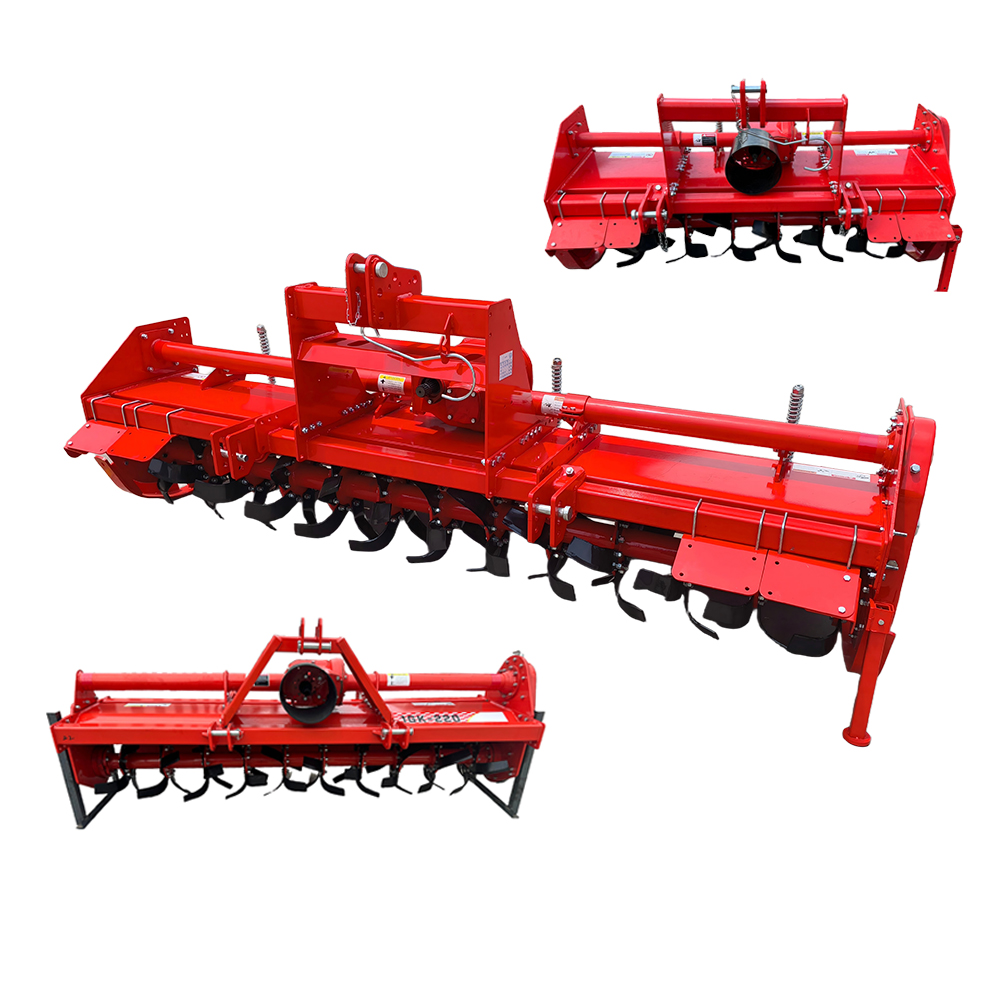
Explore MASCHIO-type rotary tillers from CXNOFIA, including 1MB, 1MC and 1GK series with 35–220 HP applications and 120–360 cm working widths.
MASCHIO-Type Rotary Tiller: 1MB, 1MC & 1GK Series Guide
Explore the complete rice transplanter spare parts list for Kubota, Yanmar and ISEKI machines. Learn which replacement parts wear out most frequently, what dealers should keep in stock, and how CXNOFIA provides one-stop agricultural machinery spare parts solutions worldwide.
Complete Rice Transplanter Spare Parts List: Top Replacement Parts for Kubota, Yanmar & ISEKI Machines