How Do I Know If My Radiator Is Bad?
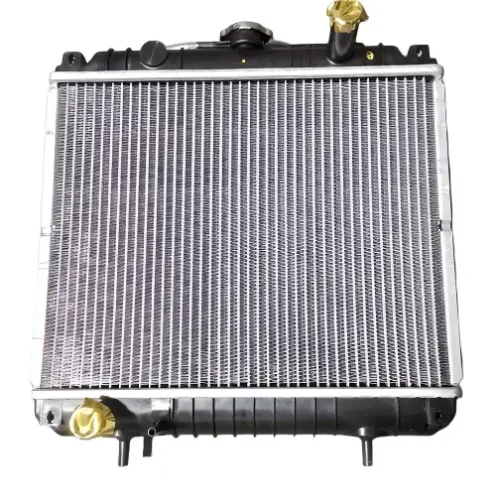
A radiator is one of the most important components in keeping your tractor running smoothly. It helps regulate the engine temperature, preventing overheating that could cause serious damage to your machine. But how can you tell if your tractor radiator is failing? Understanding the signs of a bad radiator, maintenance tips, and replacement options can save you time, money, and potential breakdowns in the field.
1. The Role of a Tractor Radiator in Cooling Systems
Before diving into the warning signs, it's important to understand what a radiator tractor does. The radiator is part of the cooling system that circulates coolant through the engine. As the coolant absorbs heat, it passes through the radiator, where air flowing across the fins reduces the temperature before the liquid returns to the engine.
For farm tractors, radiators are crucial since heavy-duty equipment often runs for long hours in demanding environments like fields, construction sites, and rough terrains. If the radiator malfunctions, overheating can quickly occur, leading to warped engine parts, blown head gaskets, or even complete engine failure.
Key functions of tractor radiators include:
Regulating engine operating temperature.
Preventing overheating under heavy loads.
Ensuring fuel efficiency and engine longevity.
2. Common Symptoms of a Bad Tractor Radiator
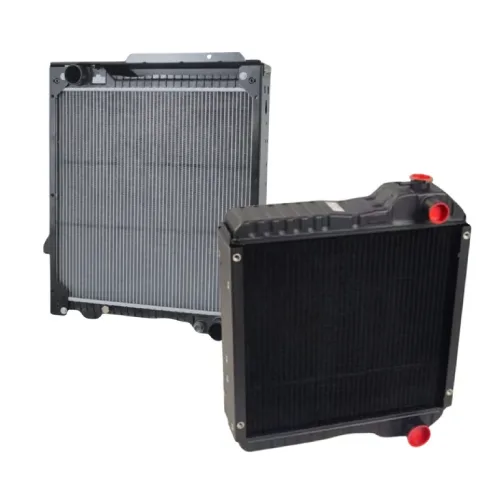
So, how do you know if your radiator is failing? Recognizing the early warning signs can help you take action before major damage occurs.
2.1 Engine Overheating Frequently
One of the most obvious signs of a failing tractor radiator is consistent overheating. If you notice the temperature gauge climbing faster than usual, it may indicate blocked passages, a leaking radiator, or damaged fins that can't dissipate heat effectively.
2.2 Coolant Leaks Around the Tractor
Leaking coolant is another major red flag. Puddles of green, orange, or yellow liquid under your tractor often point to cracks or corrosion in the radiator. Even a small leak can lower coolant levels enough to cause serious overheating issues.
2.3 Rust, Sludge, or Discolored Coolant
If the coolant inside your radiator turns rusty or sludgy, it could be a sign of internal corrosion. This contamination blocks proper circulation and reduces the efficiency of farm tractor radiators.
2.4 Reduced Performance in the Field
A bad radiator can also affect overall tractor performance. If your machine feels sluggish, consumes more fuel, or shuts down after overheating, the radiator may no longer be providing proper cooling.
2.5 Visible Damage to the Radiator Fins
External inspections are just as important. Bent, clogged, or corroded fins reduce airflow, making the radiator less effective. This is common when operating tractors in dusty or debris-filled environments.
3. How to Clean a Tractor Radiator for Better Performance
Regular maintenance can extend the life of your radiator significantly. If you're wondering how to clean a tractor radiator, follow these steps:
3.1 Remove Debris from the Fins
Dirt, hay, chaff, and other debris can easily clog the fins. Use compressed air or a soft brush to clean them. Avoid high-pressure washing, which may bend the fins and restrict airflow.
3.2 Flush the Cooling System
Over time, coolant can degrade, leaving behind rust or sludge. Flushing the system with radiator cleaner and replacing it with fresh coolant helps maintain efficiency.
3.3 Check Hoses and Connections
Inspect hoses for cracks, swelling, or loose clamps. Even if the radiator is functioning properly, damaged hoses can cause leaks and overheating.
3.4 Maintain Proper Coolant Levels
Always ensure your coolant reservoir is filled to the recommended level. Low coolant levels put extra stress on the radiator and engine.
By learning how to clean a tractor radiator, you can reduce the risk of overheating and prolong the life of your cooling system.
4. When to Replace a Farm Tractor Radiator
Sometimes cleaning and repairs are not enough. Knowing when to replace your farm tractor radiator is critical for avoiding unexpected downtime.
4.1 Signs That a Replacement Is Necessary
Repeated overheating despite cleaning and flushing.
Significant cracks or corrosion that can't be sealed.
Persistent coolant leaks.
Severely clogged fins or tubes beyond repair.
4.2 Choosing the Right Replacement Radiator Tractor Parts
When it's time for replacement, make sure to select a radiator designed specifically for your tractor model. For example, CXNOFIA provides durable tractor radiators for sale, including models like the SJ11553 Radiator for John Deere, which are engineered to fit and perform under tough farming conditions.
Choosing a high quality farm tractor radiator ensures efficient cooling, longer lifespan, and reduced maintenance needs compared to cheaper, low-quality alternatives.
5. Best Practices for Extending the Life of Tractor Radiators
Preventive maintenance is the key to avoiding costly replacements. Here are some expert tips:
5.1 Regularly Inspect Cooling Systems
Routine checks help identify issues early. Look for leaks, discolored coolant, and clogged fins during scheduled maintenance.
5.2 Use the Correct Coolant Mixture
Mixing water with the recommended coolant type is essential for optimal heat transfer and corrosion prevention. Using the wrong coolant may shorten radiator life.
5.3 Protect Radiator Fins from Damage
Be cautious when working around the radiator. Even a small bend in the fins can reduce airflow efficiency.
5.4 Schedule Seasonal Maintenance
Before heavy use seasons, such as planting or harvesting, perform a full system inspection. Preventive cleaning and flushing will ensure your tractor runs at its best.
Protecting Your Tractor with Proper Radiator Care
A tractor radiator plays a vital role in keeping your equipment reliable and efficient. By recognizing the signs of a failing radiator—such as overheating, leaks, or coolant discoloration—you can take timely action to repair or replace it.
Learning how to clean a tractor radiator and following regular maintenance routines will help extend the lifespan of your cooling system. And when replacement becomes necessary, choosing a reliable farm tractor radiator ensures continued performance under demanding conditions.
For tractor owners looking for dependable solutions, high quality tractor radiators for sale like the John Deere SJ11553 model from CXNOFIA offer durability and peace of mind in the field.
By staying proactive with radiator care, you not only protect your investment but also keep your farm operations running smoothly without costly downtime.
Tractor radiators for sale! Explore high quality farm tractor radiators from CXNOFIA, a trusted tractor radiators supplier in China. Our precision engineered tractor tillers are designed for durability and compatible with a wide range of leading tractor brands. Contact us now: sales@cxnofia.com
Can You Add an Additional Radiator to a Tractor?
Difference Between a Compression Spring and an Extension Spring
Related Article