How to Clean a Hydraulic Suction Filter?
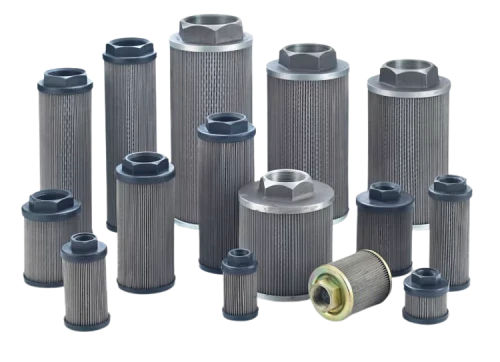
Maintaining the health of heavy machinery—especially hydraulic systems—is critical for performance, longevity, and operational safety. Among the most essential yet often overlooked components is the hydraulic suction filter. Whether you're managing a fleet of construction equipment or operating a single excavator, understanding how to clean a hydraulic suction filter correctly can prevent costly downtime and system failures.
1. Understanding the Role and Design of a Hydraulic Suction Filter in Excavator Systems
Before diving into how to clean a hydraulic suction filter, it's essential to grasp its purpose and placement within the hydraulic circuit. Unlike return or pressure filters, the suction filter is positioned between the hydraulic reservoir and the pump inlet. Its primary role is to protect the pump from large particulate contamination—such as metal shavings, rubber debris, or sediment—that could cause catastrophic wear or seizure.
In excavator filter systems, especially those used in demanding environments like mining, demolition, or forestry, the suction filter acts as a first line of defense. However, it's important to note that suction filters are not designed to capture fine contaminants. Their mesh is typically coarse (often 100–200 microns) to avoid restricting flow, which could lead to cavitation—a condition where vapor bubbles form and collapse inside the pump, causing damage.
Many modern excavators, including models from Kubota, rely on robust suction filters like the RB238-62150 series. These units combine durability with ease of access, allowing technicians to inspect and service them without disassembling major hydraulic components. Understanding this design philosophy helps explain why regular cleaning—not replacement—is often sufficient for maintaining optimal performance.
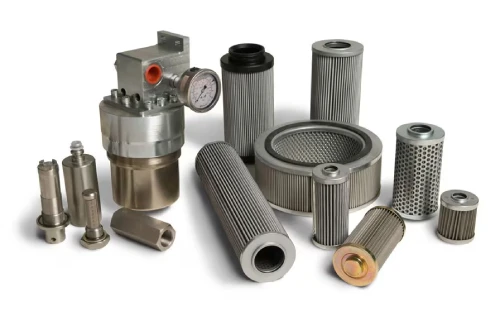
2. Step-by-Step Guide: How to Clean a Hydraulic Suction Filter Safely and Effectively
Cleaning a hydraulic suction filter requires more than just rinsing it under a hose. Incorrect procedures can introduce moisture, damage the mesh, or leave residual contaminants that compromise system integrity. Follow this detailed protocol:
Step 1: Power Down and Depressurize
Always shut off the engine and allow the hydraulic system to cool. Release any residual pressure by cycling the control levers (e.g., moving the boom or bucket) with the engine off. This prevents accidental fluid discharge or injury.
Step 2: Locate and Remove the Filter
On most excavators, the suction filter is housed in a canister near the hydraulic tank or integrated into the pump inlet line. Consult your equipment manual for exact placement. Use appropriate tools to unscrew or unbolt the housing—avoid forcing it, as cross-threading can cause leaks.
Step 3: Inspect the Filter Element
Examine the screen for tears, corrosion, or deformation. A damaged filter excavator component should never be reused. Also, note the type and amount of debris: excessive metal particles may indicate internal wear that requires further investigation.
Step 4: Clean with Approved Solvents
Never use water or compressed air alone. Instead, immerse the filter in a clean, lint-free container filled with hydraulic fluid or a manufacturer-approved solvent (e.g., mineral spirits). Gently agitate to dislodge particles. For stubborn residue, use a soft-bristle brush—but never wire brushes, which can scratch or enlarge mesh openings.
Step 5: Dry and Reinstall
Allow the filter to air-dry in a clean environment, or use filtered, dry compressed air at low pressure (<30 psi) from the clean side outward. Reinstall with a new O-ring if required, and torque the housing to specification. Over-tightening can crack housings or compress seals unevenly.
This meticulous approach ensures your hydraulic suction filter continues to function as intended—protecting your excavator's heart without introducing new risks.
3. Common Mistakes and Best Practices for Long-Term Filter Maintenance
Even experienced technicians can fall into traps when maintaining suction filters. Here are key pitfalls to avoid:
Assuming “clean-looking” means “clean enough”: Invisible varnish, sludge, or microscopic fibers can remain even if the filter appears clear. Always follow a standardized cleaning procedure.
Skipping system diagnostics: If you're cleaning the suction filter more frequently than recommended (e.g., every 100 hours instead of 500), it may signal a larger issue—such as degraded hydraulic fluid, internal component wear, or poor tank sealing.
Using incompatible cleaning agents: Harsh chemicals can degrade elastomers or leave residues that contaminate new hydraulic oil. Stick to fluids compatible with your system's specifications.
Ignoring the breather cap: Many suction filters share a housing with the reservoir breather. A clogged breather creates vacuum conditions that can collapse the filter or starve the pump—so inspect both during maintenance.
For operators using excavator filter systems in high-contamination environments (e.g., dusty quarries or wetlands), consider installing secondary filtration or magnetic plugs to capture ferrous debris before it reaches the suction screen. Proactive measures like these extend service intervals and reduce wear.
Additionally, while OEM parts are ideal, high-quality aftermarket options—such as those engineered for specific models like the Kubota RB238-62150—can offer comparable performance if they meet ISO cleanliness and flow standards. The key is consistency in material quality and dimensional accuracy, not brand name alone.
4. Frequently Asked Questions About Hydraulic Suction Filters and Cleaning Procedures
Q: Can I reuse a hydraulic suction filter after cleaning?
A: Yes—most suction filters are designed for multiple cleaning cycles, provided the mesh is intact and no structural damage exists. Always inspect thoroughly before reinstallation.
Q: How often should I clean the hydraulic suction filter on my excavator?
A: Follow the manufacturer's maintenance schedule (typically every 250–500 operating hours). However, in harsh conditions—high dust, moisture, or extreme temperatures—inspect it every 100 hours.
Q: Is it safe to operate an excavator without a suction filter?
A: Absolutely not. Running without a suction filter risks immediate pump damage from large debris. Even temporary bypass can lead to irreversible wear.
Q: What's the difference between a suction filter and a return filter?
A: Suction filters protect the pump inlet with coarse filtration and low restriction. Return filters clean fluid returning to the tank and often capture finer particles (10–25 microns), sometimes with bypass valves.
Q: Why does my suction filter clog quickly after cleaning?
A: Rapid clogging usually indicates internal system contamination—such as worn cylinder seals, degraded hoses, or old hydraulic fluid breaking down. Perform a full fluid analysis and flush the system if needed.
Q: Are all excavator suction filters interchangeable?
A: No. Thread size, flow rating, mesh size, and housing design vary by model. Using an incorrect filter excavator part can cause flow restriction, leaks, or inadequate protection.
In conclusion, mastering how to clean a hydraulic suction filter is more than routine upkeep—it's a critical skill that safeguards your excavator's hydraulic health. By understanding the engineering behind these components, adhering to precise cleaning protocols, and recognizing warning signs of deeper issues, you ensure reliability, efficiency, and extended machine life. Whether you're working with OEM systems or high-performance replacements engineered for specific applications, knowledge remains your most valuable tool.
Discover CXNOFIA's high quality hydraulic suction filter excavator parts for kubota. As a trusted filter excavator manufacturer in China, we deliver precision engineered, durable excavator filter designed to fit a variety of leading excavator brands. Reach out today at sales@cxnofia.com
Where Is The Suction Filter Hydraulic Filter Located At?
How to Measure an Inner Diameter of an Air Filter?
Related Article