How to Install External Circlip?
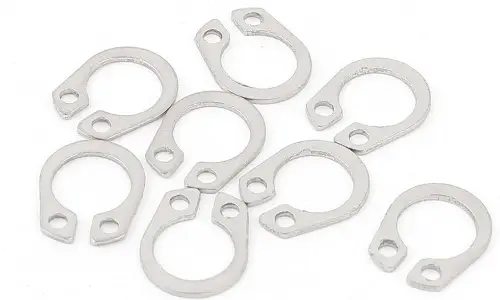
When it comes to maintaining or assembling tractor components, the importance of small but critical parts like the external circlip cannot be overstated. Also known as the outside circlip, this tiny but mighty piece of hardware plays a vital role in securing shafts and ensuring that parts do not slip out of place during operation. But for those unfamiliar with them, it's natural to ask: how to install external circlip, and how do you determine the correct size?
What Is an External Circlip?
An external circlip (also referred to as an outside circlip) is a semi flexible, open ended ring made of spring steel that fits into a machined groove on the outside of a shaft. Its primary function is to act as a mechanical stop or retaining ring that prevents lateral movement of components such as bearings, gears, or other moving parts.
These circlips are commonly used in tractors and other heavy machinery due to their reliability and simplicity. For example, in a tractor transmission system, an external circlip may be used to hold a gear in place along the shaft, ensuring it stays correctly aligned during high stress operation.
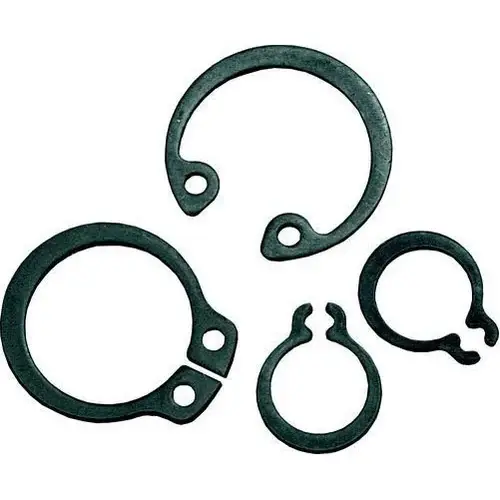
External Circlip Applications in Tractors
Tractors operate under high mechanical loads, vibrations, and environmental exposure. Their internal assemblies require secure fastening to prevent component displacement. That's where external circlips come in handy.
Here are common tractor applications:
Securing bearings in drive shafts and axles.
Holding gears in transmission systems in place.
Retaining bushings or collars on hydraulic piston rods.
Fixing wheels or rotating elements on axles and spindles.
Because of the heavy duty nature of tractors, external circlips used in these machines are typically made from hardened carbon steel or stainless steel to resist wear, stress, and corrosion.
How to Measure External Circlip Size?
Before you can install an external circlip, it's essential to choose the correct size. Using the wrong size can lead to equipment malfunction or even damage. But how to measure external circlip size correctly?
Here's a step by step process:
Determine the Shaft Diameter
This is the nominal size that the circlip is designed to fit.
For instance, if the shaft diameter is 20 mm, you'll typically need an external circlip labeled as ‘20 mm.’
Measure the Groove Diameter
Use a caliper to measure the diameter of the groove on the shaft where the circlip will sit.
Ensure the circlip matches the groove's diameter and depth, so it locks in snugly without slipping.
Measure Circlip Thickness
Circlips vary in thickness; measure this if you are replacing an existing one to ensure compatibility with the groove.
Refer to a Standard Circlip Size Chart
Manufacturers provide standard charts that list internal groove dimensions and recommended shaft diameters.
Always consult this when in doubt to ensure accurate sizing.
Choosing the correct size is critical for safety and functionality, especially in tractors where components are often exposed to extreme forces.
Tools Required to Install an External Circlip
Installing an external circlip isn't as simple as pushing it on with your fingers—using the right tools ensures you don't deform the ring or damage surrounding parts.
You'll need:
Circlip pliers (external type): These pliers have tips that fit into the holes on the circlip and allow you to expand it for installation.
Caliper: For accurate shaft and circlip measurements.
Safety gloves and goggles: Circlips can snap if not handled properly, posing a risk to your hands and eyes.
How to Install External Circlip?
Now let's address the main question: how to install external circlip on a shaft? Below is a practical step by step guide:
Step 1: Clean the Shaft and Groove
Before installation, make sure the shaft and the circlip groove are clean and free of debris or oil.
This ensures the circlip sits properly and securely.
Step 2: Choose the Correct Circlip
As explained earlier, use accurate measurements to choose the appropriate external circlip for the shaft.
Step 3: Position the Circlip in the Pliers
Insert the circlip into the tips of the external circlip pliers.
Ensure the plier tips are securely in the two holes of the circlip.
Step 4: Expand the Circlip
Gently squeeze the pliers to expand the circlip.
Be careful not to over-expand as this can deform or weaken the circlip.
Step 5: Slide the Circlip into Position
While expanded, slide the circlip over the shaft and align it with the groove.
Once it's properly in place, slowly release the pressure on the pliers and allow the circlip to contract into the groove.
Step 6: Confirm Fit
Ensure that the outside circlip sits flush inside the groove and cannot move laterally.
It should not wobble or sit loosely on the shaft.
If installed correctly, the circlip will hold the component securely and prevent it from sliding off during operation.
Common Installation Mistakes to Avoid
Using the wrong size circlip – This can lead to slippage or complete failure.
Over expanding the circlip – Weakens its spring tension and compromises retention.
Improper alignment – Circlip must sit perfectly in the groove, not over or under it.
Forcing the circlip with screwdrivers or hands – Increases the risk of deformation or injury.
Always use circlip pliers and take your time with the process to avoid costly mistakes.
Maintenance and Inspection Tips
To ensure the longevity of the external circlip in your tractor, regular inspection is recommended:
Check for wear or corrosion—especially after exposure to mud, water, or chemicals.
Verify tightness during regular maintenance schedules to ensure the circlip is still securely in place.
Replace if deformed or cracked, as this may compromise the function of the entire component.
Why External Circlips Are Ideal for Tractors?
The choice of external circlips in tractor systems isn't accidental. Here are some advantages that make them ideal:
Compact design – Saves space in dense machinery assemblies.
Quick installation/removal – Speeds up maintenance and reduces downtime.
High retention strength – Holds parts in place even under extreme torque or vibration.
Cost effective – Cheaper than threaded fasteners or other retaining mechanisms.
Their simple yet effective design is a perfect fit for rugged agricultural environments.
If you're wondering how to install external circlip or whether you're using the right size, this guide provides everything you need to know. The external circlip, or outside circlip, is one of the most reliable and efficient ways to secure rotating parts on a shaft—especially in heavy-duty applications like tractors.
By understanding how to measure external circlip size, using the proper tools, and following a careful installation process, you can ensure that your machinery runs safely and efficiently.
So the next time you're maintaining your tractor or assembling a new shaft-driven component, remember: a correctly sized and properly installed external circlip can make all the difference between a reliable machine and a mechanical failure.
Discover our wide range of premium 33740-30370 external circlip for Kubota tractors. Produced by CXNOFIA, a reliable Chinese supplier of Kubota tractor parts, this outside circlip is designed to deliver exceptional performance and long lasting durability. Enjoy competitive pricing, swift international shipping, easy returns, and exclusive time limited offers. Place your order today!
The Versatile Applications of PTO Shafts Across Industries
Do Flange Bolts Need Washers?
Related Article