How to Measure an Inner Diameter of an Air Filter?
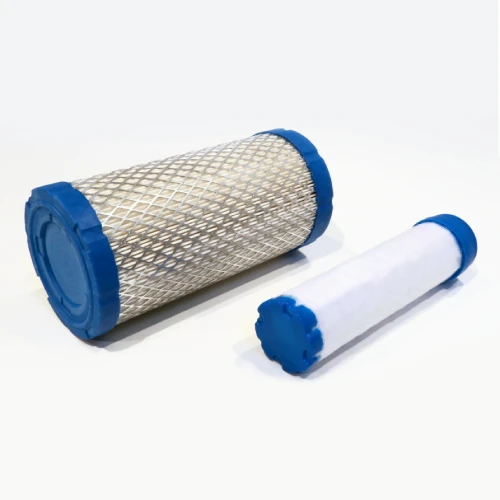
Measuring the size of an air filter might seem simple, but understanding its inner and outer dimensions is essential for efficiency, fit, and equipment protection. The air filter inner & outer structure determines how effectively air flows through the system and how well contaminants are captured. Incorrect measurements can lead to air leaks, reduced filtration performance, or even engine and equipment damage.
1. What Do “Inner” and “Outer” Mean?
The inner diameter (ID) refers to the circular opening inside the air filter—this is the part that fits onto the intake pipe or mounting neck. The outer diameter (OD) is the total width across the outside of the filter body, including the frame or end cap. Both are critical: the ID ensures a tight seal, while the OD guarantees proper fit in the housing.
Why Correct Measurements Matter?
Accurate inner and outer measurements are essential for several reasons:
Sealing performance: A properly sized inner diameter prevents air bypass that can carry dust directly into the engine or system.
Housing compatibility: The outer diameter ensures the filter fits securely in its compartment without movement.
Airflow efficiency: The correct size maintains the designed airflow resistance and prevents pressure drop.
Longer service life: Properly fitting filters reduce vibration and deformation, extending filter life.
In heavy duty machinery such as excavators or tractors, an accurately sized air filter inner and outer is especially vital. Manufacturers like CXNOFIA, a professional supplier of excavator air filter parts in China, design filters with strict ID/OD tolerances to guarantee proper sealing and durability in demanding conditions.
2. Step-by-Step: How to Measure a Inner Diameter of a Air Filter
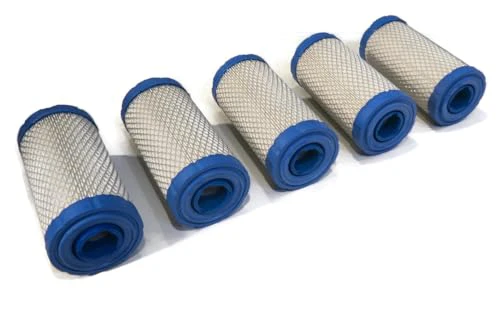
When it comes to how to measure a inner diameter of a air filter, precision and consistency are key. Follow these detailed steps for both the inner and outer diameters.
2.1 Tools You'll Need
Digital caliper or vernier caliper – for accurate measurement.
Flexible measuring tape – suitable for larger filters.
Clean cloth – to remove dust or oil before measuring.
2.2 Measuring the Inner Diameter (ID)
Locate the opening: Identify the circular hole or neck where the filter connects to the intake system.
Measure from inside edge to inside edge: Place the caliper tips on the inner wall across the widest point. Avoid including any rubber flange or gasket.
Check for uniformity: Rotate the filter slightly and measure again to ensure it is not deformed.
Record the value: Note the measurement in millimeters or inches. This is the air filter inner diameter.
Compare with the machine's intake pipe: The filter's ID should closely match the pipe's outer diameter for a snug seal.
2.3 Measuring the Outer Diameter (OD)
Identify the widest point: This could be across the metal cap, pleated frame, or flange.
Measure from outside edge to outside edge: Ensure you include the widest point of the filter body.
Avoid measuring any protruding handles or accessories: Only measure the structural part that fits in the housing.
Record the OD measurement: Use the same units as the ID.
2.4 Measuring Filter Height or Length
Although ID and OD are primary, the height (or length for panel filters) also affects compatibility. Measure from top to bottom or end to end of the filter body, excluding gaskets unless they are built into the design.
2.5 Common Mistakes to Avoid
Including flange thickness in ID measurement.
Using nominal instead of actual size. Nominal values may differ slightly from true measurements.
Ignoring gasket compression: Some rubber gaskets compress during installation, slightly altering ID or OD.
Not measuring the housing: A worn intake pipe or corroded housing lip can affect fitting accuracy.
By carefully measuring the air filter inner and outer dimensions, you ensure correct installation and stable performance across service intervals.
3. How to Interpret Your Air Filter Inner & Outer Measurements
After taking precise measurements, it's important to understand what they mean for your equipment and replacement process.
3.1 Matching the Filter to the Equipment
The filter's inner diameter must match the mounting pipe's outer diameter. If it's too large, unfiltered air can enter; if too small, the filter may not fit or seal properly.
The filter's outer diameter should fit comfortably within the housing, allowing space for airflow but no excessive movement.
Height compatibility ensures the housing cover can close tightly without crushing or leaving gaps.
3.2 Consequences of Incorrect Measurement
Too large ID: Causes loose fitting and potential air leaks.
Too small ID: May deform the filter or crack the mounting area.
Too large OD: The filter may jam or restrict air circulation.
Too small OD: Poor sealing and unstable positioning during operation.
In machinery, even a few millimeters of error can compromise sealing efficiency. For instance, excavator filters like those supplied by CXNOFIA are engineered with optimized inner and outer dimensions that maintain airtight installation and consistent airflow under heavy dust exposure.
3.3 Using Measurements for Replacement or Customization
When ordering a new filter or replacement part, provide:
Inner diameter (ID)
Outer diameter (OD)
Height or length
Filter type (cylindrical, panel, or conical)
Providing these details ensures the new filter replicates the original performance parameters.
4. Maintenance, Verification, and Expert Tips
Even after choosing the right filter, proper maintenance is necessary to preserve efficiency and accuracy.
4.1 Routine Checks
Inspect the filter seat periodically to ensure no air bypass paths develop.
Recheck ID and OD during scheduled maintenance—especially if you switch to a different brand.
Replace damaged gaskets or seals immediately to prevent dust ingress.
4.2 Expert Tips for Accurate Measurement
Always measure in consistent environmental conditions (room temperature).
Use calipers for small filters and flexible tapes for large filters.
Measure at least twice to confirm accuracy.
Record all data for future reference when purchasing replacements.
Do not rely solely on catalog dimensions; confirm actual measurements before installation.
By adopting these practices, you ensure your air filter inner & outer dimensions remain within the ideal operating range, extending the lifespan of your machinery and reducing downtime.
FAQ: Common Questions About Air Filter Inner and Outer Dimensions
Q1: Why is measuring both inner and outer diameters necessary?
Because both influence sealing and housing fit. The inner diameter ensures air doesn't bypass the filter, while the outer diameter ensures the filter fits snugly in the housing.
Q2: How do I know if my inner diameter is too large?
If you can easily rotate or remove the filter without resistance, the ID may be too large. A proper fit should feel tight but not forced.
Q3: What's the difference between nominal and actual size?
Nominal size is a rounded, labeled dimension used by manufacturers. Actual size is the true measurement you take. Always use actual size for replacements.
Q4: Can I reuse old filters by cleaning them?
Only if the manufacturer specifies that the filter is washable. Many paper or fiber filters should be replaced once clogged, as cleaning can damage the media and alter dimensions.
Q5: How often should I remeasure my filter dimensions?
At every replacement or maintenance cycle, especially if using filters from different suppliers.
Q6: What makes CXNOFIA filters reliable in size accuracy?
CXNOFIA uses precise molding and quality inspection processes to maintain consistent air filter inner and outer dimensions, ensuring correct installation and dependable airflow in machinery applications such as excavators and tractors.
Understanding how to measure a inner diameter of a air filter and its outer dimensions is fundamental to maintaining system efficiency and equipment health. Accurate measurements prevent air leakage, maintain airflow, and extend component life.
Whether you're maintaining industrial machinery, agricultural vehicles, or heavy-duty excavators, always take time to measure carefully before replacing a filter. With correctly sized filters—like those precisely engineered by CXNOFIA—you ensure superior sealing, protection, and long-term performance.
Discover CXNOFIA's premium quality air filter inner & outer. As a trusted excavator air filter inner and outer manufacturer in China, we deliver precision engineered, durable air filter inner and outer designed to fit a variety of leading excavator brands. Reach out today at sales@cxnofia.com
How to Clean a Hydraulic Suction Filter?
Is the Primary Air Filter Inner or Outer?
Related Article