How to Pick the Right Mini Excavator Rubber Track 1
2024-07-31
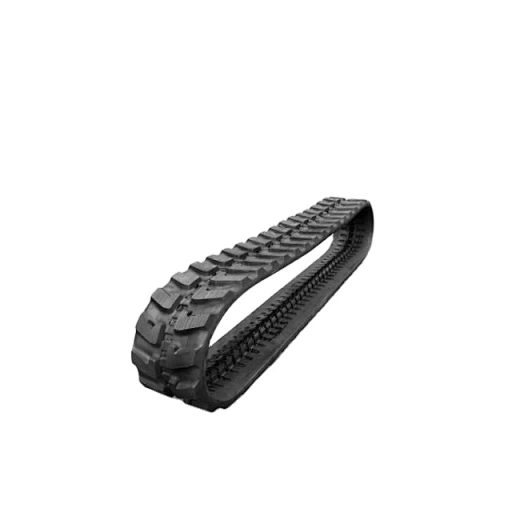
Mini excavators need robust tracks to perform efficiently. However, not all situations call for the same type of rubber treads. When outfitting your excavator, choose replacement excavator tracks that provide the best fit and performance for your specific tasks. This guide will help you select the right tracks for your mini excavator.
Importance of Mini Excavators on the Jobsite
Despite their small size, mini excavators are workhorses, not toys. These compact machines demonstrate their strength and reliability on the job site. Their smaller size provides superior maneuverability, allowing them to access areas that full-sized vehicles cannot. This compactness becomes a significant advantage when power is needed in tight spaces.
Many prefer mini excavators due to their lower cost, smaller size, and greater versatility compared to larger models. Additionally, mini excavators often feature simplified designs, making it easier to select the right model for specific tasks.
The versatility of mini excavators makes them an invaluable addition to any worksite. With a wide range of attachments available, these machines can perform a multitude of tasks, from digging small sewer lines to demolishing small structures, tasks that would be too delicate for larger models.
Another advantage of mini excavators is their lighter weight. Weighing less than full-sized excavators, they exert less pressure on the ground, resulting in shallower tread tracks and minimal landscape damage. However, the impact on grass and soil depends on the track pattern. Therefore, choosing the right design, compound, and materials for the tracks is crucial to optimize performance for your specific job.
Different Track Pattern Designs
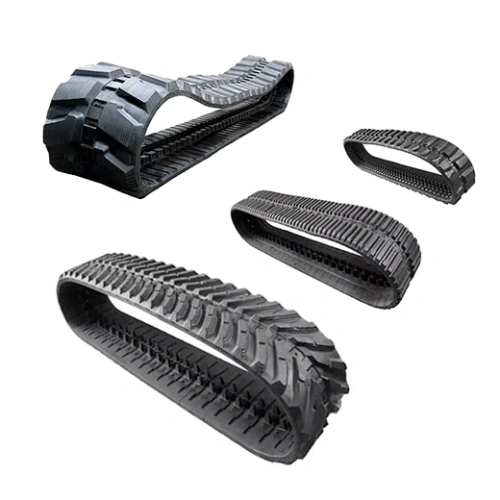
Track pattern designs play a crucial role in determining the performance of your excavator, especially on specific terrains. By selecting the right track pattern, you can enhance performance and increase the longevity of your equipment, allowing you to complete projects more efficiently.
Track patterns come in various designs, each suited to different terrains. Choosing the appropriate pattern for the terrain where you will be using the mini excavator is essential. The right track pattern will minimize environmental impact while maximizing efficiency. By simply changing the tracks on your mini excavator, you can adapt it to new terrains. This adaptability allows you to use the same excavator in various locations, saving you money and making the investment in different track patterns highly cost effective.
Choosing the right compact excavator tracks involves understanding the various available patterns. These designs vary by manufacturer, so it's essential to consult the maker of your treads to see the available options. Each design optimizes the tracks for use on different terrains.
Turf Pattern:
This pattern minimizes the impact on lawns and is best suited for vehicles used primarily on grass (80 percent of the time or more).
TDF Super:
Ideal for traction on snow or wet surfaces, the TDF super track ensures you can continue working in inclement weather.
Zig Zag Pattern:
Designed for muddy conditions, the zig zag pattern provides additional traction. However, it is not recommended for dry, rocky terrains as it may wear out prematurely.
Terrapin Pattern:
The terrapin track is versatile, suitable for rocks, gravel, lawns, and mud. It combines a smooth ride with superior traction, making it an excellent general-use tread for mini excavators handling multiple tasks on a job site.
C Pattern:
Often a standard OEM tread on some mini excavators, the c shape tread provides reliable performance.
Block Pattern:
A simple yet efficient design, the block pattern is common on many excavator treads as a standard option.
Steel Tracks:
While not a specific pattern, HYBRID models feature detachable rubber pads on steel tracks. Removing the pads transforms the tracks into durable steel workhorses, capable of tackling the toughest terrains without the risk of damaging rubber treads.
These patterns represent just a few of the many options available. With the right track design, you can use your mini excavator on any terrain, ensuring that bad weather or challenging conditions do not hinder your progress. This adaptability reduces job downtime and helps you complete projects on time.
Different Track Compound Options
Manufacturers utilize various compounds to impart unique properties to their tracks, offering unmatched benefits. Depending on your budget and operational requirements, you can choose from several track materials, such as rubber with steel belts and hybrid tracks.
The Importance of Rubber
In the case of mini excavators, the quality of rubber in the tracks is paramount. It's crucial that the rubber does not degrade when exposed to elements, particularly intense sunlight over prolonged periods. The durability of the rubber significantly impacts the lifespan of your tracks. Opting for high-quality rubber may involve a slightly higher initial cost, but it pays off in the longer lifespan of the tracks.
However, not all rubbers are equal in their properties. This is why top track manufacturers employ different types of rubber for various parts of the tracks. For example, using hard rubber on the outer layer ensures durability under tough conditions, while softer rubber on the inner side, next to the undercarriage, enhances track flexibility.
Steel Belts
Inside rubber tracks, manufacturers reinforce the design with a steel belt. There are two primary methods used: continuous wound cables and overlapping cable ends. Continuous wound cables are preferable for applications requiring higher torque on the treads. For mini excavators, which typically exert less strain on their tracks, the specific design of the steel cable becomes less critical. However, a continuous belt generally offers superior durability compared to overlapping steel belts.
In CXNOFIA models, manufacturers combine the steel belt inside the track with a robust exterior, providing a durable tread suitable for various terrains. This design incorporates replaceable rubber pads on the outer surface. For the most challenging tasks on rough terrain, this configuration is highly recommended. When used without the rubber pads, it achieves nearly indestructible performance.
Sizing the Tracks
Choosing the right size for mini excavator tracks is crucial for optimal performance. Incorrect sizing can lead to premature wear or improper fit. To determine the correct size, examine the rubber tread currently on your excavator; the sizing information is typically found inside the track.
For assistance in identifying the correct track size, it's advisable to consult your replacement track manufacturer. These companies specialize in replacing tracks for construction equipment and have the expertise to help you determine the exact size needed for your compact excavator. Their knowledgeable staff can provide guidance based on daily experience with track replacements.
Discover the wide range of OEM tractor parts, such as replacement excavator tracks. CXNOFIA is a famous rubber tracks for excavator manufacturer in China. Fast Shipping Worldwide! Limited Time Sale. Easy Return.
How to Pick the Right Mini Excavator Rubber Track 2
What Is A Rotary Tiller For A Tractor?
Related Article
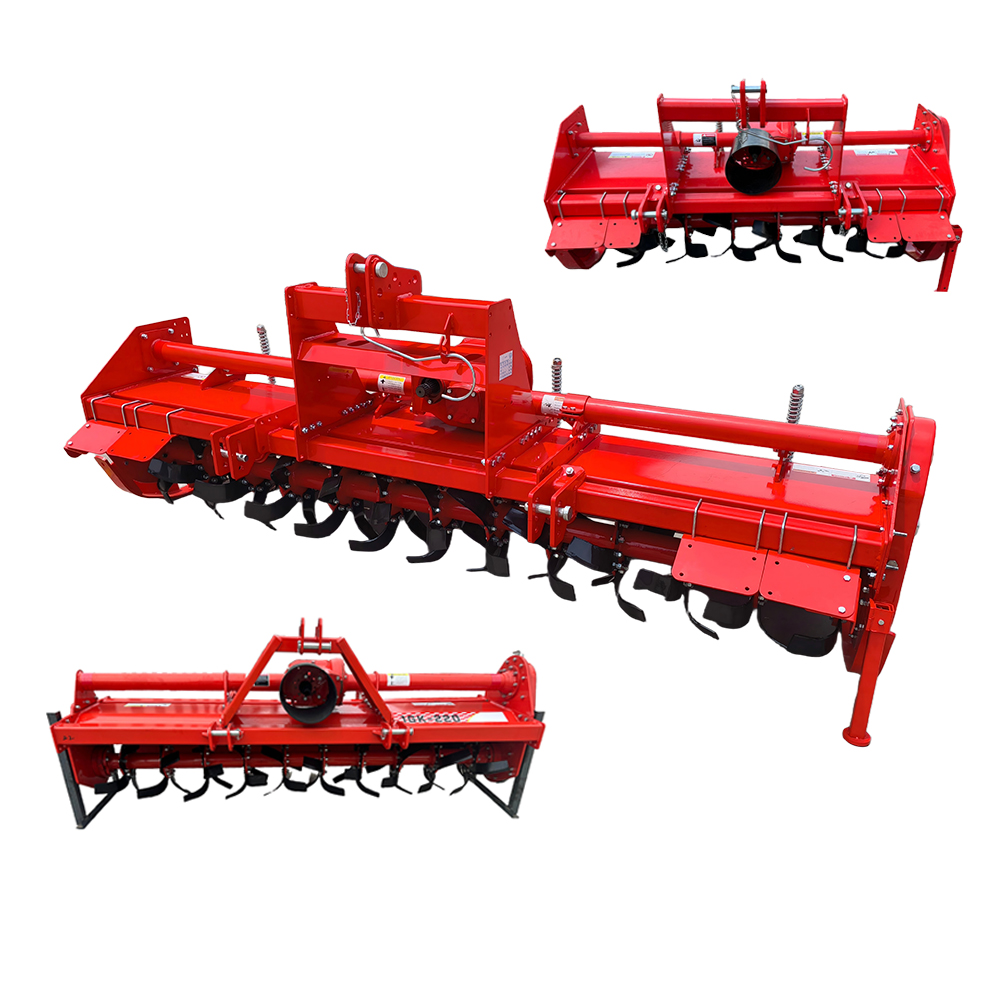
Explore MASCHIO-type rotary tillers from CXNOFIA, including 1MB, 1MC and 1GK series with 35–220 HP applications and 120–360 cm working widths.
MASCHIO-Type Rotary Tiller: 1MB, 1MC & 1GK Series Guide
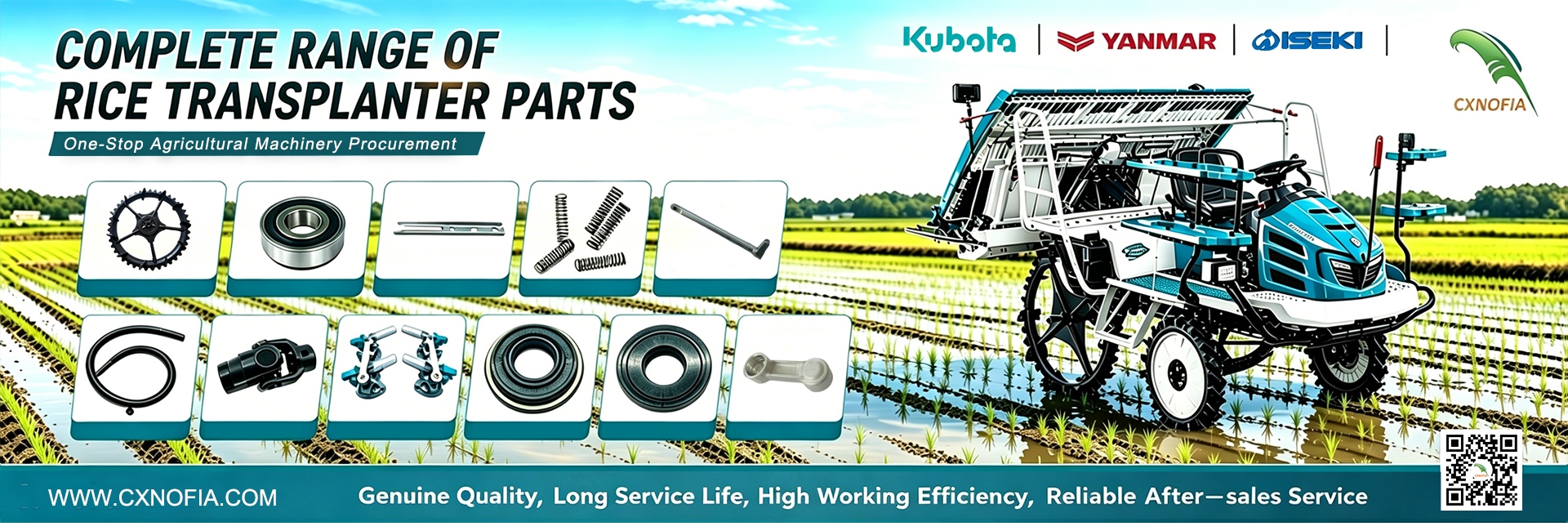
Explore the complete rice transplanter spare parts list for Kubota, Yanmar and ISEKI machines. Learn which replacement parts wear out most frequently, what dealers should keep in stock, and how CXNOFIA provides one-stop agricultural machinery spare parts solutions worldwide.
Complete Rice Transplanter Spare Parts List: Top Replacement Parts for Kubota, Yanmar & ISEKI Machines