Is the Primary Air Filter Inner or Outer?
2025-10-29
Air filtration is a fundamental component of engine performance, longevity, and reliability, especially in heavy duty machinery such as excavators, tractors, and construction equipment. Contaminated air entering an engine can accelerate wear on pistons, cylinders, and valves, reduce fuel efficiency, and even lead to catastrophic failures.
One of the most common questions among engineers and maintenance professionals is: Is the primary air filter inner or outer? Understanding this requires a technical examination of dual stage filtration systems, which are standard in modern heavy machinery. These systems incorporate both an outer filter (primary) and an inner filter (secondary or safety element), each with specific design roles and operational parameters.
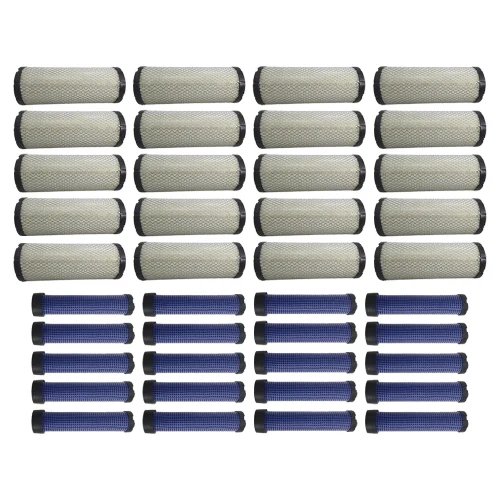
Correctly identifying the primary filter and understanding the function of the inner element is essential for designing maintenance schedules, selecting appropriate replacement parts, and ensuring optimal engine performance. High quality components, such as the air filter inner for Kubota excavators from CXNOFIA, illustrate the precision and engineering standards expected in modern filtration systems.
Structural and Functional Overview of Inner and Outer Air Filters
1.1 Dual-Stage Filtration Principles
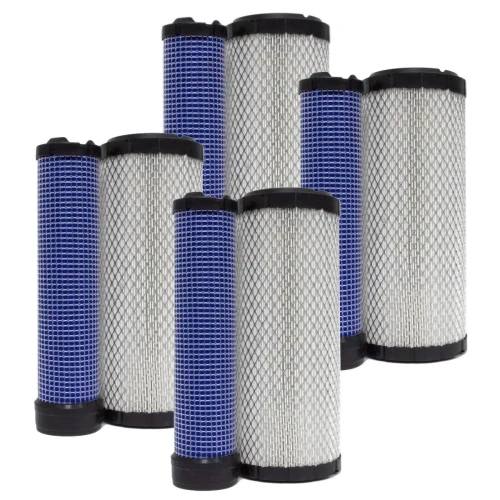
Modern engines frequently rely on dual-stage air filtration, which separates the filtration process into two stages: an outer filter, designed for high-capacity particle removal, and an inner filter, serving as a safety backup. This separation allows each filter to perform specialized functions, improving overall engine protection while maintaining airflow efficiency.
The outer filter is exposed directly to the incoming air stream and is responsible for capturing the bulk of dust, sand, and other particulate matter. Its media is typically pleated and engineered for high dirt-holding capacity while allowing sufficient airflow to maintain engine performance. This filter is widely recognized as the primary air filter due to its dominant role in cleaning intake air.
The inner air filter, located downstream of the outer filter, serves as a secondary or safety element. While its media is usually less dense than the outer filter, it ensures that any residual particles that pass through the outer filter do not reach critical engine components. It also provides protection during maintenance, when the outer filter may be removed, preventing direct exposure of the engine to unfiltered air.
1.2 Media and Design Considerations
The design of the inner and outer filters is a balance between filtration efficiency, airflow, and structural integrity. The outer filter must withstand high differential pressures caused by dust accumulation while maintaining minimal restriction to airflow. The inner filter, in contrast, is optimized for structural support and safety, designed to prevent engine contamination even if the outer filter fails.
The interaction between these filters is critical. A well-functioning outer filter reduces the load on the inner filter, extending its service life and ensuring consistent engine protection. Improper installation or bypassing of the outer filter can overload the inner filter, leading to increased restriction and potential contamination risk.
Identifying the Primary Air Filter – Inner vs. Outer
2.1 Primary vs. Secondary: Functional Distinction
In technical terms, the primary air filter is the outer element, while the inner filter functions as a safety or secondary element. The distinction is not merely semantic but impacts maintenance schedules, inspection protocols, and performance monitoring.
The outer filter’s role as the primary element means that it is the main focus for performance monitoring. Indicators such as pressure drop or differential pressure sensors typically measure restriction across the outer filter. The inner filter’s performance is secondary and generally monitored only when issues with the outer filter are suspected or during routine maintenance checks.
2.2 Operational Implications
Correctly identifying the primary filter has practical consequences:
Maintenance Scheduling: Outer filters require more frequent replacement, whereas inner filters have longer service intervals.
Inspection Protocols: The outer filter’s condition directly reflects exposure to particulate matter; the inner filter indicates outer filter efficiency.
Engine Protection: Misidentifying the primary filter could lead to relying on the inner filter alone, which is structurally and functionally inadequate for continuous operation under high dust loads.
By understanding that the outer filter is the primary element and the inner filter is the secondary safety element, engineers can develop precise maintenance protocols that maximize engine lifespan and operational reliability.
Maintenance Strategies for Inner and Outer Air Filters
3.1 Inspection and Replacement Procedures
A structured inspection routine ensures the inner and outer air filter system performs as designed:
Outer Filter Inspection: Examine pleated media for dust accumulation, tears, or deformation. Measure differential pressure if sensors are installed.
Inner Filter Check: Inspect for dust deposits after removing the outer filter. Light deposits indicate proper outer filter performance; heavy deposits may indicate outer filter failure.
Reinstallation: Ensure proper sealing and correct orientation to prevent bypass, which could overload the inner filter.
3.2 Replacement Intervals
Outer Filter: Replace according to manufacturer specifications or when differential pressure reaches threshold. Frequency may vary based on dust load and operating environment.
Inner Filter: Replace after several outer filter changes, or sooner if contamination is evident. Its replacement interval is inherently longer because it carries a lighter dust load under normal conditions.
3.3 Troubleshooting Common Issues
Collapsed Outer Filter: Occurs due to overuse or extreme dust conditions. Inner filter may show abnormal loading.
Bypass of Outer Filter: Can result from improper installation; inner filter may suddenly face heavy dust exposure.
High Restriction with Clean Inner Filter: Signals outer filter overload; replace outer filter immediately.
Technical Considerations for Engine Performance and Component Selection
4.1 Impact of Filter Choice on Engine Efficiency
Selecting the correct inner and outer filters directly affects airflow, pressure drop, and engine fuel efficiency. High-efficiency outer filters reduce particulate ingress, minimizing inner filter load and maintaining optimal combustion conditions.
4.2 Supplier and Component Considerations
High quality components designed for specific equipment models are critical. For example, CXNOFIA produces air filter inner elements for Kubota excavators, engineered to meet precise dimensions, media specifications, and structural requirements. Proper matching of inner and outer filters ensures the dual-stage system functions as intended.
4.3 Environmental Adaptation
Heavy dust, construction sites, and agricultural environments increase the load on the outer filter. Maintenance protocols must adapt:
Monitor differential pressure more frequently.
Consider higher-capacity or cyclonic pre-filters.
Inspect the inner filter periodically to confirm outer filter effectiveness.
FAQ: Inner and Outer Air Filter System
Q1: Can the inner air filter be used as a primary filter?
A1: No. The inner filter is a safety element and cannot replace the outer filter’s primary filtration role.
Q2: How often should the inner air filter be replaced?
A2: Typically every 2–3 outer filter changes or sooner if dust deposits are visible.
Q3: What happens if the outer filter fails and only the inner filter is in place?
A3: The inner filter may become overloaded, increasing pressure drop and allowing particulate to reach the engine, risking damage.
Q4: Why is monitoring differential pressure important?
A4: It ensures the primary (outer) filter is replaced before excessive restriction affects engine performance.
Q5: How does correct identification of primary filter improve maintenance?
A5: It allows proper scheduling, reduces unnecessary replacements, and ensures engine protection against dust and debris.
In technical terms, the primary air filter is always the outer element, while the inner air filter serves as a safety or secondary element in dual-stage filtration systems. Understanding this distinction allows engineers and technicians to design effective maintenance schedules, monitor performance accurately, and select appropriate components for maximum engine protection. Properly maintained inner and outer filters, combined with precise inspection and replacement protocols, are essential for extending engine life and ensuring reliable operation in even the harshest environments.
Discover CXNOFIA's premium quality inner and outer air filter. As a trusted excavator inner air filter manufacturer in China, we deliver precision engineered, durable air filter inner designed to fit a variety of leading excavator brands. Reach out today at sales@cxnofia.com
How to Measure an Inner Diameter of an Air Filter?
What Is a Gearbox in a Tractor?
Related Article
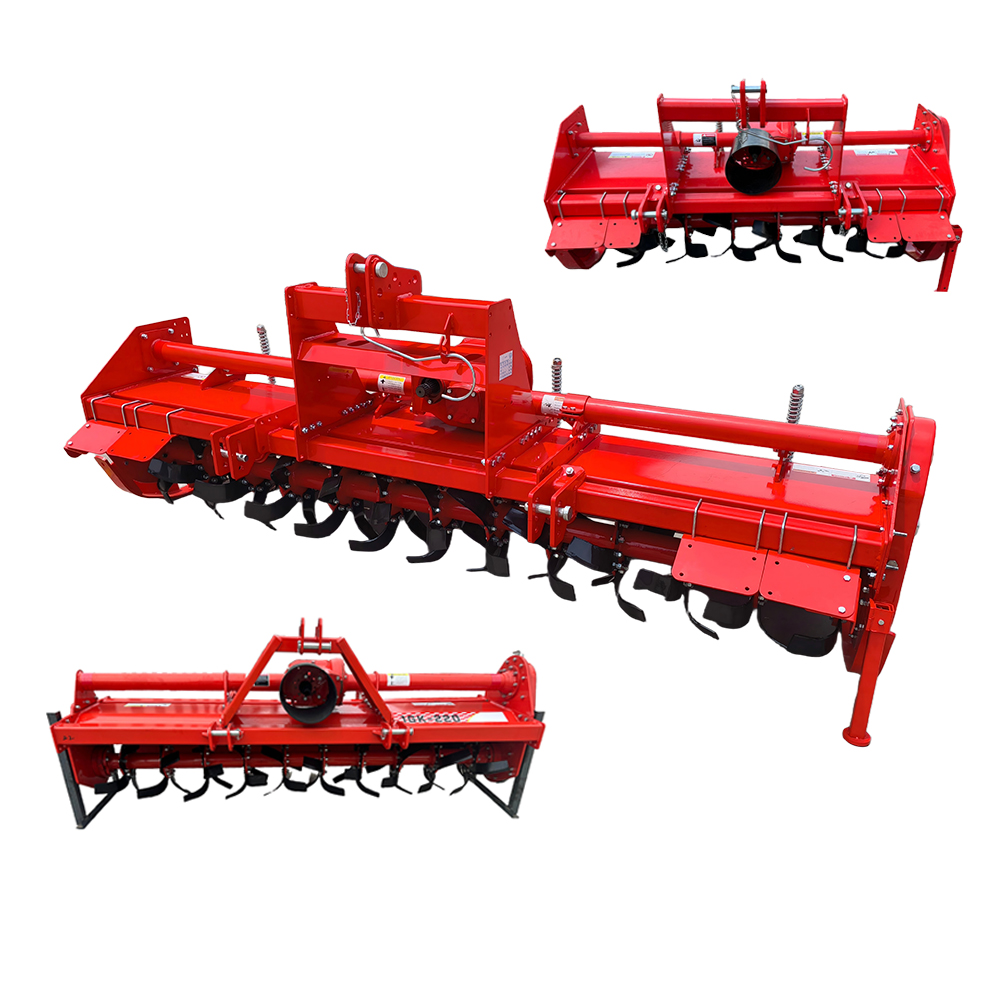
Explore MASCHIO-type rotary tillers from CXNOFIA, including 1MB, 1MC and 1GK series with 35–220 HP applications and 120–360 cm working widths.
MASCHIO-Type Rotary Tiller: 1MB, 1MC & 1GK Series Guide
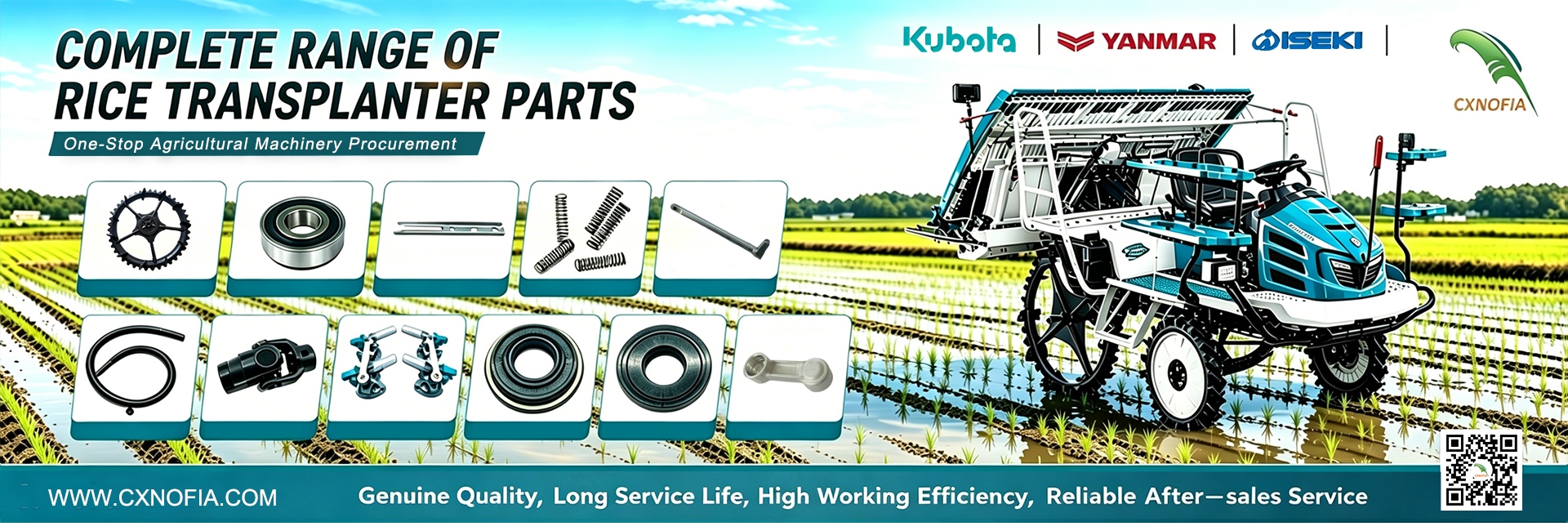
Explore the complete rice transplanter spare parts list for Kubota, Yanmar and ISEKI machines. Learn which replacement parts wear out most frequently, what dealers should keep in stock, and how CXNOFIA provides one-stop agricultural machinery spare parts solutions worldwide.
Complete Rice Transplanter Spare Parts List: Top Replacement Parts for Kubota, Yanmar & ISEKI Machines