Professional Excavator Bush Factory - Cxnofia
2024-07-26
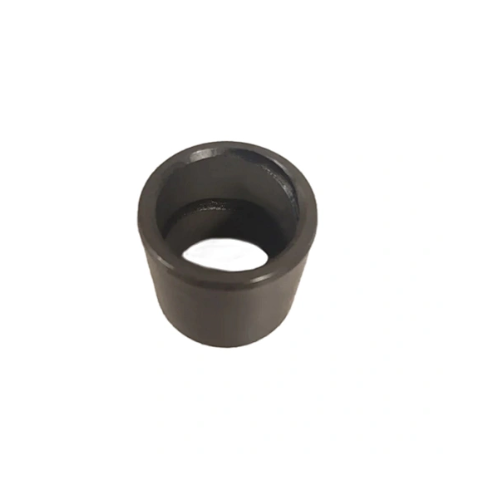
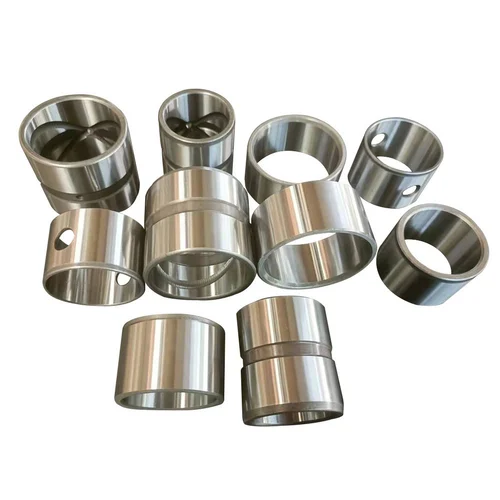
Excavator bushings, also known as excavator bearings, are components specifically designed for use in the arms and buckets of excavators. Although bushings are utilized throughout the entire machine, the term "excavator bushing" refers exclusively to those found in the excavator's arm and bucket. These bushings are crucial for the excavator's overall functionality, as they bear heavy loads and ensure the smooth and stable movement of the excavator's arm.
What Are Excavator Bushings Made of?
Excavator bushings are designed to handle extremely heavy loads, necessitating the use of exceptionally strong materials in their construction. Typically made from hardened steel alloys, these bushings often incorporate metals such as steel, chromium, titanium, and various alloys that include these elements. No matter which metal is used, it undergoes a rigorous hardening process involving chemical and heat treatments to condense the metal molecules. This process enhances the bushings' resistance to corrosion and water damage, significantly extending their service life.
Material Composition
The primary metals used in the production of excavator bushings are steel, chromium, titanium, and various alloys containing these elements. Each metal offers unique properties that contribute to the strength and durability of the bushings:
Steel: Known for its high tensile strength and durability, steel is a common choice for bushing manufacturing. It provides a robust framework that can withstand heavy mechanical stresses.
Chromium: Often used as an alloying element, chromium enhances the hardness and corrosion resistance of steel, making it an excellent choice for components exposed to harsh environments.
Titanium: Although more expensive, titanium offers exceptional strength to weight ratios and resistance to corrosion, making it suitable for high performance bushings.
Hardening Process
Regardless of the metal chosen, the material undergoes a rigorous hardening process that includes both chemical and heat treatments. This process is critical for enhancing the performance characteristics of the bushings:
Chemical Treatments: Chemical treatments such as carburizing or nitriding are used to infuse the metal surface with elements like carbon or nitrogen. These elements form hard compounds within the metal, increasing its surface hardness and wear resistance.
Heat Treatments: Heat treatments involve heating the metal to high temperatures followed by controlled cooling. Processes such as quenching and tempering alter the internal structure of the metal, condensing its molecules to enhance toughness and reduce brittleness.
How do I Remove the Bushings from my Excavator?
Removing bushings from an excavator is a complex task that necessitates heavy equipment and specialized tools. This job is not straightforward and should only be undertaken by experienced professionals. An excavator bushing removal tool is required for this process, but purchasing this tool is often not cost effective unless you frequently perform bushing replacements. Hiring a mechanic for this service can be a more economical choice, saving you both time and money.
Excavator Boom Bushing
An excavator boom bushing, also known as a boom excavator bushing, is a specific type of excavator bushing located in the arm, or boom, of the excavator. These bushings are essential for supporting extremely heavy loads and ensuring the smooth and stable movement of the excavator’s arm. As excavators are highly precise machines, the boom bushings play a crucial role in maintaining this precision and contributing to the overall functionality and efficiency of the excavator.
Excavator Bushings by Size
Excavator bushings come in various sizes, determined by the size, make, and model of the excavator you use. The size is not optional; you must purchase the specific size compatible with your machine. However, you can choose from different materials, which significantly impact the functionality of your excavator. High quality bushings require minimal maintenance, have a long lifespan, and can support extremely heavy loads.
What Are The Signs It’s Time To Replace Bushings?
Any visible slack in the pivot point during operation, also known as backhoe slop, indicates that it’s time to replace your bushings. Carefully examine the pivot point to determine if the movement is occurring in the static or dynamic part of the assembly. If you notice any movement in the static portion, it means you've delayed maintenance for too long, and the repair will be more extensive.
Tech Tips for Replacing Bushings
Replacing excavator bushings is a critical maintenance task that can significantly improve the performance and lifespan of your machinery. When replacing a bushing, consider the following:
Use the Correct Bushing
Ensure you select the appropriate bushing for your specific excavator model. Bushings may appear similar but can have unique internal features designed for particular applications.
Inspect All Bushings and Pins
When replacing a bushing, inspect all associated bushings and pins for wear. It's often beneficial to replace them together to maintain balanced operation and prevent future issues.
Perform a Dimensional Check
Conduct a dimensional check of the new bushing before installation to ensure it matches the required specifications. This helps avoid fitment issues and ensures proper functionality.
Use Specialized Tools
Some bushings may require specialized tools for removal and installation. Ensure you have the necessary equipment before starting the replacement process. In some cases, it might be more cost-effective to replace the entire component rather than just the bushing.
Lubricate Bushings
Apply the appropriate lubricant to the new bushings to reduce friction and wear during operation. This can extend the life of the bushings and improve the performance of the excavator.
Torque Tightening
After fitting the new bushings, ensure that all bolts and fastenings are torque tightened to the manufacturer’s specifications with the excavator on the ground. Incorrect torque can place unnecessary stress on the bushing, leading to premature failure.
Check for Alignment
Ensure that all components are properly aligned during reassembly. Misalignment can cause uneven wear and reduce the lifespan of the new bushings.
Regular Maintenance
Implement a regular maintenance schedule to inspect and lubricate bushings. Early detection of wear and timely replacement can prevent costly repairs and downtime.
Monitor Performance
After replacing the bushings, monitor the excavator’s performance during the first few hours of operation. Check for any unusual noises, vibrations, or movement that may indicate improper installation.
Keep Records
Maintain detailed records of all maintenance activities, including bushing replacements. This can help in tracking wear patterns and planning future maintenance schedules.
Discover the wide range of OEM tractor parts, such as excavator bucket bush. CXNOFIA is a famous excavator bushing manufacturer in China. Fast Shipping Worldwide! Limited Time Sale. Easy Return.
What Is The Difference Between Oil Filter And Hydraulic Filter For Tractors?
Is Oil Seal The Same As Oil Gasket?
Related Article
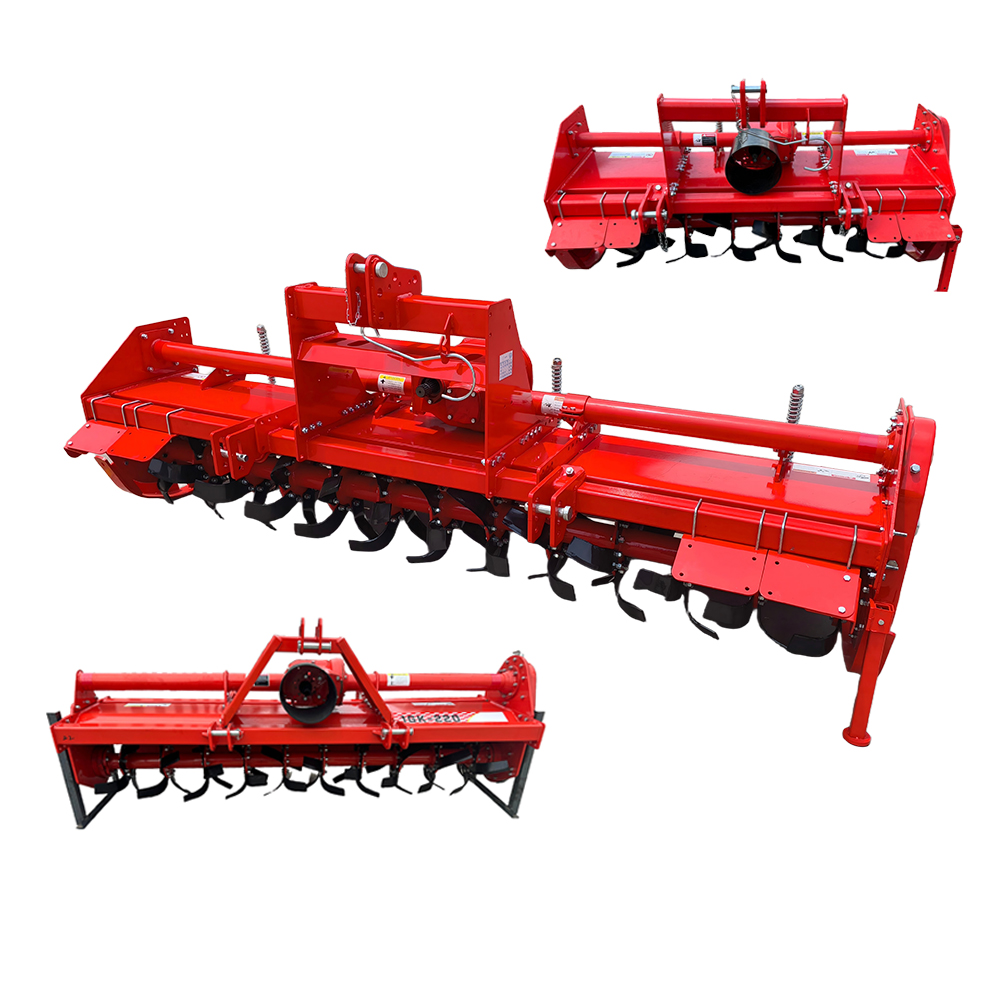
Explore MASCHIO-type rotary tillers from CXNOFIA, including 1MB, 1MC and 1GK series with 35–220 HP applications and 120–360 cm working widths.
MASCHIO-Type Rotary Tiller: 1MB, 1MC & 1GK Series Guide
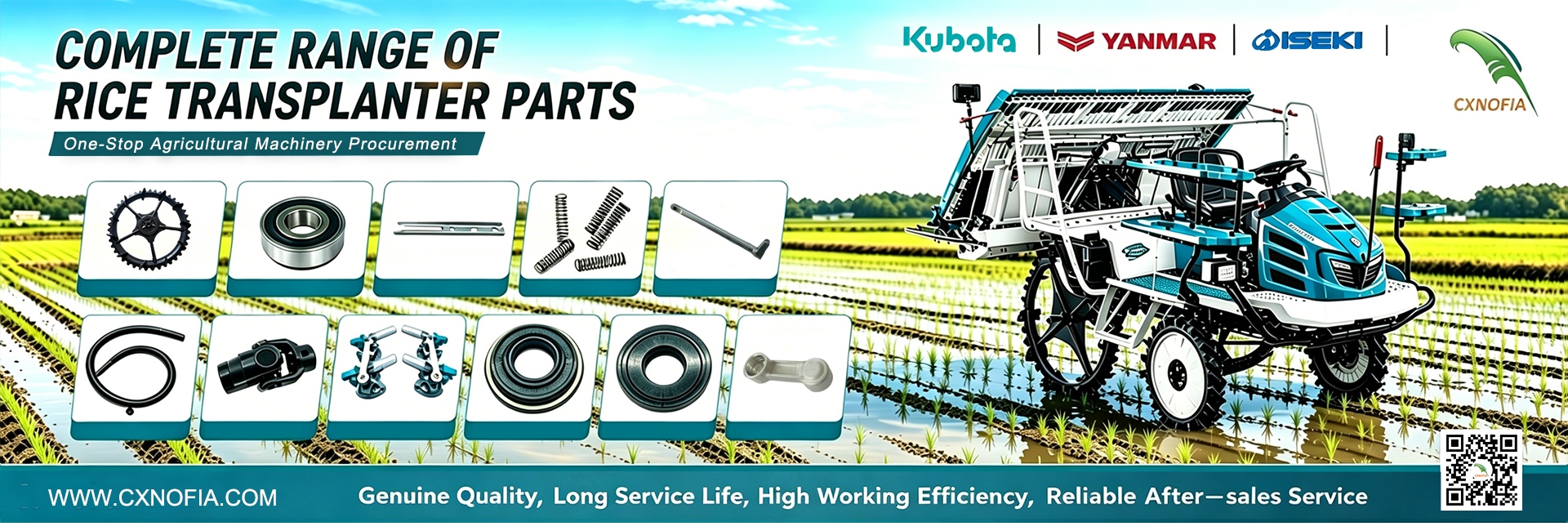
Explore the complete rice transplanter spare parts list for Kubota, Yanmar and ISEKI machines. Learn which replacement parts wear out most frequently, what dealers should keep in stock, and how CXNOFIA provides one-stop agricultural machinery spare parts solutions worldwide.
Complete Rice Transplanter Spare Parts List: Top Replacement Parts for Kubota, Yanmar & ISEKI Machines