PTO Shafts and Gearboxes: The Essential Partnership Powering Global Agriculture and Industry
In the realm of mechanical power transmission, few partnerships are as crucial or as widespread as that between Power Take-Off (PTO) shafts and gearboxes. This combination forms the backbone of countless agricultural, industrial, and marine applications, enabling machinery to perform tasks with precision and efficiency that would otherwise be impossible. From the vast farmlands of North America to the bustling ports of Asia, PTO and gearbox systems continue to drive productivity and innovation across sectors.
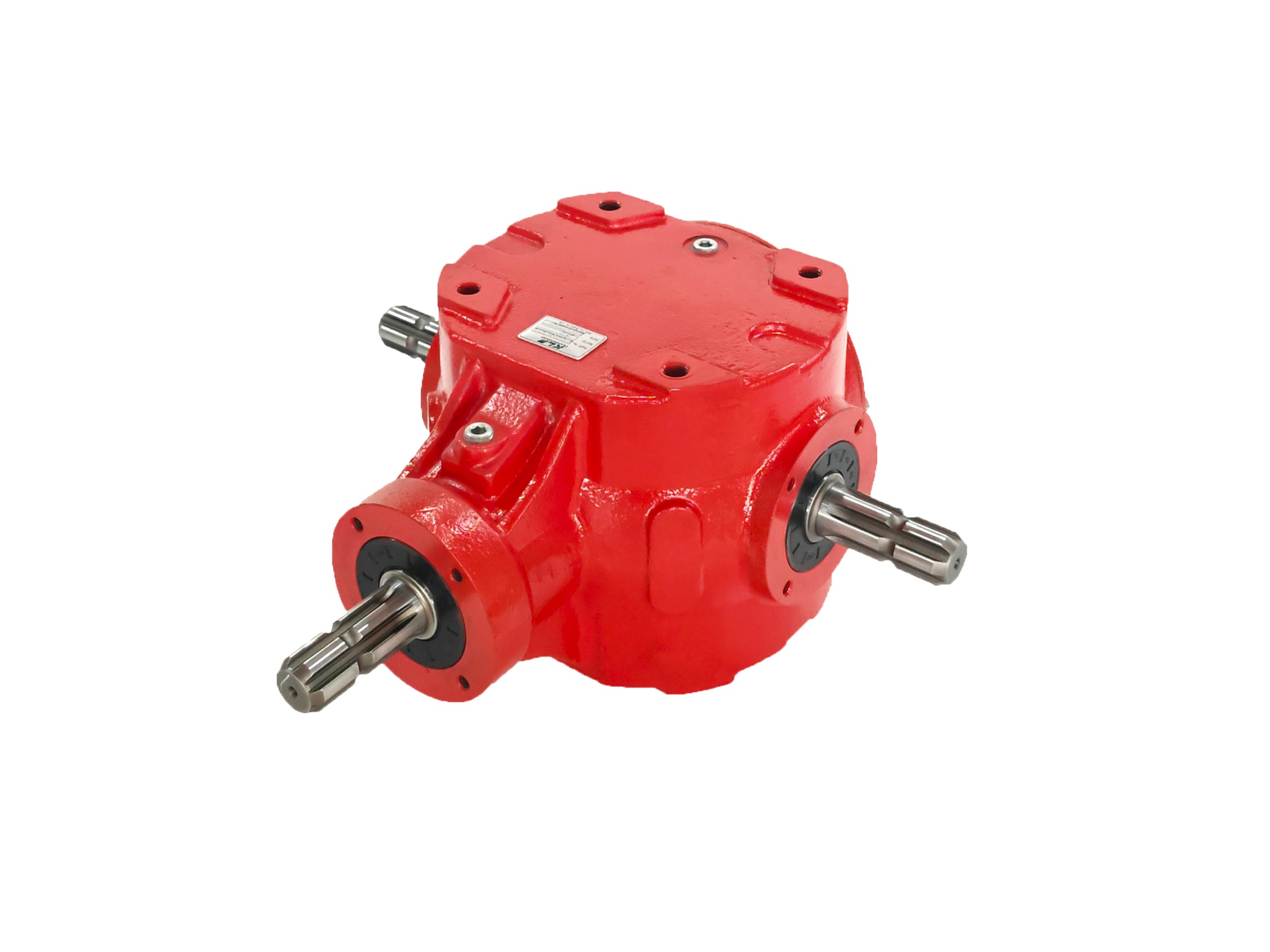
The Fundamental Partnership: How PTO Shafts and Gearboxes Work Together
At its core, the relationship between PTO shafts and gearboxes represents a perfect synergy of power transmission and modification. PTO shafts serve as the critical link, transferring rotational energy from a primary power source—typically a tractor’s engine or an industrial motor—to auxiliary equipment. However, this raw power is often unsuitable for direct use due to mismatches in speed, torque, or direction.
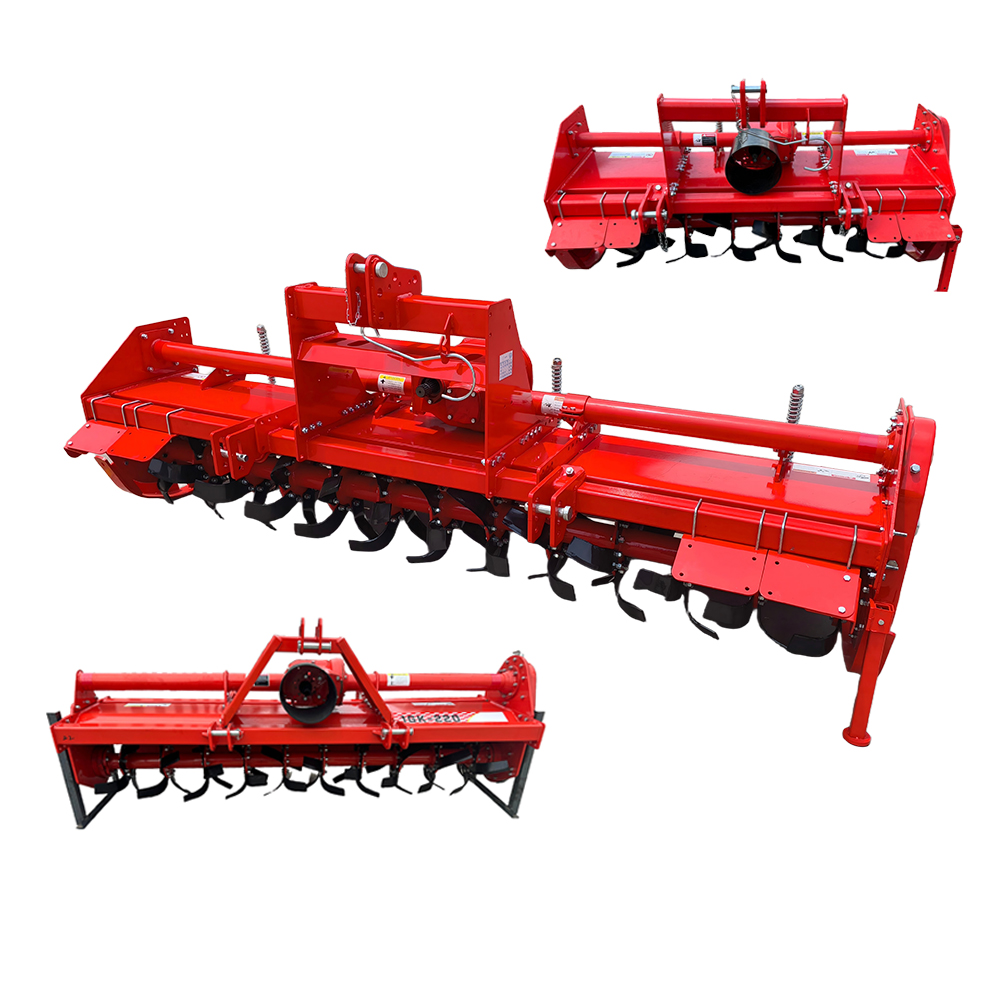
This is where gearboxes enter the equation. These precision-engineered components act as mechanical translators, converting the power characteristics to meet specific operational requirements. By applying different gear ratios, gearboxes can reduce speed while simultaneously increasing torque, or adjust the direction of rotation to accommodate diverse implement configurations. For instance, while a tractor’s PTO might output at standard speeds of 540 or 1000 RPM, implements such as rotary tillers often require lower speeds of around 220–280 RPM. The gearbox makes this conversion possible without sacrificing power or efficiency.
Agricultural Applications: Where Precision Meets Power
Agriculture represents the largest and most diverse application area for PTO-gearbox systems. Modern farming relies on this partnership to power an extensive range of implements, from rotary cutters and mowers to balers and seeders. Leading manufacturers have long integrated PTO and gearbox technologies into their equipment, ensuring that implements can handle heavy loads and operate efficiently under demanding field conditions.
Safety remains a priority in these applications. Systems often include shear bolts or overload clutches that disengage automatically if the driveline encounters sudden obstructions such as rocks or roots. These features protect both the gearbox and the power source while helping to prevent dangerous situations for operators.
Industrial and Marine Innovations
Beyond agriculture, the PTO-gearbox partnership enables critical functions across industries. In marine applications, gearboxes equipped with PTO outputs are used to power auxiliary equipment—such as shaft-driven generators—while vessels remain in operation. This helps ships reduce fuel consumption and emissions by maximizing energy efficiency.
The construction industry also benefits from PTO-driven gearboxes. Heavy machinery including loaders, excavators, and drilling rigs often use them to power hydraulic pumps, winches, or specialized attachments. Dual PTO systems capable of running multiple auxiliary functions simultaneously are increasingly common, boosting versatility and productivity on job sites.
Technological Advancements and Innovations
The evolution of PTO and gearbox technology continues at a rapid pace. Compact, multi-functional systems now allow tractors to deliver simultaneous front and rear power output, opening new possibilities for implement configuration. Hydrostatic drives and wet clutch systems provide smoother power transitions, reduce operator fatigue, and extend component life.
Sensor integration and smart technology have also begun reshaping the field. Modern PTO-gearbox units may include monitoring systems that track torque, load, and temperature in real time, enabling predictive maintenance and improved safety. Quick-attach guard systems further simplify implement connections while maintaining operator protection.
Global Standards and Regional Adaptations
The globalization of agricultural and industrial machinery has encouraged the standardization of PTO and gearbox specifications. ISO and SAE standards ensure cross-manufacturer compatibility while allowing for regional adaptations. For example, North America commonly uses 6- or 21-spline 1-3/8” PTO shafts, while Europe often employs both 1-3/8” and 1-3/4” designs to suit different horsepower ranges.
Meanwhile, Asian manufacturers have developed cost-effective gearbox solutions for small tractors and implements, helping smallholder farmers transition to mechanized agriculture in emerging markets.
Maintenance and Safety: Critical Considerations
Proper maintenance is essential for the safe, long-lasting operation of PTO-gearbox systems. Operators should regularly inspect splines for wear, check protective guards, and monitor gearbox oil quality. Advances in lubricants have extended service intervals while enhancing protection against wear and overheating.
Despite safety improvements, PTO-related accidents remain a concern. Industry organizations emphasize training programs that promote correct guard installation, appropriate clothing, and safe handling practices—critical measures to protect operators in the field.
The Future of PTO-Gearbox Systems
Looking ahead, electrification is poised to be one of the most significant developments. Electric PTO systems are emerging in both agricultural and industrial applications, offering precise control while reducing mechanical complexity.
Smart and automated technologies are also gaining ground. Future systems will increasingly integrate IoT connectivity, enabling real-time performance monitoring and automatic adjustments to gear ratios based on load conditions. Autonomous tractors and implements will depend on these advanced power transmission systems, further accelerating innovation.
Conclusion: An Enduring Partnership
The collaboration between PTO shafts and gearboxes remains one of the most reliable and transformative partnerships in mechanical engineering. For more than a century, this system has enabled machines to perform essential work—from producing food to building infrastructure.
As technology evolves, PTO and gearbox systems will continue adapting, incorporating electrification, digitalization, and advanced safety measures. What will remain unchanged is their indispensable role in powering agriculture, industry, and beyond—an enduring partnership that continues to shape global productivity.
Why Compression Springs Matter in Tractor Engineering?
Power Take-Off (PTO) Shafts: Driving Efficiency Across Industries
Related Article