Purpose of A Tractor Shim
2026-01-23

In the world of agricultural machinery, where torque, vibration, and heavy loads define daily operation, small components often wield outsized influence. Among these unsung heroes is the tractor shim—a thin, precisely engineered metal spacer that plays a critical role in gear alignment, bearing preload, and component clearance. Despite its modest size, the shim is fundamental to maintaining performance, reducing wear, and preventing costly breakdowns in tractors like those from Kubota, John Deere, and New Holland. But what exactly is the purpose of a tractor shim? Why do mechanics and OEMs specify exact thicknesses down to thousandths of an inch? And how do material choices—such as stainless steel shims—impact durability in harsh field conditions?
What Is a Tractor Shim and Why Does Thickness Precision Matter?
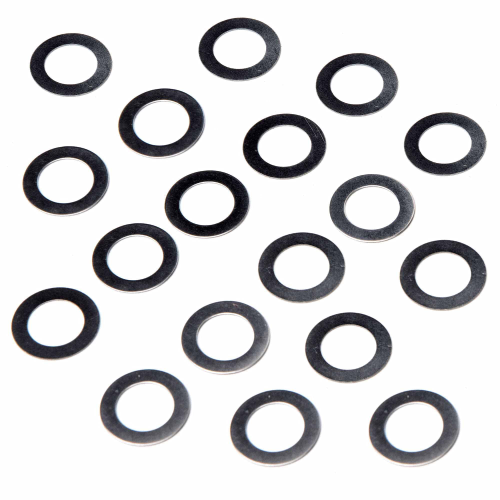
A tractor shim for kubota is a flat, typically circular or washer like spacer made from metal, inserted between mechanical components to fine-tune clearances or adjust alignment. Unlike generic washers, metal shims are manufactured to extremely tight tolerances—often within ±0.0005 inches—because even minor deviations can lead to gear misalignment, excessive noise, premature bearing failure, or oil leaks.
In tractor gearboxes and differentials, shims are used to set bearing preload—the controlled axial force applied to tapered roller bearings to eliminate play while avoiding over-compression. Too little preload allows internal movement that accelerates wear; too much generates heat and shortens bearing life. Achieving the correct preload often requires stacking or selecting shims of specific thicknesses during assembly or repair. This is especially true in high-torque systems like the Kubota rear axle, where a part such as the 67211-15160 shim is specified by the manufacturer to maintain optimal differential gear mesh.
Moreover, metal shims help compensate for manufacturing tolerances in housings, shafts, and carrier assemblies. No two cast housings are perfectly identical; shims provide the necessary adjustment to bring everything into spec. This precision is not a luxury—it's a necessity for ensuring smooth power transfer, minimizing vibration, and extending service intervals in demanding agricultural environments.
Material Selection: Why Stainless Steel Shims Are Gaining Ground
While traditional metal shims are commonly made from carbon steel or brass, the rise of stainless steel shims reflects growing awareness of corrosion resistance in agricultural settings. Tractors routinely operate in wet, muddy, or chemically treated fields where exposure to moisture, fertilizers, and de-icing salts can degrade standard steel components over time.
Stainless steel—particularly grades like 304 or 316—offers superior resistance to rust and chemical attack without significantly compromising mechanical strength or dimensional stability. This makes stainless steel shims especially valuable in external gear housings, PTO assemblies, or regions of the tractor prone to fluid ingress. Importantly, stainless shims maintain their thickness and flatness even after prolonged exposure, ensuring that preload settings remain consistent throughout the component's service life.
That said, stainless isn't always the default choice. In internal, oil-lubricated environments like sealed differentials, carbon steel shims may suffice and are often more cost-effective. The key is matching material to environment. For example, a shim for Kubota models used in rice paddies or coastal farms might benefit from stainless construction, whereas the same part in a dry-land grain tractor may not require it. Understanding this context helps technicians make informed, longevity-focused decisions during repairs or rebuilds.
Real World Applications: The Critical Function of Shim 67211-15160 in Kubota Systems
The 67211-15160 is a specific shim referenced in Kubota service manuals for certain compact and utility tractor models. It is typically installed within the rear axle housing or differential carrier to set the correct axial position of the pinion gear relative to the ring gear. This alignment directly affects gear contact pattern, noise levels, and load distribution across the gear teeth.
If this shim is omitted, installed incorrectly, or replaced with an incorrect thickness during maintenance, the consequences can be severe: abnormal gear wear, whining noises under load, overheating, and eventual gear tooth breakage. Skilled mechanics often use dial indicators and torque wrenches to verify gear backlash and preload after installing the 67211-15160, underscoring the shim's role as a metrological tool as much as a mechanical spacer.
This part also illustrates how OEM-specific part numbers ensure compatibility. While generic shims might match the outer diameter, inner diameter, or nominal thickness, they may lack the exact material hardness, surface finish, or edge treatment required for reliable performance in high-precision Kubota systems. That's why reputable parts suppliers—including specialized vendors like CXNOFIA—catalog components such as the 67211-15160 shim for Kubota with OEM-equivalent specifications, enabling accurate replacements without guesswork.
FAQs: Addressing Common Questions About Tractor Shims
Q: Can I reuse a tractor shim after disassembly?
A: Generally not recommended. Shims can deform slightly under load or during removal. Reusing them may alter critical clearances. Always inspect for flatness, cracks, or corrosion—and replace if in doubt.
Q: Are all metal shims the same?
A: No. Material, hardness, surface finish, and tolerance vary widely. A shim designed for a hydraulic pump isn't interchangeable with one for a differential, even if dimensions appear similar.
Q: Why specify stainless steel shims for tractors?
A: In wet, saline, or chemically aggressive environments, stainless steel resists corrosion better than carbon steel, preserving thickness accuracy and preventing rust-induced clearance changes.
Q: What happens if I use the wrong thickness shim for Kubota 67211-15160?
A: Incorrect thickness can misalign the ring and pinion gears, leading to edge loading, noise, heat buildup, and premature failure. Always follow Kubota's service manual specifications.
Q: Where can I find reliable replacements for OEM shims like 67211-15160?
A: Specialized agricultural parts suppliers that cross-reference OEM numbers—such as CXNOFIA—offer verified replacements that match original dimensions and material standards, ensuring compatibility and performance.
The tractor shim is a tiny component with a massive impact. Far from being a simple spacer, it is a precision instrument that enables accurate mechanical alignment, controls critical clearances, and contributes directly to the reliability of agricultural equipment. Whether you're a technician rebuilding a Kubota differential or an engineer specifying materials for harsh environments, understanding the purpose, material options, and installation nuances of shims like the 67211-15160 is essential for maximizing machine uptime and performance. In the high stakes world of modern farming, even the thinnest piece of metal can make all the difference.
Which Way Do Kingpin Seals Go?
How To Install A Tapered Bearing?
Related Article
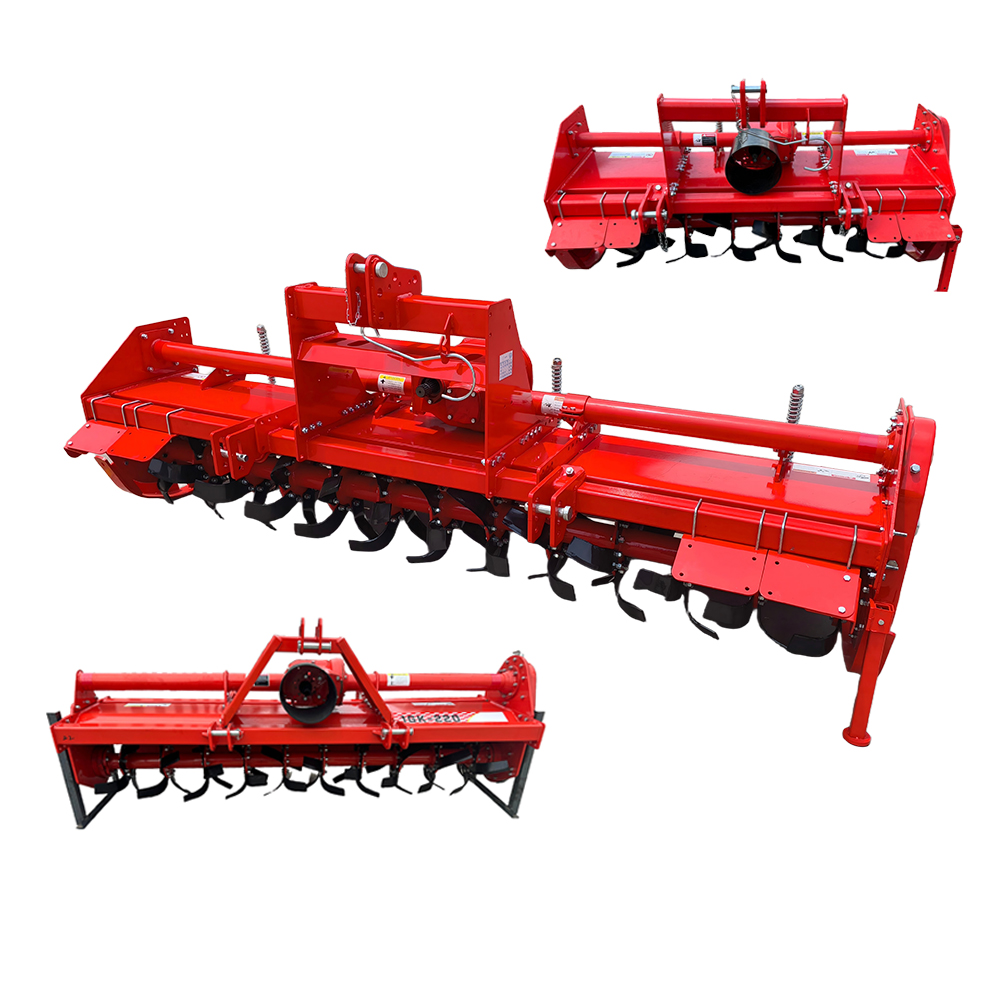
Explore MASCHIO-type rotary tillers from CXNOFIA, including 1MB, 1MC and 1GK series with 35–220 HP applications and 120–360 cm working widths.
MASCHIO-Type Rotary Tiller: 1MB, 1MC & 1GK Series Guide
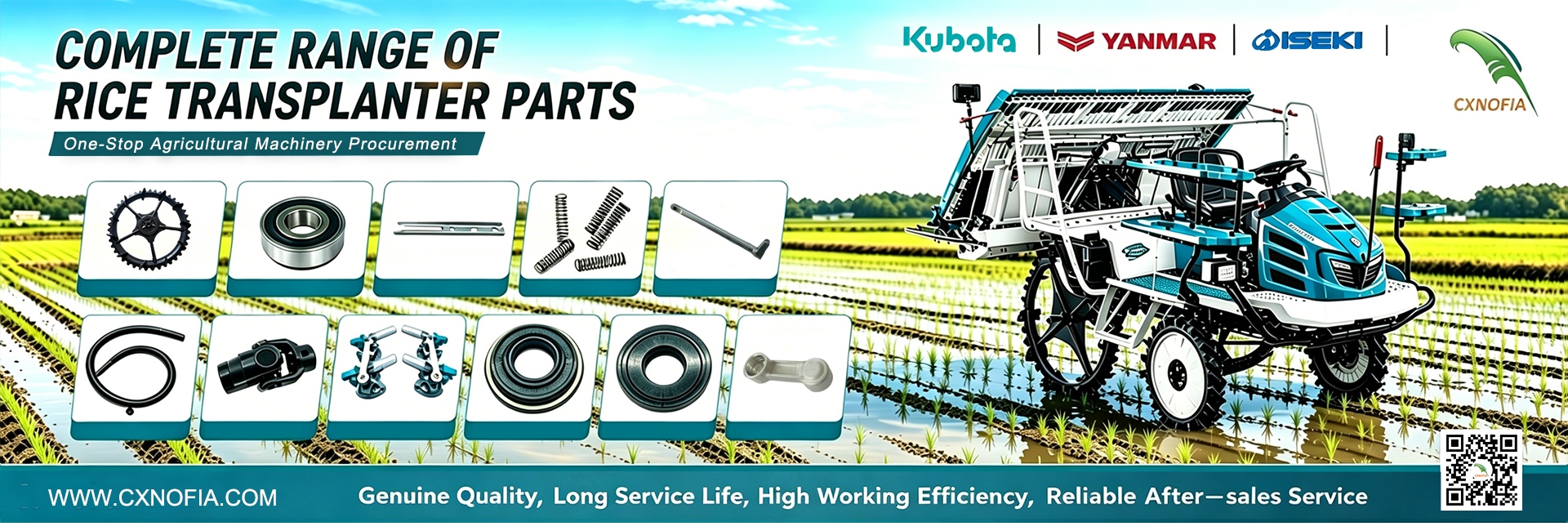
Explore the complete rice transplanter spare parts list for Kubota, Yanmar and ISEKI machines. Learn which replacement parts wear out most frequently, what dealers should keep in stock, and how CXNOFIA provides one-stop agricultural machinery spare parts solutions worldwide.
Complete Rice Transplanter Spare Parts List: Top Replacement Parts for Kubota, Yanmar & ISEKI Machines