Technical Insight into 3C091-43070 Disc
2026-02-26
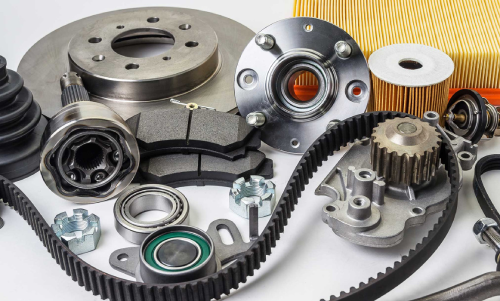
When B2B buyers search for a disc for kubota tractor, the intent often goes far beyond replacing a worn component. In commercial agriculture and equipment distribution, every part number represents a decision about lifecycle cost, supply stability, and operational uptime.
The part number 3C091-43070 is frequently categorized under differential components for Kubota tractors. Yet in the broader marketplace, terms such as farm tractor disc and agricultural discs for sale are used generically, sometimes creating ambiguity between soil-working implements and drivetrain components.
For distributors, fleet operators, and agricultural equipment resellers, understanding the technical and economic implications of this distinction is critical.
Engineering Context: What the 3C091-43070 Disc for Kubota Tractor Actually Does
Differential Systems and Torque Distribution
Modern Kubota tractors—particularly 4WD configurations—rely on limited slip differential (LSD) systems to manage torque transfer between wheels. In agricultural operations, traction is rarely uniform. One wheel may encounter wet clay while the opposite wheel sits on compacted soil. Without controlled torque biasing, one wheel spins excessively while the other receives insufficient torque.
The 3C091-43070 is a friction disc integrated into the LSD clutch pack. Its function is not visible externally, but mechanically it performs several critical tasks:
Generates controlled friction between clutch plates
Regulates differential slip under torque imbalance
Stabilizes wheel speed variance
Maintains predictable steering under load
Unlike a farm tractor disc that directly contacts soil, this disc operates inside a sealed, lubricated housing. It must balance friction engagement with smooth slip characteristics.
Material Science Considerations
For a disc for kubota tractor used in drivetrain assemblies, the engineering focus shifts to:
Friction material composition
Thermal stability under cyclic loading
Oil compatibility
Dimensional precision (micron level tolerance control)
Surface flatness and finish consistency
Even slight variation in thickness affects clutch stack preload. Too thick, and engagement becomes overly aggressive. Too thin, and torque transfer weakens prematurely.
In heavy agricultural applications—plowing, hauling, loader work—the differential is subjected to continuous torque fluctuations. The friction characteristics of 3C091-43070 directly influence drivetrain longevity.
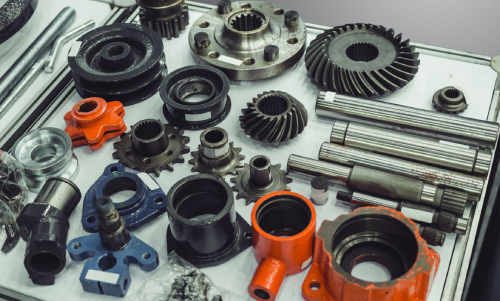
Comparing Internal Differential Discs and Farm Tractor Disc Implements
Functional Divergence: Soil vs Drivetrain
When evaluating agricultural discs for sale, most catalogs present concave steel blades designed for tillage. These farm tractor disc components:
Cut through soil
Break clods
Mix crop residue
Improve seedbed preparation
Their performance metrics revolve around:
Abrasion resistance
Blade thickness
Edge durability
Structural rigidity
In contrast, the 3C091-43070:
Does not contact soil
Operates inside lubricated housing
Transfers torque through friction
Functions within a closed mechanical assembly
This distinction is not semantic—it determines engineering standards, inspection protocols, and risk modeling.
Wear Mechanisms: Abrasive vs Frictional
External farm tractor disc wear pattern:
Progressive edge dulling
Surface pitting from rocks
Visible diameter reduction
Easily measurable degradation
Internal differential disc wear pattern:
Friction material glazing
Micro-layer surface breakdown
Gradual torque bias reduction
Non-visible degradation until performance decline
From a B2B maintenance perspective, external discs are replaced based on visible wear. Internal drivetrain discs like 3C091-43070 often require preventative replacement planning rather than reactive replacement.
Downtime Risk Comparison
Failure of a soil disc typically reduces field efficiency but does not immobilize the tractor.
Failure of a differential friction disc may result in:
Reduced traction stability
Excessive wheel spin
Steering irregularities
In extreme cases, drivetrain disassembly
The downtime cost during planting or harvest season can significantly exceed the component price itself.
Lifecycle Economics and Risk Exposure Modeling
Direct vs Indirect Cost Structure
When purchasing agricultural discs for sale, buyers often compare unit price per disc blade. For drivetrain discs, the financial model must be broader.
Cost categories include:
Part acquisition cost
Labor for differential access
Lubricant replacement cost
Downtime during repair
Secondary component wear risk
A lower cost disc for kubota tractor that fails prematurely may create exponential indirect costs.
Predictive Maintenance Strategy
Fleet operators should track:
Operating hours under load
Differential performance indicators
Oil contamination patterns
Traction anomalies
Unlike visible farm tractor disc implements, internal discs demand performance monitoring rather than visual inspection.
Preventative replacement intervals may be aligned with:
Major service milestones
Front axle rebuild schedules
Seasonal downtime windows
Strategic replacement planning minimizes peak-season disruption.
Supply Chain Volatility Considerations
Agricultural equipment parts face:
Seasonal demand spikes
Global logistics constraints
OEM production prioritization
Regional distribution variability
Stocking critical drivetrain components such as 3C091-43070 ensures resilience against supply chain disruption.
Distributors handling both farm tractor disc implements and drivetrain discs should categorize them differently in inventory risk modeling systems.
Procurement Governance and Quality Assurance for 3C091-43070
Technical Verification Protocol
Before purchasing 3C091-43070, B2B buyers should verify:
Exact Kubota model compatibility
Differential configuration variant
Required quantity per clutch assembly
Thickness tolerance specification
Friction material grade
This process differs from purchasing agricultural discs for sale, where diameter and bolt pattern are primary considerations.
Supplier Qualification Criteria
For drivetrain discs, supplier evaluation should include:
Production process transparency
Material sourcing traceability
Batch testing documentation
Dimensional inspection reports
Surface treatment consistency
Professional manufacturers such as CXNOFIA provide structured part documentation for 3C091-43070, enabling buyers to cross-reference specifications prior to procurement decisions.
Inventory Segmentation Strategy
Distributors should segment:
External farm tractor disc inventory (high-volume, visible wear)
Internal drivetrain disc inventory (lower volume, higher criticality)
This reduces misclassification errors when customers search for a disc for kubota tractor.
Clear catalog taxonomy improves both operational efficiency and SEO clarity.
FAQ — Disc for Kubota Tractor and Agricultural Discs
Q1: Is 3C091-43070 the same as a farm tractor disc used for tillage?
No. 3C091-43070 is an internal differential friction disc used in Kubota tractor drivetrain assemblies. Farm tractor discs for tillage are external soil-working components.
Q2: Why is 3C091-43070 categorized differently from agricultural discs for sale?
Because it functions within a torque-transfer system rather than engaging soil. It requires precision manufacturing and controlled friction properties.
Q3: Can dimensional variation affect performance?
Yes. Minor thickness deviations can alter clutch pack compression and torque bias behavior, impacting drivetrain stability.
Q4: What happens if a differential disc wears out?
Reduced traction control, increased wheel slip, potential overheating, and eventual drivetrain imbalance may occur.
Q5: Should distributors stock drivetrain discs differently from farm tractor disc implements?
Yes. Drivetrain discs are critical components with higher downtime impact and require tighter quality assurance protocols.
The Difference Between A Thrust Collar And A Thrust Bearing
Tractor 3C091-43070 Disc for Kubota
Related Article
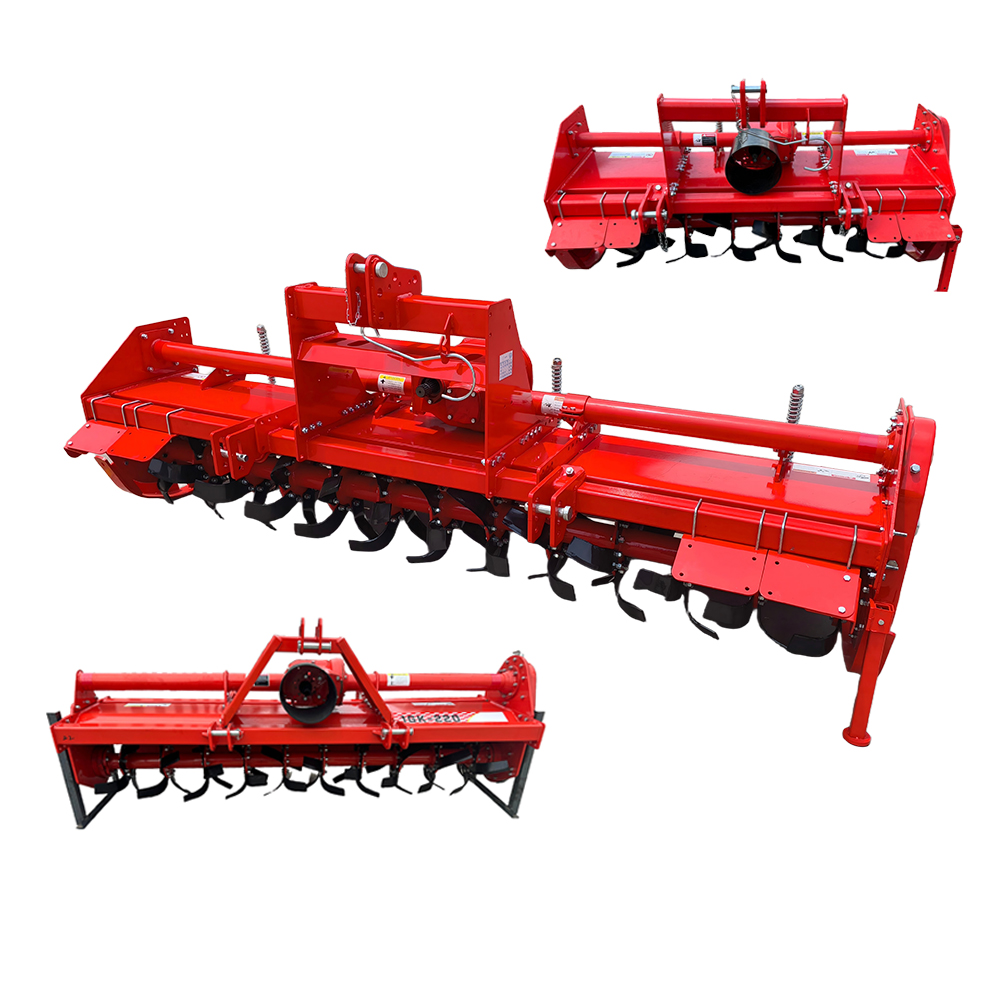
Explore MASCHIO-type rotary tillers from CXNOFIA, including 1MB, 1MC and 1GK series with 35–220 HP applications and 120–360 cm working widths.
MASCHIO-Type Rotary Tiller: 1MB, 1MC & 1GK Series Guide
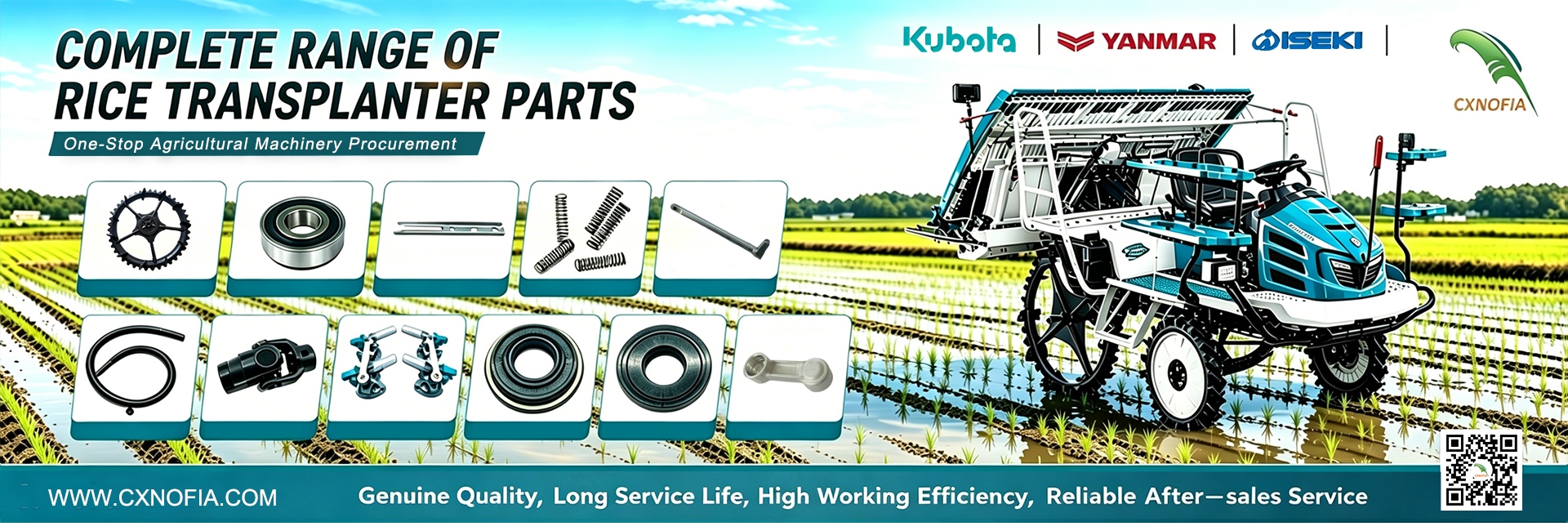
Explore the complete rice transplanter spare parts list for Kubota, Yanmar and ISEKI machines. Learn which replacement parts wear out most frequently, what dealers should keep in stock, and how CXNOFIA provides one-stop agricultural machinery spare parts solutions worldwide.
Complete Rice Transplanter Spare Parts List: Top Replacement Parts for Kubota, Yanmar & ISEKI Machines