The Benefits of Using an Excavator Suction Filter
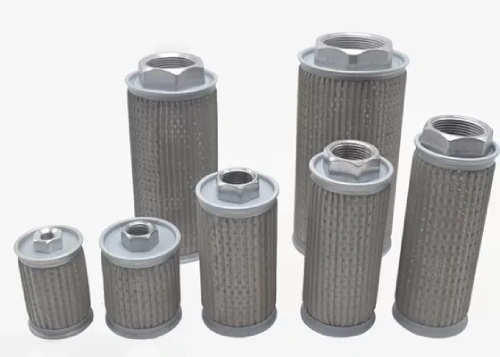
In hydraulic machinery, system reliability depends heavily on fluid cleanliness. One key component that ensures this is the excavator suction filter. Often overlooked, this filter prevents contaminants from entering the hydraulic pump and protects other critical components from premature wear. Understanding the benefits of using an excavator suction filter not only helps operators maintain optimal performance but also extends equipment lifespan and reduces downtime.
Chapter 1: Understanding the Role of a Suction Filter in Excavator Hydraulic Systems
Hydraulic circuits in excavators are composed of pumps, valves, cylinders, filter for hydraulic system, and reservoirs. Within this system, the suction filter is a foundational component. Before discussing the benefits, it is essential to understand what a suction filter is, where it is installed, and why it is crucial for excavators.
1.1 What is a suction filter in a hydraulic system?
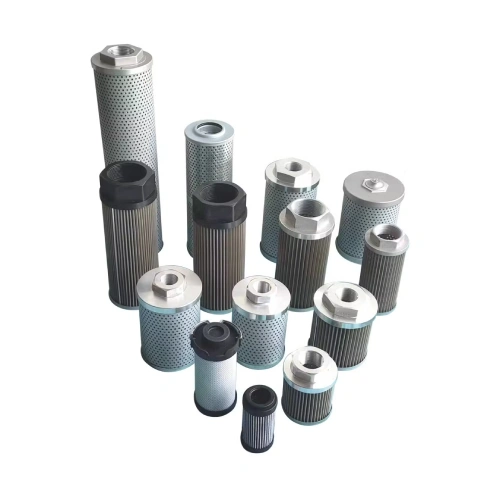
A suction filter is installed on the intake side of the hydraulic pump or in the line between the tank and the pump. Its purpose is to capture contaminants—particles, debris, and air pockets—before the fluid enters the pump, thereby protecting downstream components.
1.2 Why excavators need a suction filter?
Excavators, particularly compact and mini models, operate in harsh environments that involve dust, dirt, vibration, and heavy loads. The hydraulic pumps in these machines are susceptible to wear and cavitation if contaminants enter the system. The suction filter acts as the first line of defense, ensuring that only relatively clean fluid reaches the pump, reducing wear, and improving system reliability.
1.3 Positioning and design considerations
The selection and positioning of a suction filter for hydraulic system must account for flow rates, pressure drop, micron ratings, and mounting location. On the suction side, the low pressure environment makes it crucial to avoid excessive restriction, which could cause cavitation or reduce pump life. A properly designed suction filter balances filtration effectiveness with minimal flow resistance.
Chapter 2: The Benefits of Using an Excavator Suction Filter
2.1 Pump protection and longevity
A well designed suction filter for hydraulic system protects the hydraulic pump from particles, metal shavings, and air bubbles, preventing abrasion, cavitation, and seal damage. This protection extends pump life and ensures the hydraulic system operates efficiently under varying load and terrain conditions.
2.2 Maintaining fluid cleanliness and system reliability
Suction filters enhance the cleanliness of the fluid entering the system, which benefits all downstream components including valves, cylinders, and actuators. Keeping fluid clean prevents contamination related malfunctions and contributes to a more reliable hydraulic system.
2.3 Reducing maintenance costs and downtime
By preventing pump and system damage, suction filters reduce the frequency of part replacements and maintenance interventions. This also minimizes unplanned downtime, which is particularly valuable in excavation projects where machine uptime is critical.
2.4 Improving operational efficiency
Clean fluid and well protected pumps maintain optimal flow and pressure, enabling consistent machine performance. Suction filters reduce the risk of cavitation and other performance degrading issues, ensuring that hydraulic systems operate at their designed efficiency.
2.5 Protection in harsh working conditions
Excavators often operate in environments with high contamination potential. A suction filter for hydraulic system captures coarse particles and debris before they enter the system, preventing damage under challenging conditions. Suppliers like CXNOFIA design hydraulic suction filters specifically for excavator applications, ensuring durability and compatibility with various machine models.
Chapter 3: Practical Implementation – Choosing and Using an Excavator Hydraulic Filter
3.1 Key criteria for selection
When selecting a suction filter for excavator hydraulic systems, consider:
Flow rating: Must handle maximum pump suction flow without excessive restriction.
Micron rating: Coarser filtration is often necessary to prevent cavitation.
Mounting style: Options include in-tank, inline on the suction line, or directly at the pump inlet.
Serviceability: Easy inspection and replacement is important for maintenance efficiency.
Supplier expertise: Choosing a supplier experienced in excavator hydraulic filters ensures correct sizing and durability. CXNOFIA provides filters designed for specific excavator models, balancing performance and reliability.
3.2 Best practices for placement and installation
Keep suction line length short and minimize bends to reduce pressure drop.
Position the filter for easy maintenance access.
Ensure fluid enters the pump through the filter for hydraulic system to maximize protection.
Monitor for signs of restriction and adjust or replace the filter as needed.
3.3 Maintenance and service intervals
Inspect and replace suction filters according to machine use and environmental conditions.
Monitor for reduced flow or increased suction vacuum as indicators of a clogged filter.
Keep a maintenance record including replacement dates, filter ratings, and observed performance.
3.4 Economic considerations
Although high quality suction filters may cost more upfront, the reduction in downtime, pump repairs, and maintenance costs often outweighs the initial expense. Properly selected filters maximize equipment lifespan and productivity.
Chapter 4: Real World Scenarios, Common Pitfalls & FAQ
4.1 Compact and mini excavator applications
In mini and compact excavators, limited space may constrain filter placement. Properly designed suction filters fit these layouts while providing protection in high-dust environments. A correctly installed suction filter ensures long-term pump performance and system reliability.
4.2 Common pitfalls
Using a filter for hydraulic system that is too fine may restrict flow and cause cavitation.
Installing the filter too far from the pump or with many bends can reduce effectiveness.
Neglecting maintenance can lead to clogging, vacuum drop, and pump damage.
Using a pressure-side filter on the suction side may result in inadequate protection.
4.3 FAQ
Q1: Where is the suction filter located in an excavator?
A1: Typically on the suction line before the pump or inside the reservoir near the pump inlet, depending on machine design.
Q2: Can a suction filter replace other hydraulic filters?
A2: No. Suction filters provide coarse filtration at the pump inlet. Pressure and return filters are still needed for fine filtration and system cleanliness.
Q3: How often should a suction filter be maintained?
A3: Frequency depends on machine use and environmental conditions. Regular inspection and timely replacement are critical to avoid pump damage.
Q4: What are the main benefits of a suction filter?
A4: Protection of the pump, enhanced system reliability, reduced maintenance costs, and sustained operational efficiency under harsh conditions.
Q5: What mistakes should be avoided?
A5: Avoid over-restrictive filters, improper placement, using incompatible filters, and neglecting maintenance.
Suction filters are a key component in excavator hydraulic systems. They protect pumps, maintain fluid cleanliness, reduce maintenance needs, and improve system reliability. Correct selection, installation, and maintenance are essential to fully realize the benefits of using an excavator suction filter, especially in harsh operating environments.
Discover CXNOFIA's rb238-62150 excavator hydraulic filter. As a trusted excavator filter for hydraulic system manufacturer in China, we deliver precision engineered, durable excavator hydraulic filter. Reach out today at sales@cxnofia.com
The Purpose of an Excavator Suction Filter
What Is a Suction Filter?
Related Article