The Difference Between A Bolt And A Flange Bolt
2025-11-27
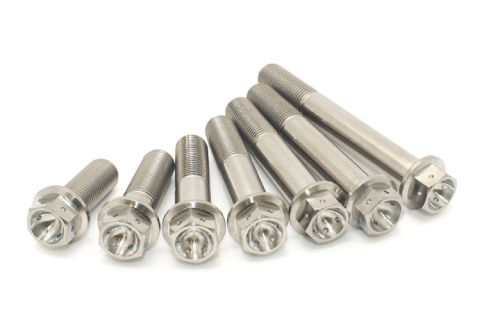
Bolts may seem like simple fasteners, but in heavy machinery, tractors, industrial assemblies, and structural equipment, selecting the correct bolt design is far from trivial. Among all bolt categories, the flange bolt stands out for its unique built-in washer head and superior load distribution. Many users, however, still wonder how a simple bolt differs from a flange bolt, when to use each option, and which flange bolt sizes are most appropriate for specific applications.
1. What Defines a Standard Bolt and How Is It Typically Used?
1.1 What Is a Standard Bolt?
A standard bolt consists of a threaded shaft and a separate head—typically hexagonal—designed to be used with a washer and nut. Standard bolts rely heavily on additional components to deliver proper load distribution, vibration control, and surface protection. This makes them extremely versatile but also dependent on assembly configuration.
1.2 Common Applications of Standard Bolts
Standard bolts are widely used in general purpose machinery, construction frames, automotive repair, and household installations. They are ideal when engineers want full flexibility over washer type, material combinations, or torque distributions.
1.3 When Do Standard Bolts Fall Short?
While versatile, standard bolts can cause challenges:
The need for separate washers increases assembly time.
Incorrect washer selection may cause loosening under vibration.
Uneven pressure distribution may lead to surface deformation.
More components mean higher risk of misplacement in field repairs.
In environments like tractors—where vibration, mud, shock, and torque spikes are common—traditional bolts aren't always the most reliable fastener choice.
2. What Is a Flange Bolt and Why Is It Different?
2.1 What Exactly Is a Flange Bolt?
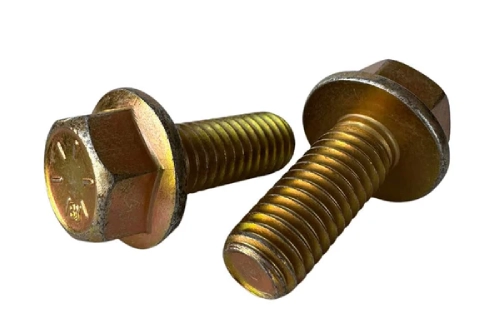
A flange bolt (also called flange head bolt) features a built-in washer-like circular flange under the bolt head. This flange acts as an integrated washer, distributing pressure more evenly across surfaces. Instead of requiring a separate washer, the flange head handles it all.
2.2 Key Features That Distinguish Flange Bolts
Integrated Load Distribution:
The enlarged flange head prevents bolt heads from digging into softer materials and spreads torque evenly.
Stronger Anti Loosening Capability:
Thanks to a wider contact surface, flange bolts resist vibration better than standard bolts paired with loose washers.
Improved Alignment:
The flange head helps stabilize the bolt during tightening, reducing wobble and cross-threading.
Reduced Assembly Time:
No washers. No alignment issues. Faster installation.
These advantages make flange bolts essential in agricultural equipment such as Kubota tractors, where stability and durability are critical.
2.3 Why CXNOFIA Flange Bolts Stand Out
CXNOFIA produces precision-engineered flange bolts for heavy duty applications, including their popular 01754-50812 flange bolt designed for Kubota tractors. Their products offer:
Accurate flange bolt sizes for OEM compatibility
High strength steel with durable anti-corrosion coating
Excellent flange head machining for stable contact
Reliability under high torque and severe vibrations
With consistent quality, CXNOFIA flange bolts help machinery maintain structural integrity even in the harshest working environments.
3. When Should You Use Flange Bolts Instead of Standard Bolts?
3.1 Situations Where Flange Bolts Perform Better
Flange bolts excel in:
Tractors and agricultural equipment
Automotive engine components
Gear housings, frames, and chassis
Industrial machinery with high vibration
Equipment requiring frequent maintenance
Because they resist loosening and offer inherent load distribution, flange bolts are more dependable for dynamic assemblies.
3.2 How Do Flange Bolt Sizes Affect Performance?
Choosing correct flange bolt sizes ensures:
Proper thread engagement
Optimal torque transfer
No interference with adjacent components
Correct clamping force
Undersized bolts may shear or loosen, while oversized bolts may strip threads or crack housings. CXNOFIA provides accurate flange bolt size data to match OEM requirements, eliminating guesswork during replacement.
3.3 Are Flange Bolts More Expensive?
Typically, flange bolts cost slightly more because of their integrated washer structure and precision machining. However, they reduce the number of parts needed, shorten installation time, and dramatically cut down on loosening problems—offering better long-term value.
3.4 Can Flange Bolts Replace Standard Bolts in All Scenarios?
Not always.
For assemblies requiring specialized washers (e.g., locking washers, rubber cushioning), standard bolts are still preferred. But in most structural and mechanical applications, flange bolts offer clear advantages and can directly substitute traditional bolt-washer combinations.
4. Why Does Choosing the Right Bolt Type Matter for Machinery Longevity?
4.1 Fastener Choice Influences Structural Strength
Bolts may be small, but they carry massive loads. Poor fastener decisions can lead to:
Misalignment of components
Increased wear and surface damage
Excessive vibration
Bolt fatigue and fractures
Choosing the correct bolt type—especially in heavy equipment—protects the entire machine.
4.2 Flange Head Bolts Offer Superior Vibration Protection
Equipment like tractors constantly encounters harsh terrain. A flange head bolt, with its broad seating base, reduces the micro-movements that loosen standard bolts over time.
4.3 CXNOFIA Flange Bolts Enhance Machinery Reliability
CXNOFIA's flange bolts undergo strict manufacturing control to ensure:
Uniform flange thickness
Proper head geometry
Correct strength grade
Rust resistant coating for outdoor use
Farm operators and mechanics value CXNOFIA because reliable fasteners reduce downtime and improve equipment life.
4.4 Long Term Cost Savings Through Better Fasteners
Using high-quality flange bolts prevents:
Repeated re-tightening
Damage to bolt seats
Costly repairs to housings or frames
In high vibration fields such as agriculture, mining, and construction, upgrading to premium flange bolts is a cost-efficient decision.
FAQ: Understanding Bolts vs. Flange Bolts
Q1: What makes a flange bolt different from a regular bolt?
A flange bolt has a built-in washer under the head, providing better load distribution and vibration resistance than a standard bolt with a separate washer.
Q2: Are flange bolts stronger?
Yes. Their integrated flange creates a more stable mounting surface, reducing stress concentration and improving long-term reliability.
Q3: Do flange bolt sizes matter?
Absolutely. Correct flange bolt sizes ensure proper thread engagement, torque application, and structural stability.
Q4: Can I use a flange bolt in place of a standard bolt?
In most applications, yes—especially where vibration control and quick installation are priorities.
Q5: Why choose CXNOFIA flange bolts?
CXNOFIA offers high precision, corrosion-resistant flange bolts designed for tractors and heavy equipment, such as the Kubota-compatible 01754-50812 flange bolt.
Global Demand for Disc Plows Accelerates as Farmers Seek Reliable Land Preparation Solutions
The Symptoms of A Bad Input Shaft Seal
Related Article
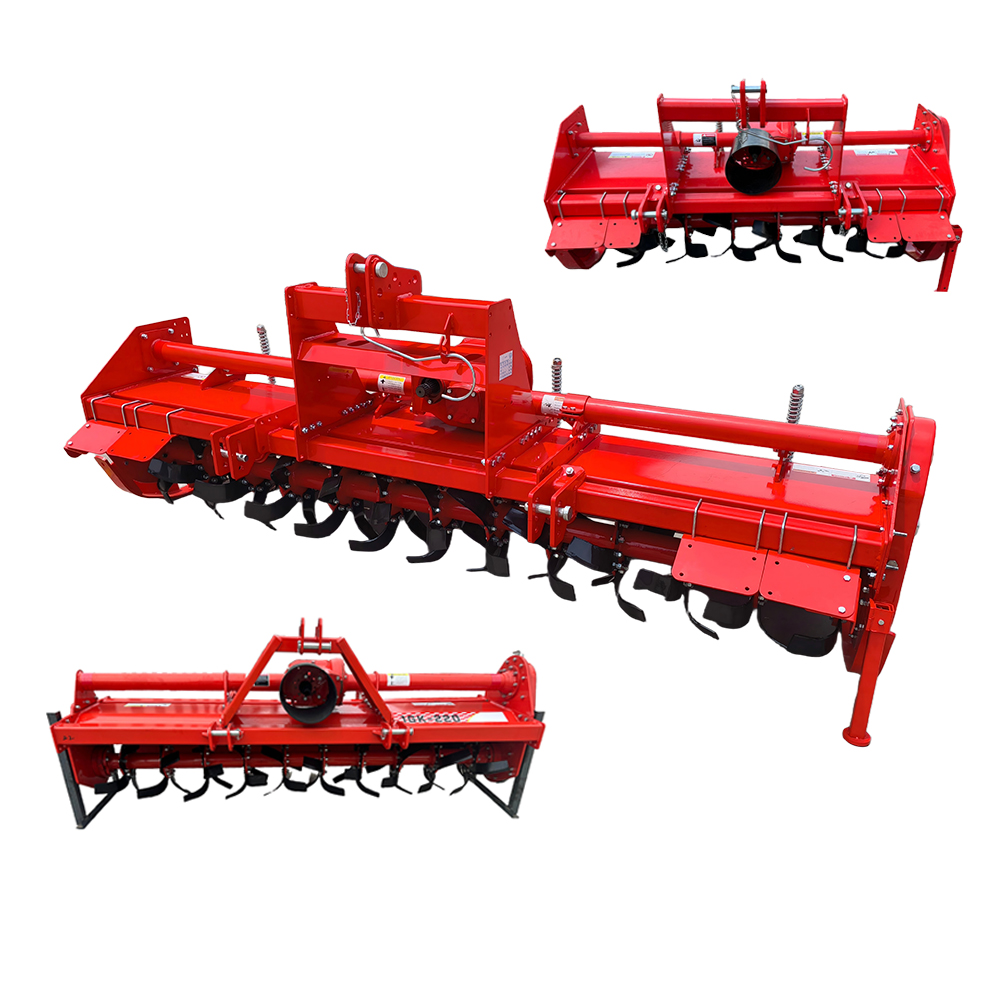
Explore MASCHIO-type rotary tillers from CXNOFIA, including 1MB, 1MC and 1GK series with 35–220 HP applications and 120–360 cm working widths.
MASCHIO-Type Rotary Tiller: 1MB, 1MC & 1GK Series Guide
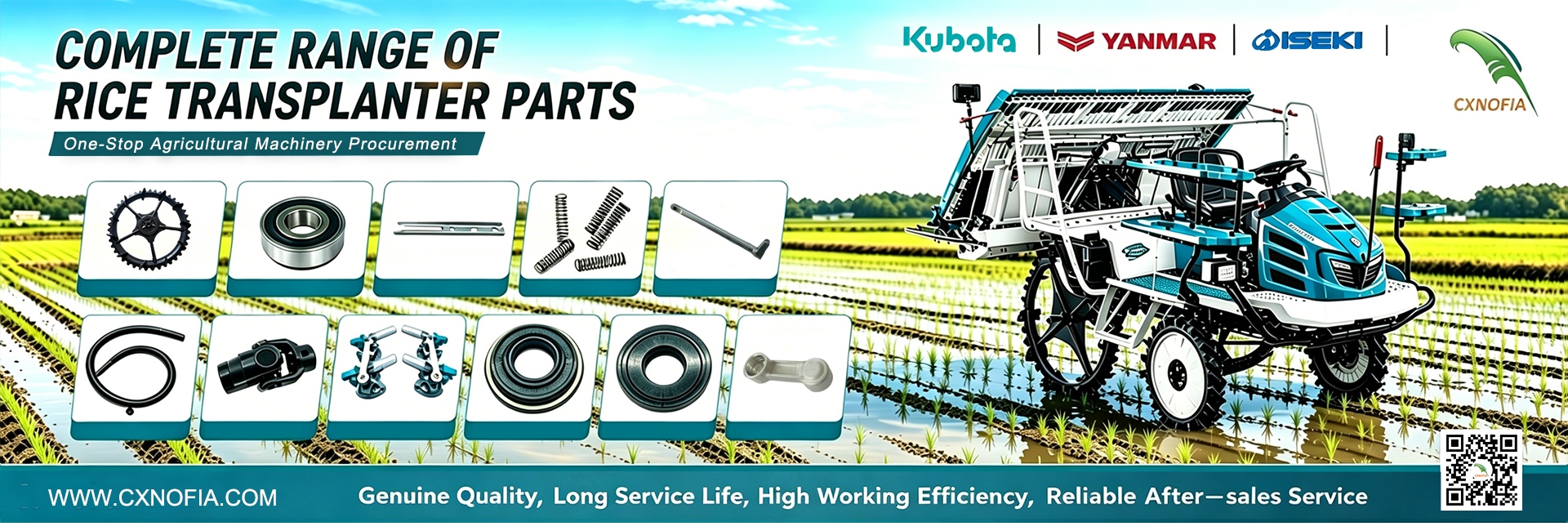
Explore the complete rice transplanter spare parts list for Kubota, Yanmar and ISEKI machines. Learn which replacement parts wear out most frequently, what dealers should keep in stock, and how CXNOFIA provides one-stop agricultural machinery spare parts solutions worldwide.
Complete Rice Transplanter Spare Parts List: Top Replacement Parts for Kubota, Yanmar & ISEKI Machines