The Purpose of an Excavator Suction Filter
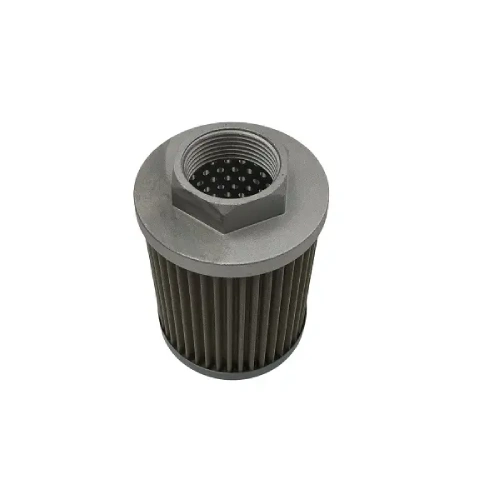
When searching for “the purpose of an excavator suction filter,” we often trying to solve a real world problem: unexpected pump failure, sluggish hydraulic response, or recurring contamination issues. While it may look like a simple metal screen tucked near the hydraulic tank, the suction filter plays a critical—and often misunderstood—role in protecting one of the most expensive components in any excavator: the hydraulic pump.
1. Core Engineering Function: What Exactly Does an Excavator Suction Filter Do?
At its most fundamental level, the purpose of an excavator suction filter is to act as a coarse barrier that prevents large solid contaminants from entering the hydraulic pump during fluid intake. Positioned between the reservoir and the pump inlet, this hydraulic oil suction filter typically features a mesh screen with openings ranging from 100 to 200 microns—significantly larger than the 3–25 micron ratings common in return or pressure filters.
Why such a coarse rating? Because the suction side of a hydraulic system operates under negative pressure (vacuum). If the filter were too fine, it would restrict flow, leading to cavitation—a condition where vapor bubbles form in the low-pressure zone and violently collapse inside the pump, causing pitting, noise, heat, and eventual failure. Thus, the suction filter is not designed for “cleaning” the oil in the traditional sense; it's a mechanical safeguard against catastrophic debris like metal shavings from gear wear, rubber fragments from degraded hoses, or casting sand left over from manufacturing.
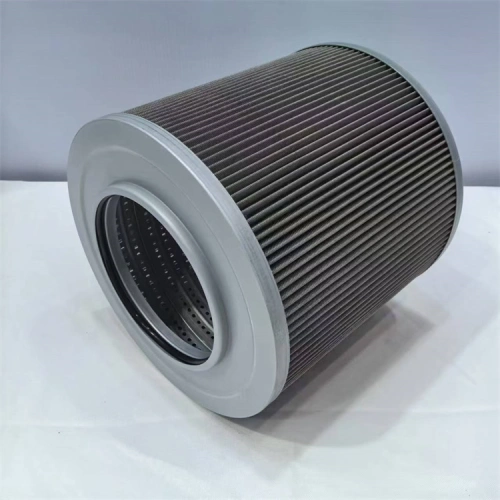
In modern excavators—especially compact models from manufacturers like Kubota—the suction filter is often integrated into a serviceable canister or mounted directly on the pump flange. Its design prioritizes accessibility and flow capacity over filtration efficiency, reflecting a deliberate engineering trade-off: protect the pump from large particles without compromising its ability to draw fluid smoothly.
2. Misconceptions and Operational Realities: What the Suction Filter Is Not Designed to Do
A common misunderstanding among field technicians is that the purpose of an excavator suction filter is to “keep the hydraulic oil clean.” In reality, that job belongs to the return-line filter and, in some systems, offline (kidney-loop) filtration units. The suction filter's role is narrowly defined: prevent pump ingestion of gross contamination.
This distinction has major implications:
It should never be replaced with a fine filter—doing so risks cavitation, even if the filter appears “cleaner.”
It cannot compensate for poor fluid maintenance—if your oil is already full of fine wear particles, the suction filter won't stop them, and your pump will still suffer.
It's not a diagnostic tool—while heavy debris on the screen may signal internal wear, the absence of debris doesn't guarantee system health.
Operators searching for hydraulic filters for sale must therefore understand filter placement and function, not just part numbers. Installing the wrong type—even if it fits physically—can do more harm than good. For example, using a high-efficiency spin-on filter in a suction location might seem like an upgrade, but it could starve the pump and cause irreversible damage within hours.
3. Maintenance Best Practices and Compatibility Considerations for Long-Term Reliability
Because the suction filter is exposed to the entire reservoir volume, it can accumulate sludge, water condensate, or varnish over time—especially in machines stored outdoors or operated in humid environments. While many suction filters are reusable (typically stainless steel mesh), they require proper cleaning and inspection:
Clean with hydraulic oil or approved solvents—never water or high-pressure air, which can force contaminants deeper into the mesh.
Inspect for tears, corrosion, or deformation. Even a small hole can allow damaging debris to pass through.
Replace O-rings or gaskets during reassembly to prevent air leaks, which also contribute to cavitation.
When replacement is necessary—due to damage or unavailability of the original part—it's crucial to match not just the physical dimensions but also the flow rating and thread type. For Kubota excavators, components like the RB238-62150 are engineered to OEM specifications. Companies such as CXNOFIA, which specialize in construction and agricultural machinery parts, produce compatible hydraulic oil suction filter units that meet dimensional and performance criteria without being branded as OEM. This is particularly valuable for independent repair shops or fleet operators seeking reliable alternatives when sourcing hydraulic filters for sale globally.
However, compatibility isn't just about fit—it's about function. A well-made aftermarket filter should maintain the same open-area ratio and pressure drop characteristics as the original to ensure pump safety.
4. Frequently Asked Questions About Excavator Suction Filters
Q: What is the main purpose of an excavator suction filter?
A: To prevent large solid contaminants from entering and damaging the hydraulic pump during fluid intake, while allowing unrestricted flow to avoid cavitation.
Q: Can I run my excavator without a suction filter if it's clogged?
A: No. Operating without a suction filter exposes the pump to immediate risk of damage from debris. If it's clogging frequently, investigate the root cause—such as internal wear or contaminated oil—rather than removing it.
Q: How often should I inspect or clean the hydraulic oil suction filter?
A: Typically every 250–500 operating hours, or during major hydraulic fluid changes. Increase frequency in dusty, wet, or high-debris environments.
Q: Are all hydraulic filters interchangeable?
A: Absolutely not. Suction, pressure, and return filters serve different roles and have different flow, pressure, and micron ratings. Using the wrong type can cause system failure.
Q: Where can I find a reliable hydraulic oil suction filter for my Kubota excavator?
A: OEM dealers offer original parts, but specialized manufacturers like CXNOFIA produce high-quality compatible units (e.g., RB238-62150) that adhere to technical specifications for suction-side protection.
Q: Does a clean suction filter mean my hydraulic system is healthy?
A: Not necessarily. Fine wear particles and chemical degradation won't be caught by a coarse suction screen. Regular oil analysis and return-filter monitoring are better indicators of overall system health.
The purpose of an excavator suction filter is both simple and vital: it's the pump's first—and last—line of defense against large debris, operating under strict flow constraints that demand careful design and maintenance. Understanding its role within the broader hydraulic filtration strategy helps operators avoid costly mistakes, make informed decisions when sourcing hydraulic filters for sale, and ultimately extend the life of their equipment. Whether you rely on OEM parts or precision-engineered alternatives, respecting the engineering intent behind this small component is key to hydraulic system reliability.
CXNOFIA's rb238-62150 hydraulic filters for sale! As a trusted hydraulic oil suction filter for Kubota manufacturer in China, we deliver precision engineered, durable hydraulic suction filters designed to fit a variety of leading excavator brands. Reach out today at sales@cxnofia.com
Are Tractor Oil Seals Hard To Replace?
The Benefits of Using an Excavator Suction Filter
Related Article