The Symptoms of A Bad Input Shaft Seal
2025-11-26
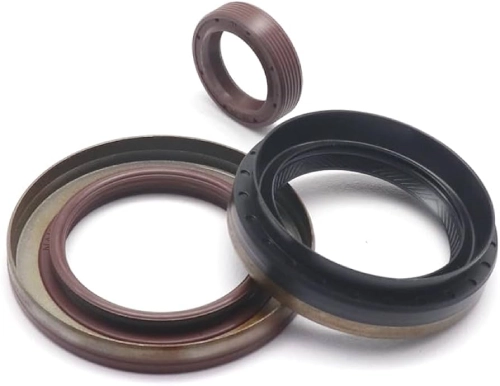
Input shaft oil seal serve as the frontline defense against oil leaks, clutch contamination, and costly drivetrain damage. For owners of John Deere tractors like the 6A-1104, 6110B, 6095B, and other compatible models, a failing seal isn't just an inconvenience—it's a warning sign that should never be ignored.
Chapter 1: What Happens When an Input Shaft Seal Fails?
Tractor reliability hinges on dozens of seemingly small components—none more critical than the input shaft seal. Also known as the input seal, input shaft oil seal, or transmission input oil seal, this unassuming rubber ring plays a massive role in maintaining your machine's integrity. But what exactly goes wrong when it begins to fail?
1.1 Oil Leaks Around the Transmission Bell Housing
One of the earliest and most obvious signs of a failing input shaft seal is oil dripping from the area where the engine meets the transmission. If you spot oil pooling beneath your tractor—especially near the clutch housing—it's a red flag.
1.2 Clutch Slippage or Sticky Engagement
When oil from a defective input shaft oil seal migrates onto the clutch disc, it contaminates the friction surfaces. The result? Your clutch slips under load or sticks when disengaged, making gear shifting difficult or unpredictable.
1.3 Burning Smell or Smoke from the Clutch Area
Oil dripping onto hot engine or exhaust components can produce smoke or a sharp, acrid odor. If you smell burning but your engine temperature is normal, suspect a compromised transmission input oil seal.
1.4 Reduced Transmission Efficiency
Even minor leaks can lower transmission fluid levels over time. This leads to poor lubrication, increased internal wear, and ultimately, a drop in power transfer from engine to wheels.
Chapter 2: Why Do Input Shaft Seals Deteriorate So Quickly?
Farmers often assume seals last forever—until they don't. Understanding why input seals wear out helps you prevent premature failure and schedule smarter maintenance.
2.1 Age and Material Degradation
Rubber seals harden and crack over time, especially when exposed to heat, moisture, and chemical contaminants. Even in storage, unused seals can degrade due to ozone exposure.
2.2 Misalignment or Shaft Runout
If the input shaft isn't perfectly aligned during installation—or if it develops wobble from bearing wear—the input shaft oil seal lip gets uneven pressure. This causes accelerated wear and leakage.
2.3 Poor-Quality Replacement Parts
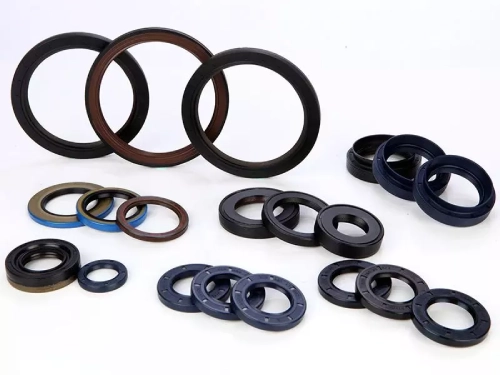
Not all seals are created equal. Inferior rubber compounds or incorrect dimensions can lead to immediate or rapid failure. That's why sourcing high-quality replacements—like those from CXNOFIA—matters. CXNOFIA's NF101501 input seal is engineered for compatibility and durability across multiple John Deere tractor models.
2.4 Infrequent Use or Long-Term Idling
Paradoxically, tractors that sit unused for months are at higher risk. Seals dry out, and shaft surfaces develop micro-rust, both of which compromise the seal interface when the machine finally runs again.
Chapter 3: How Can You Diagnose and Replace a Faulty Input Shaft Oil Seal?
Replacing an input shaft seal isn't trivial—it often requires partial transmission disassembly. But catching the issue early saves costly repairs down the line.
3.1 Visual and Tactile Inspection
Start by cleaning the bell housing thoroughly. Then inspect for fresh oil streaks around the input shaft opening. Wipe the area and run the engine for a few minutes—any new seepage indicates a bad seal.
3.2 Check Clutch Performance
If the clutch behaves erratically, remove the inspection cover (if equipped) and look for oil residue on the pressure plate or flywheel. Even trace amounts confirm transmission input oil seal failure.
3.3 Use OEM Compatible Replacement Parts
When replacing, never settle for generic seals. CXNOFIA's NF101501 input seal is specifically designed for John Deere tractors like the 6A-1104, 6110B, 6095B, and more. Their precision-engineered lip profile and high-grade nitrile rubber ensure reliable sealing under real-world farm conditions.
3.4 Professional Installation Recommended
Because improper installation can damage the seal or shaft, many farmers opt for certified mechanics. However, if you're doing it yourself, use a seal installer tool—never a hammer—and lubricate the seal lip with clean gear oil before seating.
Chapter 4: Where Can You Find a Reliable, Long-Lasting Input Seal for Your Tractor?
With hundreds of online sellers offering “compatible” parts, how do you pick the right input shaft oil seal that won't fail in six months?
4.1 Trust Brands with Agricultural Specialization
CXNOFIA (by Hangzhou Stable Machinery Co., Ltd.) isn't a general hardware supplier—they specialize in high-quality agricultural machinery parts, including engine components, chassis systems, rubber tracks, and critical seals like the NF101501. Their deep industry focus translates into better tolerances, material selection, and testing.
4.2 Verify Model Compatibility
The NF101501 input seal from CXNOFIA fits a wide range of John Deere models, including 6A/1354, 6B-1104, 6E-1004, 904, and others. Always cross-check your tractor's part number before ordering.
4.3 Consider Packaging and Support Options
CXNOFIA offers flexible packaging—branded, neutral, or customized—and supports sample orders for testing. With typical delivery in 15–20 days and MOQs tailored to product type, they cater to both repair shops and large farms.
4.4 Prioritize Long-Term Value Over Upfront Cost
A $5 seal might save money today but cause $500 in clutch damage tomorrow. Investing in a premium transmission input oil seal from a trusted manufacturer like CXNOFIA protects your entire drivetrain.
FAQ: Quick Answers to Common Input Seal Questions
Q: Is an input seal the same as a transmission input oil seal?
A: Yes. These terms are used interchangeably. It's the seal around the transmission input shaft where it enters the gearbox.
Q: Can I drive my tractor with a leaking input shaft seal?
A: Short distances may be okay, but prolonged use risks clutch contamination and transmission damage. Replace it as soon as possible.
Q: How long does an input shaft oil seal last?
A: Typically 3,000–5,000 hours under normal conditions—but this varies based on maintenance, environment, and part quality.
Q: Does CXNOFIA ship internationally?
A: Yes. CXNOFIA supplies to machinery repair shops, farms, and retailers worldwide, with reliable logistics and responsive support.
Q: What makes CXNOFIA's NF101501 seal different?
A: Precision engineering, John Deere-compatible design, high-resilience rubber compound, and rigorous quality control—backed by years of ag machinery expertise.
Don't let a small input shaft seal leak become a big problem. Recognize the symptoms early, choose the right replacement like the NF101501 from CXNOFIA, and keep your tractor running smoothly season after season.
The Difference Between A Bolt And A Flange Bolt
Are Tractor Oil Seals Hard To Replace?
Related Article
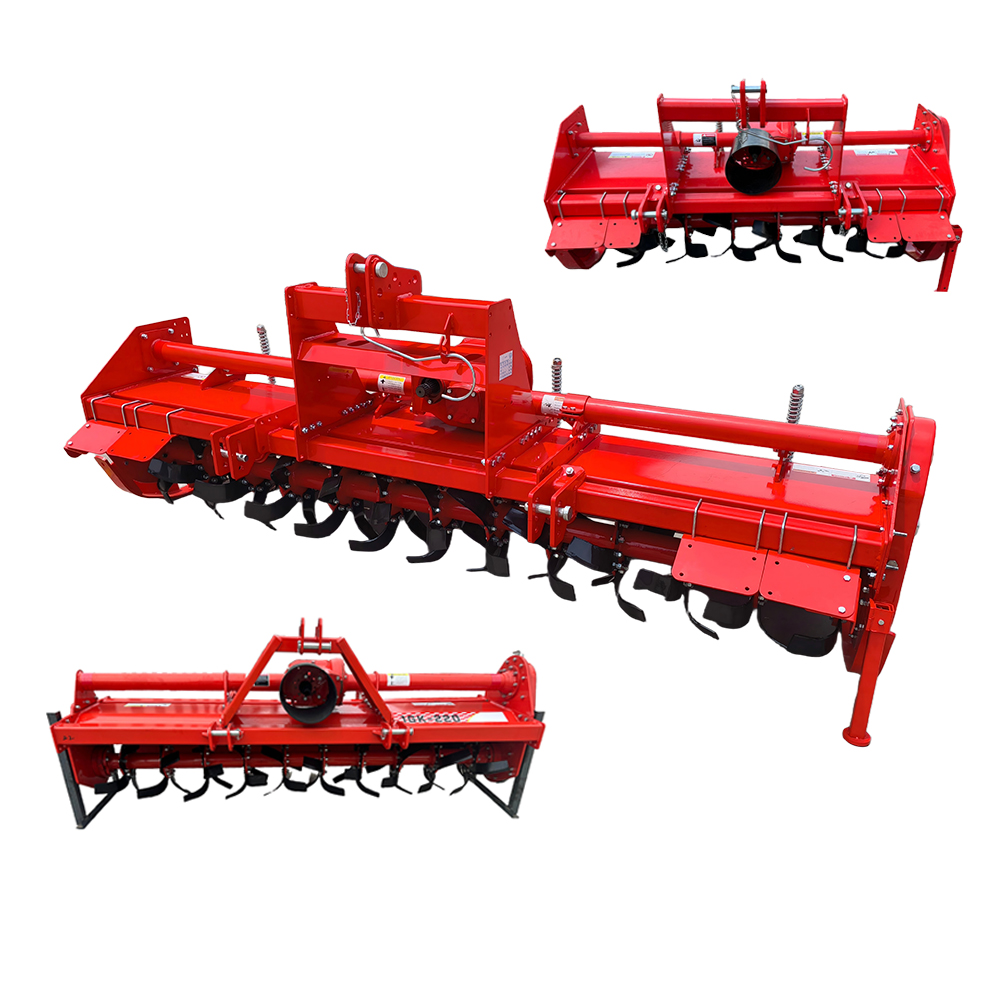
Explore MASCHIO-type rotary tillers from CXNOFIA, including 1MB, 1MC and 1GK series with 35–220 HP applications and 120–360 cm working widths.
MASCHIO-Type Rotary Tiller: 1MB, 1MC & 1GK Series Guide
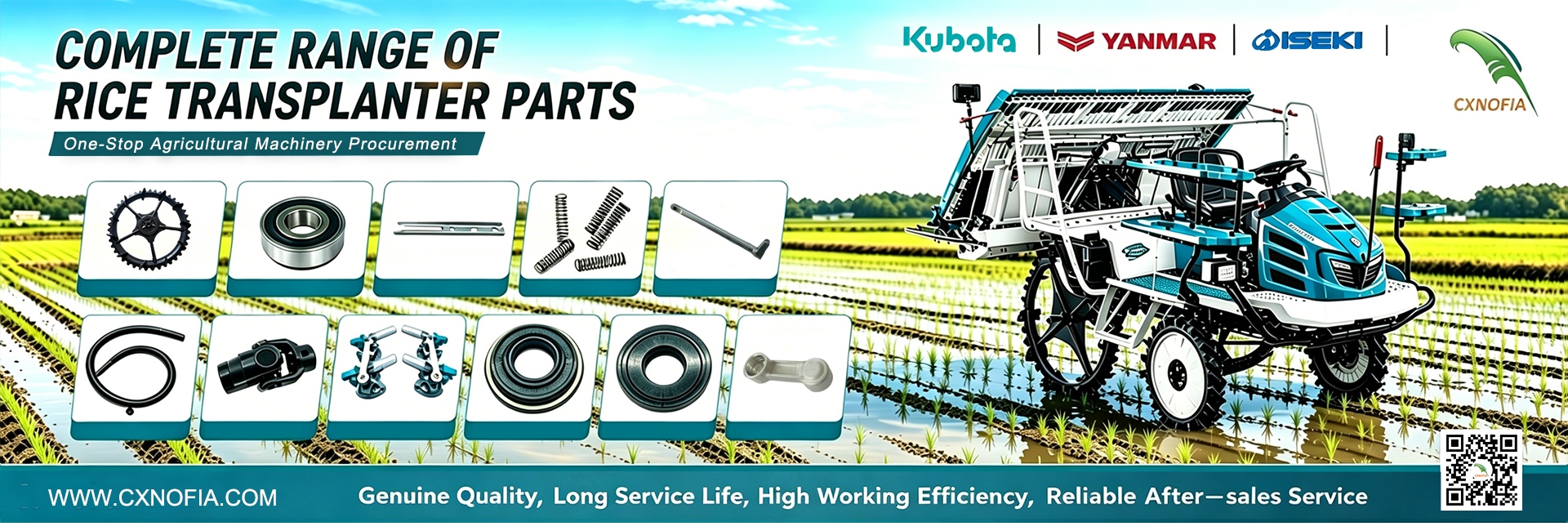
Explore the complete rice transplanter spare parts list for Kubota, Yanmar and ISEKI machines. Learn which replacement parts wear out most frequently, what dealers should keep in stock, and how CXNOFIA provides one-stop agricultural machinery spare parts solutions worldwide.
Complete Rice Transplanter Spare Parts List: Top Replacement Parts for Kubota, Yanmar & ISEKI Machines