Tractor Synchronizer Spring for Kubota
2025-12-19
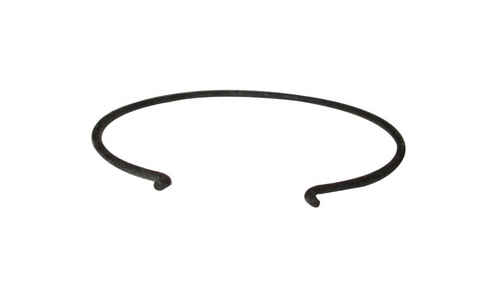
Every modern tractor transmission depends on precise mechanical interactions to deliver reliable power, smooth gear shifts, and long service life under heavy loads. One often overlooked but fundamentally important component is the synchronizer spring—a small but critical part of the synchronizer assembly that ensures gears engage smoothly.
In tractors such as Kubota models, synchronizer systems help match gear speeds before engagement, preventing grinding, reducing wear, and improving operator comfort. The transmission synchronizer spring plays a pivotal role within this system by applying consistent force so synchronizer rings can accurately align gear ratios during shifting.
Chapter 1: What Is a Synchronizer Spring and How Does It Work in a Tractor Gearbox?
A synchronizer spring is a small, precision formed coil or leaf spring located inside the transmission synchronizer assembly. Its role is to exert controlled pressure on the synchronizer ring, also known as the blocking ring. The synchronizer ring sits between the gear hub and the gear itself.
When a gear shift is initiated, the transmission synchronizer system must match the rotational speeds of the current gear and the next gear. The synchronizer ring engages with the cone surfaces on the gear and hub. The spring ensures the ring maintains contact force against the cones so that friction can accelerate or decelerate the gear sleeve to match speeds.
If the synchronizer spring tractor parts for kubota loses tension or fails entirely, the synchronizer ring cannot maintain sufficient pressure. This leads to:
Incomplete synchronization
Gear grinding
Difficult shifting
Premature wear on cone surfaces
In heavy duty tractor applications—such as fieldwork, loader work, or transport across uneven terrain—the importance of a fully functional synchronizer spring increases significantly because loads and torque fluctuations are higher than in passenger vehicles.
Transmission Synchronizer Spring — The Heart of Smooth Shifts
In a tractor's gearbox, the synchronizer assembly is designed to replicate the effect of double clutching found in older transmissions. By applying friction at the right moment, the synchronizer enables single clutch gear changes without metal-to-metal engagement. The transmission synchronizer spring tractor parts for kubota is critical to this function because it:
Maintains consistent pressure on the synchronizer ring
Absorbs small movement differentials between gear sets
Ensures repeatable engagement patterns across the farm’s operating range
Without this spring, synchronizer rings either slip too early or too late, disrupting the delicate balance required for smooth shifts.
The Anatomy of a Synchronizer Spring
Synchronizer springs are typically small but precisely engineered. Variations include:
Coil springs
Leaf or strip springs
Spring washers

Chapter 2: Common Symptoms of a Failing Synchronizer Spring
Operators increasingly ask why their tractor transmission “grinds” or feels rough during gear changes. While misadjusted linkages can contribute, a core mechanical cause often lies within the synchronizer assembly—particularly the spring.
Key signs of synchronizer spring tractor parts for kubota degradation include:
Gear grinding when shifting under load
Difficulty shifting into certain gears
“Stuck” or hesitant gear engagement
Unusual transmission noise during changes
Increased clutch pedal effort due to compensatory driver behavior
These symptoms arise because the synchronizer ring can no longer hold the correct pressure to match gear speeds. The harmonized movement between shafts is compromised, and synchronization efficiency drops.
How to Test Synchronizer Spring Performance
Diagnosing the synchronizer spring requires both visual inspection and mechanical testing:
Remove the synchronizer assembly from the transmission following manufacturer procedures.
Inspect the spring for visible deformation, cracking, or loss of shape.
Compare tension against known good specifications. Springs that appear “soft” or elongated indicate loss of resilience.
Inspect the synchronizer ring and cone surface for uneven wear patterns consistent with poor spring force application.
This kind of inspection is especially important for tractors that see high-cycle operation, such as repetitive field gear changes during planting or harvest.
Several mechanical factors contribute to synchronizer spring failure:
Thermal cycling: Repeated heat exposure within the transmission oil environment can degrade spring temper over thousands of cycles.
Load spikes: Sudden torque surges on the driveline can compress or deform springs beyond elastic limits.
Wear debris: Contaminants and metal particles inside older transmissions can abrade springs and rings over time.
When diagnosing performance issues, consider not only the spring itself but also the bearings, gear teeth, and synchronizer hub condition. All these parts experience correlated stress during gear shifts.
Specific Concerns in Tractor Transmissions
Tractor transmissions often operate under higher torque and at varying engine speeds compared to automotive transmissions. As a result:
Synchronizer springs experience more aggressive load cycles.
Extended field work can accelerate fatigue.
High torque during heavy draft operations (e.g., plowing) increases stress on transmission components.
Understanding how these interactions influence spring performance helps technicians avoid misdiagnosis and focus on the root mechanical cause.
Chapter 3: When to Replace the Transmission Synchronizer Spring
Determining replacement timing requires a combination of symptom observation and mechanical inspection. Common triggers for replacement include:
Persistent grinding under normal shifting conditions
Visibly fatigued or deformed spring
Excessive wear on synchronizer cone surfaces
Difficulty engaging multiple gears consistently
If a tractor exhibits multiple symptoms across gears, it’s often better to overhaul the entire synchronizer assembly rather than replace individual springs alone.
Step-by-Step Guidelines for Replacement
Transmission Disassembly:
Safely elevate the tractor and drain transmission fluid.
Remove access covers and disassemble the gearbox according to the service manual.
Access the Synchronizer Assembly:
Extract the synchronizer hub from the main gearbox assembly.
Carefully document component orientation.
Inspect Components:
Evaluate the synchronizer ring, sliding sleeves, bearings, and springs.
Replace springs with accurate replacements; inspect mating components for wear.
Install New Springs:
Install the new transmission synchronizer spring ensuring correct seating.
Confirm spring tension matches technical specifications.
Reassemble Transmission:
Reinstall synchronizer assembly, gears, and cases.
Refill with fresh transmission oil and conduct functionality testing.
These steps should only be performed by trained technicians or experienced operators comfortable with heavy mechanical work.
Choosing the Correct Replacement Parts
Selecting the right part is crucial for lasting performance. Look for products that meet or exceed OEM specifications in terms of material composition, tension tolerance, and dimensional accuracy. For example, part number 33960-34840 corresponds to a synchronizer spring compatible with specific Kubota transmission models—ensuring correct fit and function when servicing those systems.
Fitting an incorrect or inferior spring may lead to repeated failure, accelerated gear wear, or compromised shift quality.
Quality Considerations and Craftsmanship
High precision replacement parts like those available through sources such as CXNOFIA are engineered with attention to metallurgical quality and dimensional accuracy. Important attributes include:
High tensile spring steel or alloy composition
Consistent tension and compression performance
Surface finishing that resists corrosion and fatigue
Compatibility with specific tractor transmissions, especially when replacing tractor parts for Kubota models
When servicing genuine agricultural machinery, using parts that replicate OEM tolerances and quality is critical to long service life.
Chapter 4: Best Practices for Maintaining Synchronizer Function
Consistent maintenance extends the life of synchronizer components:
Regular fluid changes: Clean transmission oil reduces wear on springs, cones, and bearings.
Monitoring operation: Address early signs of shift resistance before it escalates.
Avoiding high load shifts: Gradual shifts under load reduce stress on springs and synchronizer rings.
Routine maintenance prevents small issues from snowballing into major transmission failures.
Upgrades and Performance Enhancements for Heavy Duty Use
In heavy agricultural applications or commercial operations, operators sometimes opt for enhanced components with improved fatigue resistance. These can include:
Enhanced spring alloys
High precision synchronizer kits
Performance lubrication that maintains viscosity under higher temperature ranges
Such enhancements are not standard on all tractors but can benefit those subjected to frequent gear cycling or high torque loads.
The Relationship Between Synchronizer Springs and Other Transmission Parts
Long Term Cost Considerations
Investing in quality replacement springs and assemblies pays off over time through:
Reduced downtime
Lower frequency of repairs
Better resale value for machinery with well-maintained transmissions
Improved operator comfort and efficiency in field tasks
Using parts engineered for durability—such as those matching OEM specifications—reduces long term ownership costs.
FAQ — Tractor Synchronizer Spring Questions Answered
Q1. What is a synchronizer spring, and why is it important?
A synchronizer spring applies controlled pressure to a synchronizer ring inside the transmission, enabling gears to engage smoothly without grinding. Its failure compromises shift quality and accelerates wear.
Q2. What does a transmission synchronizer spring do differently in tractors compared to cars?
Tractor transmissions often encounter higher torque, variable speeds, and frequent gear changes under load. As a result, synchronizer springs in tractors are engineered to withstand heavier duty cycles.
Q3. What are the symptoms of a bad synchronizer spring?
Common symptoms include gear grinding, difficulty choosing gears, inconsistent engagement, and noise when shifting.
Q4. Can I replace a synchronizer spring myself?
Yes, but it requires mechanical expertise, proper tools, and adherence to the service manual. It’s often safest to entrust the replacement to a qualified technician.
Q5. What does 33960-34840 refer to?
Part number 33960-34840 corresponds to a specific synchronizer spring used in select tractor transmissions, particularly on certain Kubota models.
Q6. How do I choose quality replacement springs?
Select parts that replicate OEM tension and material quality, designed for your specific transmission model. Components that meet or exceed original tolerances ensure reliable performance over time.
Top 10 Tractor Assy Bracket Suppliers
Why Do Diesel Engines Have Cylinder Liners?
Related Article
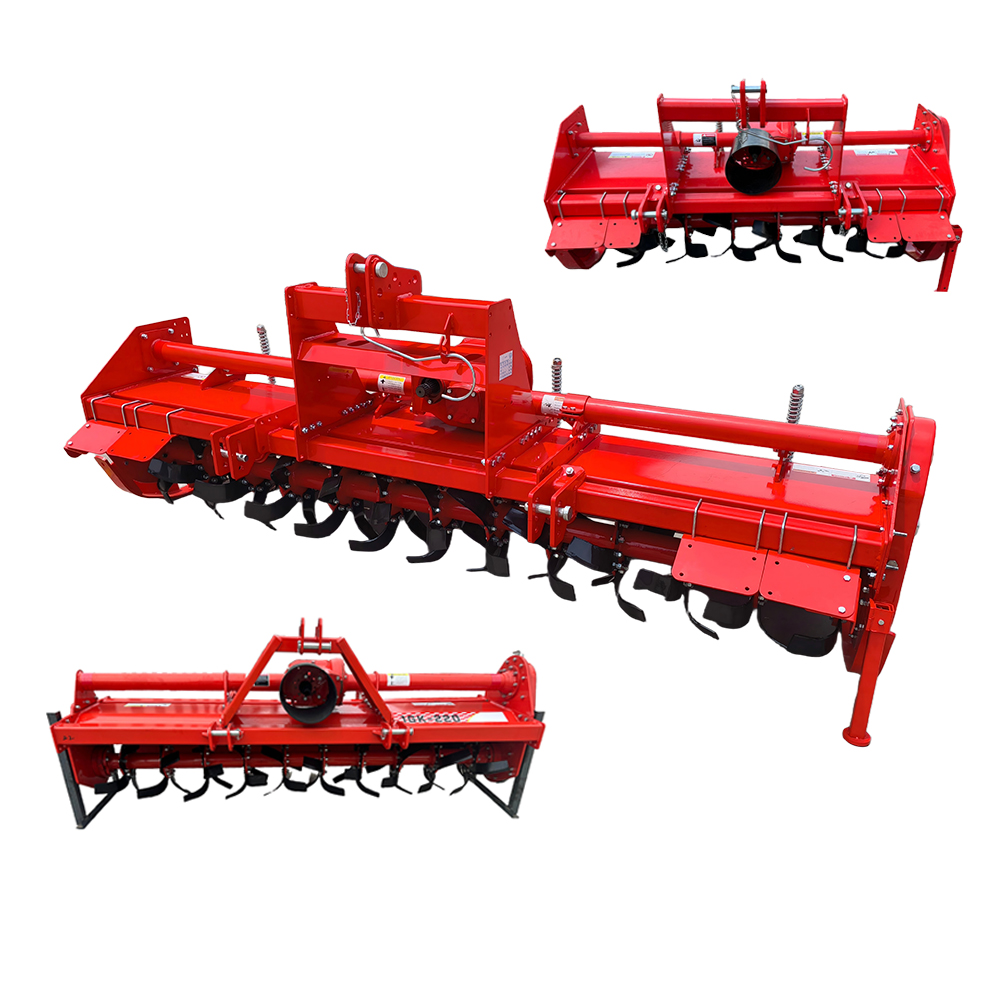
Explore MASCHIO-type rotary tillers from CXNOFIA, including 1MB, 1MC and 1GK series with 35–220 HP applications and 120–360 cm working widths.
MASCHIO-Type Rotary Tiller: 1MB, 1MC & 1GK Series Guide
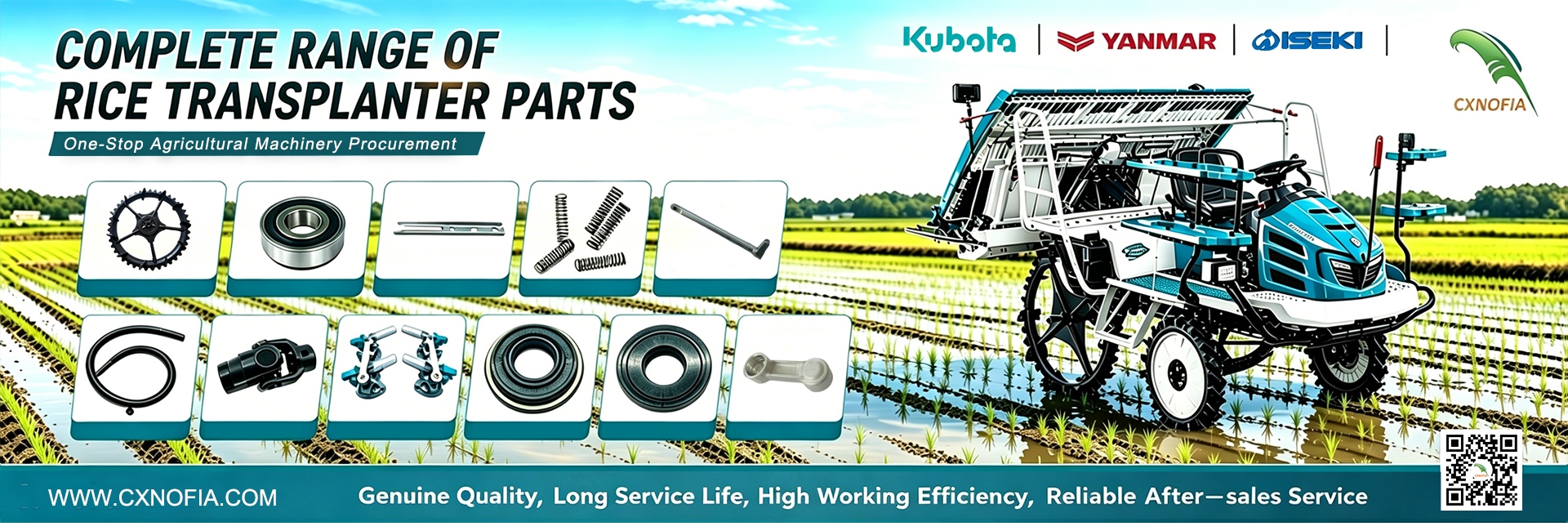
Explore the complete rice transplanter spare parts list for Kubota, Yanmar and ISEKI machines. Learn which replacement parts wear out most frequently, what dealers should keep in stock, and how CXNOFIA provides one-stop agricultural machinery spare parts solutions worldwide.
Complete Rice Transplanter Spare Parts List: Top Replacement Parts for Kubota, Yanmar & ISEKI Machines