What Are Compression Springs Used For?
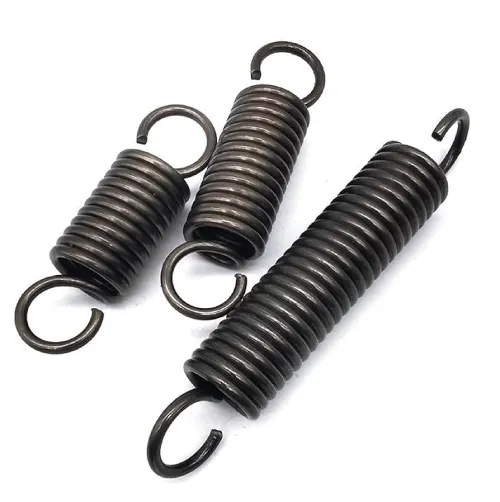
Springs are among the most widely used mechanical components in engineering, manufacturing, and everyday life. Among the many types of springs, the compression spring is one of the most versatile and essential. When people ask, ‘What are compression springs used for?’ the answer spans a vast number of applications where controlled force and energy storage are required.
Understanding Compression Springs: The Basics
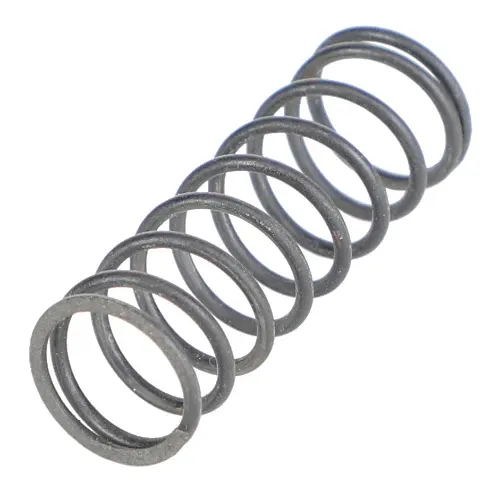
A compression spring, often referred to as a compression coil spring, is a type of open-coil helical spring designed to resist compressive forces. When axial loads are applied, the coils compress and absorb energy. Once the force is removed, the spring returns to its original shape, releasing the stored energy.
Structure: They are typically cylindrical in shape, but variations like conical, barrel-shaped, or hourglass designs exist to meet different engineering needs.
Material: Common materials include stainless steel, carbon steel, and specialty alloys, chosen depending on whether the spring must endure corrosion, high stress, or extreme temperatures.
Function: Their main function is to push back against applied force, maintaining spacing, absorbing shock, or ensuring consistent pressure in mechanical systems.
Whether you're looking for compressed springs for heavy machinery or miniaturized versions for electronic devices, the core principle remains the same: energy storage and release through controlled compression.
Common Applications of Compression Springs
Compression springs are used in virtually every industry. Let's break down some of the most important applications:
1. Agricultural Machinery
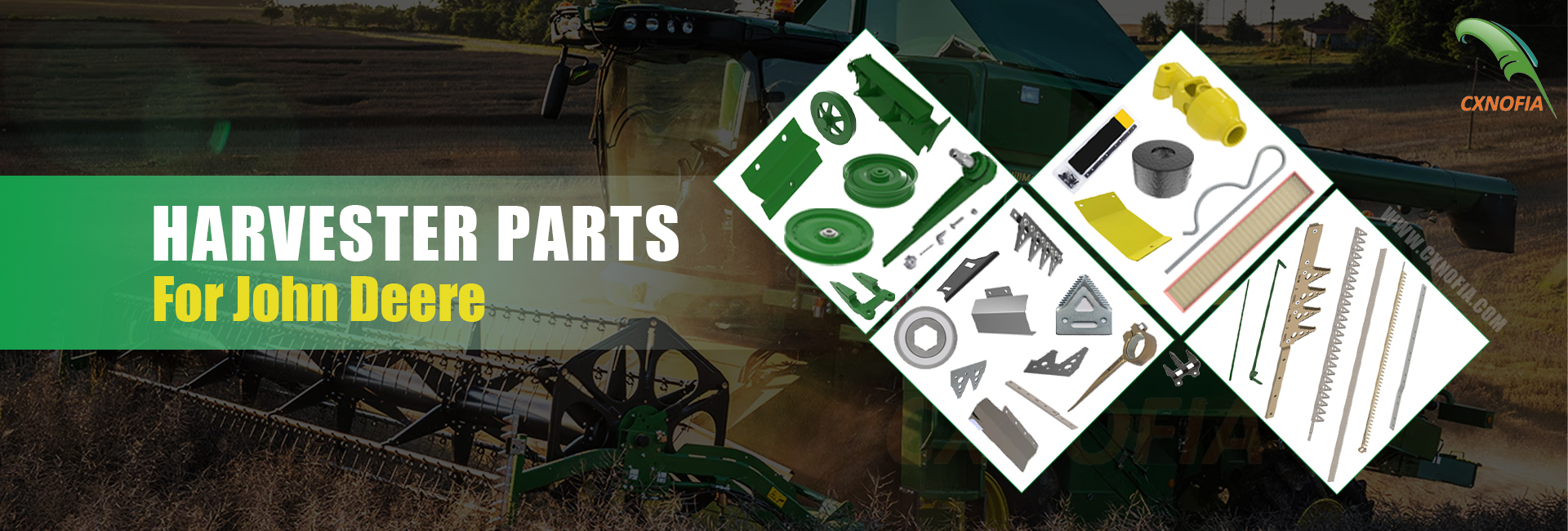
In tractors, harvesters, and other farm equipment, compressed springs are essential for absorbing shocks and maintaining stable operation on uneven terrain. For example, in John Deere tractor parts, compression springs ensure proper tension and durability in moving systems. Reliable springs from a trusted compression springs manufacturer directly improve farming efficiency and equipment longevity.
2. Automotive Industry
Cars, trucks, and motorcycles rely heavily on compression coil springs in suspension systems, clutches, and brakes. They absorb road shocks, stabilize rides, and guarantee driver safety. From engine valves to seat mechanisms, compression springs play both functional and comfort-enhancing roles.
3. Industrial Equipment
In manufacturing, machines use compression springs for sale in clamping devices, presses, and vibration isolation systems. These springs help maintain consistent performance even in heavy duty industrial environments.
4. Medical and Healthcare Devices
Small yet precise compression coil springs are widely used in medical instruments such as inhalers, syringes, and diagnostic devices. They provide consistent force in compact spaces, ensuring both accuracy and safety.
5. Consumer Products
Everyday items such as pens, mattresses, door locks, and electronic buttons all rely on compressed springs. Their ability to provide smooth operation at low cost makes them indispensable in mass consumer markets.
Benefits of Using Compression Springs
The popularity of compression springs is due to their unmatched advantages:
Versatility: From lightweight electronics to heavy-duty machinery, they adapt easily.
Durability: High quality compression coil springs can withstand millions of cycles without losing effectiveness.
Energy Absorption: Ideal for shock absorption in vehicles and machinery.
Compact Design: They can fit into small spaces while delivering reliable performance.
Cost Effective: For manufacturers and end-users alike, compression springs provide long service life at relatively low cost.
Choosing the Right Compression Spring
When sourcing compression springs for sale, several factors must be considered:
1. Load Requirements
Determine how much force the spring needs to withstand. For heavy-duty uses, larger and stronger materials like alloy steels are preferable.
2. Spring Rate (Stiffness)
This defines how much force is required to compress the spring by a certain distance. A compression coil spring for industrial machinery will have a much higher spring rate than one used in a ballpoint pen.
3. Environmental Conditions
Exposure to moisture, chemicals, or extreme temperatures will influence your choice of material. Stainless steel springs are corrosion-resistant, while specialty alloys handle high-heat conditions.
4. Size and Dimensions
Always check wire diameter, coil diameter, and free length. Proper sizing ensures performance and prevents premature wear.
5. Manufacturer Reliability
Working with a professional compression springs manufacturer ensures consistent quality and compliance with industry standards. Companies like CXNOFIA provide springs engineered for tractors and other high-demand applications, ensuring both performance and safety.
Compression Springs in Agricultural and Industrial Sectors
Agriculture and industrial machinery require some of the toughest compressed springs available. For instance:
Tractors and Harvesters: Springs ensure optimal tension in gear mechanisms, reduce vibration, and improve operator comfort.
Construction Equipment: Heavy loads and shocks demand durable compression coil springs that can withstand extreme conditions.
Assembly Lines: Springs in clamping and pressing equipment enable consistent manufacturing processes, ensuring uniform product quality.
These examples demonstrate why industries depend on specialized compression springs manufacturers who can deliver springs engineered for reliability under intense use.
Compression Springs for Sale: Finding the Right Supplier
When searching for compression springs for sale, buyers should consider not just price but also quality and after-sales support. A reliable supplier ensures:
Springs made from certified, high-grade materials.
Customization options to fit unique design requirements.
Strict testing for load capacity, fatigue resistance, and dimensional accuracy.
Technical expertise in diverse applications, from tractors to electronics.
This is where companies like CXNOFIA add value. They design and manufacture springs tailored for agricultural equipment, such as John Deere tractor parts, meeting the demands of farmers and equipment manufacturers worldwide.
The Future of Compression Springs
Advances in materials science and manufacturing technology are pushing compression coil spring performance further. Expect innovations such as:
Lightweight composite springs that reduce machine weight while maintaining strength.
Nano engineered alloys offering superior fatigue resistance.
Smart springs integrated with sensors for predictive maintenance in machinery.
These trends show that while compression springs are centuries old in concept, they remain a vital and evolving part of modern engineering.
So, what are compression springs used for? From tractors and vehicles to medical devices and household products, the applications are nearly endless. Their ability to absorb energy, provide force, and ensure stability makes them indispensable in modern engineering.
Whether you are sourcing compressed springs for heavy agricultural machinery, looking for compression coil springs in industrial applications, or browsing compression springs for sale for consumer products, choosing a reliable compression springs manufacturer is key to success. Companies like CXNOFIA continue to innovate in this space, ensuring that industries worldwide have access to durable, efficient, and high performance springs.
Compression springs may seem small, but their role in powering industries and everyday life is immense—and their importance will only continue to grow.
Compression springs for sale! Explore high quality compressed springs from CXNOFIA, a trusted tractor compression springs manufacturer in China. Our precision engineered compression coil spring is designed for durability and compatible with a wide range of leading tractor brands. Contact us now: sales@cxnofia.com
Modern Peanut Harvesting Solutions: Boosting Efficiency and Productivity
Why Compression Springs Matter in Tractor Engineering?
Related Article