What Are Excavator Bucket Spacers?
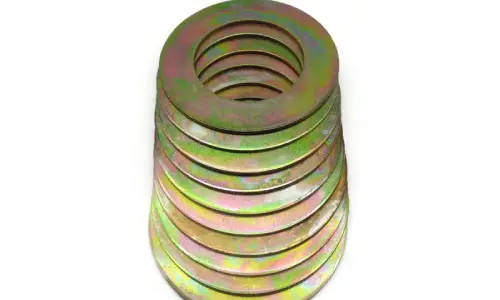
When it comes to the smooth and efficient functioning of excavators on construction sites, every component plays a critical role — even the seemingly small and often overlooked ones like excavator bucket spacers. These components are essential for ensuring optimal bucket performance, precise alignment, and structural longevity.
What Are Excavator Bucket Spacers?
Precision Components for Optimal Fit
Excavator bucket spacers are metal or alloy shims or bushings installed between the excavator arm or linkage and the bucket. Their primary purpose is to maintain correct spacing and alignment between mating parts, reducing wear and preventing loose movement during bucket operation.
In high impact applications like trenching, digging, or material loading, even a small amount of play between the bucket and linkage can cause damage over time. Bucket spacers fill these gaps and preserve the structural integrity of the assembly.
Why Excavator Bucket Spacers Matter in Heavy Machinery
Prolong Equipment Lifespan
The operational stress on an excavator bucket can lead to excessive wear on bushings and pinholes. Properly fitted bucket spacers reduce lateral movement and evenly distribute stress, significantly enhancing the longevity of both the bucket and the linkage arms.
Improve Operational Precision
Loose bucket movement can result in inefficient digging patterns, reduced breakout force, and a lack of control — especially during precision excavation. By ensuring tight tolerances, spacers allow for more consistent bucket positioning and smoother operation.
Material and Design Considerations
Spacer Materials: Durability Under Pressure
Common materials used for manufacturing excavator bucket spacers include:
Hardened steel: Known for durability and wear resistance
Alloy steel: Offers a balance between strength and machinability
Bronze or composite spacers: Used in some specialized low-friction applications
Design factors such as diameter, thickness, and inner bore size are typically customized depending on the model of the excavator and bucket used.
Compatibility with OEM Specifications
Using OEM wheel spacers and bucket spacers that meet manufacturer specifications ensures seamless integration with original components. OEM parts typically conform to strict tolerances, providing consistent fit and performance compared to generic replacements.
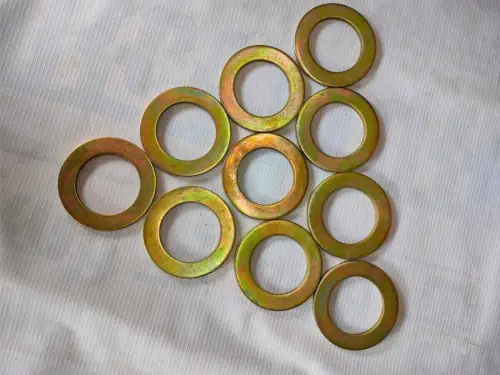
Connection Between Excavator Bucket Spacers and Wheel Spacers
Do Excavators Use Wheel Spacers?
While wheel spacers are more commonly associated with road vehicles and agricultural machinery, certain types of excavators—especially those with rubber tires or track systems—also benefit from wheel spacers. These spacers help adjust the track or wheel width for improved stability, especially when operating in uneven terrain or lifting heavy loads.
In machinery customization, the need for custom wheel spacers often arises to adapt the undercarriage to specific job site conditions. These spacers allow equipment owners to widen the wheel stance, reduce tipping risk, or improve track-to-body clearance.
Structural Alignment Systems
Both excavator bucket spacers and wheel spacers contribute to a larger goal: proper alignment and spacing of critical mechanical parts. Whether it's optimizing how a bucket pivots or ensuring even wheel spacing on rubber-tired excavators, these components minimize irregular wear and support consistent performance.
Custom vs OEM Wheel Spacers in Construction Equipment
Custom Wheel Spacers: When Off-the-Shelf Won't Do
In many job specific excavator applications—such as narrow trenching, demolition in confined spaces, or custom-fabricated attachments—the standard OEM specifications might not provide an ideal fit. Custom wheel spacers and custom bucket spacers can be machined to precise dimensions, matching unique mounting systems or accommodating non-standard buckets or arm extensions.
Custom components are often used when:
Retrofitting older machinery
Mounting aftermarket attachments
Modifying load bearing requirements
OEM Wheel Spacers: Built for Assurance
For most applications, OEM wheel spacers are preferred due to their certified fit, tested performance, and material quality. These spacers are engineered with the original machine tolerances in mind and typically come with manufacturer warranty or support.
Using mismatched or low-quality wheel or bucket spacers can result in premature wear, misalignment, and in worst-case scenarios — mechanical failure during operation.
Installation and Maintenance Best Practices
Proper Spacer Installation
Whether you're dealing with a bucket or a wheel spacer, precision in installation is key:
Clean and inspect the mounting surfaces to remove debris or corrosion.
Measure clearances accurately to determine the required spacer thickness.
Torque bolts evenly to prevent warping or imbalanced pressure.
Lubricate appropriately to minimize friction and wear.
Incorrect installation of excavator bucket spacers may cause binding or increased pin wear, while improper wheel spacer mounting could compromise track alignment.
Inspection and Replacement Intervals
Due to their exposure to abrasive material, vibration, and load stress, spacers must be inspected regularly. Look for:
Uneven wear or thinning
Cracks or deformation
Signs of corrosion
Replacement should be carried out as soon as any issues are identified, especially if the machine is in heavy duty service environments such as mining, logging, or demolition.
Industries and Applications Where Excavator Bucket Spacers Are Critical
Construction and Civil Works
From site clearing to trenching, bucket spacers ensure that attachments operate precisely without unintended movement.
Mining and Quarrying
The abrasive nature of materials like gravel and ore makes proper spacer fitting essential to prevent accelerated wear.
Agricultural Excavators with Wheel Spacers
Farms often modify their rubber tired excavators with custom wheel spacers to handle varying terrain and heavy attachments like augers or tree spades.
Choosing the Right Spacer Manufacturer
When selecting excavator bucket spacers or wheel spacers, it's essential to work with suppliers who:
Offer OEM and custom solutions
Provide material certifications
Ensure tight machining tolerances
Understand equipment specific compatibility
Especially in markets like China, many professional spacer manufacturers and excavator parts suppliers now offer international shipping, CAD based customization, and durable coatings like black oxide or zinc plating for extended life.
Though often overlooked, excavator bucket spacers, wheel spacers, and related components are integral to the stability, safety, and precision of heavy machinery. Whether you're adjusting your excavator's stance with custom wheel spacers or ensuring optimal pin alignment with OEM bucket spacers, choosing the right spacer solution can greatly improve performance and protect your investment.
Understanding the role of spacers helps operators, mechanics, and fleet managers maintain equipment more effectively and adapt to diverse job requirements. As machines become more advanced and job sites more specialized, precision-fitted components like spacers will only grow in importance.
Discover our wide range of 68741-66920 oem wheel spacers designed specifically for excavators. Produced by CXNOFIA—one of an experienced and reliable Chinese custom wheel spacers suppliers — this wheel spacers for excavator offers excellent performance and long term reliability. Enjoy cost effective pricing, quick global shipping, easy return options, and access to exclusive time limited promotions. Experience the quality and dependability of CXNOFIA today.
The Importance of Harvester Drive Wheels in Agricultural Machinery
How To Measure Mini Excavator Tracks?
Related Article