What Does the Thrust Washer Do?
2024-08-26
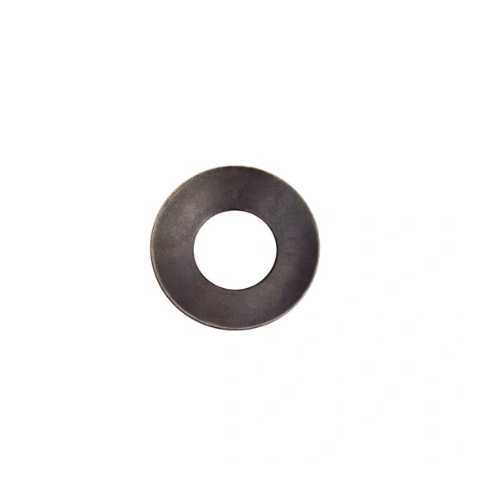
A thrust washer, also known as a thrust bearing or thrust plate, is a flat, disk shaped bearing designed to facilitate rotational movement in high load applications. It acts as spacers and is used to handle axial loads, which are forces that are parallel to the shaft they are installed on. Thrust washers help to reduce friction and wear between two surfaces, ensuring smooth operation and prolonging the lifespan of the components.
It serves multiple purposes, including:
Ensuring smooth movement between the shoulder of a shaft and its mating face.
Supporting the weight of a gear or other components attached to the shaft.
Protecting the shaft and gear faces from wear.
Acting as a sacrificial component to prevent gear wear, as it is preferable for the washer to wear out rather than the gears.
Serving as an alternative to ball bearings when axial space is limited.
In many cases, the mating component remains fixed while the thrust washer allows the shaft to rotate, supporting the weight of the gear or other components above. This washer helps protect the mating surfaces, thereby extending the lifespan of the shaft and its associated components.
Typically, a thrust washer is a flat, round disk with a central hole, but it may include additional features like tabs or waves. A stepped design can help compensate for axial tolerances. The specific application determines the material of the thrust washer, as different materials offer various advantages such as friction control, load-bearing capability, corrosion resistance, and durability. As more products incorporate automated solutions, the demand for thrust washers is increasing to ensure durability and consistent, smooth movement.
What is the Difference Between A Thrust Washer And Thrust Bearing?
In simple terms, there's no difference between the two; the terms are often used interchangeably. However, if you're looking for a more technical distinction, a thrust washer is typically a thin, flat disk with a hole in the center, whereas a thrust bearing is generally thicker and contains rolling elements.
Which Applications Use A Thrust Washer?
Thrust washers are essential in many products that require smooth rotational movement in high-wear environments. Here are some key applications where thrust washers play a crucial role:
Swivel Seats: In automotive seats, office chairs, furniture, and other swivel chairs, thrust washers are used to reduce friction, ensuring smooth movement regardless of the angle of rotation. They act as a protective barrier between the shaft and the mating face, providing a wear surface that extends the product's lifespan.
Wing Mirrors: Wing mirrors, which rotate to prevent damage—whether automatically, manually, or upon impact—rely on thrust washers. The washer provides a smooth, lubricated surface that facilitates movement, helping to prevent wear on the bearing. This is especially important in applications requiring high torque, where durability is key.
Robot Arms: Robotic arms, which perform complex movements in high-usage environments, benefit from thrust washers in their planetary gearboxes. The washers provide a durable, lubricated surface that supports the gear face, ensuring stable torque and reliable performance, especially in delicate operations.
Hinges: Multi bar hinges, such as those in trunk hinges, hood hinges, and convertible roof systems, require consistent, smooth rotational movement over a long lifespan. When selecting bearings or washers for these applications, factors like corrosion resistance, lubrication, and load capacity are crucial. Choosing the right thrust washer and material composition enhances performance and improves the user's perception of quality. For instance, in convertible roof systems, using the wrong bearing can lead to insufficient stiffness in the Z direction and corrosion due to the bearing's inability to withstand high loads and exposure to the elements. To address this, an L-Bearing washer is often specified.
Bringing the Thrust Washer to Life
Cobots, or collaborative robots designed for direct interaction with humans, are rapidly becoming a key area in robotics. These robots often require a mechanical brake to halt motion when necessary, typically placed between the servo motor and speed reducer. Selecting the appropriate component for this function can be challenging, as a Chinese cobot manufacturer discovered. They initially used a friction washer, but it failed to meet the required life cycle demands. An electromagnetic slip clutch was considered as an alternative, but it introduced additional cost and complexity.
Benefits of thrust washer
Thrust washers offer several benefits in various applications, particularly in machinery and mechanical systems where axial loads need to be managed. Here are some key benefits:
Reduces Friction: Thrust washers provide a low-friction interface between moving parts, helping to reduce wear and tear, and ensuring smooth operation.
Supports Axial Loads: They are designed to handle axial loads (forces parallel to the shaft), preventing unwanted movement and maintaining proper alignment of components.
Extends Component Life: By acting as a sacrificial wear surface, thrust washers protect more expensive components like gears and shafts, extending their operational life.
Cost Effective Solution: Thrust washers are relatively inexpensive compared to other types of bearings, making them a cost effective choice for applications requiring axial load support.
Versatile Material Options: Available in various materials, including metals, polymers, and composites, thrust washers can be tailored to specific application requirements, such as load capacity, corrosion resistance, and temperature tolerance.
Simple Design: Their simple, flat design makes them easy to install and maintain, reducing downtime and simplifying assembly processes.
Space Saving: In applications where space is limited, thrust washers offer a compact alternative to more complex bearing systems, such as ball or roller bearings.
Improves Performance: By providing stable support and reducing friction, thrust washers contribute to the overall performance and efficiency of mechanical systems.
Customizable Features: Thrust washers can be designed with additional features like tabs, waves, or steps to accommodate specific tolerances or enhance performance in specialized applications.
What Causes Thrust Washer Failure?
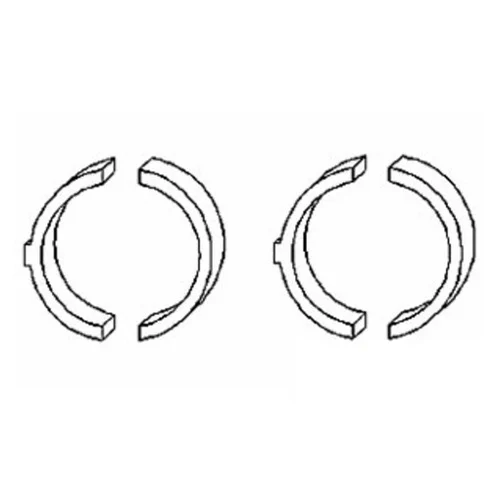
Apart from common issues like dirt contamination and improper assembly, thrust bearing failures are typically caused by three main factors:
Inadequate surface finish on the crankshaft
Misalignment between the thrust bearing and the crankshaft
Excessive loading on the thrust bearing
Discover the wide range of OEM tractor parts for jd. CXNOFIA is a famous tractor repair parts manufacturer in China. Good prices! Fast Shipping Worldwide! Limited Time tractor thrust washer For Sale! Easy Return!
Why Do I Need A Solenoid Assy?
How to Pick the Right Mini Excavator Rubber Track 2
Related Article
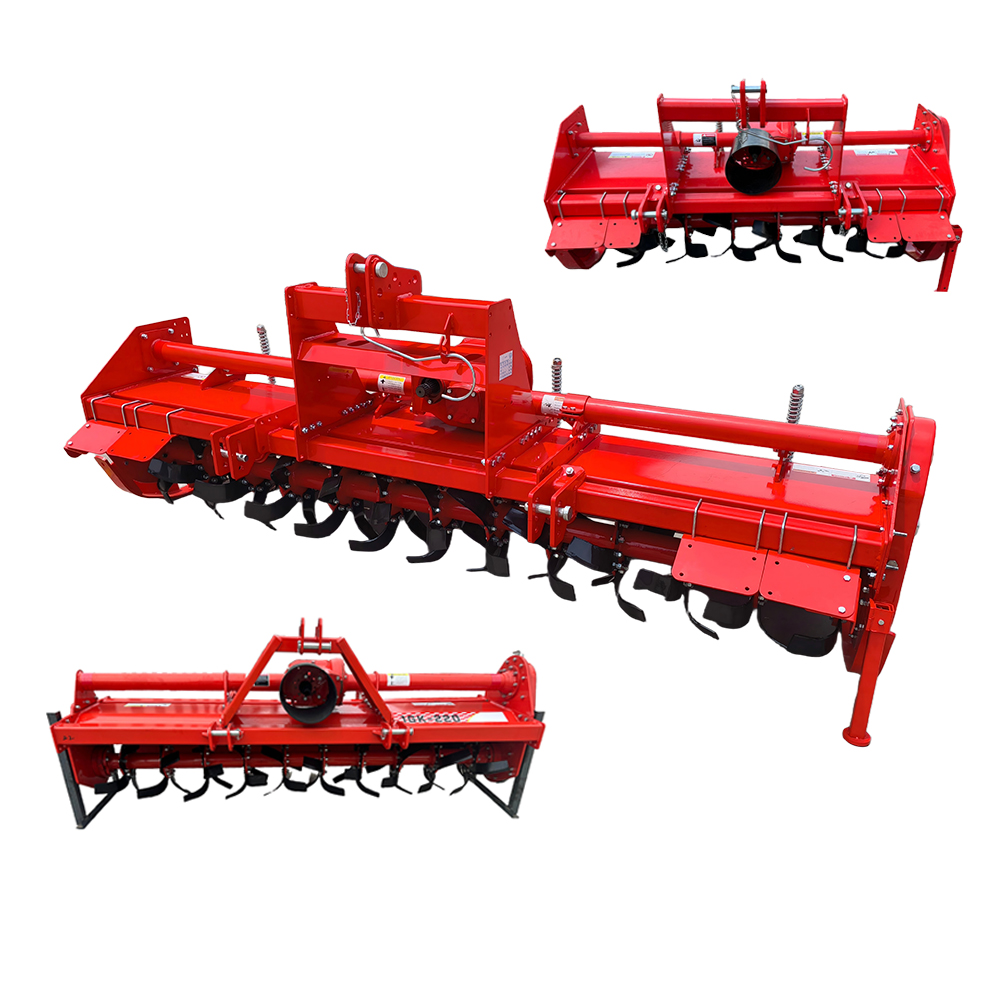
Explore MASCHIO-type rotary tillers from CXNOFIA, including 1MB, 1MC and 1GK series with 35–220 HP applications and 120–360 cm working widths.
MASCHIO-Type Rotary Tiller: 1MB, 1MC & 1GK Series Guide
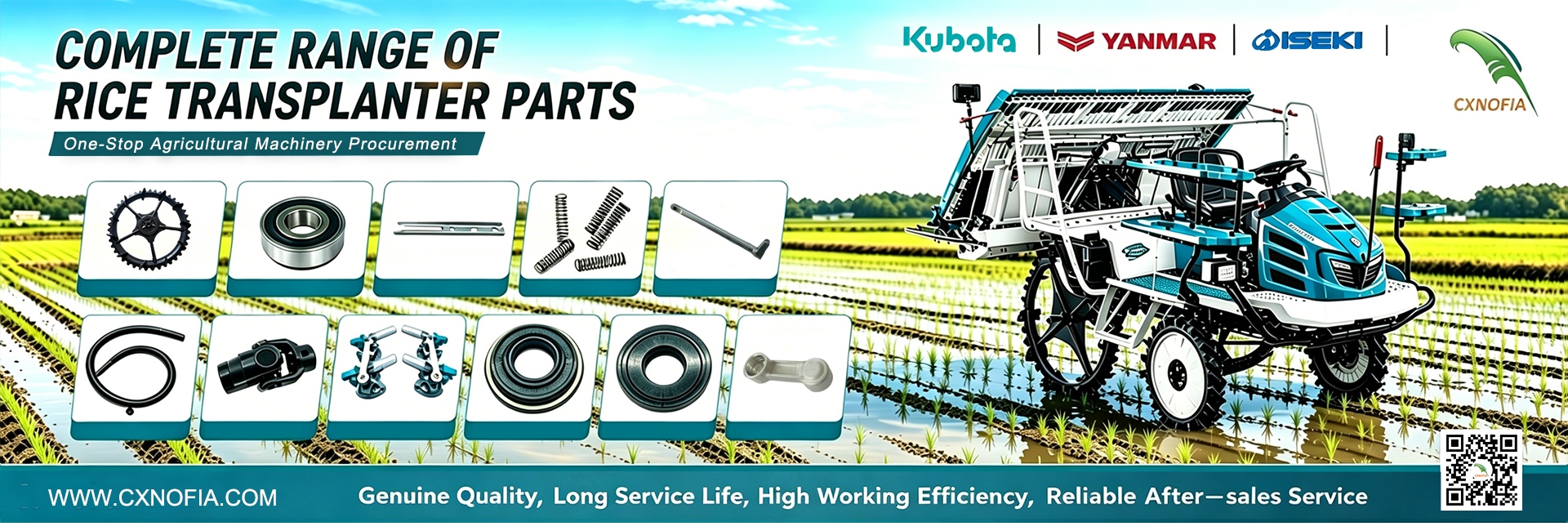
Explore the complete rice transplanter spare parts list for Kubota, Yanmar and ISEKI machines. Learn which replacement parts wear out most frequently, what dealers should keep in stock, and how CXNOFIA provides one-stop agricultural machinery spare parts solutions worldwide.
Complete Rice Transplanter Spare Parts List: Top Replacement Parts for Kubota, Yanmar & ISEKI Machines