What Is A 3 Point Tiller Used For?
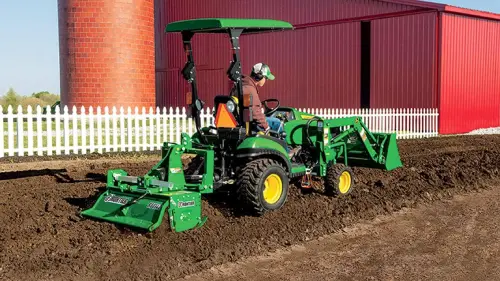
As agricultural practices continue to evolve, so too do the tools that support efficient land preparation. Among the most valuable implements in a farmer's toolkit is the 3 point rotary tiller—a versatile, powerful machine designed to break up soil, incorporate organic matter, and prepare seedbeds with precision. Whether you're managing a small homestead or a mid-sized farm, understanding how this equipment works—and how it integrates with modern tractors—can significantly improve your soil health and planting efficiency.
What Is a 3 Point Rotary Tiller and How Does It Work?
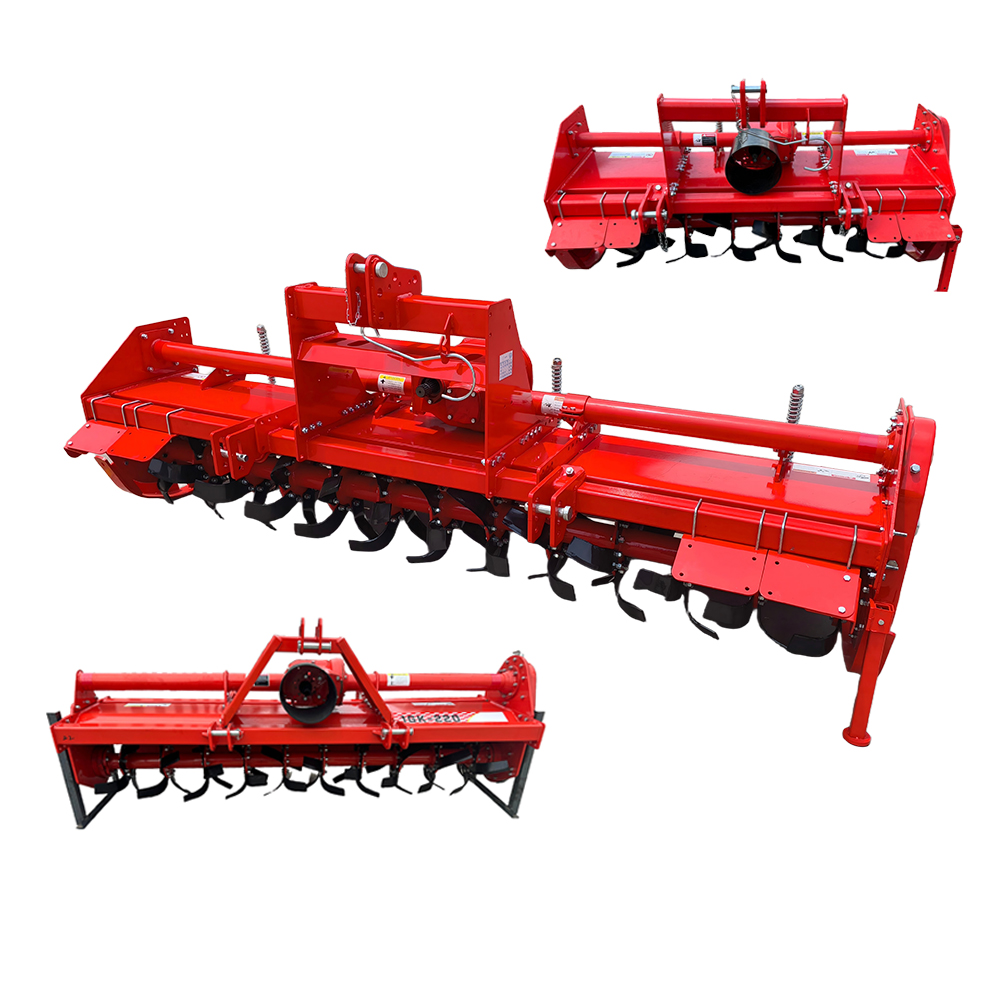
A 3 point rotary tiller is a tractor-mounted tillage tool that attaches to the rear of a tractor via the three-point hitch system. This standardized attachment mechanism—developed by Harry Ferguson in the 1920s—allows for secure, adjustable, and balanced mounting of implements. The "three points" refer to two lower arms and one upper top link, which together provide stability and control during operation.
The core function of a 3 point rotary tiller lies in its rotating tines—typically made of hardened steel—that dig into the soil and pulverize clods. Powered by the tractor's PTO (Power Take-Off) shaft, the tiller spins these tines at high speeds, effectively mixing and aerating the top layer of soil. This process not only breaks up compacted ground but also helps incorporate crop residues, compost, or cover crops, enhancing soil fertility and structure.
Unlike walk-behind tillers, a tiller 3 point hitch model leverages the full power and weight of the tractor, making it ideal for larger areas or tougher soil conditions. It's especially effective in preparing seedbeds for planting, renovating pastureland, or tilling garden plots that have been fallow for a season.
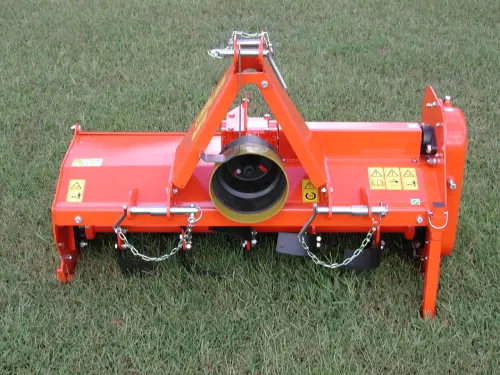
Key Applications: When to Use a 3 Point Garden Tiller
The versatility of a 3 point garden tiller makes it suitable for a wide range of farming and land management tasks. Here are some of the most common applications:
Seedbed Preparation: Before planting crops like vegetables, grains, or flowers, farmers use the tiller to create a fine, level seedbed. The rotary action ensures uniform soil texture, which promotes better seed-to-soil contact and germination.
Soil Aeration and Decompaction: Over time, soil can become compacted due to foot traffic, heavy machinery, or natural settling. A 3 point rotary tiller breaks up this compaction, allowing roots to penetrate deeper and water to infiltrate more efficiently.
Incorporating Organic Matter: Whether you're spreading manure, compost, or green manure from cover crops, a rotary tiller evenly mixes these materials into the soil, accelerating decomposition and nutrient release.
Weed and Residue Management: After harvest, leftover plant material and weeds can be tilled under to decompose naturally. This reduces the need for chemical herbicides and supports sustainable farming practices.
Renovating Overgrown Plots: For land that has been unused or overtaken by weeds, a 3 point rotary tiller for sale offers a fast and effective way to reclaim the area for productive use.
Equipment like CXNOFIA's tillers are engineered with heavy-duty gearboxes and heat-treated tines, ensuring consistent performance even in rocky or clay-heavy soils. Their balanced design also minimizes vibration, reducing operator fatigue during long tilling sessions.
Choosing the Right 3 Point Rotary Tiller: Size, Power, and Compatibility
Selecting the appropriate tiller 3 point hitch model depends on several factors, including tractor size, field conditions, and intended use. Here's what to consider:
Tractor PTO Horsepower: Most 3 point rotary tillers are designed to match specific horsepower ranges. For example, a 4- to 6-foot-wide tiller typically requires a tractor with 25–60 HP. Underpowering the unit can lead to stalling or premature wear.
Working Width: Tillers come in various widths—from 48 inches for small gardens to over 72 inches for larger fields. Match the width to your land size and turning radius needs.
Tine Configuration: Look for models with forward-rotating tines, which "dig in" for aggressive tilling, or reverse-rotating options that offer a smoother finish. Some CXNOFIA models feature adjustable tine angles for customized performance.
Hitch Category Compatibility: Ensure the tiller matches your tractor's three-point hitch category (Category I for smaller tractors, Category II for larger ones). This ensures proper alignment and safe operation.
Gearbox and Build Quality: A sealed, oil-bath gearbox protects internal components from dirt and moisture. Thick steel housings and replaceable tines extend the machine's lifespan, especially under frequent use.
When searching for a 3 point rotary tiller for sale, it's wise to prioritize durability and serviceability over initial cost. Well-constructed units, such as those from CXNOFIA, often include features like protective shields, easy-access maintenance points, and universal PTO yokes that fit most tractors.
Maintenance Tips to Maximize Longevity of Your 3 Point Garden Tiller
Even the most robust 3 point rotary tiller requires regular care to maintain peak performance. Routine maintenance not only extends the life of the implement but also ensures safe and efficient operation.
Check Gearbox Oil Levels: After the first 10 hours of use, and every 50–100 hours thereafter, inspect and refill the gearbox oil as needed. Use the manufacturer-recommended lubricant to prevent wear.
Inspect Tines for Wear or Damage: Bent or excessively worn tines reduce efficiency and can cause imbalance. Replace them in sets to maintain uniform rotation.
Grease All Zerks and Bearings: Most tillers have grease fittings on the PTO shaft, driveline, and wheel hubs (if equipped). Lubricate these points regularly to prevent seizing.
Clean After Use: Remove soil, plant debris, and moisture from the tines and housing after each use. This prevents rust and buildup that could interfere with moving parts.
Store Properly: When not in use, store the tiller in a dry, covered area. If possible, elevate it slightly to avoid contact with damp ground.
By following these practices, users can expect years of reliable service from their tiller 3 point hitch system, making it a worthwhile long-term investment in land productivity.
Why the 3 Point Rotary Tiller Remains a Farming Staple
Despite advances in no-till and conservation agriculture, the 3 point garden tiller continues to play a vital role in many farming systems—especially where soil preparation, residue incorporation, or land reclamation is needed. Its ability to efficiently process large areas with minimal manual labor makes it a favorite among small-scale farmers, market gardeners, and homesteaders alike.
Whether you're searching for a 3 point rotary tiller for sale or evaluating how a tiller 3 point hitch can improve your operations, understanding the mechanics, applications, and maintenance needs of this implement is essential. Brands like CXNOFIA contribute to the reliability and performance of modern tillers, offering well-engineered solutions that stand up to demanding field conditions.
Ultimately, the right tiller isn't just about power or size—it's about matching the tool to your land, your tractor, and your goals. With the right knowledge, you can make smarter decisions that lead to healthier soil and more productive growing seasons.
3 point rotary tiller for sale! Discover durable 3 point rotary tiller for tractor from CXNOFIA, a leading tiller 3 point hitch manufacturer in China. Our precision engineered 3 point garden tiller is compatible with many top tractor brands.
Difference Between A Garden Cultivator And A Tiller
How to Hook Up a 3 Point Tiller?
Related Article