What Is a Gearbox in a Tractor?
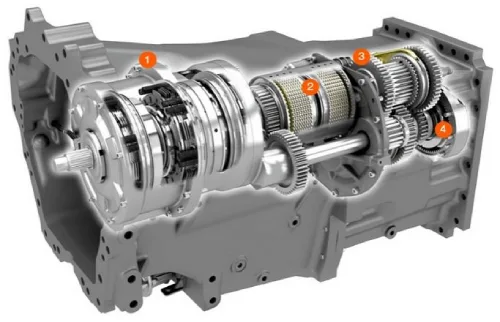
When you hear the roar of a tractor powering through a field or pulling a heavy rotary tiller, what you're really hearing is a symphony of mechanical systems working in harmony. At the heart of that harmony—often overlooked but absolutely critical—is the gearbox tractor. But what is a gearbox in a tractor, really? And why does choosing the right one matter more than most operators realize?
The Core Function: Why Every Tractor Needs a Gearbox
At its most fundamental level, a gearbox for tractor is a mechanical device that transmits power from the engine (or PTO shaft) to an implement while modifying torque and rotational speed. Without it, your tractor's raw engine power would be useless for tasks like tilling, mowing, baling, or shredding.
Think of the gearbox as a translator. The engine speaks in high RPMs and moderate torque. But your rotary tiller needs low RPMs and high torque to chew through compacted soil. Your hay cutter needs consistent, medium-speed rotation to slice cleanly without jamming. Your flail mower needs to spin its hammers at lightning speed to pulverize brush. The gearbox adapts the engine's output to match the implement's demand.
In agricultural tractor gearbox systems, this isn't just about gears meshing—it's about durability under load, resistance to dust and moisture, efficient heat dissipation, and seamless integration with the tractor's PTO (Power Take-Off) system. A poorly designed gearbox doesn't just reduce efficiency; it risks catastrophic failure that can damage both the implement and the tractor's driveline.
Breaking Down Tractor Gearbox Types: From Fixed to Universal
Not all gearbox tractor is created equal. Depending on your machinery setup, you may encounter several tractor gearbox types:
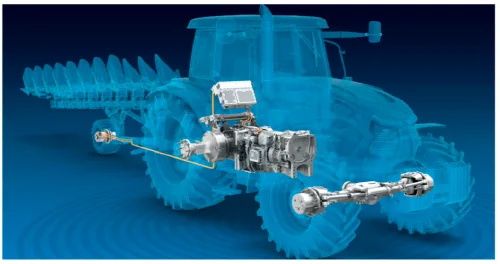
Transmission Gearboxes – Built into the tractor itself, these manage wheel speed and direction. While essential, they're not typically user-replaceable and fall outside the scope of most aftermarket upgrades.
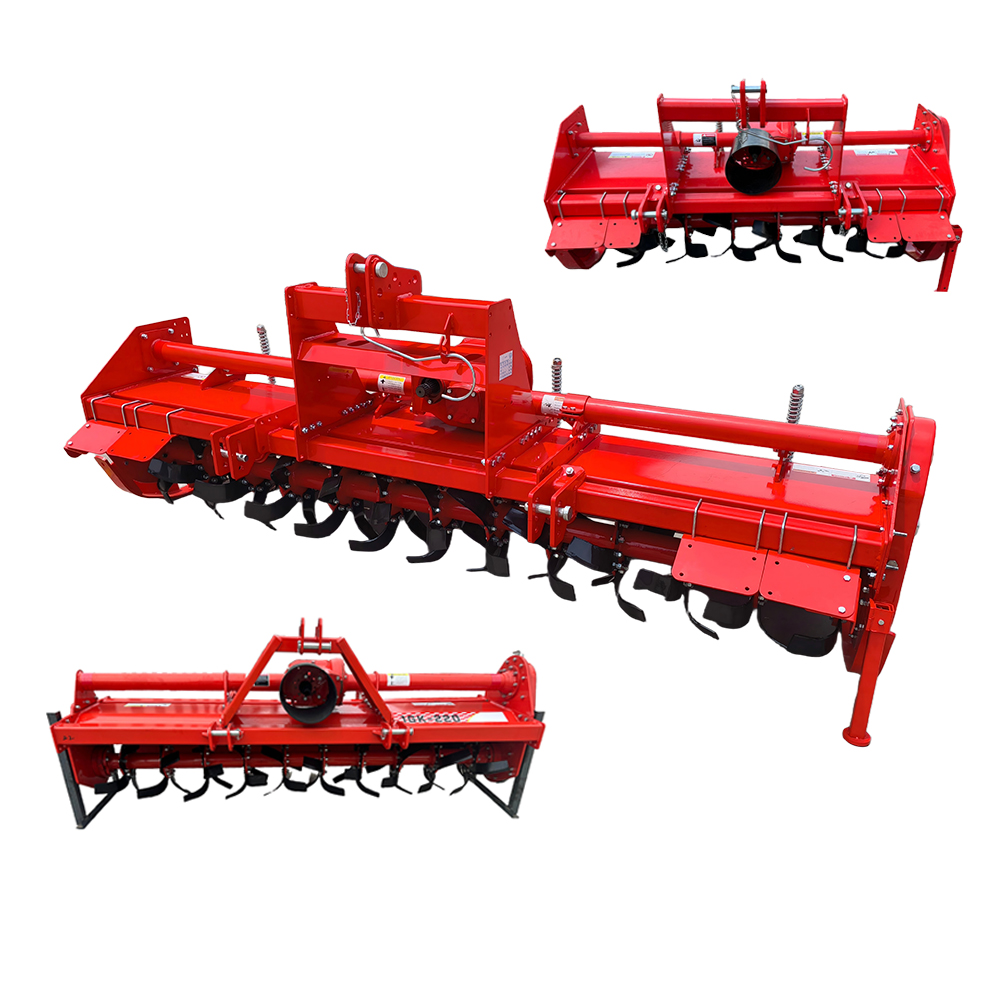
PTO-Driven Implement Gearboxes – These are mounted directly on implements like rotary tillers, mowers, balers, and post-hole diggers. They're designed to convert the tractor's 540 or 1000 RPM PTO output into the optimal speed and torque for the tool. These are the gearboxes most farmers interact with—and most often need to replace or upgrade.
Right-Angle Gearboxes – Common in offset mowers or side-discharge implements, these redirect power 90 degrees while maintaining torque. They're compact but require precise lubrication and sealing.
Universal Gearbox – This is where versatility meets engineering. A universal gearbox is designed to be compatible with multiple brands and models of implements—often following industry standards like Bondioli Pavesi (B.P.) flange patterns. This makes them ideal for mixed fleets, aging equipment, or custom-built tools where OEM parts are no longer available.
The universal gearbox doesn't mean “one-size-fits-all” in a sloppy way. True universal gearboxes are engineered to exact tolerances, with standardized input shafts, mounting flanges, and output configurations. When sourced from reputable manufacturers, they offer plug-and-play reliability without sacrificing performance.
Why the Universal Gearbox Is a Smart Choice for Modern Farms
Farms today rarely run on a single brand of equipment. You might have a John Deere tractor pulling a Maschio tiller, a Kuhn mower, and an older Woods brush hog. Finding OEM gearboxes for each can be expensive, time-consuming, or impossible.
That's where a well-engineered universal gearbox becomes invaluable. Designed to meet common agricultural specifications, these gearboxes serve as drop-in replacements across a wide range of implements. They're especially useful for:
Replacing discontinued or damaged OEM gearboxes
Retrofitting older implements to work with modern tractors
Standardizing spare parts inventory across multiple machines
Reducing downtime by keeping a single compatible spare on hand
But not all “universal” gearboxes are equal. Quality varies dramatically. Inferior castings, poorly heat-treated gears, or inadequate sealing can lead to premature wear, oil leaks, or even gear shearing under load. That's why it's critical to choose gearboxes built to withstand the punishing realities of farm work—dust, vibration, moisture, and constant torque fluctuations.
The Engineering Behind Reliable Agricultural Gearboxes
What separates a durable agricultural tractor gearbox from a cheap imitation? It comes down to materials, design, and manufacturing precision.
High quality gearboxes feature:
Case hardened helical or spur gears for smooth, quiet operation and maximum load distribution
Reinforced aluminum or cast iron housings that dissipate heat and resist cracking
Double-lip seals and labyrinth breathers to keep contaminants out and lubricant in
Precision-machined mounting flanges to eliminate misalignment and vibration
Pre-filled with EP (Extreme Pressure) gear oil rated for continuous heavy-duty use
Take, for example, the universal gearbox offered by CXNOFIA—a manufacturer specializing in agricultural and construction machinery components. Their gearbox for implements like tractor beaters, rotary tillers, and PTO-driven mowers is engineered to Bondioli-type standards, ensuring broad compatibility without compromising strength. It's not marketed as a flashy upgrade; it's designed as a reliable, no-nonsense replacement that keeps equipment running season after season.
This is the kind of part that doesn't make headlines—until it fails. And when it does, the cost isn't just in the replacement part. It's in the missed planting window, the spoiled hay crop, or the rental fees for backup equipment. That's why understanding what a gearbox in a tractor truly does—and investing in quality when it's time to replace one—is one of the smartest decisions a farm operator can make.
Maintenance Tips to Extend Gearbox Life
Even the best gearbox won't last if it's neglected. Here's how to get the most out of your tractor's gearboxes:
Check oil levels before each major use. Many gearboxes have sight glasses or dipsticks—don't ignore them.
Replace gear oil annually or per the manufacturer's hour-based schedule. Contaminated or degraded oil is the #1 cause of premature wear.
Inspect seals and breathers regularly. A clogged breather can cause pressure buildup and seal blowouts.
Listen for unusual noises—grinding, whining, or knocking often signal bearing or gear wear.
Avoid shock loading. Engage PTO gradually and avoid slamming implements into hard obstructions.
When replacement is necessary, prioritize compatibility, build quality, and technical support over the lowest price. A $200 savings today can cost $2,000 in downtime tomorrow.
The Gearbox—Silent Workhorse of the Farm
So, what is a gearbox in a tractor? It's more than gears in a box. It's the critical link between your tractor's power and your field's productivity. Whether you're running a compact utility tractor or a 200-horsepower workhorse, the gearbox on your implements determines how efficiently—and reliably—that power is put to work.
Understanding tractor gearbox types, recognizing the value of a true universal gearbox, and knowing when to replace versus repair can save you time, money, and frustration. In agriculture, uptime is everything. And in that equation, the humble gearbox plays a starring role.
Explore high quality universal gearbox for Bondioli type from CXNOFIA, a trusted agricultural tractor gearbox manufacturer in China. Our precision engineered gearbox for tractor is designed for durability and compatible with a wide range of leading tractor brands. Contact us now: sales@cxnofia.com
Is the Primary Air Filter Inner or Outer?
How Hot Does a Tractor Radiator Get?
Related Article