What Is A Helical Gear Used For?
2025-04-22
In the vast world of mechanical power transmission, one gear type stands out for its smoothness, strength, and versatility — the helical gear. Found in everything from high performance automotive gearboxes to industrial machines, helical gears have become essential components in modern engineering. But what exactly is a helical gear, and what are its benefits and uses?
Whether you're a mechanical engineer, a machinery manufacturer, or simply someone interested in how machines work, understanding the value of helical gears will give you insight into their remarkable capabilities and why they are increasingly in demand — especially when it comes to custom helical gears or helical gears for sale in today's marketplace.
What Is a Helical Gear?
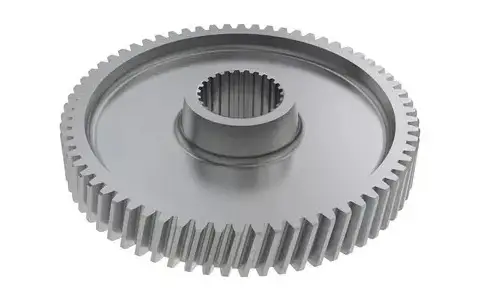
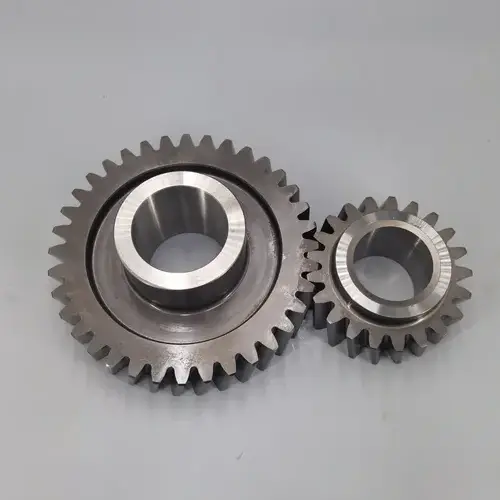
A helical gear is a cylindrical gear with teeth that are cut at an angle (usually around 15 to 30 degrees) to the axis of rotation. This angle creates a helix shape, hence the name "helical." Unlike spur gears, where the teeth are cut straight and parallel to the shaft, helical gears engage gradually, creating a smoother and quieter transfer of power.
This angled design allows for more than one tooth to engage at a time, resulting in greater load distribution, higher torque capabilities, and reduced wear over time.
Advantages of Helical Gears
Helical gears offer several advantages over traditional gear designs, making them ideal for high-performance and heavy-duty applications. Here are some of the main benefits:
1. Smooth and Quiet Operation
Because the teeth on helical gears engage gradually and overlap more than one tooth at a time, they produce less noise and vibration than spur gears. This makes them ideal for applications where quiet operation is essential, such as automotive transmissions and home appliances.
2. Higher Load Capacity
The load is distributed across multiple teeth, reducing stress on individual gear teeth and allowing helical gears to handle higher loads and transmit more torque.
3. Greater Durability
Due to reduced wear and better load distribution, helical gears tend to last longer than other gear types, making them a cost-effective option in the long term.
4. Efficient Power Transmission
The angled teeth of a helical gear offer higher contact ratios, which means energy is transferred more efficiently from one gear to another, reducing power loss.
5. Flexibility in Mounting
Helical gears can be used for parallel as well as crossed shaft arrangements, offering more flexibility in design and assembly.
Common Applications of Helical Gears
Thanks to their strength, durability, and smooth operation, helical gears are used in a wide range of industries and mechanical systems. Let's explore some of the most common uses:
1. Automotive Transmissions
One of the most recognizable applications of helical gears is in car gearboxes. They allow for smooth shifting and efficient torque transmission, which enhances the driving experience.
2. Industrial Machinery
From conveyors to crushers, helical gears are widely used in industrial machinery where reliable, high-torque transmission is needed. They're especially useful in equipment that runs continuously and requires minimal noise and vibration.
3. Aerospace Engineering
Aircraft rely on custom helical gears to ensure smooth and precise motion in control systems and engine mechanisms. Their quiet and reliable operation makes them ideal for aerospace use.
4. Power Plants and Wind Turbines
The high torque demands of power generation equipment, including turbines and generators, often require helical gears to ensure smooth energy conversion and long-term durability.
5. Printing Equipment
Helical gears help provide accurate and consistent motion in printing presses, ensuring that high-quality print jobs can be completed efficiently.
6. Medical Equipment
Precision is key in medical technology. Devices like surgical robots, diagnostic machines, and imaging systems often use custom helical gears for accuracy and reliability.
Types of Helical Gears
Helical gears come in various types depending on their usage:
– Parallel Helical Gears
Used when the shafts are parallel. These are the most common type and are ideal for power transmission in a straight line.
– Crossed Helical Gears
Used when the shafts are at an angle (usually 90 degrees). These are more complex but useful in compact machinery where space constraints are a concern.
– Double Helical Gears (Herringbone)
These consist of two sets of helical teeth, one with a left-hand helix and the other with a right-hand helix. They cancel out axial thrust and offer even smoother operation.
Helical Gears for Sale: What to Look For
With so many helical gears for sale on the market, how do you choose the right one? Whether you're sourcing gears for industrial use or a specific engineering project, here are some factors to consider:
1. Material
Look for gears made from high-quality metals such as alloy steel, stainless steel, or cast iron, depending on the application. Strong materials ensure longer gear life and reliable performance.
2. Precision and Tolerance
For high-performance machines, precision is everything. Be sure to check the manufacturing tolerance of the gear. High-precision custom helical gears are essential in aerospace and medical applications.
3. Size and Tooth Profile
Select the appropriate module, pitch, and helix angle. Even slight miscalculations can lead to inefficiencies or mechanical failure.
4. Supplier Reputation
Buy from trusted manufacturers who specialize in helical gears for sale, such as certified Chinese suppliers or experienced custom gear manufacturers.
Why Choose Custom Helical Gears?
In many specialized applications, standard gears may not meet specific design or performance requirements. That's where custom helical gears come into play. Here are some of the advantages of going custom:
– Tailored to Fit
Custom gears can be made to fit precise dimensions, shaft alignments, and torque specifications.
– Material Selection
Choose the best material for your application's temperature, environment, and load conditions.
– Optimized Performance
With custom tooth profiles and helix angles, you can maximize efficiency and minimize wear.
– Unique Applications
From robotics to R&D, many applications require non-standard gear ratios and performance levels only possible with custom helical gears.
Helical Gear Manufacturing: What Sets It Apart?
Producing a helical gear is a complex process that involves high-precision machining and often CNC gear hobbing or grinding. Heat treatment, surface finishing, and quality inspections are essential steps to ensure the gear performs reliably under load. Some advanced manufacturers also offer 3D modeling and simulation to create custom helical gears tailored to client specifications.
If you're looking for helical gears for sale, it's wise to partner with a manufacturer that can provide customization, material consultation, and rapid production capabilities.
Helical gears are fundamental to modern machinery, offering superior performance, quiet operation, and high torque capacity. Their unique design makes them indispensable in applications ranging from automotive systems to aerospace components and industrial equipment.
Whether you're sourcing standard helical gears for sale or require custom helical gears for a specialized project, investing in the right gear can make all the difference in operational efficiency and mechanical reliability.
At the heart of it all, the helical gear remains a shining example of engineering innovation — subtle in design, yet powerful in impact.
If you're in the market for helical gears for sale or considering custom helical gears for your machinery, reach out to trusted gear suppliers who understand precision, performance, and quality. The right gear isn't just a component — it's the core of your system's success.
Helical gears for sale! Discover our wide range of premium SU32990 transmission countershaft input helical gear for JD tractors. Produced by CXNOFIA, a reliable Chinese helical products company of john deere tractor parts, the custom helical gears are designed to deliver exceptional performance and long lasting durability. Enjoy competitive pricing, swift international shipping, easy returns, and exclusive time limited offers. Place your order today!
How Does Hub Reduction Work?
What Is A Bevel Gear Assembly Used For?
Related Article
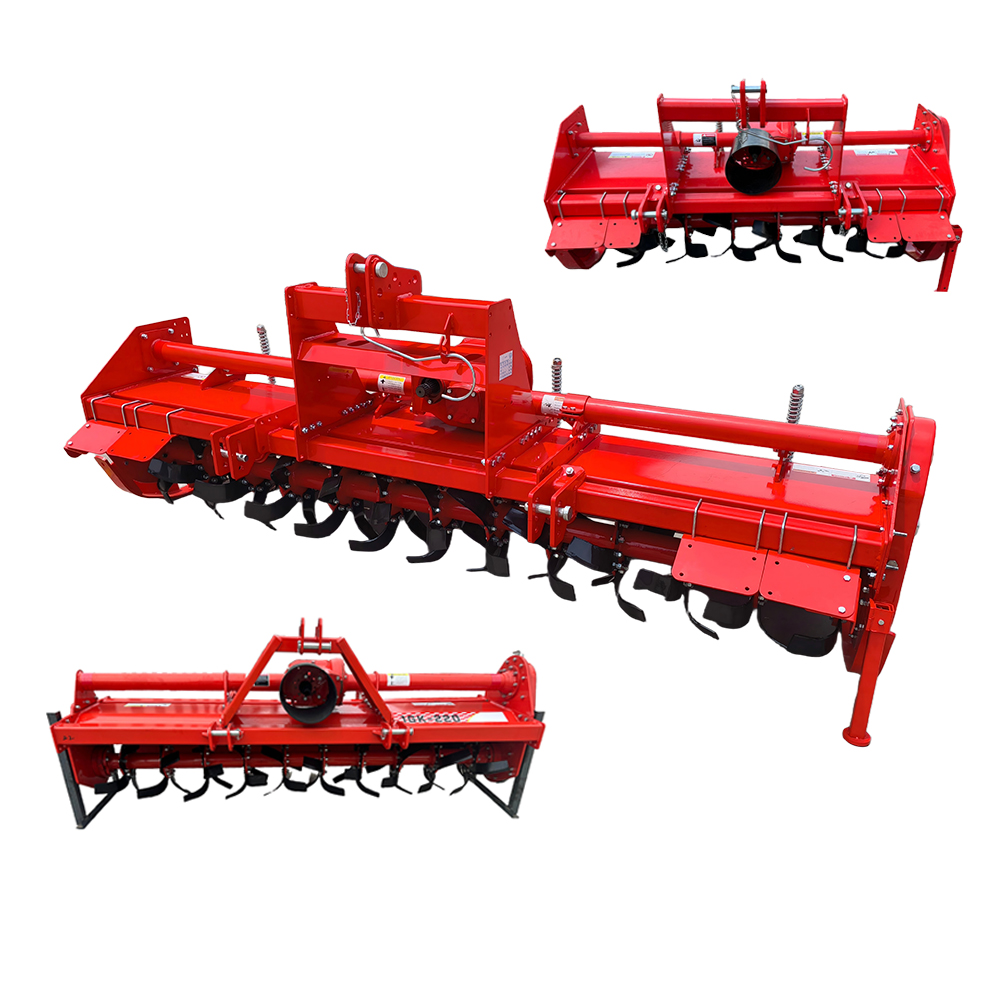
Explore MASCHIO-type rotary tillers from CXNOFIA, including 1MB, 1MC and 1GK series with 35–220 HP applications and 120–360 cm working widths.
MASCHIO-Type Rotary Tiller: 1MB, 1MC & 1GK Series Guide
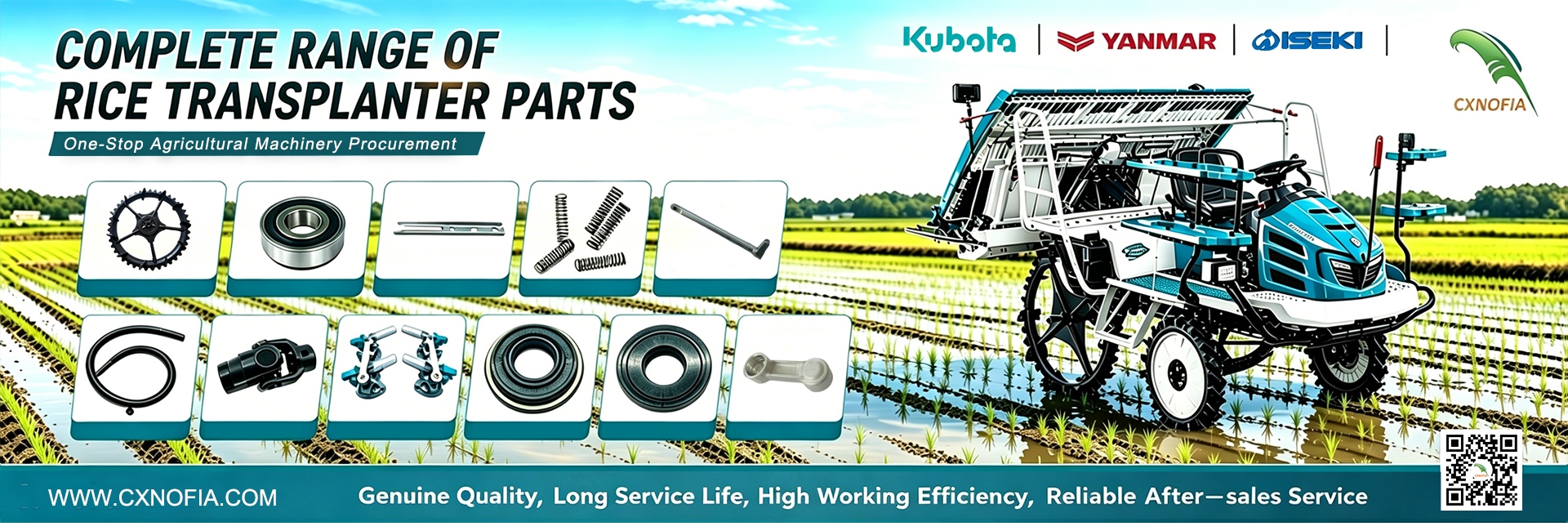
Explore the complete rice transplanter spare parts list for Kubota, Yanmar and ISEKI machines. Learn which replacement parts wear out most frequently, what dealers should keep in stock, and how CXNOFIA provides one-stop agricultural machinery spare parts solutions worldwide.
Complete Rice Transplanter Spare Parts List: Top Replacement Parts for Kubota, Yanmar & ISEKI Machines