What Is The Function Of The Excavator Drive Sprocket?
2025-02-25
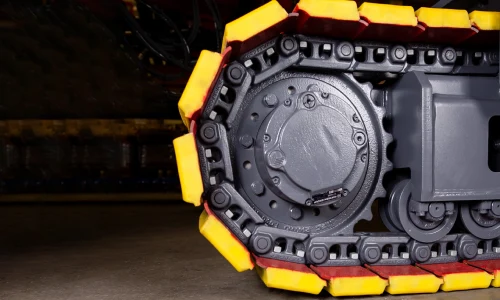
The drive sprocket is a critical component in any tracked vehicle, including excavators. This powerful, rotating gear system plays a vital role in transferring power from the final drive to the tracks, which allow the machine to move.
The Role of the Drive Sprocket in Excavators
The drive sprocket is one of the most important components of a tracked vehicle like an excavator. Its primary function is to transfer torque from the final drive to the track, enabling the vehicle to move. The drive sprocket is not mounted directly to the track frame, but instead, it is connected to the final drive, which is powered by the excavator's engine.
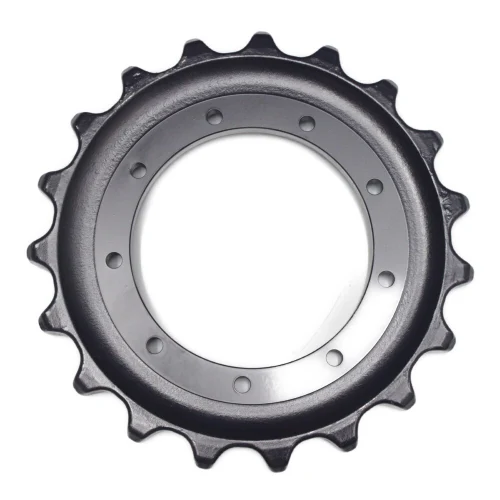
The sprocket itself is designed with teeth on its circumference, which interact with the track links. These teeth are like gear teeth that mesh with the track links, causing the track to move as the sprocket rotates. In essence, the sprocket is responsible for propelling the machine forward by turning the continuous track loop.
In addition to the basic role of providing motion, the sprocket is also designed to distribute the load and force evenly across its teeth, ensuring smoother operation. This function is particularly important for heavy duty machines like excavators, which need to navigate difficult terrain while carrying substantial loads.
Design Features of the Drive Sprocket
The design of the excavator drive sprocket is crucial to the performance and longevity of the machine. A well designed sprocket can increase efficiency, reduce wear, and extend the lifespan of the track system.
1. Teeth Design and Function
The teeth on the drive sprocket are essential to its function. The sprocket teeth engage with the track links, and this interaction enables the machine to move. Over time, these teeth can wear down due to friction and heavy usage, which is why regular maintenance and replacement are necessary.
The teeth on the drive sprocket are essential to its function. The sprocket teeth engage with the track links, and this interaction enables the machine to move. Over time, these teeth can wear down due to friction and heavy usage, which is why regular maintenance and replacement are necessary.
The excavator drive sprocket is usually designed with an odd number of teeth, a feature that plays a key role in evenly distributing wear. This design is known as "tooth hunting." The term refers to the process by which each tooth on the sprocket comes into contact with the track links at different intervals, thus preventing any single tooth from experiencing excessive wear. This ensures that all the teeth wear evenly over time.
2. One Piece vs. Segmented Sprockets
Older excavators and heavy equipment often came equipped with a one-piece sprocket assembly. These sprockets were welded directly onto the final drive, which meant that when the sprocket wore out, it had to be replaced entirely. This process was time-consuming and required the sprocket to be cut off and a new one welded in place.
Older excavators and heavy equipment often came equipped with a one-piece sprocket assembly. These sprockets were welded directly onto the final drive, which meant that when the sprocket wore out, it had to be replaced entirely. This process was time-consuming and required the sprocket to be cut off and a new one welded in place.
In contrast, newer models feature segmented sprockets, where the sprocket is divided into several segments. Each segment is attached to the final drive using bolts. This segmented design makes it much easier and quicker to replace the sprocket when necessary. Instead of removing the entire sprocket, operators can simply unbolt and replace the worn segments, saving both time and money.
3. Material and Durability
Drive sprockets are typically made from high-strength materials like hardened steel, which are resistant to wear and corrosion. The quality of the materials used in the sprocket's construction directly affects its durability and performance. High-quality materials ensure that the sprocket can withstand the heavy forces and intense friction generated by the machine's movement.
Drive sprockets are typically made from high-strength materials like hardened steel, which are resistant to wear and corrosion. The quality of the materials used in the sprocket's construction directly affects its durability and performance. High-quality materials ensure that the sprocket can withstand the heavy forces and intense friction generated by the machine's movement.
The Function of Tooth Hunting in the Drive Sprocket
A key feature of the excavator drive sprocket is its tooth hunting design. This system, as mentioned earlier, involves having an odd number of teeth on the sprocket, which ensures that each tooth makes contact with the track links at different intervals. The main benefit of this design is that it helps evenly distribute the wear across the sprocket teeth.
1. Even Wear Distribution
As the sprocket rotates, the load on the sprocket teeth changes with each rotation. If the same teeth were to come into contact with the track links during every revolution, those teeth would wear out faster than others, leading to uneven wear. By having an odd number of teeth, the system ensures that each tooth is used in a staggered pattern, giving each one a chance to take the load at different times.
As the sprocket rotates, the load on the sprocket teeth changes with each rotation. If the same teeth were to come into contact with the track links during every revolution, those teeth would wear out faster than others, leading to uneven wear. By having an odd number of teeth, the system ensures that each tooth is used in a staggered pattern, giving each one a chance to take the load at different times.
2. Increased Sprocket Life
The even distribution of wear prevents any single tooth from becoming overly stressed, which in turn extends the life of the sprocket. This is particularly important for machines like excavators, which are used in demanding environments and need to operate efficiently for extended periods of time without frequent maintenance.
The even distribution of wear prevents any single tooth from becoming overly stressed, which in turn extends the life of the sprocket. This is particularly important for machines like excavators, which are used in demanding environments and need to operate efficiently for extended periods of time without frequent maintenance.
3. Improved Performance
Even wear on the sprocket teeth leads to smoother operation. The better the sprocket teeth mesh with the track links, the more efficiently the machine moves. This improves the overall performance of the excavator, leading to faster operation, reduced fuel consumption, and less stress on the engine and other components.
Even wear on the sprocket teeth leads to smoother operation. The better the sprocket teeth mesh with the track links, the more efficiently the machine moves. This improves the overall performance of the excavator, leading to faster operation, reduced fuel consumption, and less stress on the engine and other components.
Changing and Maintaining Drive Sprockets
Maintaining and replacing the drive sprocket is crucial to the smooth functioning of the excavator. Over time, the teeth on the sprocket will inevitably wear down due to constant use. Here's a guide to maintaining and replacing the excavator drive sprocket:
1. How to Replace Segmented Sprockets
Replacing a segmented sprocket is relatively straightforward and can save a lot of time compared to replacing a one-piece sprocket. Here’s a step by step guide:
Replacing a segmented sprocket is relatively straightforward and can save a lot of time compared to replacing a one-piece sprocket. Here’s a step by step guide:
Position the track so that the worn segment is on the inside (facing away from the track links).
Unbolt the old segment and remove it from the sprocket.
Bolt in the new segment and torque it to the required specifications.
Rotate the track a few feet to bring the next worn segment into position.
Repeat the procedure until all segments have been replaced.
By using this method, the time and cost involved in sprocket replacement are significantly reduced.
2. Regular Inspection and Maintenance
Regular inspection of the sprocket is important to ensure its proper functioning. Look for signs of excessive wear or damage to the teeth. If the teeth are worn down unevenly or have visible cracks, it’s time to replace the sprocket or its segments.
Regular inspection of the sprocket is important to ensure its proper functioning. Look for signs of excessive wear or damage to the teeth. If the teeth are worn down unevenly or have visible cracks, it’s time to replace the sprocket or its segments.
In addition to visual inspections, lubricating the sprocket and other parts of the track system can help reduce friction and wear, extending the life of the sprocket.
Where to Buy Drive Sprockets for Excavators?
When it comes time to replace your excavator drive sprocket, sourcing high quality parts is essential for maintaining the performance of your machine. Fortunately, there are several options for purchasing drive sprockets:
1. OEM Suppliers
Original Equipment Manufacturer (OEM) suppliers provide parts that are specifically designed for your excavator model. These parts are typically high quality and offer a perfect fit. However, OEM parts can be more expensive compared to aftermarket options.
Original Equipment Manufacturer (OEM) suppliers provide parts that are specifically designed for your excavator model. These parts are typically high quality and offer a perfect fit. However, OEM parts can be more expensive compared to aftermarket options.
2. Aftermarket Suppliers
Aftermarket suppliers often offer more affordable alternatives without compromising on quality. These parts are made to meet or exceed OEM standards and can be a great option for budget-conscious buyers.
Aftermarket suppliers often offer more affordable alternatives without compromising on quality. These parts are made to meet or exceed OEM standards and can be a great option for budget-conscious buyers.
3. Excavator Parts Online
Shopping for excavator parts online offers the convenience of browsing and comparing different suppliers from the comfort of your office or job site. Online platforms such as Alibaba, Amazon, and specialized construction equipment parts stores offer a wide range of excavator drive sprockets from various manufacturers. Be sure to check customer reviews and ratings to ensure the parts are reliable.
Shopping for excavator parts online offers the convenience of browsing and comparing different suppliers from the comfort of your office or job site. Online platforms such as Alibaba, Amazon, and specialized construction equipment parts stores offer a wide range of excavator drive sprockets from various manufacturers. Be sure to check customer reviews and ratings to ensure the parts are reliable.
4. Local Dealers and Distributors
Local dealers and distributors of construction equipment often carry a wide range of excavator parts, including drive sprockets. Purchasing locally can offer the benefit of easier returns, faster shipping, and personalized customer service.
Local dealers and distributors of construction equipment often carry a wide range of excavator parts, including drive sprockets. Purchasing locally can offer the benefit of easier returns, faster shipping, and personalized customer service.
The drive sprocket plays a crucial role in the operation of excavators and other tracked machinery. From transferring torque to the tracks to ensuring even wear across the teeth, the drive sprocket ensures smooth movement and efficient operation. Whether you're dealing with an older one-piece sprocket or the more modern segmented type, regular maintenance and timely replacement are key to keeping your machine running at its best. By sourcing high-quality excavator drive sprockets from trusted suppliers, whether OEM or aftermarket, you can ensure long lasting performance and minimal downtime for your equipment.
Excavator spares near me! Choose from our extensive line of RC788-14430 drive sprocket for excavator, crafted by CXNOFIA, a reputable Chinese excavator parts supplier for kubota. Enjoy top quality drive sprocket at competitive prices, quick international shipping, convenient returns, and limited time deals!
When Should I Replace My Tractor Clutch Disk?
Does An Excavator Have A Shaft?
Related Article
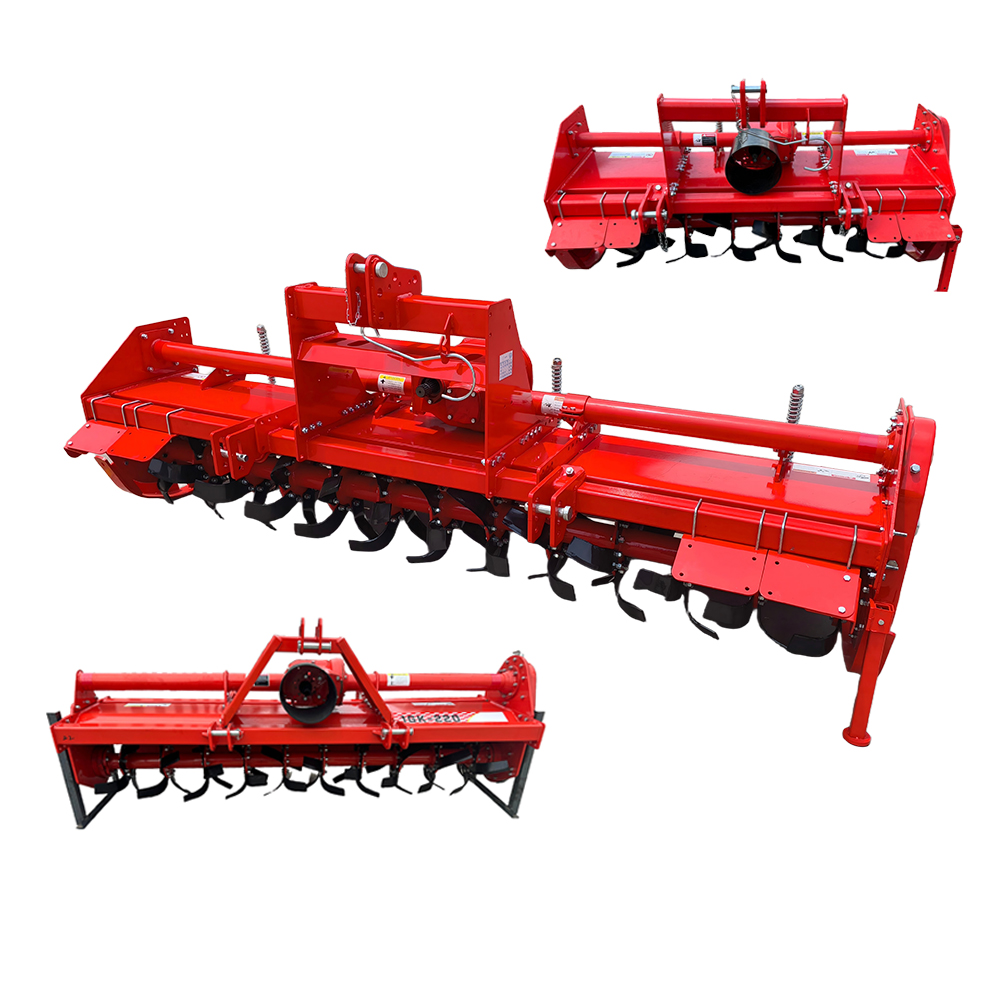
Explore MASCHIO-type rotary tillers from CXNOFIA, including 1MB, 1MC and 1GK series with 35–220 HP applications and 120–360 cm working widths.
MASCHIO-Type Rotary Tiller: 1MB, 1MC & 1GK Series Guide
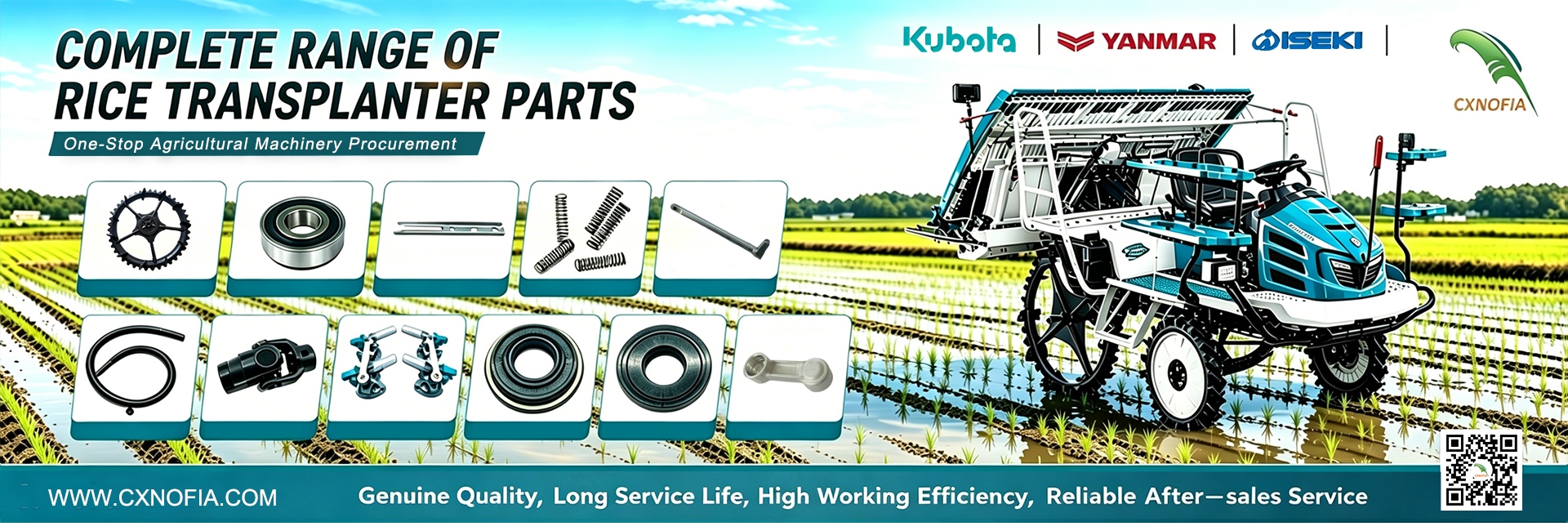
Explore the complete rice transplanter spare parts list for Kubota, Yanmar and ISEKI machines. Learn which replacement parts wear out most frequently, what dealers should keep in stock, and how CXNOFIA provides one-stop agricultural machinery spare parts solutions worldwide.
Complete Rice Transplanter Spare Parts List: Top Replacement Parts for Kubota, Yanmar & ISEKI Machines