What Is The Purpose Of A Rotating Cultivator?
2024-10-30
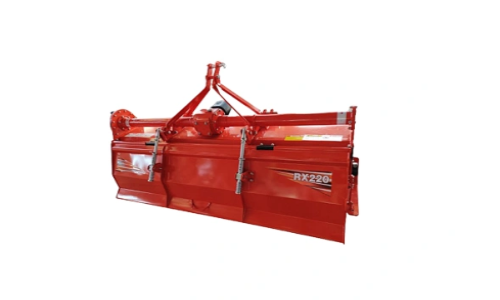
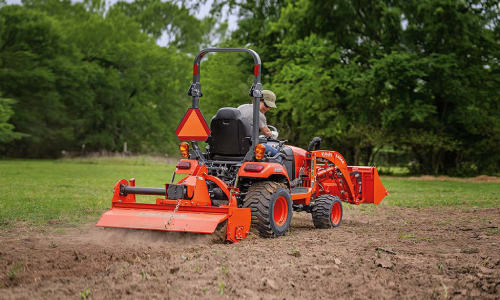
A rotating cultivator for kubota tractor, also known as a rotary tiller for kubota tractor, is a type of farming equipment designed to prepare the soil for planting. It consists of rotating blades or tines that dig into the soil, breaking it up and aerating it. This process helps improve soil structure, mix in nutrients, and make the ground more suitable for planting seeds or young plants. Rotating cultivators are often attached to tractors and can be used in various types of soil, making them ideal for gardening, landscaping, and agricultural applications.
What Are Rotating Cultivators Used For?
Equipped with a set of rotating blades or tines, the rotating cultivator works by churning the soil, loosening compacted earth, and improving soil aeration. The primary function of a tractor rotary tiller is to prepare soil for cultivation, but its uses extend well beyond basic tilling. Let’s look into the main applications of rotating cultivators and their benefits in agricultural and horticultural practices.
Soil Preparation for Planting
The primary use of a rotating cultivator is soil preparation, which is crucial for successful planting. By breaking up clumps and aerating the soil, rotating cultivators help create a fine, loose soil bed. This structure allows roots to penetrate more easily and promotes better water retention and drainage. Farmers and gardeners rely on rotating cultivators to prepare soil in fields, gardens, and greenhouses, ensuring an ideal growing environment for crops.
The primary use of a rotating cultivator is soil preparation, which is crucial for successful planting. By breaking up clumps and aerating the soil, rotating cultivators help create a fine, loose soil bed. This structure allows roots to penetrate more easily and promotes better water retention and drainage. Farmers and gardeners rely on rotating cultivators to prepare soil in fields, gardens, and greenhouses, ensuring an ideal growing environment for crops.
Weed Control
Weed control is another essential application of rotating cultivators. When the cultivator’s tines churn the soil, they disrupt weed growth by cutting and uprooting unwanted plants. This method not only helps in reducing weed populations but also minimizes the need for chemical herbicides, making it an eco friendly approach. By controlling weeds early in the season, tractor rotary tillers help ensure that crops receive adequate sunlight, water, and nutrients without competition.
Weed control is another essential application of rotating cultivators. When the cultivator’s tines churn the soil, they disrupt weed growth by cutting and uprooting unwanted plants. This method not only helps in reducing weed populations but also minimizes the need for chemical herbicides, making it an eco friendly approach. By controlling weeds early in the season, tractor rotary tillers help ensure that crops receive adequate sunlight, water, and nutrients without competition.
Mixing Soil Amendments
Farmers and gardeners often add fertilizers, compost, or other organic materials to enhance soil fertility. A rotating cultivator for kubota tractor is ideal for mixing these amendments evenly into the soil, ensuring consistent nutrient distribution. This is especially beneficial in large fields or gardens where uniform nutrient availability is essential. The tilling action also promotes microbial activity in the soil, which is beneficial for plant growth.
Farmers and gardeners often add fertilizers, compost, or other organic materials to enhance soil fertility. A rotating cultivator for kubota tractor is ideal for mixing these amendments evenly into the soil, ensuring consistent nutrient distribution. This is especially beneficial in large fields or gardens where uniform nutrient availability is essential. The tilling action also promotes microbial activity in the soil, which is beneficial for plant growth.
Land Preparation for New Crops
In areas where crops are rotated regularly, rotating cultivators are valuable for clearing and preparing fields for new planting cycles. After the harvest, leftover plant materials, roots, and stalks may be left in the soil. Using a tractor rotary tiller, farmers can break down these remnants, speeding up decomposition and integrating them back into the soil as organic matter. This process enriches the soil, preparing it for the next crop cycle.
In areas where crops are rotated regularly, rotating cultivators are valuable for clearing and preparing fields for new planting cycles. After the harvest, leftover plant materials, roots, and stalks may be left in the soil. Using a tractor rotary tiller, farmers can break down these remnants, speeding up decomposition and integrating them back into the soil as organic matter. This process enriches the soil, preparing it for the next crop cycle.
Enhancing Soil Structure and Drainage
For soil that is particularly compacted or clay heavy, rotating cultivators help to improve structure and drainage. By breaking up dense soil, rotating cultivators create spaces for air and water to move freely, reducing waterlogging and root rot risks. This application is particularly valuable for crops sensitive to excessive moisture, as well as for creating pathways in fields or gardens where good drainage is essential.
For soil that is particularly compacted or clay heavy, rotating cultivators help to improve structure and drainage. By breaking up dense soil, rotating cultivators create spaces for air and water to move freely, reducing waterlogging and root rot risks. This application is particularly valuable for crops sensitive to excessive moisture, as well as for creating pathways in fields or gardens where good drainage is essential.
Levelling and Shaping the Land
In addition to soil tilling, rotating cultivators can help in leveling and shaping land, particularly when preparing large planting beds or preparing a site for landscaping. The uniformity achieved by using a tractor rotary tiller allows for efficient planting, especially with large rows of crops, as it reduces uneven ground that may hinder planting equipment or irrigation systems.
In addition to soil tilling, rotating cultivators can help in leveling and shaping land, particularly when preparing large planting beds or preparing a site for landscaping. The uniformity achieved by using a tractor rotary tiller allows for efficient planting, especially with large rows of crops, as it reduces uneven ground that may hinder planting equipment or irrigation systems.
What Are The Benefits Of Using A Rotating Cultivator?
The main advantage of a rotating cultivator for kubota tractor lies in its ability to efficiently prepare soil for planting, but the benefits extend beyond basic soil tillage.
Enhanced Soil Preparation
One of the primary benefits of a rotating cultivator is its ability to break up and aerate the soil, creating a fine, loose texture ideal for planting. This loosening process makes it easier for seeds to germinate, as roots can penetrate the soil more effectively. Additionally, aerated soil improves water retention and drainage, allowing crops to grow healthier and yield more produce.
One of the primary benefits of a rotating cultivator is its ability to break up and aerate the soil, creating a fine, loose texture ideal for planting. This loosening process makes it easier for seeds to germinate, as roots can penetrate the soil more effectively. Additionally, aerated soil improves water retention and drainage, allowing crops to grow healthier and yield more produce.
Efficient Weed Control
Using a rotating cultivator for kubota tractor helps manage weeds effectively. As the tractor rotary tiller’s rotating blades dig into the soil, they cut through weed roots, reducing their growth and spread. By managing weeds early, a rotating cultivator minimizes competition for nutrients, light, and water, promoting healthier crop growth without the excessive use of herbicides.
Using a rotating cultivator for kubota tractor helps manage weeds effectively. As the tractor rotary tiller’s rotating blades dig into the soil, they cut through weed roots, reducing their growth and spread. By managing weeds early, a rotating cultivator minimizes competition for nutrients, light, and water, promoting healthier crop growth without the excessive use of herbicides.
Improved Nutrient Distribution
Farmers and gardeners often add fertilizers, compost, or other soil amendments to improve soil fertility. A rotating cultivator ensures that these nutrients are evenly mixed into the soil, promoting balanced nutrient distribution and increasing the chances of uniform crop growth. This blending process also enhances microbial activity, which contributes to a healthier soil ecosystem.
Farmers and gardeners often add fertilizers, compost, or other soil amendments to improve soil fertility. A rotating cultivator ensures that these nutrients are evenly mixed into the soil, promoting balanced nutrient distribution and increasing the chances of uniform crop growth. This blending process also enhances microbial activity, which contributes to a healthier soil ecosystem.
Time and Labor Savings
Rotating cultivators for kubota significantly reduce the time and physical effort required to prepare large areas of land. By mechanizing the tilling process, they allow farmers to cover more ground efficiently compared to manual tools like shovels or hoes. This increased efficiency saves valuable time, especially during critical planting seasons.
Rotating cultivators for kubota significantly reduce the time and physical effort required to prepare large areas of land. By mechanizing the tilling process, they allow farmers to cover more ground efficiently compared to manual tools like shovels or hoes. This increased efficiency saves valuable time, especially during critical planting seasons.
Enhanced Soil Structure and Drainage
For compacted or clay heavy soils, rotating cultivators for kubota are essential tools. Their churning action breaks up dense soil, creating air pockets that enhance soil structure and improve drainage. This process is particularly beneficial for crops sensitive to waterlogging, as it prevents excessive moisture build up around roots.
For compacted or clay heavy soils, rotating cultivators for kubota are essential tools. Their churning action breaks up dense soil, creating air pockets that enhance soil structure and improve drainage. This process is particularly beneficial for crops sensitive to waterlogging, as it prevents excessive moisture build up around roots.
Soil Conservation
A rotating cultivator for kubota promotes soil conservation by enhancing soil structure and preventing erosion. By gently tilling the soil, tiller for kubota tractor breaks up compacted areas, allowing better air and water penetration, which strengthens root systems and reduces runoff. Additionally, the tractor rotary tiller’s ability to mix organic matter and nutrients into the soil encourages healthier plant growth and maintains soil fertility over time. This efficient soil conditioning minimizes the need for intensive tillage, helping to preserve the soil’s natural composition and prevent long term degradation.
A rotating cultivator for kubota promotes soil conservation by enhancing soil structure and preventing erosion. By gently tilling the soil, tiller for kubota tractor breaks up compacted areas, allowing better air and water penetration, which strengthens root systems and reduces runoff. Additionally, the tractor rotary tiller’s ability to mix organic matter and nutrients into the soil encourages healthier plant growth and maintains soil fertility over time. This efficient soil conditioning minimizes the need for intensive tillage, helping to preserve the soil’s natural composition and prevent long term degradation.
CXNOFIA, a renowned manufacturer from China, offers high quality RX220 rotary garden cultivator for kubota tractors at competitive prices. Explore our extensive selection of tractor components for kubota, including rotary tiller machine for sale designed for kubota tractors. Enjoy fast global shipping, hassle free returns, and take advantage of our limited time offers!
The Purpose Of Harvester Machine Parts Boss Drive Roller
How Do I Know What Excavator Fuel Filter I Need?
Related Article
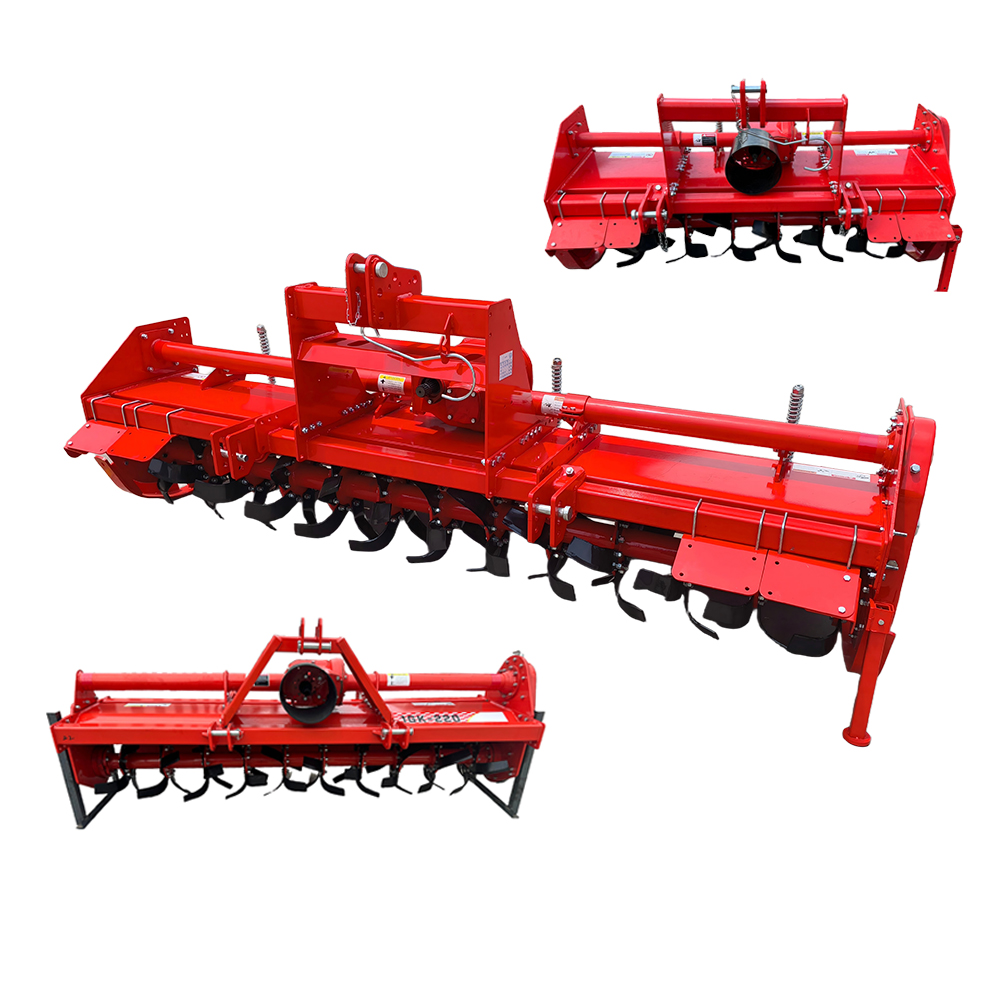
Explore MASCHIO-type rotary tillers from CXNOFIA, including 1MB, 1MC and 1GK series with 35–220 HP applications and 120–360 cm working widths.
MASCHIO-Type Rotary Tiller: 1MB, 1MC & 1GK Series Guide
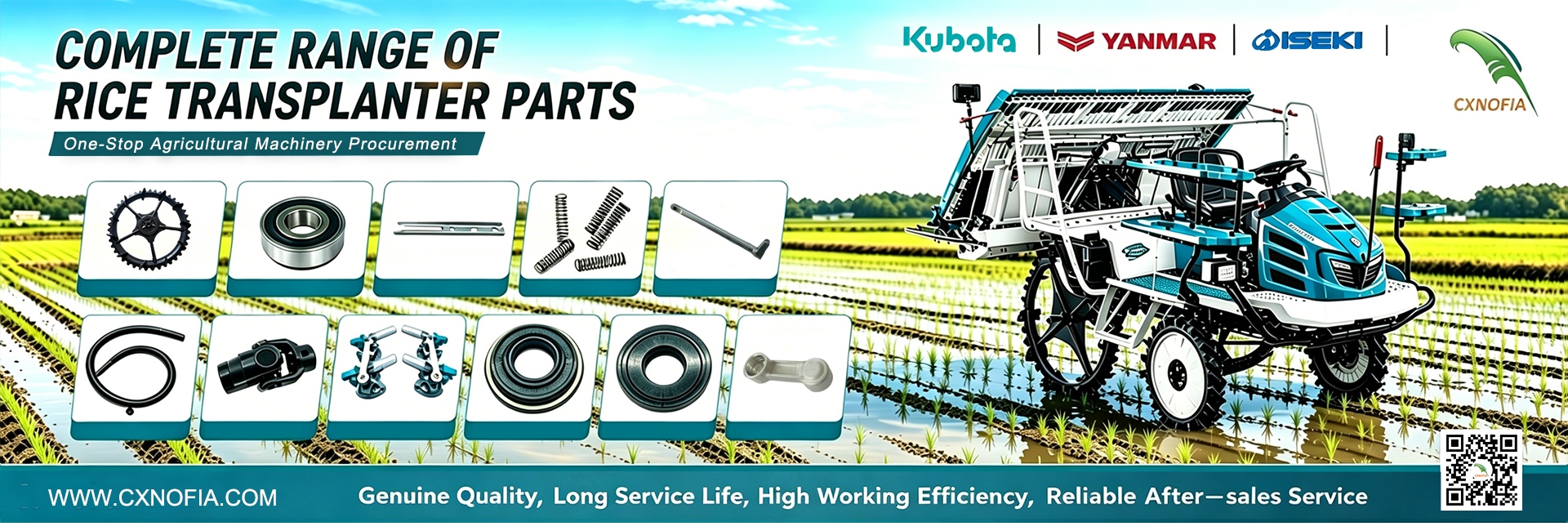
Explore the complete rice transplanter spare parts list for Kubota, Yanmar and ISEKI machines. Learn which replacement parts wear out most frequently, what dealers should keep in stock, and how CXNOFIA provides one-stop agricultural machinery spare parts solutions worldwide.
Complete Rice Transplanter Spare Parts List: Top Replacement Parts for Kubota, Yanmar & ISEKI Machines