When Should I Replace My Excavator Drive Sprocket?
2025-03-31
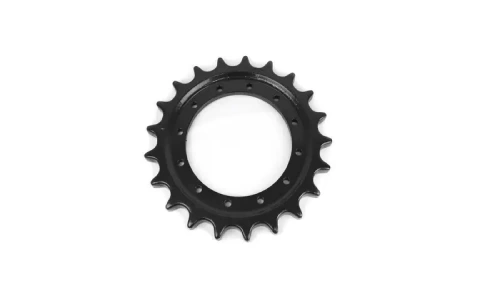
The excavator drive sprocket is a crucial component of the machine's undercarriage system. It plays a significant role in ensuring the smooth movement of the tracks by engaging with the drive chains and sprockets. Over time, wear and tear can degrade the drive sprocket, affecting overall machine performance.
Proper maintenance and timely replacement of drive sprockets can significantly extend the lifespan of an excavator and prevent costly downtime. Understanding how drive sprockets work and recognizing the warning signs of wear is essential for anyone who operates or maintains heavy machinery.
The Role of the Excavator Drive Sprocket
The drive sprocket is the driving force behind an excavator's movement. It works in conjunction with drive chains and sprockets to transfer power from the engine to the tracks, propelling the excavator forward or backward. Without a properly functioning drive sprocket, an excavator's efficiency can significantly decline, leading to downtime and increased repair costs.
Components of the Drive Sprocket System
Drive Sprockets – These engage with the track links and facilitate movement.
Drive Chains – Connect the drive sprocket to the undercarriage system, ensuring smooth power transmission.
Track Links – Work with the sprockets to ensure proper alignment and movement, affecting the overall efficiency of the excavator.
Rollers and Idlers – Support the tracks and help maintain proper track tension, reducing unnecessary stress on the sprockets.
Understanding the interplay between these components is essential for maintaining the health of your excavator's undercarriage system.
Factors Affecting Drive Sprocket Wear
Several factors contribute to the wear and tear of an excavator drive sprocket:
Operational Hours – The more an excavator is used, the faster its components wear out. After 1,000-2,000 hours of operation, regular inspections become critical.
Work Environment – Excavators operating in rocky or abrasive terrains experience faster sprocket deterioration compared to those working in softer soil conditions.
Maintenance Practices – Proper lubrication, cleaning, and alignment of drive chains and sprockets significantly impact their longevity.
Track Tension – Incorrect track tension can accelerate wear on both the sprockets and the tracks. Tracks that are too tight create excessive stress on the sprockets, while loose tracks can cause misalignment and premature wear.
Quality of Materials – Higher-quality sprockets made from durable materials last longer, whereas lower-grade materials wear out faster under heavy loads.
Signs That Your Excavator Drive Sprocket Needs Replacement
1. Visible Wear and Tear
Check for thinning or broken sprocket teeth.
Look for a shark-fin-like appearance of the teeth, indicating excessive wear.
Rust or corrosion may also signal deteriorating sprockets, especially in machines exposed to harsh weather conditions.
2. Poor Track Engagement
If the sprocket teeth are not engaging properly with the track links, the excavator may experience jerky movements or slippage.
Misalignment between the sprocket and track links can lead to uneven wear, requiring a premature replacement.
3. Misalignment and Excessive Noise
Unusual noises such as grinding, clunking, or rattling could indicate misalignment or worn-out sprockets.
Loose sprockets or misaligned drive chains can also cause abnormal vibrations in the undercarriage.
4. Reduced Excavator Performance
If the machine struggles to move efficiently or requires more effort to operate, the drive sprocket could be the culprit.
Decreased digging or lifting efficiency may indicate that excessive wear is affecting overall performance.
5. Increased Fuel Consumption
A worn out drive sprocket forces the engine to work harder, leading to higher fuel consumption.
Increased resistance in the undercarriage results in greater energy expenditure and reduced operational efficiency.
How to Inspect Your Excavator Drive Sprocket?
Regular inspection is the key to preventing unexpected breakdowns. Follow these steps:
Perform Visual Checks – Look for wear, broken teeth, or deformities.
Check Track Alignment – Misaligned tracks may indicate sprocket issues.
Measure Sprocket Teeth Wear – Compare the current teeth profile to the original specifications.
Listen for Noises – Strange sounds when the excavator moves can indicate sprocket problems.
Inspect Drive Chains and Other Components – Ensure that the drive chains, rollers, and idlers are in good condition to avoid additional wear on the sprockets.
When to Replace Your Excavator Drive Sprocket?
1. Based on Inspection Results
If you notice significant wear or damage during inspections, replacement is necessary to prevent further complications.
Regular inspections help catch early signs of deterioration, preventing more severe damage to other components.
2. After a Certain Number of Operating Hours
While there's no fixed rule, replacing the drive sprocket every 2,000-3,000 hours is recommended, depending on working conditions.
Keeping track of usage hours and maintaining a maintenance log can help determine the right time for replacement.
3. If Performance Declines
A noticeable drop in excavator efficiency is a strong indicator that the sprocket needs replacement.
Ignoring performance issues can lead to costly repairs and extended downtime.
Tips for Extending the Life of Your Drive Sprocket
Regular Maintenance – Clean and lubricate the sprockets and drive chains to prevent premature wear.
Maintain Proper Track Tension – Overly tight or loose tracks can accelerate sprocket wear.
Rotate Tracks Periodically – Switching left and right tracks can help distribute wear more evenly.
Operate on Suitable Terrain – Avoid excessive operation in abrasive conditions when possible.
Invest in High Quality Parts – Using high-quality replacement sprockets and drive chains can significantly enhance durability.
Train Operators Properly – Educating machine operators on best practices for driving and maneuvering can reduce unnecessary stress on the undercarriage.
Replacing an excavator drive sprocket at the right time is essential to maintaining the machine's performance and longevity. By conducting regular inspections, monitoring signs of wear, and practicing proper maintenance, you can prevent costly breakdowns and ensure smooth operation. Keeping your drive sprockets in top shape means your excavator will continue to perform efficiently in any job site condition.
By staying proactive, you not only extend the life of your drive sprocket but also reduce operational costs and downtime, ensuring your excavator remains a reliable workhorse on the field. Understanding the importance of drive chains and sprockets, monitoring wear indicators, and following recommended maintenance practices will help you maximize efficiency and get the most out of your heavy equipment investment.
Explore our extensive selection of high quality RC788-14430 drive chains and sprockets for kubota excavator. Manufactured by CXNOFIA, a trusted Chinese supplier of excavator parts for kubota, this kind of drive sprocket ensures superior performance and durability. Benefit from competitive pricing, fast international shipping, hassle free returns, and exclusive limited time offers. Order now!
Maximizing Efficiency in Forestry: The Role of Wood Chippers
Can Brake Gear Shaft Affect Transmission?
Related Article
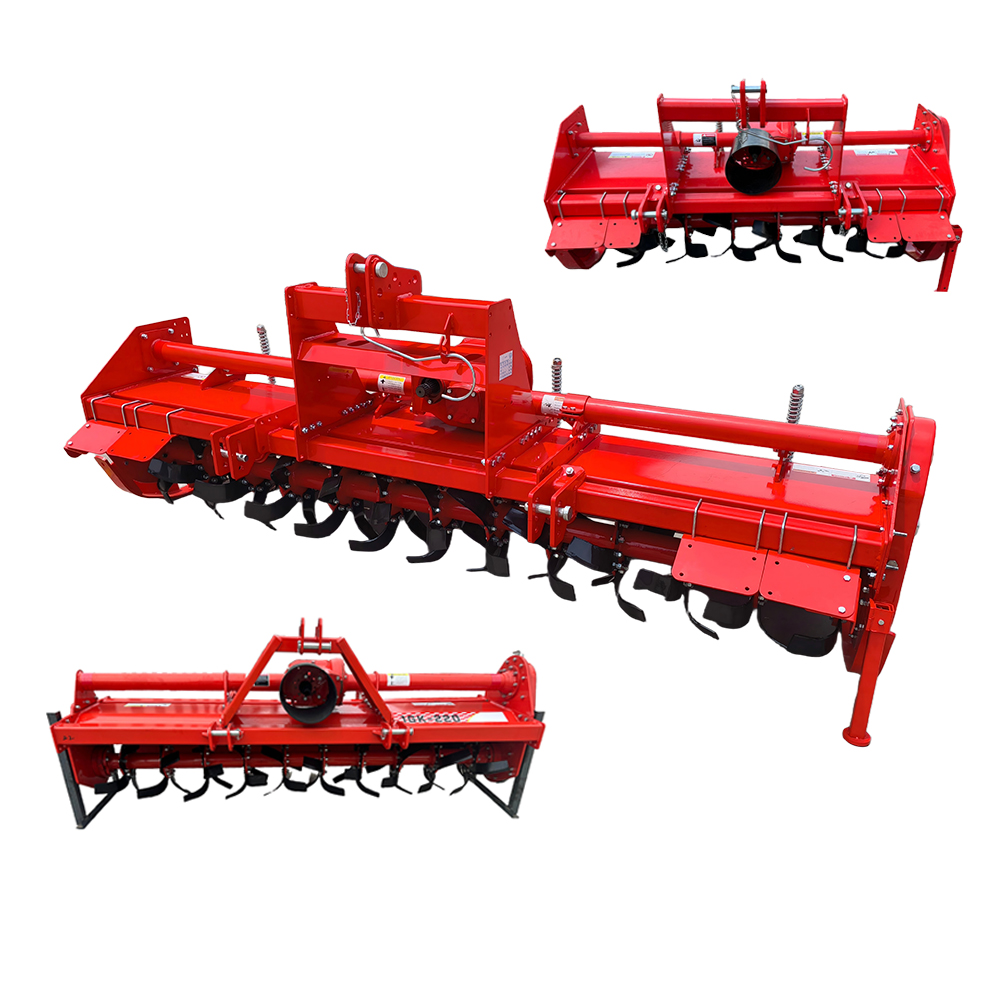
Explore MASCHIO-type rotary tillers from CXNOFIA, including 1MB, 1MC and 1GK series with 35–220 HP applications and 120–360 cm working widths.
MASCHIO-Type Rotary Tiller: 1MB, 1MC & 1GK Series Guide
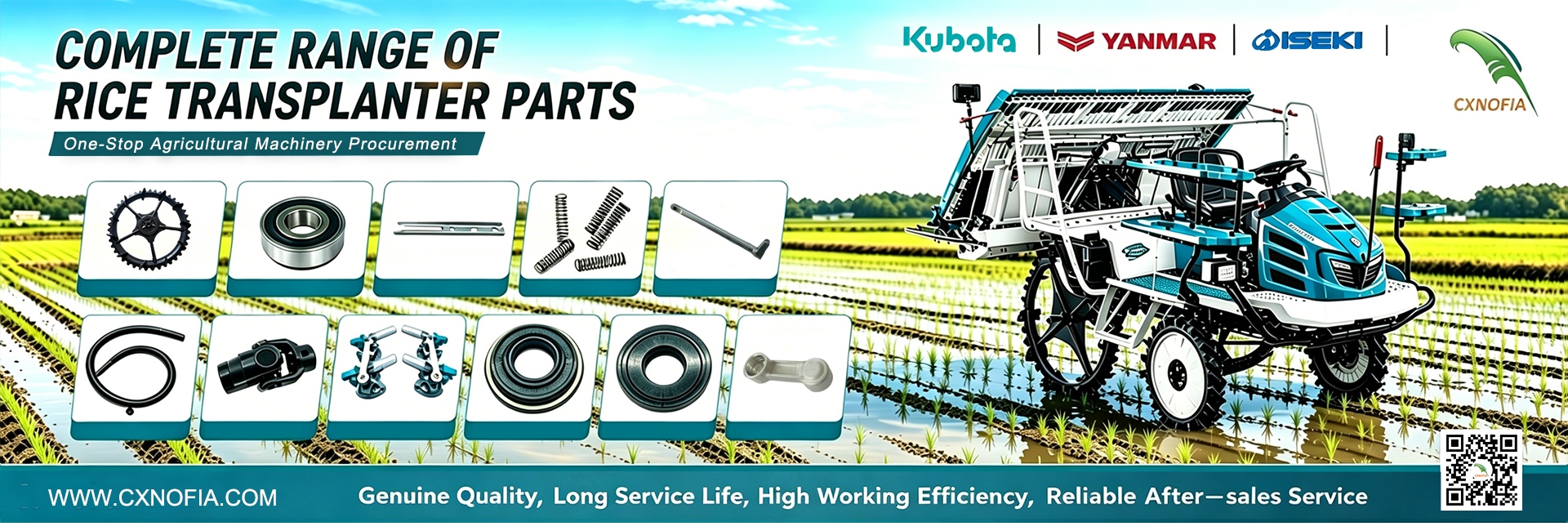
Explore the complete rice transplanter spare parts list for Kubota, Yanmar and ISEKI machines. Learn which replacement parts wear out most frequently, what dealers should keep in stock, and how CXNOFIA provides one-stop agricultural machinery spare parts solutions worldwide.
Complete Rice Transplanter Spare Parts List: Top Replacement Parts for Kubota, Yanmar & ISEKI Machines